

Supportive, Professional, Client-Focused Service
From prototypes to full-scale production, we’ve got you covered.


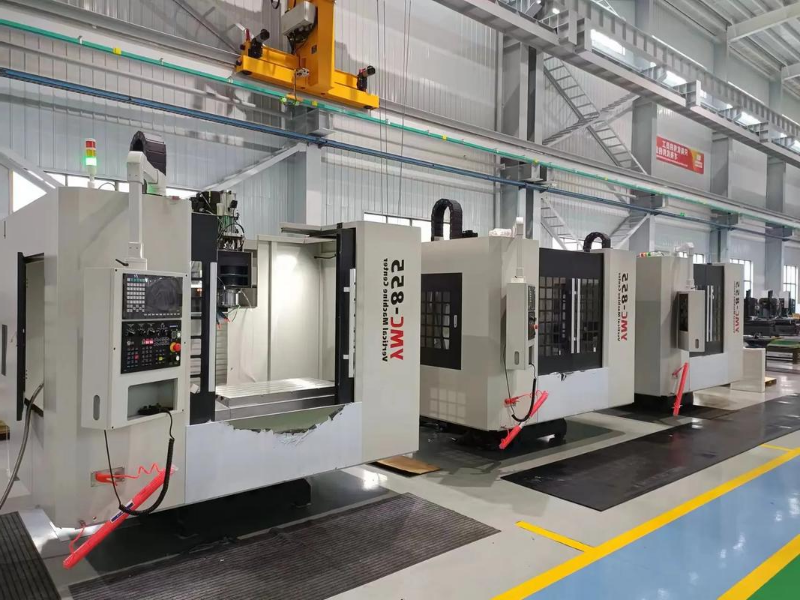
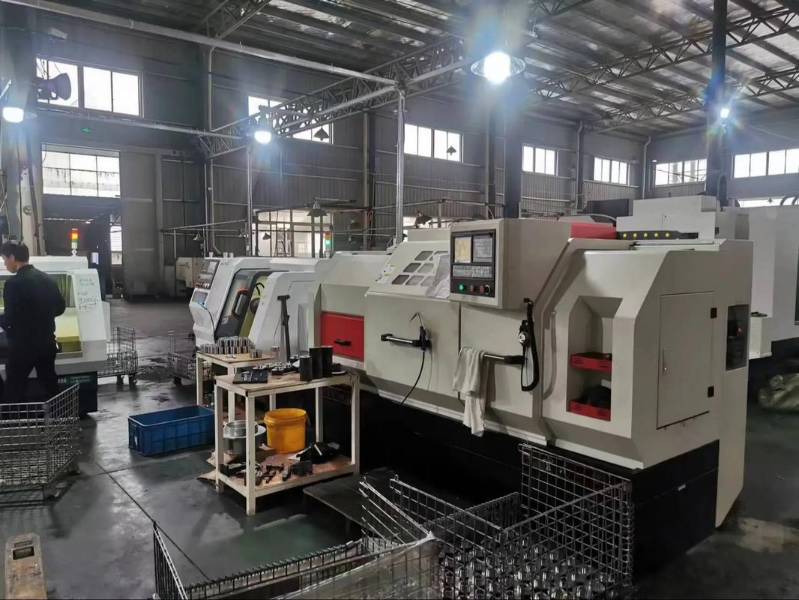
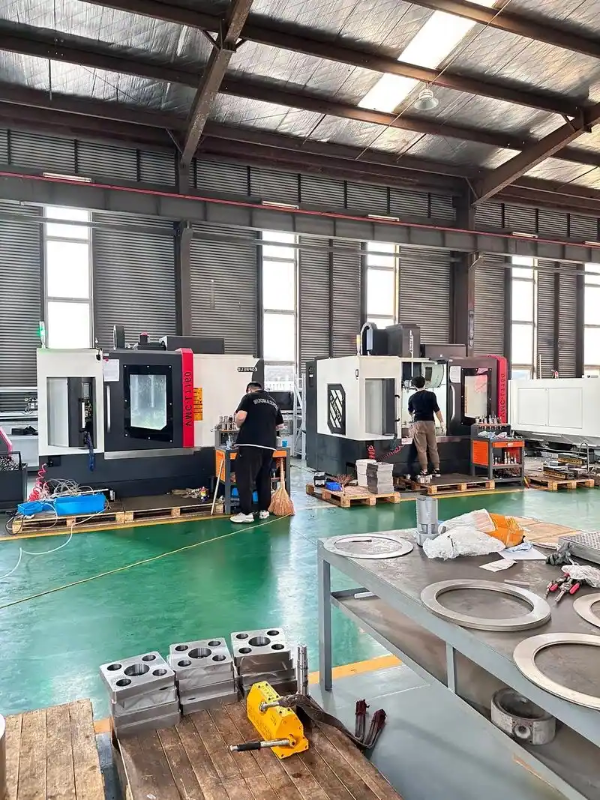
Explore our custom CNC-machined aluminum parts gallery, featuring a wide variety of high-quality components we have produced for various industries.




| Alloy Grade | Yield Strength (MPa) | Tensile Strength (MPa) | Hardness (HB) | Corrosion Resistance | Machinability |
|---|---|---|---|---|---|
| 6061-T6 | 276 | 310 | 95 | Excellent | Good |
| 7075-T6 | 503 | 572 | 150 | Fair | Fair |
| 2024-T3 | 324 | 469 | 120 | Poor | Excellent |
| 5052-H32 | 193 | 228 | 60 | Best | Fair |
| 6063-T6 | 214 | 241 | 73 | Excellent | Good |
| 7050-T7451 | 469 | 524 | 140 | Good | Good |
| 2A12-T4 | 325 | 470 | 120 | Poor | Excellent |
*Calculated based on ISO 286-2 standard hole basis (H7). Common for CNC machining applications.

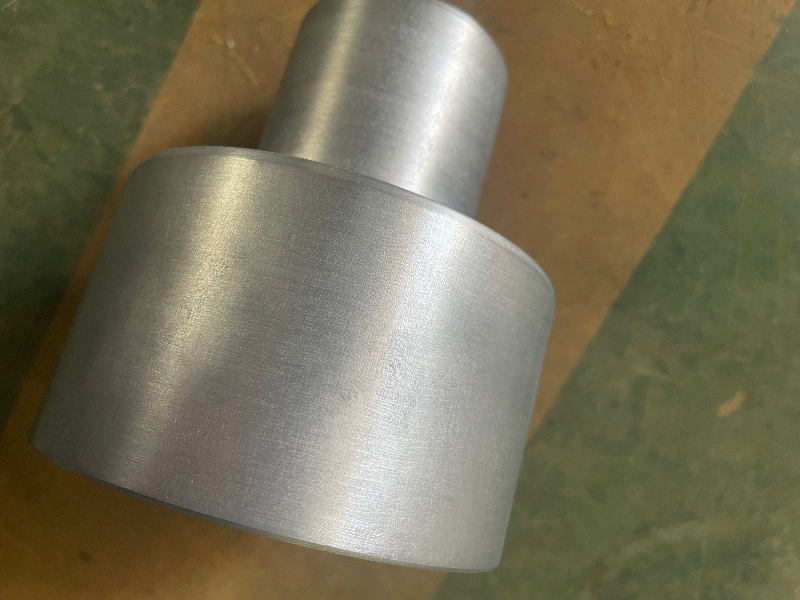
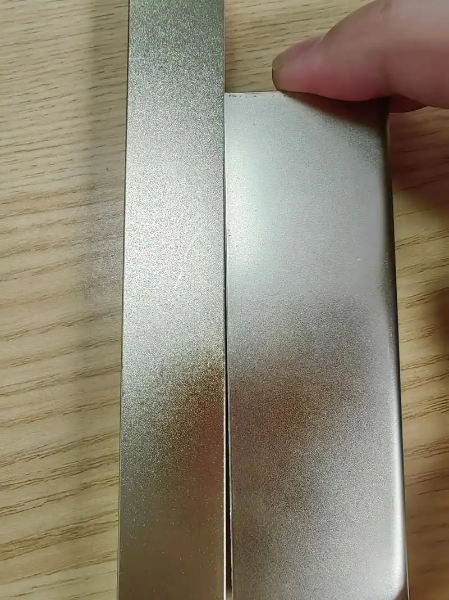

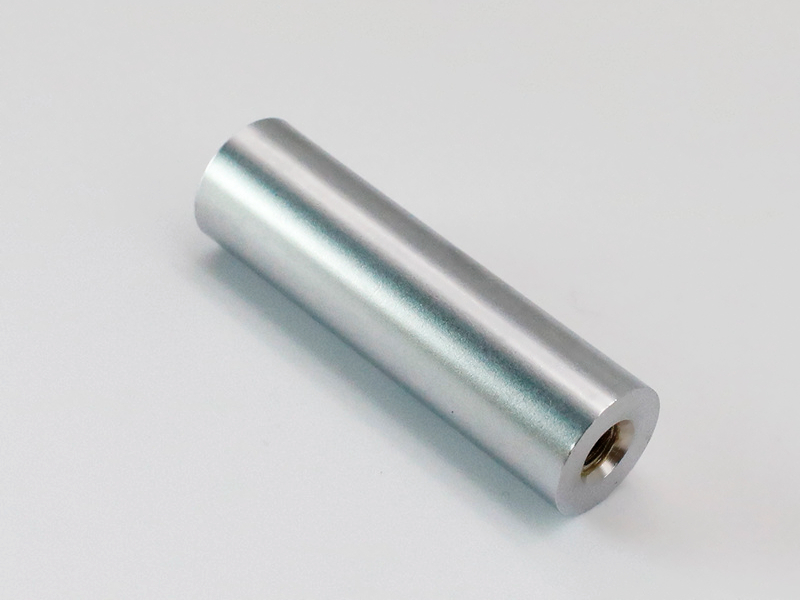
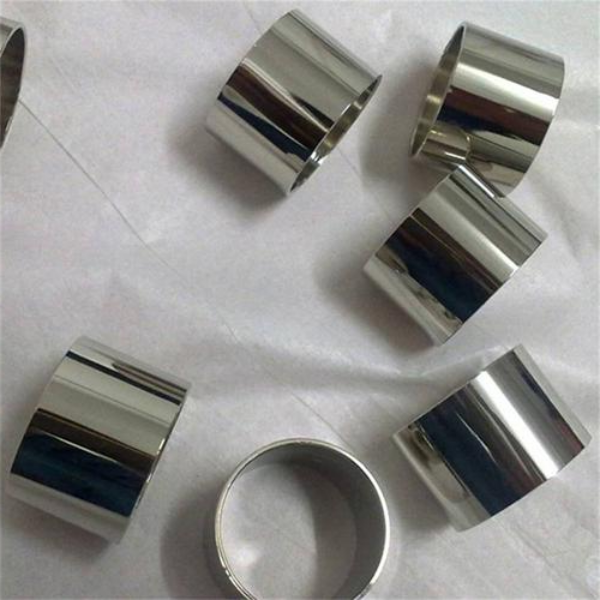
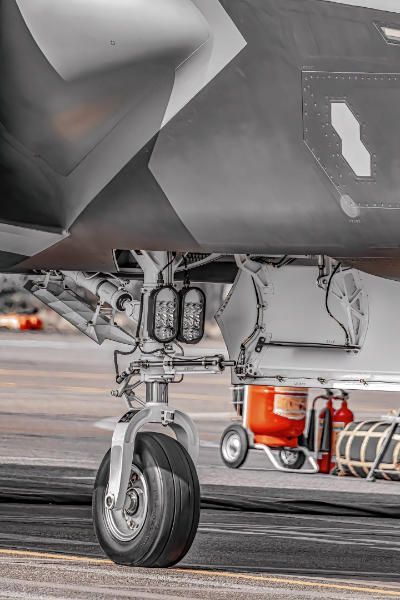

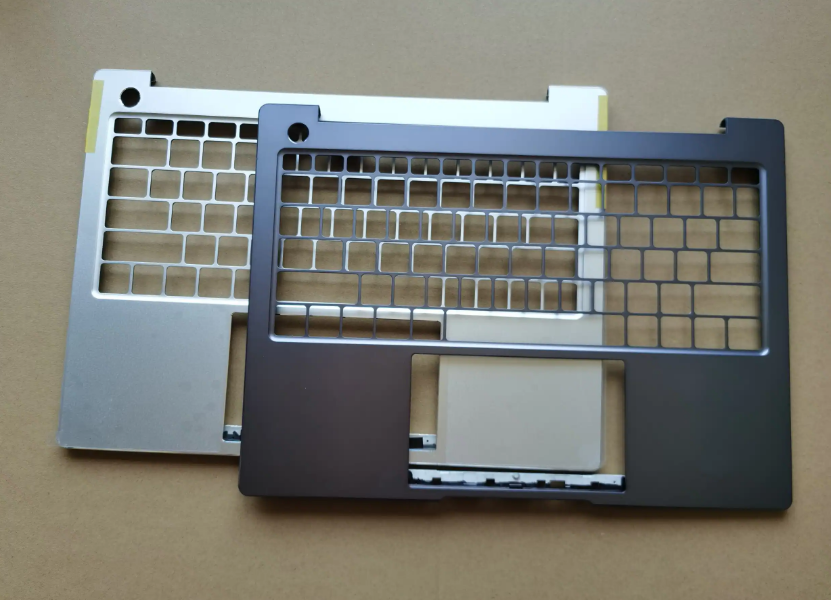
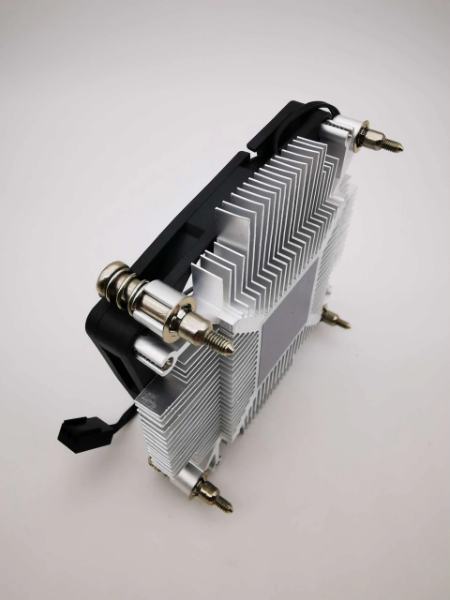
Machine aluminum generally refers to the broad set of machining operations used on aluminum alloys, while cnc machining aluminum specifies that computer numerical control machines perform those operations. Both approaches can produce precision parts and machining is a manufacturing process capable of tight tolerances; CNC technology adds repeatability, complex toolpaths, and integration with CAD/CAM for parts and products made from aluminum, mainly when producing parts with complex geometries or high-volume cnc machined parts.
Aluminum machining services typically include turning, milling, drilling, tapping, and finishing like anodized aluminum. A mill or cnc milling operation can be basic 3-axis or advanced 5-axis cnc milling machines for complex parts. Fabrication services often combine machining with sheet metal fabrication or secondary operations to deliver complete parts and products, and many providers offer custom cnc capabilities and manufacturing services to suit specific material choices such as aluminum 6063 or aluminum 5083.
Aluminum 6063 is a popular alloy for extrusion profiles and architectural parts; it machines well and anodizes well for visual parts. Aluminum 7050 is used in aerospace for higher strength and fracture toughness, but can be more challenging to machine. Your choice should consider factors like required strength, corrosion resistance, finish, and whether the part will be anodized; consult cnc machining design guidance to balance material properties with machining operations and cost.
Yes, many shops offer both sheet metal fabrication and cnc aluminum machining so they can produce cut parts, bent enclosures, and machined components in a single workflow. This is ideal for assemblies that mix metal and plastic parts or require both stamped/bent panels and precision-machined features. Combining services reduces handling, speeds time to market, and supports manufacturing services that offer custom cnc and finishing options.
5-axis cnc milling machines excel at producing parts with complex geometries, multi-sided features, and tight tolerances in a single setup, reducing the need for fixtures. Swiss machining is ideal for long, slender, high-volume turned parts with intricate details. Both approaches are commonly used in cnc machining to produce complex parts; the choice depends on part geometry, volume, material (many popular aluminum alloys are compatible), and required lead times for CNC-machined parts.
CNC machining quotations generally take into consideration material type (like 2017 aluminum, 6082 aluminum, MIC6 aluminum, etc.), complexity of part geometry, tolerances, surface finish (anodized aluminum options), quantity, machining operations required, secondary processes. Good suppliers will assess your cnc machining design, offer advice about the manufacturability of the part or manufacturing process optimizations, and provide transparent pricing that methodically reflects on setup, cycle time, and maybe fabrication services.
In each case, the aluminum alloy type is better suited to the required finish or performance requirements, resulting in improved properties. Aluminum 7085 in die fabrication or extrusion or 7075 in forging, 6063 and 6082 are the most common 6000-series (extrusion) aluminum alloys, which can be easily machined in the as-extruded condition, by anodizing it, and providing good appearance and corrosion resistance; anodized aluminum 2017 for high strength, and 7050, both typically applied in structural or aerospace architectural parts. Whether 1 requires anodized aluminum, good for anodizing and cnc machining that do not ionize, or some of the alloys milled, already used in cnc machining for having the best mechanical characteristics.
Custom fabrication services often integrate multiple CNC capabilities with the supervision required by many in-house companies to machine both metal and plastic parts, enabling integrated production. This includes numerous variables: different tooling, feeds and speeds, and fixturing. If the provider has computer numerical control (CNC) milling equipment, the manufacturer can optimize the workflow so that products with varying geometry and material characteristics still meet uniform quality and delivery criteria.
Aluminium is becoming increasingly popular for its light weight, corrosion resistance, and machinability, and is recyclable. It offers a wide range of grades to meet diverse requirements (strength, finishability, and weldability) and is widely used in CNC machining of aluminium across sectors. The machine should account for alloy selection, finishes (anodizing), design for manufacturability to reduce machining requirements, and whether these will be low-volume custom CNC batch prototypes or high-volume orders.