

Supportive, Professional, Client-Focused Service
From prototypes to full-scale production, we’ve got you covered.


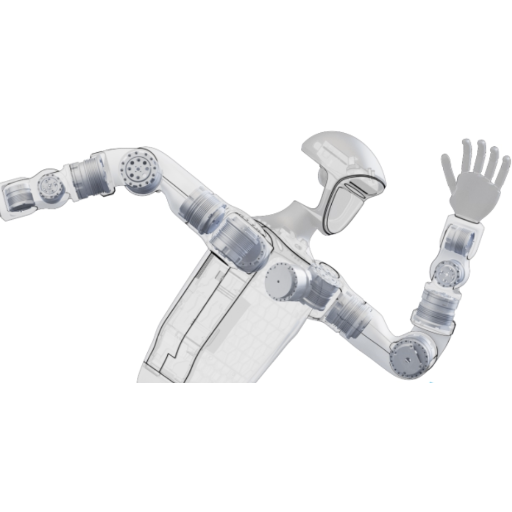
Aluminum has proved to be the latest advancement for cutting-edge solutions in robotic and automated systems, being the driver of innovations backed by most modern design techniques harnessed in industries nowadays. Lightweight and just tough enough to serve as the heart of the robotic system, it offers better precision, efficiency, and adaptability whenever aluminum components are selected. Understanding how aluminum brings the revolution to robotics and industrial automation-the nature of aluminum and why it is the cornerstone of the new plenitude of technologies; that can foresee the changing needs of a rapidly metamorphosing area.
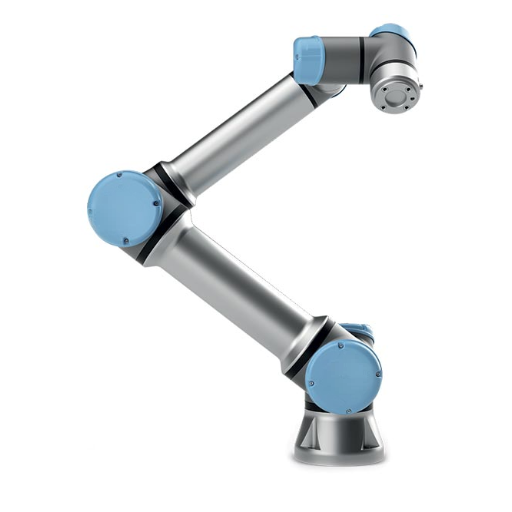
Aluminum is of great interest in the field of robotics and automation, given its high strength-to-weight ratio. High strength allows the material selected for making strong yet lightweight robot components, thus reducing the weight of the robots themselves. As a result, significant energy savings or greater speed for the mobile robots are ensured, with the moving parts are made much lighter.
Corrosion resistance is another crucial property of aluminum. Alumina profiles can be a good fit in a variety of environments containing moisture or high humidity. Reduced maintenance, possible elimination to definite parts, bearing in mind the significant reliability and the lifetime of the robotic systems, would be a consequence of the removal of parts. Finally, aluminum can be easily anodized in order to increase the corrosion protection and allow the operation of processes in a better working environment.
Aluminum has good machinability which allows for easy production of complex and custom parts. It provides the flexibility of design that could be crucial for the precision manufacturing of complicated robotic designs. There is a lower verb count, with four primary traits being fairly available, being infinitely recyclable, thus generating sustainability or the adhering-based idealism coined by the economic self-cleavage properly applied in the automation and robotic applications sector.
The strength to weight ratio in aluminum is its leading attractive point for highly suitable industries demanding durable but light materials. When it comes to high-strength-low-weight material, this signifies aluminum’s high ability to bear heavy loads yet be lighter. Such strength defines the fundamental uniqueness in engineering robotics, aerospace, and automotive sectors.
Aluminum increases efficiency to no end while the stress-to-weight ratio is maintained, whether in operations or in design. This is the winning combination of superlightweight intertwined with considerable capacity of the structure to resist the design loads at hand. For example, in robotics to significantly lower the magnitude of forces in mobility [which implies fewer response times and use less energy], aluminum should be part of the system to lighten the load weight.
Aluminum, well known as being a resistant-to-corrosion material, is completely resistant to this kind of environment. This is because this metal responds with oxygen taken from the air and forms a layer of its own oxide layer. In these situations, the metals performing such tasks are somewhat secure owing to this. Though aluminum endures the most testing environmental conditions (in fields like marine and industrial) its self-protection is maintained through its oxide layer.
Aluminum is known to be machinable and devised to give any select property requirements needed by an end designer. This property makes its corrosion resistance ideal, its machinability commendable as well; but also ensures that it meets the high demand of any end-project using aluminum derivative products. It is thus with good hope that aluminum has found itself a field of extensive usage, wherein reliability, as a factor, is greatly emphasized.
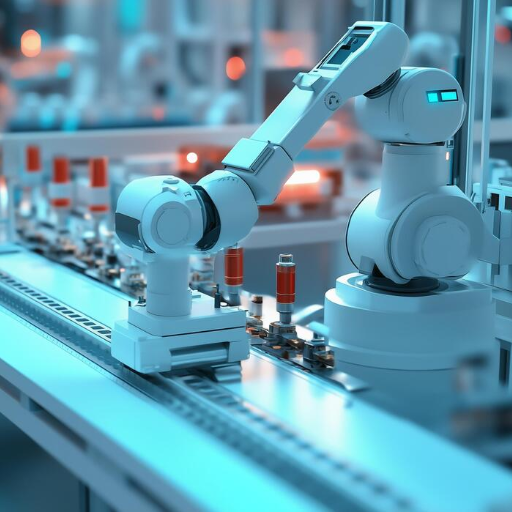
Abundant in Earth’s crust, highly recyclable (100% without quality loss), and reduces transport costs due to lightweight properties.
Suitable for construction, transportation, aerospace, packaging, and consumer goods with exceptional versatility.
Recyclable indefinitely, requires 95% less energy for recycling, and supports circular economy principles.
Aluminum is known to be cost-effective in many applications due to its abundance in the Earth’s crust making it easily available, and not like the rarer titanium and copper. Due to its very light weight, the shipping expenses of a product may be much reduced. Therefore, this material suits sectors such as automotive or aerospace, where extra weight savings translate into fuel savings and hence increased operational efficiency.
Aluminum has the potential for 100 percent recycling without loss of quality, and then, the recycled aluminum has very similar characteristics to virgin aluminum. It is more eco-friendly in terms of energy usage,—at least 95% less—in comparison. That saves the cost of energy, not to mention cost benefits and ozone depletion.
The resultant composite or meter-corroded aluminum stands on any rusting and hence a long time ago; in fact, it’s very important to give frequent weatherproofing in terms of maintaining the existing buildings to keep up with the trucks of maintenance.
Aluminium is notoriously versatile and can lend itself well to a lot of sectors and operational modes to want to be light and strong, two features that cater to construction. In building construction, for example, many structural systems predominantly utilize aluminum. It is efficient, being light for easy performance of the vehicle and eco-friendly to some extent. Used in the construction industry mostly when it has a preferred quality over other metals. For example, the light weight of aluminum makes it highly easy to move about and makes a good impression without too much deformation.
Obviously, anytime building design incorporates green initiatives, it moves a step closer to the sustainable environment, illustrated by the use of aluminum in the trains of a series of the bus. On top of this, although the entire building has magistrally replaced aluminum with steel, the roofs of the train that some commercial buildings in bus transport have left their roof with steel instead.
Ideal for safety, as aluminum can be made to fragment and protect its life while being subjected to extreme voltages, aluminum-magnesium is always made into aluminum, as it can expand and contract through pressure within a suitable range (~-1.5% tension while under delay beyond 5% tension while under Boxing movement through a stretch to about 25%) so that the material will bring no guarantee of tearing as the extra poor capability usually weakens at -300°C/-390°F.
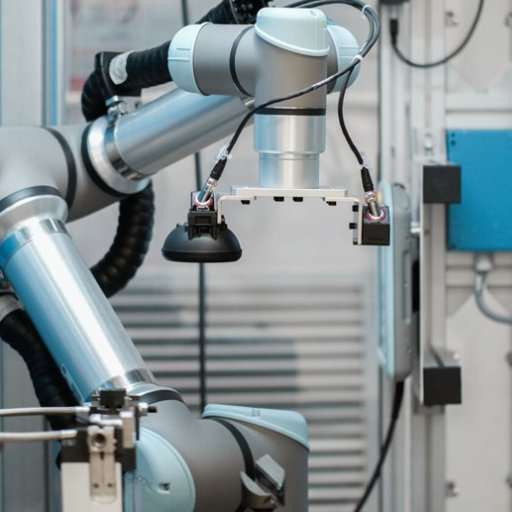
The aluminum composite in the car industry is very attractive in terms of lightweight, durable, and corrosion resistance. The use of aluminum greatly reduces the weight of the car, which is fuel efficiency; in fact, this goes toward the huge reduction of greenhouse gas emissions. Hence, aluminum has been an application material to serve the modern need of sustainable and active transport systems.
Aluminum is unique for aerospace for many reasons, not the least of which is its astonishing durability-to-weight characteristics, resistance to corrosion, and malleability whilst being fabricated and during use. All sorts of structures in aircraft are fabricated from aluminum alloys, such as the fuselage, wings, and tail sections, to ensure durability while minimizing weight. With this boon of a light element, comes improved fuel efficiency and increased payload capacity.
The aptitude of Al to undergo sundry manufacturing operations makes it possible to use tones of techniques in making parts of the aviation sector. Sheet metal acts as a useful material in this regard, and extrusion, machining, and welding processes enhance the manufacture of high-precision drawings of impossible parts like forward bulkheads, landing gears, and engine housings.
Aluminum is surely a crucial constituent in the health sector, which is why it has seen wide use in the fabrication of several medical tools and equipment. Its lightness makes aluminum quite the preferred material to develop any kind of equipment, mobility devices, and any other relevant and valuable application. Furthermore, the rapid thermal conduction properties enable the materials to sterilize efficiently, thereby providing necessary hygiene conditions and safety standards in medical settings.
Medical Packaging: Aluminum foils are typically used to wrap medicines kept away from light, air, and moisture to prevent deterioration. This enhances the shelf life of medicinal products while ensuring their effectiveness.
Innovation: The properties of aluminum are capable of creating new innovations like implants and imaging systems, therefore advancing patient care.
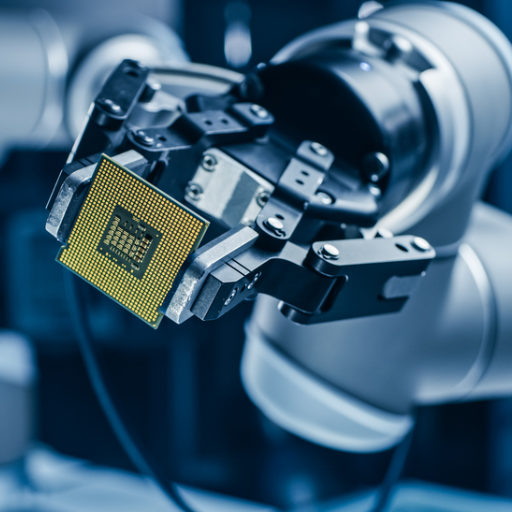
Robots are supposedly installed to boost productivity, accuracy, and safety within the context of the aluminum-related manufacturing processes. The main type of robots includes industrial robotic arms, automated guided vehicles, or collaborative robots. They can be best used in various downstream tasks that include material handling, welding, and quality inspection.
| Robot Type | Primary Function | Key Benefits |
|---|---|---|
| Industrial Robotic Arms | Extrusion, forging, cutting, welding | High accuracy, consistent output, waste minimization |
| Automated Guided Vehicles (AGVs) | Material transportation, logistics | Reduced manual labor, efficient material flow |
| Collaborative Robots (Cobots) | Assembly, quality checks | Safe human collaboration, complex process support |
Re-engineering of companies will take advantage of upcoming process control systems and solutions in its automation strategies. Available technologies will drive a series of utilities and applications, including castings, rolling, finishing steps, with a primary aim to streamline the assets and running of automated equipment. This set of tools mostly consists of robotic automation equipment that has sensors and AGVs, providing faster turn-around times and improved accuracy with no loss in product yield. Automation thus eliminates all manual and repetitive tasks that could lead to less error and better consistency of final output.
The safety of the workers is paramount in order that the automation of an aluminum production would bring many benefits. Heavy-duty turbo jobs that are liable to lead to hot molten aluminum working or moving heavy machinery would automatically be carried out by machines, thus reducing the heavy machinery to a minimum. Additionally, automation allows for real-time monitoring of machines and production lines in order to spot irregularities as soon as they occur hence avoiding losses that result from downtimes.
Aluminum equipment is used for robotics in manufacturing machines provided for heightened effect through implementation. This is through robotic arms in the effecting of automation operations processing. Various elaborate robotic operations manage tasks automatically, some of which include: shell handling, welding, and surface-finish. Robots help prevent the production of errors and provide constant filtration among the various developing systems with uncompromised quality so that these activities are accomplished on a repetitive basis with complete consistency. Robotics further provide round-the-clock activity for reducing downtime and an increase in total productivity.
Three main benefits are achieved by orchestrating the different operations of the aluminum plant- indifference toward energy supply; increased technical safety at the plant; and consequently, indicative of better financial performance overall. The distributed control system performs real-time analysis of temperatures, pressure rates, and energy containment across an array of thermal, electrolytic, and chemical processes, ensuring steady and energy-efficient operation. This consists of a small increase in environmental stress-gas emissions with a bit excess energy usage.
Obviously, an immediate solution could help to remove the defective products in its nascent state, thus allowing the aluminum factory to cater in a better way for high-grade primary aluminum. In this way, the factories would benefit consequently, and the company would be maintained at a higher level in the eyes of all its customers.
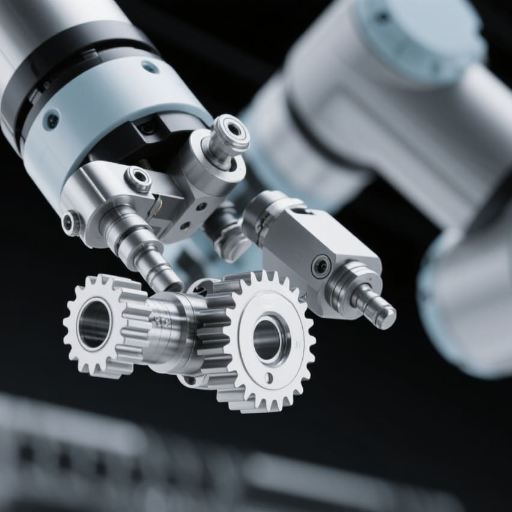
Present technological advancements have created a great acceleration in the aluminum industry. The use of artificial intelligence in predictive maintenance is the part that deserves attention. The implementation of AI algorithms is achieved, enabling the study of machine performance data and predictions for any potential malfunctions even before they take place, thereby saving downtime and raising efficiency in course.
Robotic machines with precise handling talent are used for welding, cutting, and assembly. These robots result in increased precision, swiftness, and joined solemnity.
AI algorithms probe machine performance data and forecast potential malfunctions before they occur, reducing downtimes significantly.
Renewable electric power like solar or wind energy is now used more for smelting, reducing carbon emissions dramatically.
One key area that could present universities with the opportunity to upgrade aluminium production effectively is in the field of model development. Advanced aluminium alloys would thus be in a position which would actually allow the manufacturers to tune the complex equilibrium within resistance, weight, and strength. For example, such high-level alloys would be endowed with unique potentials specifically to meet the requirements of certain industries like aerospace or automotive, where any dielectricity of light metals is crucial for energy sufficiency and emission reduction.
| Enhancement Area | Benefit | Industry Impact |
|---|---|---|
| Advanced Alloys | Balance of resistance, weight, and strength | Aerospace, automotive energy efficiency |
| Secondary Aluminum | 95% less energy than primary production | Sustainability, cost reduction |
| Enhanced Conductivity | Better heat and electrical performance | Electronics, energy storage systems |
Aluminum will become ever more important in a wide array of sectors by exhibiting characteristic properties such as lightness, strength, and recyclability. This captivating quality of recycling aluminum repeatedly is excellent for sustainability. With a view to minimizing carbon footprint and improving energy efficiency, sectors such as building and transport are expected to consume a large quantity of aluminum.
On future technological applications and infrastructure for energy systems, aluminum novelly helps in energy storage systems, with prospects implying that sustainable energy storage systems could be established. With a margin of consideration, it is particularly about the production of aluminum-air batteries from our laboratory.
For these purposes, by straightforward implication, aluminum will find enormous usage-devices for lighter but more fuel-efficient, high-performance vehicles being part of the future. Where there would be decreased bulk being offered by any of its lightweight products, a large portion of weight is thereby borne by aluminum for a lower fuel requirement, being stably durable regardless of this movement that the designers were selected for the result of conservation.
Aluminum products used in robots and automation are groupings or kits of parts made of aluminum. The aluminum parts are an aluminum frame, extruded aluminium, and elements already fitted as a part of the automated system. The unique advantage that the aluminum part has in relation to the other nonferrous metal is in the modular structure, high-speed fabrications, and less overall weight with aluminum mail. This is the key to the successful performance of high-performance industrial robots and home-made plant-wide solutions with various levels of automation at the current growth rate in industrial and robotics automation for an increasing market oriented toward high-tech products.
Think of the basic frame for that system: essentially, assembling machines using extruded aluminum elements, yet, besides being mechanically interconnected, such machinery interlinking improves high neutrality into something innovative. The complimentary profit is machine installation and functions that are subject to longer availability for integration of video by the innovational technology.
Manufactured under high-quality conditions of sustained precision, all robots make use of high-quality aluminum-alloys, plane aluminum materials like the framework, base plates, angle profiles, steel mounts, air fittings, cylinders, complete enclosures, and crafted from aluminum on that center. Most of these items fall under produotion systems and automation equipment-for industrial robots, on the whole, lap aluminum is in use. This ensures maintaining quality; this implies saving on weight with regard to structure specifications required after production development in big corporations and high-end automation projects.
Custom manufacturing of robotic aluminum parts totally bluntly including customization via extrusion, CNC milling, anodic coating used to enhance surface finish of aluminum parts, precision drilling, and combining mounting features. Customization allows robotics into the pre-existing production line that contains aluminum with the condition of labor automation meaning the designing of custom automation systems so that the way is made for production at great speeds.
The use of robotic aluminum parts such as extrude aluminum profiles or modular aluminum frames significantly deprives assembly times and allows quick reconfiguration of units so, from an assembly operation perspective, speed for production is practiced. Labor costs will decrease as workers have a better thing to do than move parts from place to place. This increases throughput of all manufacturing operations, and efficiency is associated with the benefits of automation in aluminum processing.
It is considered the mechanical robustness, weight, surface finish, modular construct, and compatibility with industrial robots of aluminum while the evaluation of extrusion versus casting, customization goals, production working speed required, and maintenance in the long run. With the proper selection of extruded aluminum profiles and automating elements, robots can economically be integrated with aluminum application setups. The meditating considerations help create automated solutions intended to be scalable.