

Supportive, Professional, Client-Focused Service
From prototypes to full-scale production, we’ve got you covered.



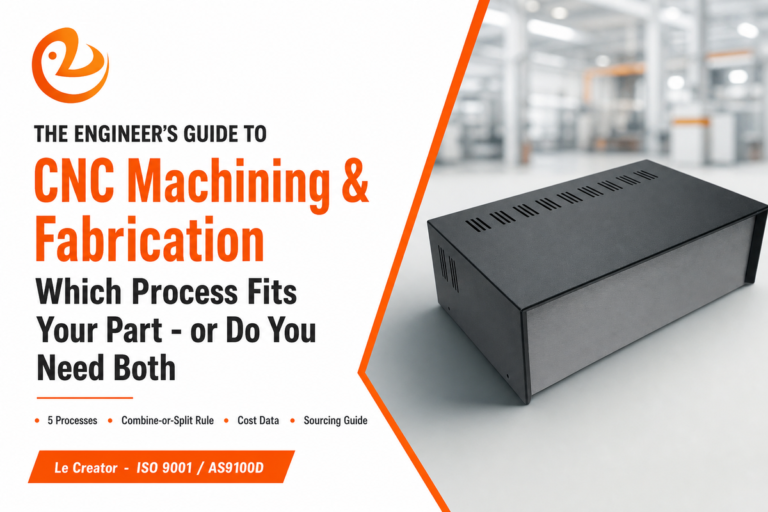
Aluminum enclosure is the choice for consumer electronics with the best aesthetic, functional, and technical merits, combining all of those qualities. This guide will teach you essential nuggets for producing high-quality aluminum enclosures that can house electronics while staying visually appealing. From material selection to thermal management, we shall delve into the key components that distinguish a professional design.

The electronics sector is completely revolutionized by aluminum enclosures, which provide solid shielding to electronic components across a myriad of industries. Known for their strength, lightness, and high heat dissipation characteristics, aluminum enclosures ensure that electronic devices last long and work very well. The design versatility of these enclosures permits customization for applications tailored to the needs, thus making them the premier choice for global industry engineers and manufacturers.
Because of their capacity for total shielding against dirt, moisture, electromagnetic interference (EMI), and humidity, aluminum shields are, in fact, considered a blessing to those who can afford high-performance operation by very sensitive components, particularly in aggressive settings, like industrial heavy machinery and outdoor installations. Finally, the embedded aluminum corrosion resistance attains a longer life cycle of intense cheapness, even while exchange at best ease of use.
Aluminum allows room for large customization possibilities, including the inclusion of heat sinks and ventilation systems. Correct heat management is critical to the best possible operation and durability of an electronic system. These qualities establish aluminum as a material that is essential for the production of product bodies for electronics, uniting the very best of operational efficiency. There are some positive attributes of aesthetic functionality, durability, and adaptability to changing needs in the electronics industry.
For thermal management, aluminum is the go. Maintaining the quality of components and providing them a longer useful life requires heat dissipation. Reliable heat transfer can operate at temperatures necessary for the switchgear’s operation, as this keeps it from overheating or causing damage.
Aluminum has a great strength-to-weight ratio, especially when compared to steel, and many other materials. It is lighter than other materials and provides very low mass and weight for electronic products without making any sacrifice to their structural integrity. This makes it significant in the creation of portable electronics and many other high-performance applications.
Versatile in cutting, bending, and extruding, aluminum tolerates all forms of modern electronic design standards eagerly. On top of being recyclable and contributed abundantly to preserving the environment, aluminum is priced well to suit the fast-paced drift of electronics.
Given their durability, lightweight nature, and cost-effectiveness, aluminum enclosures are deployed across diverse industries:

Aluminum enclosures offer virtually unmatched fortitude and strength, making them suitable for a wide range of applications. It is these inherent properties of aluminum—namely corrosion resistance and high strength-to-weight ratio—on which the perennial performance of the enclosures in hostile environments is based.
One principal factor of durability with respect to these enclosures is aluminum’s inherent rust resistance feature due to formation of a protective oxide film upon exposure to air. The combination of being impact resistant and non-corrosive makes them highly reliable for sensitive electronic structures.
Flexible and lightweight, aluminum enclosures provide a wide range of capabilities, as they are made to serve the purpose of handling massive loads and high-speed impact protection. Various forms of customization methods actually make them adjustable according to various demands relating to the design. Without a doubt, all these advantages make aluminum enclosures the first option for heavy-duty and sustainable solutions in various fields.
Heat dissipation directly impacts the performance and longevity of electronic devices housed in aluminum enclosures. Design decisions must prioritize maximizing airflow, thermal conductivity, and heat transfer efficiency.
Integrate ventilation openings or slots into the housing to enhance natural airflow, allowing heat to escape efficiently. Leverage aluminum’s high thermal conductivity to achieve even heat distribution throughout the enclosure.
Strategic spatial arrangement of components minimizes heat concentration and significantly aids temperature control. Avoid clustering heat-generating components in confined spaces.
Incorporate heat sinks or fins to increase surface area for efficient heat exchange with the atmosphere. Use thermal pads or conductive materials between heat-generating components and the housing to facilitate heat flow and reduce thermal stress on sensitive electronics.
For high-heat applications, consider fan-assisted forced-air cooling to expel hot air from the enclosure. Combining forced cooling with passive techniques achieves maximum thermal management with minimal power consumption.
In designing interfaces for consumer electronics, specific care must be taken as they must be kept in sizes that accommodate all the inside components and allow ventilation. The vicinity should be such a compact in which there is no heat build-up; the internals have enough air to cool themselves. Set the designs where small space management becomes a matter of full functionality associated with the avoidance of bulkiness for its own little reason.
When handling with enclosure mounting methods, proper consideration needs to be given to the environment in which your electronics are based. Stationary installations benefit from fixed mounting brackets because of the stabilization and overall support they provide. Give thoughts to the lightest of solutions that may have snap-on type features or perhaps sliding mounting to provide the exhalation of a fully moving installation. Ensure safety by assuring each mounting system can fully support the weight of the device that needs to be installed on.
Encase the device in sturdy housing that can be opened without difficulty or equipped with quick-lock structures. This, in turn, would provide customers with easy-to-repair or easy-to-upgrade providing ease to repair and maintain in the future. Appropriate dimensions and mounting increase the unit’s longevity as well as function over various applications with a smooth interplay of human developments.

Colors and finishes are perhaps more significant design consideration for an aluminum enclosure that provides both aesthetic appeal and functional protection. Finishes such as brushed, anodized, or powder-coated are capable of significantly enhancing formative attractiveness and of providing protective degrees of corrosion resistance and surface wear resistance.
Choose a color that fits with the intended tonality of the product or brand. In a professional or industrial environment, the calm, sophisticated appearance of neutral colors such as silver, black, and grey is preferred whereas bold colors give a sense of life in a consumer atmosphere. Besides, what about the psychological connotations carried along? How do they synchronize with the brand meaning?
When it comes to selecting finishes and colors, steer a fine contrast between form and functionality. Matte finishes keep fingerprints and glare at bay in high-touch applications, while gloss finishes promote a delightful experience, although they need high maintenance. Thus, consider the design and functionality of the aluminum housing which derives excellence from this breach and thoughtfulness.
Aluminum construction with transparent panels increases functionality and aesthetics leading to a friendly interface. Tempered glass, besides strength and durability, also has visibility through the inside of the enclosure. This allows one to see internal components or observe the situation of equipment.
Sealing should continuously be maintained to professional standards in order not to allow in particulate matter or moisture, which are both harmful. If not controlled, the moisture will seep into sensitive internal components and the manufacturer will get blamed in the form of warranty claims. Accurate gaskets, weather conditions, and chalking materials are some of the environmental protection needs.
Transparent panels create a sleek and modern cadence supported by aluminum profiles while enhancing the visual depth. Light filtered through patterned glass or etched glass would highlight features they would want to elevate or bring out their brand elements. Optionally, one could develop logos or design elements in three-dimensional depth, to make the brand stance on an upper scale. Size, shape, and texture have to be considered toward the glass-wall facade’s enhancement; thereby, transparent panel systems truly add tangible value to electronic aluminum enclosures.
Note: Both panels maximize the enclosure’s functionality and external appearance, creating a perfect balance between utility and visual appeal.

An optimal compromise between quality and price must work in the totality of materials, processes of production, and design efficiency. Strategic choices to reduce production costs without compromising standards must be explored despite a number of benefits offered by aluminum. Aluminum grades are typically chosen by designers that meet their needs without escalating costs.
Recycling aluminum is one of the key steps toward fulfilling sustainability in avionics. The process uses merely 5% of the energy required for obtaining raw ore aluminum. In simpler terms, it is quite significant; considerably less energy is used in recycling than in production. Since recycling aluminum is so energy efficient, it results in lower greenhouse gases, making recycling one of the most important strategies to fight global warming.
Waste reduction presents another considerable advantage. By recycling, melting, and repurposing aluminum scrap, the manufacturer takes a chunk of resources away from the landfill, thus saving waste management space. This significantly reduces the pollution that emanates from mining and disposal processes.
Sustainable principles in aluminum production are thus beneficial to the environment and the economy. Recycling alone cuts out the necessity of primary metal extraction, saves energy in transportation, and uses less energy in processing. Coupled, it makes recycled aluminum a cost-effective and greener choice.
The aluminum industry has transformed through advances in recycling and material use, with regard to efficiency and sustainability. Present technologies in aluminum treatment in remanufacture efforts maximize efficient recycling by minimizing undesired impurities. Hence, the demand for energy and the watertight challenge against continued prime aluminum supply remain satisfactory, unlike shrinking raw material extraction.
Object recycling is a great show with consumer electronics. Aluminum enclosures are desirable for their strength and thermal conductivity and for being lightweight. In producing electronics, manufacturers are emphasizing the consideration for sustainability through the inclusion of recycled aluminum in their designs to minimize ecological impact and meet consumer demands for environmentally friendly products.
The precision of the engineering provides for maximum strong design of enclosures by bringing about material use and waste solutions that are logical, actually going in ways not planned in advance. A drive towards finishes and coatings provides an environment for the interaction of the aesthetics and corrosion protection system so as to lengthen the working lives of enclosures. More and more recyclable innovations are going to support overall sustainable design one way or another for the production of leading oriented products that meet environmental guidelines and consumer expectations.

Advances in extruded aluminum technologies have resulted in an increased demand for efficient, lightweight, and robust housing designs. The new-generation extrusion techniques, enabling superior dimensional accuracy and complex shapes in aluminum parts, have added into strength and performance without compromising on the weight.
Introducing improved thermal management features has been a major forward step. The latest series of extruded aluminum enclosures integrates superior heat dissipation, thanks to modified surface geometries for heat radiation (fins/heat sink). It is the need for applications where temperature control has a direct bearing on device performance and longevity.
Sustainability concerns have ascended, thereby making extrusion technology a critical item on the list. Recycling technologies largely support the development of better recyclable aluminum alloys for extrusion, which makes aluminum primed for extrusion while less energy-intensive and adhering to environmentally friendly guidelines. Such moves adumbrate the sustainability aspirations of aluminum extrusion technologies.
Integration of smart features within enclosures holds immense importance with the evolution of technologies. These features include sensors, IoT connectivity, and energy-efficient components promising huge benefits to equipment and overall user experience. The present-day designers concerned about enclosure engineering with modern capabilities for technology as a part of the inherent plan to safeguard internal components properly.
With smart technology installations, aluminum enclosures provide unique features, lightweight, but strong; they are good conductors of heat. The thermal conductance they include helps release the heat formed in the housing of the advanced circuit systems along with tensile strength to the structure.
Successful aluminum enclosure design for consumer electronics requires efficient internal component arrangement, precise port and ventilation openings, and provisions for future enhancements.
Ensuring environmental sustainability aligns with growing industry standards. Manufacturers can utilize recycled aluminum and design for easy disassembly and recyclability, creating pathways toward long-term sustainability.
Future aluminum enclosure designs for consumer electronics will emphasize enhanced functionality, sustainability, and adaptability. Key developments include:
Integrating modular components with smart features enables easier upgrading and repair, extending product lifespans while meeting consumer demand for personalized, customizable elements.
Maximizing product longevity while minimizing environmental impact through recycled aluminum use, advanced carbon-reduction methods, and design for disassembly and material recovery.
Improved coatings offering superior wear and corrosion resistance alongside sleek, modern aesthetics that appeal to discerning consumers seeking both form and function.
By balancing form and function, aluminum enclosures will continue serving as the ideal solution for consumer electronics housings, meeting evolving market demands and environmental responsibilities.
Pay attention to material properties, heat management, and manufacturability. Take advantage of extruded aluminum enclosures or fabricated aluminum boxes if the optimal requirement of heat dissipation is encapsulated in the design. Plan for front and back faces, end faces, mounting holes, and cable accessholes very early-on at the conception stage. Use attractive anodized or powder coats, structured for PCB-enclosures, covers, and accessory kits to provide easy assembly.
The heavy-duty requirement is met by the extruded aluminum enclosure with excellent conductive EMI shielding and heat dissipation. The plastic project boxes are lighter and are preferred for prototype production or less critical applications. When viewed from desktop or EIA-compliant or rack-mounting design aspects, the aluminum electronic enclosure is the favorable type, while the plastic enclosure is often chosen for much more cost-effective and non-critical applications.
Conform to the environmental conditions designated by enclosing aluminum with adequate IP protection ratings for the application at hand. Employ gaskets on covers and end panels, corrosion-resistant finishes (e.g. anodizing) should be considered, and rely on two-piece structures with multiple fasteners to incorporate a secure closure. Outdoor reliability comes with weatherproof vents and proper seal mechanisms.
Some of the standard configurations are desktop case, mount-on-racks case, wall-mount box, and hand-held device. The enclosure dimensions are usually measured in inches or metric units, usually differing according to the PCB footprint. The front and rear plates often come with connector slots and mounting brackets or feet that secure the product firmly to its application.
They are significant for obvious reasons. Commonly, aluminium provides natural EMI shielding and an excellent platform for heat conduction, thereby acting as a thermal barrier cooling PCBs and electronic components. Combining design features such as the use of extrusion fins, internal thermal pads, and direct mounting of PCBs to the metal chassis serves to multiply the effectiveness of heat dissipation to the utmost. Proper shielding and thermal designs ensure the smooth working of the intricate PCBs in a wide range of applications.
Yes, extruded and fabricated aluminum enclosures can be easily tailored for customization with panels, cutouts, printed legends, and connector holes. Finishing options include powder or anodized finishes, customized sizes and slots, engraved markings, and integrated kits with screws and accessories. Finishing material, ratings, and cosmetic finishing help achieve product labeling and function requirements.
Evaluate the intended application, the IP rating value that is required, temperature range, PCB, and component size, EMI requirements, preferred finishes, ease of assembly, availability of accessory kits, cost issues, and compliance to industry standards. These can range from simple project boxes to heavy-duty extruded aluminum enclosures. Understanding your specific needs will focus on the design areas-covering aspects such as aesthetics, functionality, and manufacturability.