

Supportive, Professional, Client-Focused Service
From prototypes to full-scale production, we’ve got you covered.


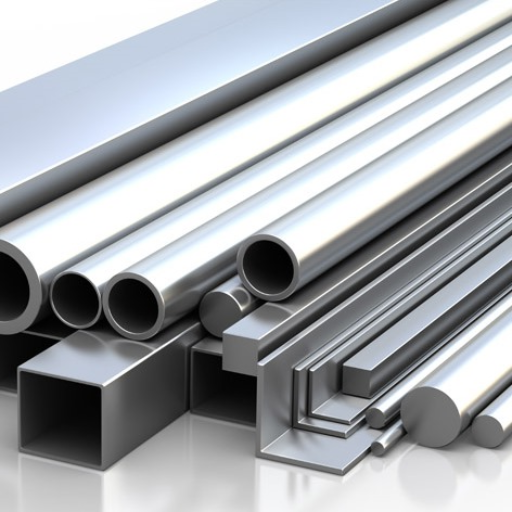
The stainless steels 304 and 304L are remarkable alloys used in a myriad of other fields apart from building and pharmaceuticals. Due to their good corrosion resistance, toughness and long service life, they are the materials of choice for many heavy duty applications. Yet, which differences are there between these two grades namely 316L and 316? Moreover, what makes them famous in different industries that people call demanding? This blog post looks at the peculiar properties and uses of these grades of stainless steel, their notable differences and factors explaining why, time after time, they are preferred as high-end products in numerous industries around the globe. If you are an engineer, a designer or someone who is simply inquisitive, the article will be informative in helping you to comprehend the amazing properties of 316 stainless steel, its alloys and their modifications.
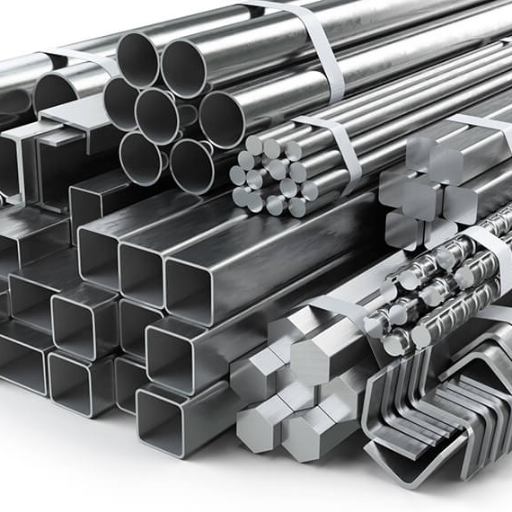
Corrosion-resistant grade steels are man-made alloy based on the iron, chromium and nickel. These steels are valued for very good mechanical and anti-corrosion properties that makes them applicable in many industry sectors. The addition of the chromium forms a passive film of chromium oxide on its surface, which protects the steel from being attacked. There is an extensive variety of stainless steel that can be accessed for all the different purposes constructions, healthcare, food and catering and sea, these are the uses they stand to generally serve and one of the reasons why they are preferable and cost-effective. They exist in many varieties of chemical structures and properties and these structures are purposely intended for a definite functioning use.
Stainless steel exists in a wide range of grades that are determined by the intended use and the working conditions. The most commonly employed grades include the following:
Dependent on its high-corrosive resistance properties and the fact that it is easy to fabricate, 304 finds many uses such as in the kitchen utensils, food-related activities as well as the manufacturing industry because of its strength and versatility.
Contains molybdenum which enhances its resistance to corrosion and pitting and thus is very suitable for use in the marine environment, chemical plants, and even in healthcare applications.
The poor corrosion resistance characteristics make it ideal for domestic articles, utensils, and articles for interior decoration. It is however more reasonable to use this type of stainless steel for non-corrosive applications than the 300-series type.
All of these grades, however, have their place in different applications, to make sure that the parts last as long as possible in their particular duties.
The material properties of an alloy are highly determined by its composition and determining them allows for the development of the materials into pure compounds or as alloys that are useful and applicable in different circumstances. Specific features of an alloy are brought out through the deliberate selection of elements for use and careful construction of its structure, where combinations can be achieved to perform certain functions like, improving strength, corrosion proofing or heat withstanding improvement. Chromium and nickel, for example, when combined in stainless steel, make the steel more resistant to corrosion and even help it maintain its shape in adverse conditions.
Industries now, especially those that have a direct relation to aeronautics and renewable energy, have reported an increased use of alloys that can withstand higher performance requirements. Demand for specially designed alloys also keeps rising, high performance applications, longer-lasting, and better performance materials are being developed using custom alloy compositions. Thus, it shows that complex materials invariably require alloys with specific compositions to fulfill the technologies or the industries’ needs, which continue to come and change in size and fashion.
304 and 316 stainless steel differ mainly in their corrosion resistance, chemical composition, cost, and mechanical properties.
Whether it is indoors or outdoors, 316 stainless steel is very popular for its ability to withstand corrosive environments more than alternatives, including salty sea water and chloride containing solutions, because of its molybdenum addition which provides extra help in sidestepping pitting corrosion that is provoked by crevices in some instances. It, albeit, more pricey than 304 stainless steel, technically, is slightly stronger and even more weldable, and so is beneficially used in many wet corrosion environments, hospital equipment or dry or specially, aggressive environments.
316 stainless steel and its variant 316L are essentially a form of iron alloy primarily comprising of chromium aznd a few other elements such as nickel and molybdenum. Looking at the general content value for each element, the following can be stated:
These styles differ just in the carbon content, which is lower in 316L, enhancing its antistheatres properties and making it better for welding as well as in extreme temperature applications.
In many engineering tasks, stainless steel (AISI 316) is used because of its structural strength and the peculiarities of the material. Most important among them are:
Given the high corrosion resistant characteristics especially in salty environments and in chloride containing solutions, 316 stainless steel is the most ideal material for industrial sheets, chemicals and architectural voids. Entrenching zones pose no threat to the stainless steel since high and cryogenic temperatures do not compromise the durability and reliability of the material.
Several physical properties of stainless steel 316 make it a versatile material for most applications where extreme conditions and clients’ requirements are present. It consists of about 8.0 g/cm³ as its density which also enhances its structural integrity. The alloy mechanical properties indicate: annealed structure is non-magnetic; ultimate tensile is 515 MPa and more and in alloys with the yield strength of 205 MPa stress fractures are solidly resisted.
In So far as the values of heat resistant stainless steel 316, the range of working temperatures can be extended. This steel is capable of being in temperatures up to 496°C continually without any deformation or damage on the material surface. For shorter times, it can touch temperatures of 821°C. It can further endure higher temperatures without decomposition of grains as the presence of molybdenum in the alloy confers better heat fatigue resistance and stops grain limit layers from carbides dissolving during the welding process.
Due to these aspects, 316 stainless steel is preferably applied to parts or assemblies where better heat resistance is required, such as components for furnaces, heat exchangers or even turbine blades. Its heat withstand ability and great strength guarantee that the product can endure under very severe operational and climatic conditions.
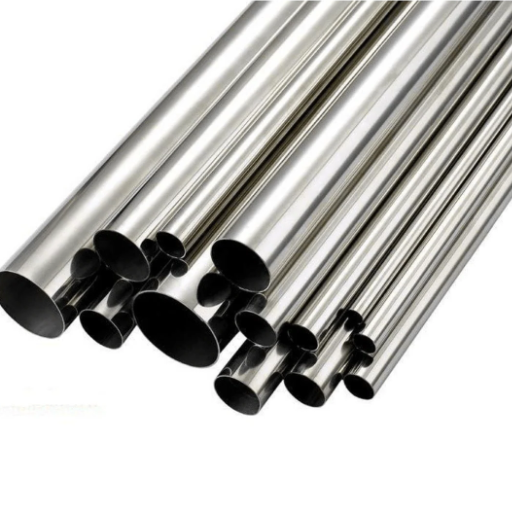
The presence of molybdenum in austenitic stainless steel makes 316 stainless steel more difficult to resist corrosion since it reduces the pitting and crevice corrosion that occurs in an otherwise difficult environment. Hence, such metal finds application in making equipment for use in the marine environment, chemical processing systems, and chlorides exposed environments. The chemical integrity of this steel and its resistance to oxidizing conditions ensure a long life under harsh conditions.
The chemical structure of the alloy and the ambient exposure conditions primarily affect the durable behavior of 316 stainless steel. Chromium, in particular, has contributed to this characteristic by forming a layer of oxide on the surface of the steel protecting it from further oxidization. Corrosion protective elements such as Ni or Mo ensure resistance to certain forms of corrosion such as pitting corrosion in the presence of chloride ions or stress corrosion cracking.
Temperature, moisture, and chemical aggressiveness of the environment can all affect the stainless steel’s behavior. In order to counteract the possible exposure to serious marine- type services, stainless steels that have high molybdenum content in them, such as 316 and 316L, will be used.
These factors, when considered collectively, would be instrumental in the choice of a particular composition of stainless steel for a given task in terms of its ability to work efficiently and for a long period of time.
304 and 316 stainless steels differ in corrosion resistance due to their composition, with 316 offering superior resistance to chlorides and harsh environments.
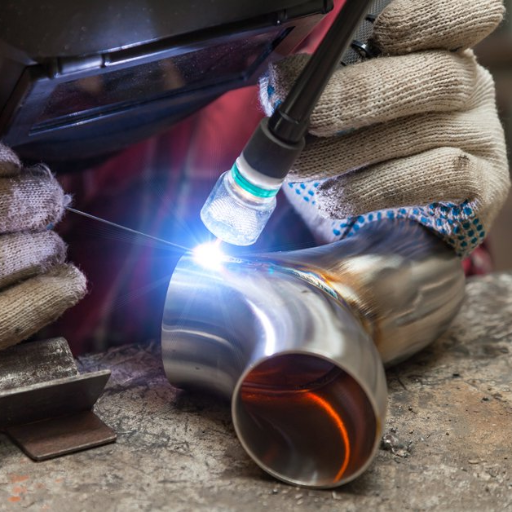
The 316 stainless steel is very hardy and appropriate for welding and fabrication units thanks to the material’s resistance to adverse weather conditions and high corrosion property. The material can be welded in electrode type without any air ingress that involves the use of TIG (Tungsten Inert Gas) and MIG (Metal Inert Gas) processes. But again, to avoid complications such as ‘carbide precipitation’, it is recommended to use low carbon grades such as 316L, especially where fabrication is likely to be done in a corrosive or high temperature environment. During post-weld operations, procedures such as complete annealing can be adopted to increase the final structure’s resistance to corrosion and other better excellent mechanical properties.
When welding 316 stainless steel and 316L, care must be taken to afford good welds because these metals have particular qualities that are employed. This is because 316L has a lower amount of carbon making it the material of choice especially when it comes to welding. This is because, carbide forming while welding usually causes Intergranular corrosion in the weld area which is minimized by this type of steel. Mostly used in 316 and 316 stainless steels can also be found primarily in other steel grades. Most of these steel grades are welded substantially using traditional techniques like TIG (Tungsten Inert Gas) and also MIG (Metal Inert Gas), due to their accuracy and conformance to control principles.
In order to fulfill the prerequisite of a properly performed weld with good penetration and conduction between the two surfaces to be welded, a filler rod of 316L or 316Si of the base metal equivalent should be taken for welding. These materials do not have to be preheated but the job must be on a contaminant and corrosion-free surface during assembly and equally be cut first for mechanical clamping to mitigate warping.
In the event you are anxious with post-process of retuning corrosion resistance particularly in 316 stainless steel, then post-weld such treatment of annealing and others often developers recommends. Such technical heat treatment is more important to be maintained for critical functions that require toughness in work among other conditions. All these and other advances in welding enable decorators to achieve wear-resistant joints in 316 as well as 316L stainless steel.
To beat out 316 stainless steel, one of the critical things to consider is its know thermal expansion action and work transformation. Care should be taken to avoid distortion of bulky parts during cutting or welding by providing proper fixture support and allowing heat. Machining operations benefit from using sharp tools with low feed speeds; the end product is of high accuracy, and wear of the tools is minimized. Apart from this pure working environments are advisable as they avoid any chances of contamination which hinders the corrosion resistance. It is advisable to clean up the material before handling and after manufacturing process where pickling or passivation may be employed in order to maintain the performance of the material. By addressing these issues fabricators will be able to increase the service life of 316 stainless steel and the products molded from it.
There are some after-welding measures that should be taken to maximize the integrity of 316 stainless steel. To begin with, the heat tint and oxides that appear after welding must be removed by either mechanical or pickling procedures. This results in the cleaning of the surface restoration of the corrosion resistance of the stainless steel. Passivation, in this case, meaning the augmentation of the material’s self-defense mechanisms, is a must to achieve long durability. It is possible to carry out stress-relieving during welding in order to prevent potential cracking through minimizing the residual strains for the most part. This allows the manufacturers to apply the treatments and protect the status, allowing all these features, of the material in harsh operating conditions, for a longer service.
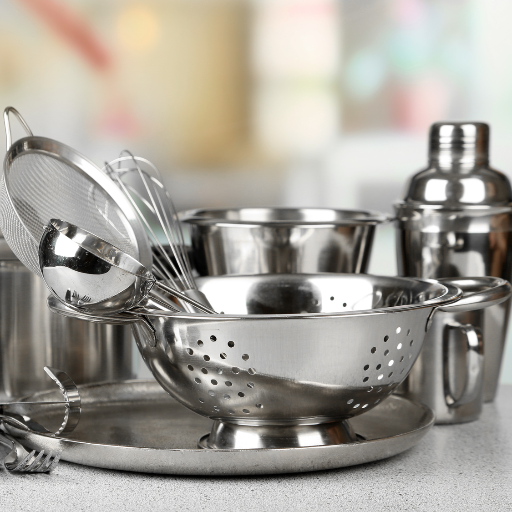
316 stainless steel finds major application in sectors with acute resistance to corrosion and high endurance. This is mostly the case in marine equipment, chemical processing plants, medical implants, and food processing industries, where there are aggressive environments and everyday use includes multiple disinfection. The material is also helpful in construction designs and drug machinery as it also offers hygienic clean properties and g rigidity.
Equipment such as fittings, bolts, and pipes are equipped with a type of steel, known as 316 stainless steel, as it does not turn into corroded due to water, especially sea water.
Found in tanks and heaters as well as its processing instruments as it chemically resists itself and can work at high temperature.
Popular when it comes to surgical instruments, implants, and medical devices because of its biocompatibility and hygienic features.
Found in food processing and packaging tools as it provides sanitation, as well as prevents the ware from getting damaged with any acidic or other harsh elements.
Often used in manufacturing and contact with the products and places that requires high purity levels and should not react with anything.
Medical devices also benefit from 316 stainless steel which provides the industry with several positive attributes. Besides, it is also an excellent material considered for the manufacture of instruments such as knives, dissectors and other tools as they can withstand extreme temperatures that come with VS sterilization methods like autoclaving, and used with hard disinfectants. For instance, this is done while making orthopedic devices which consist of screws, plates etc. because it is a material that does not react therefore the chances of experiencing hypersensitivity reactions is reduced. Moreover, 316 stainless steel is present when designing catheters, needles, even dental tools to work as desired and not fail, every time.
The importance of this concept in modern medicine is known to increase over time due to recent inventions and available research. As can be seen from the present practice of providing medical instruments, there is an increasing preference for less invasive surgical techniques. This sets in motion the need for tough materials resistant to wear and tear. 316 stainless steel fulfills these criteria as it effectively prevents disintegration and contamination of the essential elements in place during complex surgical interventions.
In general, the inclusion of these attributes of 316 stainless steel in the manufacture of medical gadgets in large quantities and in the provision of health care services in the world at large cannot be over emphasized.
There are numerous applications for 316 stainless steel in the chemical industry, primarily owing to its extraordinary resistance to corrosion, especially when exposed to harsh chemicals or high levels of chloride for a long duration. Its strength is efficient enough to be applied in storage tanks, pipelines and heat exchangers, which have to withstand harsh outdoors for quite some time. In addition, it serves its favorite purpose in such extreme industry processes in which extreme temperatures and chemical reactions take place without inhibiting its purpose. As a result of the durability of the material, the ease of maintenance in the case of chemical use is a great bonus.
Structure-Property Relationships of Corrosion and Mechanical Properties in Polymer-Coated Additively Manufactured Stainless Steel
Corrosion Study of Interstitially Hardened SS 316L in Simulated Light Water Reactor Conditions
Binder Jet Additive Manufacturing of Stainless Steel-Hydroxyapatite Bio-composite
Structural Biomaterials: Stainless Steels in Biomedical Applications
Class 316 stainless steel most of the times works better than 304 Stainless and 304 Stainless on account of the presence of molybdenum that gives him much more resistance toward the chloride and sea water environments in this matter. 304 and 316, which are two of the austenitic family have the mitre structure with nickel composition except 316 that has molybdenum in addition to this for some very special application such as the food machines or marine stainless and any job meeting with chloride media.
Due to its enhanced ability to withstand pitting as well as crevice corrosion even in saltwater and coast, 316 is very likely to be the choice for the grade to be utilized in Marine purposes. This is because 316 stainless steel is supplied as a molybdenum and an elevated nickel percentage unlike some other series stainless steels which makes it strong and resistant to corrosion capable of boat fittings, offshore hardware, and stainless steel components intended for marine environments.
316 belongs to the austenitic category which means that steel does not undergo any phase transformations upon cooling therefore the structure is face-centred cubic. The strength, plasticity, and impact function of this type of stainless steel are very high, because even very low temperatures do not present such challenges. More notably, it does not reinforce the 316 austenite annealed stainless steel which can be magnetized in the cold working.
Applied to not only information technology, but also to office administrators of any sort, a proficient bookkeeper brings accountability and a mastery of journal entries, financial statement preparation and reconciliation, and data entry sources, including bank accounts, customer invoices, collections management, and expenses. They produce reports about assets, liabilities, and equity as requested by management and regarding the expense.
Corrosion and wear resistance of materials may differ depending on the processing available, and 316 stainless steel may be stretched to higher that in its annealed condition. Hardening and strengthening of 316 stainless steel can be done through cold working. The downside is that cold forming tends to increase an alloy’s magnetic properties and alter its corrosion resistance and therefore; it is followed by stress annealing to recover tangential austenitic properties.