

Supportive, Professional, Client-Focused Service
From prototypes to full-scale production, we’ve got you covered.


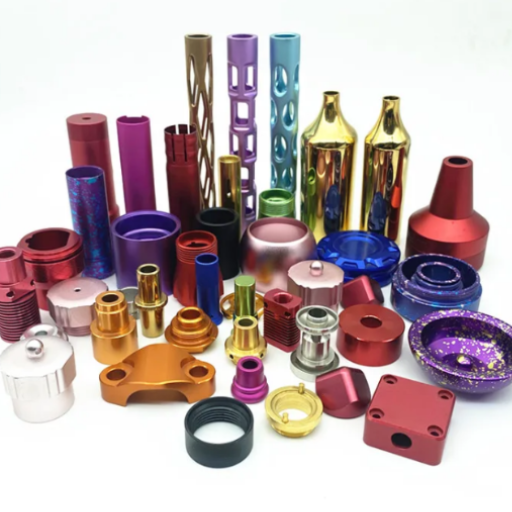
When it comes to aluminum finishing, the two most commonly used methods that come to mind are powder coating and anodizing. However, both methods have their own advantages, and the selection of the appropriate one can greatly affect the longevity, attractiveness, and functionality of your aluminum items. But, which one is better for your requirements? The article presented here analyzes the primary differences between powder coating and anodizing by comparing their pros, cons, and ideal applications. No matter if you are working on a large-scale project, a small do-it-yourself task, or just trying to get a better grasp of the available options in aluminum finishing, this guide will support your decision-making process. Keep reading to find out which one turns out to be the best for aluminum finishes.

Powder coating is a process that provides a durable finish to a surface by applying a powder made of either polyester, epoxy, or a mixture of different resin types. Unlike the conventional liquid paint method, powder coating is first applied in the form of powder and then it is cured under heat resulting in a smooth and hard finish. Thus, the whole procedure not only guarantees reliable application but also lessens the possibility of runs, drips, or uneven layers.
How It Works: The powder is applied through an electrostatic spray method where the positively charged powder particles stick to the negatively charged surface. After the application of the powder, the item is put in the curing oven where the high temperature causes the powder to melt and hence a uniform layer is formed. This curing process creates a chemical bond between the coating and the surface which in turn gives excellent protection against corrosion, scratches, and fading.
Powder coating has been a common practice in different industries for both decorative and functional purposes. It is the best option in cases where a finish with extended durability is required like taking in outdoor furniture, automotive parts, and architectural buildings etc. The fact that it does not pollute the environment because powder coating does not contain any solvents or harmful chemicals has also greatly contributed to its acceptance and popularity among professionals and manufacturers.
Anodizing is an electrochemical procedure that significantly improves the natural oxide layer of metals, mainly aluminum, up to about 0.5mm. The process not only strengthens the metal but also enhances its corrosion resistance and makes it possible to apply decorative coatings. Anodizing gifts the metal with its tougher nature together with the durability of its looks over the years, thus becoming widely accepted in various industries such as aerospace and architecture.
The Process: The metal is first dipped into an acid electrolyte solution and then an electric current is applied to it. This process facilitates the fusion of oxygen ions with the metal’s surface thus resulting in the formation of a thicker and denser oxide layer. The oxide layer created is now harder, more resistant to wear, and better protected against the attack from environmental factors such as moisture and UV rays.
The below-anodic finishes can be easily colored with dyes to get different shades while the durability is still intact. As anodizing is practically a metal transformation, the so-called protective surface does not develop any imperfections that are common in the case of traditional coatings. The amalgamation of beauty, practicality, and everlasting protection turns anodizing into an economically viable and commonly preferred solution in varied applications.
Aluminum finishes are numerous and they are able to cater to the entire range of applications and their corresponding functional and aesthetic needs. The finish not only highlights the aluminum’s natural features, like the excellent resistance to corrosion and wear but also lets it look better. The choice of the finish depends on the use that is intended, environmental conditions and aesthetics in the same order of importance.
Anodizing is one of the most widely used finishing techniques which not only covers the metal surface with a highly durable oxide layer by oxidizing the aluminum but also allows the material to be dyed in various colors. The finished product is thus coated with a layer that is not only scratch-resistant but also chip and peel-proof, which makes it very suitable for both indoor and outdoor usage.
Among other finishes are mechanical works like polishing and brushing, covering up to smoothness and shine of the surface, and chemical ones, such as etching or brightening, that change the texture and reflectivity of the surface. Moreover, there are painting and powder coating done primarily for the purpose of getting the right color or for the decorative effect when the applications demand it most. The different finishes grant the manufacturers and designers of aluminum the liberty to customize it according to the particular aesthetic and functional needs.
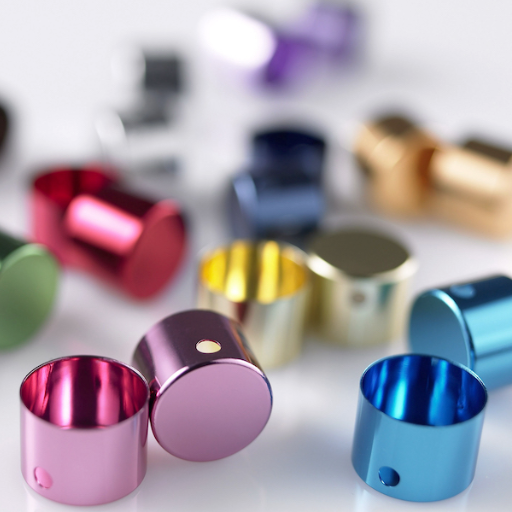
Powder coating provides a multitude of advantages which is why it is not surprising that it is one of the materials’ polishing methods of choice over the others. Primarily, it delivers a tough and resilient finish that lasts for a long time. The process results in a coating that is tough against chipping, scratching, and corrosion, thus keeping the substrate in perfect condition even in hard environments.
Another important reason why powder coating is considered a good process is its green nature. Powder coatings, unlike regular liquid paints, do not need solvents and hence emit very few volatile organic compounds (VOCs) into the atmosphere. This aspect of powder coatings makes them an environmentally friendly and more sustainable option although their performance and quality of outputs are still high.
Anodizing offers outstanding durability and resistance to corrosion, making it the first choice for the protection of metal surfaces, especially aluminum. The process not only produces a thick oxide layer that is chemically attached to the metal but also ensures that the oxide layer is very hard, thus wear and tear resistant. This property allows the products to endure environmental conditions like humidity, UV light, and temperature fluctuations, thereby extending their life significantly.
To anodize is another great advantage as it not only preserves the natural metallic look of the material but also provides a wide range of possibilities for aesthetic purposes. The anodized layer can be colored in many different shades, giving designers the freedom to choose colors without losing the metal’s texture. Furthermore, this finish does not scratch or chip like paint or coating, thus the quality of appearance remains high over the years.
In deciding which option is better when it comes to powder coating versus anodizing aluminum, one has to mainly consider the intended application and the desired properties. In terms of resistance to wear and tear and climate, anodizing is first and foremost. The anodized layer fully penetrates the metal, thus it becomes extremely resistant to corrosion, scratching, and discoloration even after a long period of use. This method is particularly advantageous for outdoor use where the metal will be exposed to extreme weather conditions.
On the contrary, powder coating gives considerable choice in the colors and finishes applied. It also forms a thick, protective layer that can resist chipping and scratching. Nonetheless, powder coatings tend to be less resistant to UV degradation over time than anodizing. Powder is mostly used indoors or in applications where a wide aesthetic range is required.
Bottom Line: The choice between these two methods should depend on the functional requirements of the project. For the aluminum that needs to be very strong and resistant to the elements, anodizing is usually the best option. But if bright colors and creative design are the main things to consider, then powder coating is the better choice.

Powder coating has several limitations that must be considered while selecting a coating method for aluminum. One of the most significant disadvantages is its susceptibility to physical damage. The surfaces with powder coating can get chipped or scratched when impacted, which could lead to the bare aluminum being exposed and its corrosion resistance being compromised. It is thus less appropriate for use in very difficult and demanding places or in areas where the coated material is subject to constant wear and tear.
Another major drawback is that it is not very resistant to UV radiation when compared to other coatings. Indeed, powder-coated finishes may fade or take on a discolored appearance after being in the sun for a long time. Even though some types of powder coating can withstand UV damage to some extent, they still may not provide the outdoor longevity that anodized finishes are famous for.
Anodizing is a process that makes metal surfaces more resistant to corrosion, but it has some drawbacks as well. One of the biggest problems is the small selection of colors that anodizing offers. The method is mainly a good fit for colors such as silver, bronze, and black which can limit the design flexibility of the projects that need bright or different hues. Moreover, the aesthetic of anodized surfaces may change because of discrepancies in the aluminum alloy’s composition which may also affect the overall look.
Besides, anodizing has disadvantages when it comes to being affected by acidic or alkaline environments. Anodized layers are strong yet can be degraded if they come in contact with harsh chemicals or certain cleaning agents for long periods. Therefore, it will not be a good choice for applications in industries where regular contact with such substances is expected. In addition, anodizing does not cover aluminum surface imperfections. It is a fact that any scratches or uneven textures existing on the base material will still be visible once the process is complete, which may require further preparation.
In making a comparison between the powder coating and anodizing processes for aluminum, it is imperative to take into account a number of factors. Anodizing is regarded as a better method in terms of cost, as it offers the best corrosion resistance, especially for outdoor use. In spite of that, the initial future investment for anodizing may be higher because of the requirement for specially designed apparatus and technology.
Conversely, the powder coating process comes with slightly higher costs when it comes to materials because the process incorporates the use of dry powder, which is then subjected to heating for curing. Nevertheless, the procedure can be completed in a shorter time and it offers many choices of colors and textures, so the slight increase in cost might be justified by the project’s requirements.
Cost Decision Guide: The selection of one or the other process for aluminum will depend on the cost, durability, and aesthetics. Anodizing would be the choice for projects with tight budgets and long-lasting durability needs, while powder coating might be the option for those emphasizing bright finishes and less severe environments.

In assessing the durability of powder coating against anodizing for aluminum, one must at least one of the first factors to be resistance to scratches, UV effects, and corrosion.
Anodizing guarantees a high level of scratch resistance because of the coated surface. The process of anodizing results in the formation of a layer that completely merges with the aluminum substrate and thus has a lower chance of chipping or peeling than coatings that are simply applied on top of the metal. Therefore, anodizing is the right choice if the application area is to witness heavy usage or abrasion.
In the case of UV resistance, anodizing usually performs better. The process imparts a stable finishing that is less prone to degrading or fading even if the sun keeps shining on it for a long time. The powder coating, on the other hand, can also reach a very high level of UV resistance with the right formulation, but the long-term performance and stability in sunlight will usually be less than that of anodized aluminum.
During an assessment of the cost-effectiveness of powder coating as compared to anodizing for aluminum, one should take into account not only the initial setup costs but also the long-term value each finishing option delivers.
Generally speaking, powder coating has lower initial costs as a result of its simple application process and the low-cost equipment. Conversely, anodizing involves more complicated processes and necessitates the use of specialized machines thus resulting in higher initial costs.
Value Consideration: In the end, the project’s priorities dictate which option is the “better” one. Powder coating may be the choice if savings in cost and a wide range of colors for the finishing are the main considerations. On the other hand, anodizing may be perceived as a cost-effective solution in the not-so-distant future if the application requires a super durable and resistant finish against extreme conditions.
Aluminum finishing techniques have different applications depending on their properties and the surrounding conditions. Both powder coating and anodizing are extensive industrial applications.
Powder coating is the preferred finish in architecture, automotive, and furniture manufacturing, where a variety of colors and textures along with coatings are highly appreciated. Its feature of protecting aluminum against corrosion and simultaneously giving it an aesthetic appearance has made it widely used for both indoor and outdoor purposes.
On the other hand, anodizing is a technique used when surfaces that have to be very hardy and tough resistant are needed in the aerospace, marine, and electronics industries. It provides the aluminum with the natural oxide layer plus the layer, which means the protection against wear and tear, environmental factors, and high temperatures is exceptional.

Powder coating is a process that is very often seen as a green finisher for metals, one of which is aluminum. The process of powder coating is completely free of solvents, unlike liquid painting which needs solvents. As a result, there is no significant emission of VOCs (volatile organic compounds) into the air. This in turn has a very positive impact on the air quality and makes the operations cleaner. Also, the excess powder is very often collected and reused which results in negligible material waste.
The energy efficiency of powder coating is another environmental benefit. The curing process of powder-coated items usually takes place at a lower oven temperature and with a shorter time than other methods. This means less energy consumption and less carbon footprint at the same time. Furthermore, the latest powder coating systems are built with energy efficiency in mind not just during the application but also during curing.
Anodizing is one such process that fortifies and develops the natural oxide layer of aluminum, thus, it adds stability and protection from corrosion. However, its ecological footprint is primarily determined by the nature of the mobile and the chemicals used in the process. Anodizing necessitates the use of acids, e.g., chromic or sulfuric acid, which, if not taken care of properly, could cause pollution in the form of waste disposal. A large number of manufacturers have introduced strict waste treatment systems to significantly reduce these risks. Furthermore, whereas some conventional coatings create organic pollutants, anodizing does not produce any volatile organic compounds (VOCs), thus making it a cleaner option.
Energy consumption is another notable aspect in the anodizing consideration list. The process entails using a large amount of electricity that formalizes the electrochemical reactions, and the energy source choice decides the ecological effect. The facilities that run entirely on renewable energy present a greener footprint. Water usage is another factor that cannot be ignored, but with the existence of recycling systems the amount consumed can be greatly reduced.
Still, one should not forget that anodizing brings along one more favorable environmental aspect—its ability to improve recyclability. The process does not include adding more materials, thus, the aluminum since it has been anodized can be recycled easily without having to remove the coating unlike in the case of some alternatives. Owing to this fact, anodizing is a truly sustainable solution provided that the adoption of energy-efficient practices is prioritized.
Environmental Winner: In most cases, anodizing would be the best for aluminum when environmental impact is a priority, but in some applications and with some demands, powder coating would be the best choice.
The anodizing process creates an exceptionally robust and resistant-to-corrosion oxide layer that becomes a part of the aluminum surface. This makes it the best choice for any outdoor application or any weathering environment, as it will not fade, scratch, or get damaged by UV radiation. Moreover, anodizing not only offers great environmental advantages but it is also a very eco-friendly process as it does not involve the use of organic solvents or the generation of toxic fumes.
Powder coating, however, provides a more extensive color palette and a variety of finishes, which makes it more attractive for decorative purposes. The polymer overlay on the aluminum surface gives a powder coating resistance to both chipping and cracking while providing a non-degrading kind of protection. In contrast, powder coating may be less resistant to environmental wear and tear over the years compared to anodizing especially under prolonged UV exposure which causes fading.
To sum up, it would be anodizing in terms of areas requiring durability, recyclability and eco-friendliness, while powder coating could be the choice of the environment where aesthetics or specific color preferences matter the most. The choice should be made according to the functional and visual needs of the application as each method has its own distinct advantages.
The main distinction is that powder coating is an organic coating method, where liquid is applied as a fine powder and then baked to provide a wide range of colors and a good finish, while anodizing is a procedure where an electric current is passed through the aluminum, creating an oxide layer around it which has great strength and resistance to corrosion. The selection of one process over the other will be based on criteria such as the final aesthetic, roughness, corrosion and chemical resistance, and the particular product made of aluminum or an aluminum extrusion process.
The anodized coating process consists of putting the aluminum component in an electrolytic bath where one can say that anodizing is an electrochemical process durably that it builds an oxide layer on the surface of aluminum and aluminum alloys. The oxide layer acts as a barrier to the base metal, thus improving its corrosion resistance properties and allowing it to be painted, thereby making anodizing suitable for architectural applications where integration and wear resistance are considerations.
Powder coating is very advantageous due to the following: the level of attractiveness, the large variety of color offerings, and durability along with the strength of protective coating performance. Powder coating is a dry finishing process that starts with the spraying of a fine powder that adheres electrostatically to the base metal and is cured afterwards to form a hard organic coating. Impact and wear resistance of powder coating is superior to that of many liquid coating options and is therefore the choice for metal products and aluminum extrusions where a wide color spectrum and a strong coating applied to intricate shapes are needed.
When it comes to architectural applications, the finish to be used is determined by the exposure and the expected aesthetics: anodizing provides a long-lasting corrosion-resistant oxide coating with great chemical resistance and a slight metallic appearance that merges with the metal, whereas, powder coating gives thicker protective layers and an attractive finish that can be in sync with design requirements. Anodizing is the choice for areas with high traffic and long-lasting durability, while powder coating is chosen when specific colors or performance similar to that of PVDF coating is desired.
Anodized aluminum has a layer of aluminum oxide that directly protects the base metal and also gives the aluminum very strong anti-corrosion properties. Moreover, the oxide layer is particularly effective when aluminum is used in marine or other harsh environments. Powder coating being an organic layer does provide similar protection as far as corrosion and chemical exposure is concerned. However, the resistance to chemicals of the powder coating is usually determined by both the chemistry of the powder and its thickness. In a few cases, specialty powder coatings and PVDF coating alternatives do improve chemical resistance, but when it comes to direct base metal protection, the coating produced by anodizing is often regarded superior.
Generally, anodizing and powder coating are applied one after another, but there are some instances where the combination will be a good solution: first, the oxide coating from anodizing can be solid protection for the base metal and then a powder coating can be applied to make the parts colorful and provide extra protection. On the other hand, the merger of processes will mean cost increase and the need for conducting compatible surface preparation; in most cases, either anodizing is best for wear resistance and integration with the metal or powder coating is selected for color and thicker protective coating needs.
The classification of anodizing types includes sulfuric, chromic, hardcoat (Type II/III), and decorative anodizing. Sulfuric anodizing is usual for decorative and architectural purposes, chromic for thin, functional coatings, and hardcoat anodizing provides superlative wear resistance and thicker oxide layers for demanding industrial uses. Each kind produces a different oxide coating thickness and hardness which in turn affects the resistance to corrosion, abrasion, and the suitability of the aluminum product for specific uses.
For powder coating, the procedure consists of a combination of pretreatment and a powder that sticks electrostatically to the pre-prepared surface, after that it is cured to generate a tough organic coating. Powder has good adherence to the properly cleaned and etched aluminum surface. For anodizing, surface preparation is crucial as any imperfections will remain visible, and the oxide layer is formed through the electrochemical process, creating an integral bond with the base metal.