

Supportive, Professional, Client-Focused Service
From prototypes to full-scale production, we’ve got you covered.



Precision and dexterity are crucial to achieving optimal outcomes while working with aluminum. Aluminum, because of its properties of lightness and adaptability, is employed in numerous industrial applications such as automotive, aerospace, construction, and more. Drilling and tapping of aluminum present some unique challenges that should come with a good deal of foresight and flawless operation.
This comprehensive guide benefits professionals and enthusiasts alike, covering successful drilling practices, threading stability, tool selection, and common pitfalls to avoid. Whether you’re working on design improvements, assembly constraints, or seeking to eliminate surface marring and intensify part life, you’ll find essential hacks, tools, tricks, and advice to master aluminum machining.

Drilling and tapping operations must be performed in aluminum in order to obtain screw/bolt/pressure device-based thread holes. Aluminum, being very good for these purposes, is extensively employed throughout in domains such as architecture, automotive, and electronics for its lower density, corrosion resistance, and good machining properties. Skillful drilling and tapping ensure strong joints which breathe life into the metal components and make them durable and highly efficient.
Aluminum offers a set of unique traits that significantly influence drilling operations. Its combination of being light in weight and having a high-strength-to-weight ratio makes aluminum a preferred material in various applications like aerospace, automotive, and construction. These characteristics assist in the machining and handling processes while still having the structure intact for the given components. The additional positive effect of aluminum is that it is highly resistant to corrosion, thus improving the longevity of parts and also reducing maintenance requirements.
💡 Pro Tip: Use special coatings or lubricants to cushion friction and achieve better drill finish quality. Understanding these unique properties gives manufacturers an opportunity to optimize the drilling process for greater speed, precision, and overall product quality.
Drilled and tapped holes are an essential part of almost any industrial and mechanical service. They are principally used to make the connection secure and allow assembly of parts of the device or structure with screws, bolts, or other fasteners. This process can enhance the stability and durability of the equipment and structures, thus making it essential for the automotive, aerospace, and construction industries.
Used for lining up and holding parts in correct locations. Holes machined with allowance for threaded fasteners enable easy disassembly, repair, and component replacement.
Requires specified diametric holes and threaded holes to meet specific design requirements, from consumer electronics to industrial tools.
Essential for upholding structural integrity and satisfying complex engineering needs across all industries and applications.

Using relevant cutting tools to treat aluminum appropriately is essential to achieve precise and effective functionality. The primary types of cutting tools include drill bits, taps, and reamers; each serves an individual purpose in machining.
Used to make the initial holes in an aluminum piece. Available choices include:
Available in many measurements and geometries for good hole position control and dimension accuracy.
Cutting tools used to cut internal threads in pre-drilled holes. Recommended types for aluminum:
Used to enlarge or finish holes after drilling to improve the precision of dimensions and enhance the smooth finish of inside surfaces. Essential for achieving tight tolerances and superior surface quality.
🎯 Key Takeaway: Making the right choice of cutting tool can increasingly improve efficiency, extend tool life, and deliver better grade work quality.
When choosing the proper drill and tap for a specific job, it is critical to consider the type of material and the specific needs to fulfill the task at hand. Different materials, like steel, aluminum, plastic, etc., will probably require different tools—drills and taps—for best performance.
☑ Material Selection: Aluminum works well with high-speed steel; harder materials require cobalt or carbide for durability and precision
☑ Thread Types & Sizes: Tap size determines drill size requirements for adequate threading
☑ Drill Bit Sizing: Ensure drill bit creates hole smaller than required diameter for threading so tap can cut accurate, clean threads with minimal wear
☑ Surface Quality: Use standard chart for thread and tap size to pair drill size correctly
☑ Special Tools: Consider reamers after drilling for critical internal surface quality
Choose tools with chip removal capability and minimal friction to boost life and work quality.
The drill press and spindle together are the heart and soul of precision manufacturing. With the strong base, the drill press provides the much-needed stability to drill holes precisely over different materials. The machines are built following decades-old techniques resulting in speed and feed adjustments that particularly use rotation. This allows users to hop around materials and operations, minimizing inefficiencies.
Working together, the drill press and the internal spindle ensure unmatched precision and reliability above anything handheld tools can achieve. The design is created in a way that needs less supervision; thereby error probability goes down, and materials are saved. Understanding how these important parts function and how significant they are for machining processes helps achieve results of a high order in woodworking, metal, or any other material.

Aluminum drilling requires careful preparation and the right methods to ensure that your holes turn out clean and precise. Follow these steps:
Start by assessing the hardness of the aluminum and selecting appropriate drill sets, such as those made of high-speed steel. Secure the aluminum piece in a vice or clamp, ensuring there is no movement during the drilling process. Mark the drilling spots with a center punch to create a depression that prevents the bit from sliding.
The drill rate for aluminum needs to be moderate compared to other metals. Slower speeds prevent overheating of the metal. Fast drilling can bend the material or blunt the drill bit, compromising the quality of your work.
Apply a thin layer of lubricant or cutting fluid to the aluminum surface or drill bit. This process is necessary to limit heat production and make the drill bit cut more effectively. Drilling without lubrication may result in rough edges or damage to the aluminum.
Apply evenly firm pressure against the material while drilling. Never press too heavily; this action may cause cracking or surface damage. Decrease pressure as soon as the drill bit goes through the aluminum to avoid creating a sharp edge on the reverse side.
✅ Success Factor: Following these steps precisely will produce clean and smooth holes in aluminum. The ultimate results depend on proper lubrication, speed control, and maintaining steady pressure throughout the process.
Choose drill bits designed for your specific material (e.g., HSS for aluminum). Ensure all tools are sharp and defect-free to avoid rough edges or inconsistencies. Firmly clamp your workpiece using a clamp or vice to prevent movement during the process.
Drill at slower speeds with aluminum to lower the risk of overheating. Apply lubrication continuously to enhance smoothness and remove friction. This reduces tool wear and ensures a smoother finish.
After drilling, verify that holes have no burrs or rough edges. Use fine-grit tools or sandpaper to smooth and level edges for proper finishing. A properly finished edge contributes to overall excellence and safety.
Aluminum drilling is a careful and highly accurate operation. Avoiding these common errors can help ensure positive results:
Aluminum is a soft material, requiring a drill bit meant for metals or soft materials. A drill bit intended for the wrong purpose may not provide a good cut or may generate high heat leading to distortion.
Pressing hard on the drill can generate overheating which can shorten or break the drill point. Instead, apply medium pressure and take extended rest breaks to let the drill do most of the work. Pause occasionally to allow both material and drill bit to cool, reducing heat buildup and preventing damage.
Lubrication is essential for extensive aluminum drilling as it helps reduce friction and heat. Without it, expect rough edges or excessive drill bit clogging. Light application of cutting oil on the drill site makes drilling very smooth and minimizes machine wear.
💡 Remember: By avoiding these mistakes, aluminum will offer a professional-cut shine with optimal results every time.
1
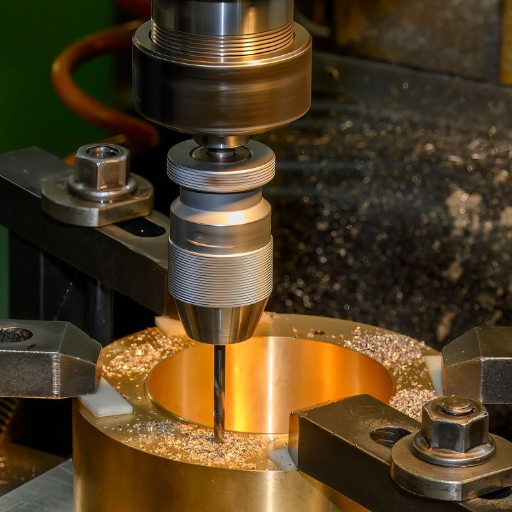
Select a tap and drill bit designed for soft metals. Because aluminum is softer, a tap with sharp and smooth threading is critical to create neat and precise threads. Consult a tap-drill size chart to determine which drill size to choose for your threading project.
2
Clamp or secure the aluminum to prevent slippage when drilling a straight hole. Apply cutting oil to help the drill cut smoothly, minimizing friction and heat. Drill consistently to create a straight hole. Do not exert undue pressure to avoid damaging the material or drill bit. Finally, remove any debris.
3
Hold the tap in a tap handle so it’s perpendicular to the hole for accurate threading. Apply cutting oil to the cutting portion of the tap and push it into the hole. Rotate it a quarter to a half turn to the right while pushing down slightly, then lean back slightly counterclockwise to clear and free chips. Continue until you reach the desired depth. Be sure not to over-torque to prevent tap breakage. This ensures neat threads on aluminum with minimum tool wear and lasting results.
Threads play a crucial role in tapping operations since they act as the grooves or helical ridges that enable bolts and screws to be securely fastened against a material, providing grip or holding power to ensure firm fixing of components. Ingenious threads are absolute guarantors of integrity and service of mechanical assemblies, especially in applications where accuracy and sturdiness are key.
Proper threads ensure tight fastening and solid connections between components
Threads distribute force evenly throughout the fastener, preventing stress concentration
Quality threads extend the life of assemblies and prevent part breakage under load
Misaligned or imperfectly cut threads serve poorly to ensure a solid connection and may cause potential breaking of parts upon load application. Having a tap properly aligned and good technique during the tapping process contributes to clean, reliable threads. The tap should be inspected regularly and adequately lubricated to prolong its life and ensure the best thread results.
Galling occurs when rough surfaces rub against each other, generating heat that causes cold welding. This raises costs and the part may no longer work efficiently. To prevent galling during the tapping process:
Ensure proper material pairing—put two materials in contact, one hard and one soft, for a smooth process path. Avoid materials with higher friction rates like common metals that are bare or die plated and capable of sticking.
Lubrication is mandatory to lower friction rates and decrease galling chances. Use high-quality lubricants made for threading work. Threading lubricants serve as boundaries when applied properly on surfaces. Ensure lubrication is present at every necessary surface and maintain good lubrication throughout the tapping process.
Keep tool bits razor sharp, clean, free from damage, and free from loose metal shavings. Poorly shaped or worn cutting tools increase the risk of sticking. Inspect tools frequently for wear and replace when necessary. Maintain proper speeds, feed rates, and depths of cut to run smoother and cleaner while cutting down on heat and friction, preserving screw thread integrity and life.
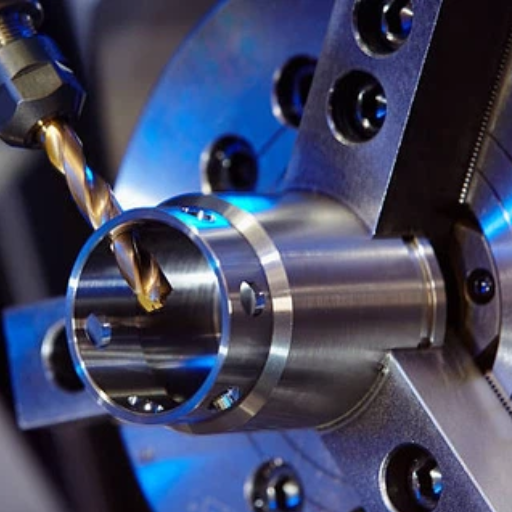
Aluminum creates long, stringy chips that can easily clog tools during machining, potentially spoiling finishes and leading to breakage.
Solution: Flush with coolant or cutting oil to reduce drag and wipe chips away. Use tools with greater flute space designed for aluminum.
Being light and relatively soft, aluminum can vibrate or slide during machining, leading to errors.
Solution: Secure aluminum properly using good clamping. Use fixtures or vises for thin works or complex shapes to reduce vibrations and improve accuracy.
Aluminum threads tend to stick to cutting tools, potentially causing damage to dies or taps if not set up properly.
Solution: Apply proper lubrication and maintain sharp taps or drills. Tap at slower speeds to enhance accuracy and preserve thread integrity.
For drilling and tapping in an aluminum setup, well-thought-out practices involve:
Use proper cutting fluid while working in aluminum to prevent wear, decrease friction, minimize heat build-up, and prevent pinning and snapping of threads or seizing. Don’t skimp on applying lubricant to ensure tooling and workpiece remain protected.
Maintain drills, taps, and cutting tools properly. Dull tools produce poor thread quality and run higher risk of breaking. Regular maintenance and replacing worn tools help retain precision and smooth cutting. Consider carbide or coated tools for aluminum as they stay sharp longer.
Permit aluminum tapping or drilling at moderate revolutions per minute to ensure greater control and lesser possibility of thread damage. Correct feed rates per material numbers to maximize material removal rates. Make adjustments gradually to rectify drilling and tapping problems.
Handling blind holes in aluminum requires precision and attention to detail. Here’s how to achieve desired results:
Choose high-quality tools—sharp drills and taps built explicitly for aluminum. Such tools diminish risks of chipping and damaging threads. Ensure tools provide lubricating fluids to prevent heat, which can weaken material integrity.
Run the drill at consistent speed to maintain depth and diameter consistency. Ensure the drill bit starts and stays in alignment before cutting to prevent inconsistent threading or hole wall distortion. Tap slowly, taking the tap out periodically to let chips collapse. This constant cleaning ensures correct threads. Use stops and depth gauges for accurate depth control, especially with thin materials.
Remember to clean the hole thoroughly after drilling and tapping. Aluminum particles left behind could damage threads or hinder fastener location. Use a soft-bristle brush or compressed air blow-off to clean away residual material. Keep these practices up to handle blind holes sensibly while maintaining accuracy and quality.
A: Generally speaking, aluminum drilling and tapping are done with higher rpm, lighter feeds and speeds, and different drill bits and taps. Aluminum’s softness and stickiness require the use of special taps that are sharp and have a split point or spiral point to get chips out of the hole and prevent galling. A pilot hole (tap drill) must be properly sized for the selected TPI and tap type, and tapping fluid or TapMagic can be applied to lessen friction. Do not use slow speeds and heavy feed that could deform the material; high speeds and light pressure are usually better, particularly with 6061 or 6061-T6.
A: The right tap drill size is determined by the tap TPI and whether you are using form taps or cutting taps. For standard thread taps, either use the chart or compute: tap drill = major diameter – (pitch). For instance, for aluminum you may pre-drill a pilot hole followed by stepping up to the final tap drill. If you have to drill and tap thousands of holes in CNC or a tapmatic setup, program the exact drill and tap sizes and include spot drill or pilot drill operations to maintain alignment.
A: A cordless drill is acceptable for aluminum drilling only; however, for threading, cordless drills should never be used since they lack torque control and reverse precision. Tapping should be done with a hand tap for small occasional jobs using a tap wrench and breaking the tap chips frequently by turning the tap back a quarter turn. For production work, a tapping head, spiral tap in a tapmatic, or CNC tapping cycle should be utilized to control feed and to avoid tap breakage. A tap should be installed gradually—never force it.
A: When drilling and tapping, light cutting oils, soluble oils, and dedicated tapping fluids such as TapMagic are the ones that will help avoid gumming up and galling. Aluminum can take advantage of lubricants that lessen friction without causing the chip to weld itself; some tapmakers even recommend specific products for 6061 and 6061-T6. Do not use heavy sticky grease that could end up trapping chips; a soft spray or brush-on tapping fluid is often all that is needed.
A: Spiral point taps (also called gun taps) and spiral flute taps do a great job on through holes in aluminum because they push chips forward or pull them out of the hole. For blind holes, spiral flute taps pull chips out and lessen chip packing. Form taps can make stronger threads in ductile aluminum without chips but they need large torque and precise pre-drill sizes and are best used on soft aluminum grades with correct pre-drill and tooling.
A: High speeds and moderate feeds should be used for aluminum drilling and tapping. For drilling 6061 aluminum, start with a higher rpm (several thousand rpm depending on diameter) and feed to maintain chip load; use a split point or TiN/tin-coated drill for cleaner entry. For CNC tapping, use rigid tapping or synchronized spindle feed at the correct feed per revolution for the tap’s pitch. If using a drill press, secure the work and use a tap guide or spot drill and turn the tap carefully to avoid walking. Always consult tool maker charts (Guhring, Procunier) for exact feeds and speeds for your shank and tool geometry.
A: To stop a tap from breaking, pre-drill accurately, use the right tap type (spiral point or spiral flute), apply tapping fluid, and often reverse the tap to split chips into small pieces. Use a spot drill and pilot hole to steer the tap, make sure the work is held rigidly, and do not apply more than necessary torque. For long production runs, tapping heads or tapmatic units can be used to control depth and torque, and taps with proper flute geometry can be selected to deal with chips from the hole and prevent chip packing.