

Supportive, Professional, Client-Focused Service
From prototypes to full-scale production, we’ve got you covered.


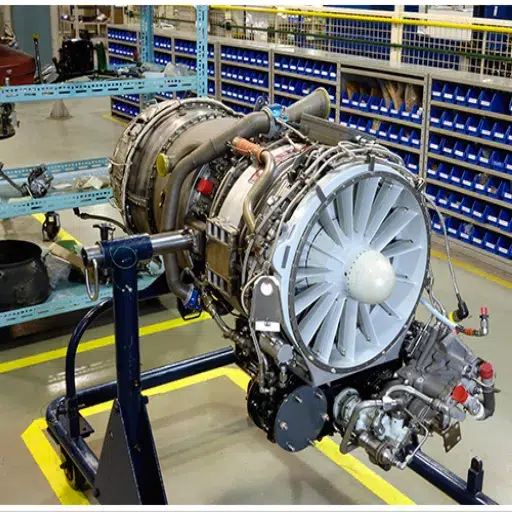
The aerospace industry never stops looking for new ideas and innovations to technology, and always the conditions to be operated are accurate, trustworthy, and productive. The main reason for this technological advancement is CNC machining for the aerospace industry which is an up-to-date manufacturing method capable of producing high-quality parts for various applications such as huge commercial airliners to space shuttles of the future. The article will explore the pivotal position of CNC machining in the aerospace industry by revealing its ability to provide the highest degree of accuracy, its contribution to speedier production, and its alignment with the sector’s stringent safety norms. Be it an engineer, aviation lover, or merely one who wonders about the methods that keep the modern aerospace industry high up in the sky, this guide will walk you through the world of aerospace CNC machining which is ruled by precision, and you will acquire useful knowledge.
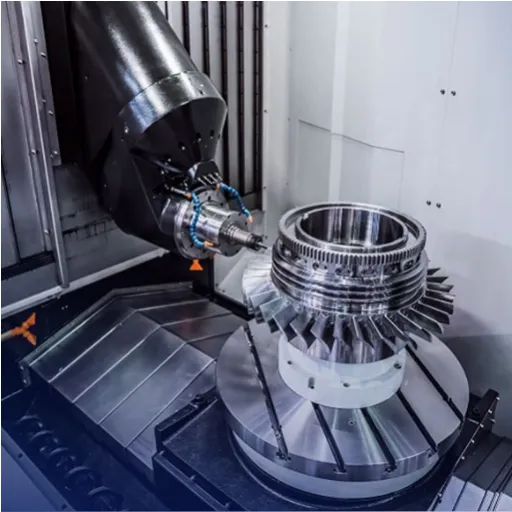
CNC machining is a process of manufacturing that involves the control and movement of different machines and tools that have been pre-programmed with computer software. It means that the parts are being produced with extreme precision through the technique of cutting, drilling, milling, and other similar ways to remove the workpiece’s material. The accuracy and the repeatability of the CNC process are very high, and they apply even to the most complex shapes. It is due to the very small tolerances that the aerospace industry requires, where precision is a critical factor.
Sophisticated software is controlling the modern CNC machines, and the automation they have diminishes the chance of human error and consequently the production time. These machines can process different kinds of materials, including metals, alloys, and composites, and thus, the manufacturing range can go from aircraft parts to engine components.
Precision is a very important factor in the aerospace CNC machining process because the industry has very high safety and performance standards. A slight alteration in the measurements might result in a weak point in the structure or even a failure of the system, resulting in loss of lives. Aircraft parts like turbine blades, landing gears, and fuselage sections have to be produced with utmost accuracy as they will face very high temperatures, pressure, and stress. The use of modern CNC technology is a way of reducing tolerances and providing the same results every time which in turn assures the quality of production.
Data and insights from the latest research reveal that the demand for accuracy in the aerospace sector is increasing along with the introduction of new and stronger materials such as carbon composites and titanium alloys. The application of AI and machine learning in the CNC process contributes significantly to real-time error detection and thus raising the precision to levels that can be called unmatched. The emphasis on precision not only guarantees the safety and reliability of aircraft but also reduces the fuel consumption and improves the performance, which in turn supports the industry’s goals of being eco-friendly and advancing technologically.
Precision, efficiency, and innovation are the major traits that define the aerospace industry and also the main requirements of the industry. The demand is still fluctuating with the rise of air travel globally and the push for environmentally friendly technologies. The main areas of the industry’s interest, at this time, are the light materials, fuel efficiency, and reduced carbon emissions.
Furthermore, the manufacturing of these items necessitates the creation of new production methods like 3D printing and robot assembly lines since the manufacturers have to deliver the necessary amount of products and maintain quality at the same time. The introduction of new technologies in conjunction with eco-friendly processes presents the industry with a way out from the pile-up of increasing consumer demands and government restrictions that might eventually lead to their growth and their promise of being environment-friendly.
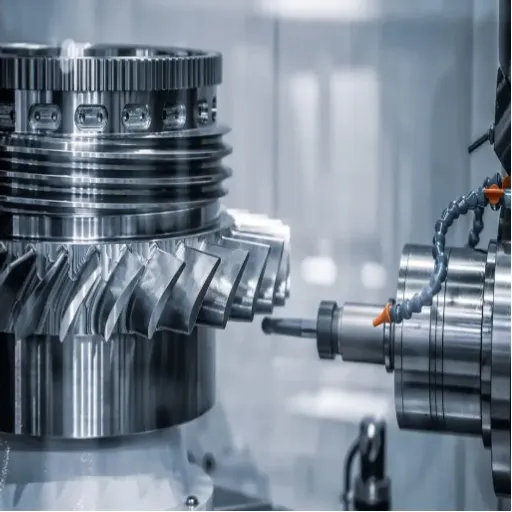
The aerospace industry is characterized above all by its need for precision and reliability, which is exactly why CNC machining is thought to be one of the most important processes in manufacturing. Common CNC machining techniques that are widely used in the aerospace sector include milling, turning, drilling, and grinding. These methods often lead to the manufacture of highly intricate parts with minimal tolerances besides the performance and safety levels required in the aerospace field.
| Process | Description | Applications |
|---|---|---|
| Milling | Material is removed from the surface by rotating cutting tools | Airframe components, engine parts, intricate structures |
| Turning | Creates cylindrical components with precise dimensions | Shafts, nozzles, cylindrical assembly parts |
| Drilling | Produces accurate holes for various purposes | Fastening holes, fluid transfer passages |
| Grinding | Provides excellent surface finishes | Bearings, turbine blades, parts in motion |
The utilization of cutting-edge technologies such as five-axis machining has contributed a lot to enhance the productivity and also to the quality of the aerospace parts produced with reduced time for lead and better uniformity. The melding of the traditional art of rendering with the technological advancement of the CNC machining is still serving the strict requirements of the aerospace industry.
The technology of CNC machining has impacted and transformed the aerospace industry in a radical way since it has been able to incorporate the new technologies and automations that meet the exacting quality standards. Latest reports say that the evolution of multi-axis machining, comprising five-axis and even hybrid options, has played the largest role in the removal of the barriers in production and making of the most complicated designs due to the new level of accuracy.
This pattern enables the manufacture of very intricate shapes that were only possible with engine parts and airframes and that were tightly controlled in their dimensions, which greatly improved the performance and safety of the overall equipment. The applications of AI and machine learning in the machining had the effect of maintenance being predicted and quality control being done automatically, therefore cutting down not only the number of machines not repaired but also the quantity of products that are defective.
Such advancements, supported by data from the latest industry trends, indicate that airplane manufacturers are also able to demand and supply lighter and stronger materials like titanium and composites, thus ensuring not only efficiency but also meeting the standards laid down by regulators. Consequently, the hybrid model of traditional craftsmanship and innovation continues to evolve and compete for its foothold in the aerospace sector particularly in machining.
CNC machining industry has positively transformed due to the incorporation of new technologies that have set precision, efficiency, and versatility equally. One of the revolutionary breakthrough technologies is the utilization of AI-driven systems and machine learning algorithms, which can be considered the most prominent advancements in CNC machining. The involvement of AI and ML in the CNC sector has led to the prediction of tool wear, optimization of machining processes, and maintenance of consistent quality. In addition to that, IoT-enabled sensor technology is becoming increasingly popular, which allows manufacturers to conduct real-time monitoring, collect data, reduce unproductive time and better their maintenance planning.
Automation Enhancement: Automated systems have simplified production since they work with minimal human intervention but still produce results with great precision. Automation assures consistency in production, rare occurrences of mistakes, and thus, a rise in overall productivity. The CNC machining sector will never be the same; it will continually change and mold itself to the needs of industries like aerospace, automotive, and medical manufacturing, which are already some of the most intricate ones.
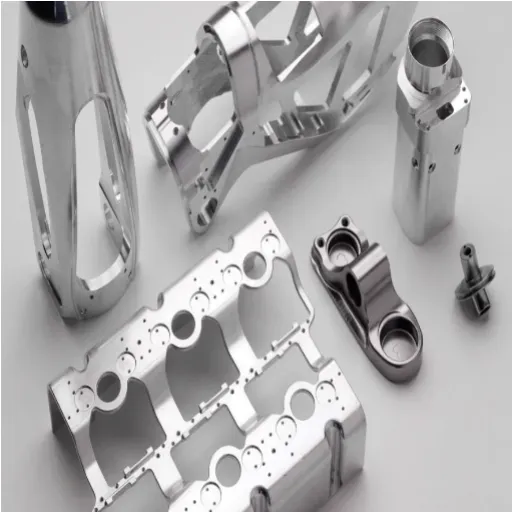
Aerospace CNC machining is all about the finest materials that are strong, durable, and light at the same time. They have to be very strong and heat resistant to carry the rigorous demands of the airplane and spacecraft industry. The materials that are often used in this field are:
| Material | Key Properties | Primary Applications |
|---|---|---|
| Aluminum Alloys (e.g., 7075-T6) | Outstanding lightness and resistance to corrosion | Aircraft skins, structural components |
| Titanium Alloys | Excellent strength-to-weight ratio, high temperature resistance | Engine parts, landing gear, airframe structures |
| Stainless Steel | Toughness, corrosion and wear resistance | Exhaust components, fasteners |
| Nickel Alloys (e.g., Inconel) | Withstand extreme temperatures without losing strength | Jet engines, turbine parts |
| Composites (e.g., Carbon Fiber) | Lightweight and very strong simultaneously | Fuselage, wings, major structures |
Continuous development of aerospace materials through research and precision manufacturing not only allows engineers to have better performance, efficiency, and safety in modern aircraft and spacecraft designs but also makes it possible for them to have these attributes consistently.
Among the determinants of machining precision in aerospace applications, the material selection is one of the most important. The different materials have their own unique properties such as toughness, heat conduction, elasticity, and resistance to friction and these factors, in turn, have a direct impact on the machining process and the precision of the resultant part. For example, metals like aluminum and titanium which are widely used in the aerospace industry not only possess excellent machinability but also have high strength. The lightness and ductility of aluminum are the factors that allow for very precise machining on it, whereas titanium, with its incredible strength-to-weight ratio, has to be very skillfully maneuvered with advanced methods in order to keep the tight tolerances without leading to tool wear.
The evolution of technology in machining has resulted in the adoption of smart tools and methods for precision optimization. High-speed machining (HSM) and CNC (Computer Numerical Control) systems are tailored according to the specific needs of composite materials. The attention and care needed for the handling of composite materials like the carbon fiber that has a layered structure are taken care of through these systems. Also, data-driven techniques for monitoring tool wear and performance have been utilized in predicting and preventing errors during the machining process, thereby ensuring quality consistency among different materials.
The use of proper material together with the newest machining technique results in a production process that is more reliable and cheaper due to fewer errors and lower material waste. In this manner, the manufacturers can go beyond the precision and performance thresholds in aerospace engineering while still complying with the industry’s strictest requirements.
Innovative materials are the main transformers in the aerospace engineering field as they can offer properties like strength, lightness, and thermal performance. Selecting among the composite materials, CFRPs – carbon fiber-reinforced polymers are the most preferred because of their incredible strength-to-weight ratio and resistance to environmental stresses and thus, they are used in the manufacturing of fuselage and wings among other places. Moreover, titanium alloys are high-priority materials in the aviation industry for their use in working parts mainly because of their exclusive property of corrosion resistance and resistance to high temperatures, and also their reduced weight and increased durability under extreme operating conditions.
The combination of contemporary materials with cutting-edge manufacturing techniques brings about the development of aerospace parts that are not only sturdy, but also eco-friendly and cheap. Consequently, the boosting of aerospace performance has become a common trait of the processes and materials used in the industry.
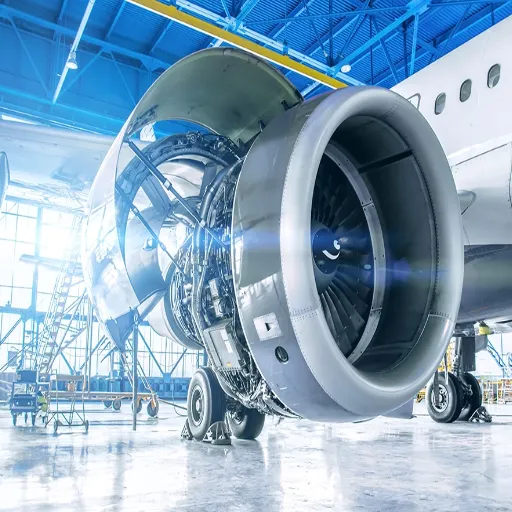
The aerospace CNC machining sector has been relying on fresh tech for its most important aspects: intelligence technologies, automation, and accuracy. The use of multi-axis CNC machines is a leading industry trend that enables the creation of extremely complex shapes with the same high accuracy and much shorter time than in the past. The production of the most intricate components, such as turbine blades and fuselage sections, which require severe precision, is now made easier with these machines.
The fourth industrial revolution and IoT have grown at such a pace that real-time monitoring and preventive maintenance in aerospace have become a reality now which was nothing more than a dream in the past. Operations are going on with least interruptions due to the supply of uninterrupted feedback and running of data analysis by NYC-enabled sensors attached to machines. AI-led systems and software integration speed up the CAD/CAM workflow even further.
The aerospace industry takes the environment very seriously and thus processes such as machining are changing radically in order to minimize material waste, get the most out of scrap metals, and slash power consumption. The combination of lightness and strength in materials already made possible by titanium alloys and composites has spread like wildfire, thus bettering the performance of aircraft and at the same time reducing their fuel consumption by virtue of the weight being already cut down.
Titanium alloys and composites have become standard materials in aerospace manufacturing, significantly improving performance while reducing weight and fuel consumption.
With these advancements in technology, the demands of the aerospace industry will keep changing, but CNC machining will always be there providing accurate, fast, and green manufacturing methods as the industry looks to become more and more sustainable.
Just as the aerospace sector is preparing to make big leaps that can change the entire character of flights and even the colonization of other planets, several key innovations are emerging:
Thus, the aerospace industry is likely to experience developments in eco-friendliness, technological innovations, and the advancement of clean and efficient transportation demands.
Technological advancements and shifts in consumers’ priorities are the major factors that have a very significant influence on the machining processes and even nearly revolved the rate of their development. Among the most affected areas are automation and precision. The recent market analysis shows a big interest in CNC (Computer Numerical Control) machining which primarily comes from its characteristics: providing higher accuracy, less human error, and faster production. Similarly, the use of AI and IoT is completely transforming how machines talk to each other, making it possible to do predictive maintenance and real-time monitoring, which consequently increases the overall efficiency of machine operations.
At the same time, another trend that greatly influences is the need for environmentally friendly production methods. The studies done by the market have indicated that there is a continuous growth in the concern about the environment and eco-friendly manufacturing practices, such as the use of recyclable materials and energy-efficient machines, which correspond with the global aims of reducing carbon emissions and creating eco-friendly production cycles. In the past, more frequently than not, machining was performed on lightweight and high-performance composites, which quite matched the typical request for durable and lightweight materials in the aerospace and automotive industries.
🌱 Future Outlook: These trends illustrate that the future of machining processes will have technological evolution and the shifting of consumer expectations as major drivers. The new era will be characterized by the three P’s: Precision, Efficiency, and Environmental Responsibility.
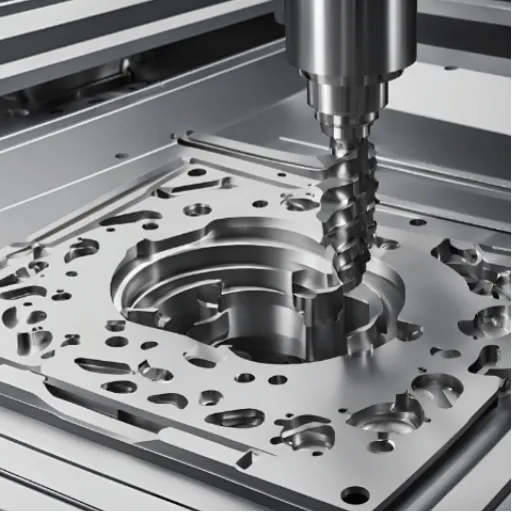
Aerospace CNC machining is very essential in the aircraft production process of today as it takes care of the making of detailed and super accurate parts. The big works include among others the manufacturing of engine parts such as turbine blades and combustion chambers which need fire-resistance and exactness in measurement. The joining of different parts structurally is done through landing gear parts, wing spars, fuselage sections, and more which together take up the weight of the plane while still being strong features. Besides, making of avionics housing is also a job done by CNC Machining that assures the proper working of the important navigation and communication systems.
The implementation of highly advanced materials such as titanium alloys and carbon fiber composites conforms perfectly to the demand of the industry for long-lasting products and less weight at the same time. Besides, the improvements in multi-axis CNC machining have even further contributed to the efficiency and accuracy and thus the production times have been reduced and the modern aircraft have become more fuel-efficient. The very precision-driven practice of CNC machining underlines the overall significance of resorting to the CNC machine in the fulfillment of the toughest standards of the aerospace sector.
CNC machining, with its unrivaled accuracy and the capability to create parts with complex shapes, makes the aerospace industry one of the biggest users of this technology. The aerospace sector is now, therefore, able to benefit from multi-axis CNC machines and produce precision parts with very high tolerances from light metals like aluminum or even from composites. The very strong, high-performance parts that are produced for aerospace uses will, in return, improve the performance of the technology already in use in communication, navigation, and other areas. In addition, the CNC production of aerospace parts requires using such top-quality materials as titanium and carbon-fiber composites. Consequently, the components are assured to be both light and strong with respect to the industry standard.
Based on trend data, CNC machining is becoming more and more popular along with AI and automation in the field of aerospace manufacturing. The incorporation of AI and robots into machining operations not only significantly reduces the incidence of human errors but also greatly cuts down on production costs and delivery time. This new technology is, among others, the key factor that the aerospace industry relies on to keep its competitiveness amidst the slow switch to green and low-energy-consuming production processes. Thus, the adaptability and precision of CNC machining, combined with its tech improvements, guarantee its major position in the future of aerospace engineering.
The making of precision parts for NASA’s Mars Rover missions is a case among many where the aerospace machining industry has left its mark, and it is one of the most successful stories. In this case, CNC machining was the main factor that produced light but strong parts that could endure the two extremes of heat and the uninviting atmosphere of Mars. The manufacturers of these components worked with titanium and aluminum and set tolerances so low that they were virtually unmeasurable, thus ensuring the critical operations of the rover systems were uninterrupted. The entire project demonstrated how the technologies that came to be in the field of machining could not only help the scientists but could also make the whole area of scientific exploration get bigger.
Key Achievement: Successfully created components capable of withstanding extreme Martian conditions while maintaining operational precision.
The making of turbine blades for the most advanced jet engines intended for passenger aircraft is yet another remarkable instance. 5-axis CNC machining made it possible for the makers to create exceedingly complex and efficient blade designs that not only influence the airflow but also withstand the tremendous heat and pressure of the engine. These advancements resulted in the cutting of fuel consumption and reduction of emissions thus they are straight away aligned with the environment-friendly and sustainability objectives of the aviation sector.
Key Achievement: Enhanced fuel efficiency and reduced emissions through precision-engineered turbine blade designs.
The incorporation of hybrid manufacturing methods that unite 3D printing and CNC machining by Airbus has proved to be a watershed moment in the aircraft manufacturing sector. The process resulted in the manufacture of prototype components that were not only remarkably accurate but also produced with lesser waste. Due to the merger of these techniques, Airbus reduced their production time scales and presented the necessity of modern machining techniques for complicated aerospace applications.
Key Achievement: Reduced material waste and production timelines through innovative hybrid manufacturing approach.
These examples show that aerospace machining projects, which are at the forefront of modern technologies and engineering know-how, are constantly opening up new avenues in the industry.
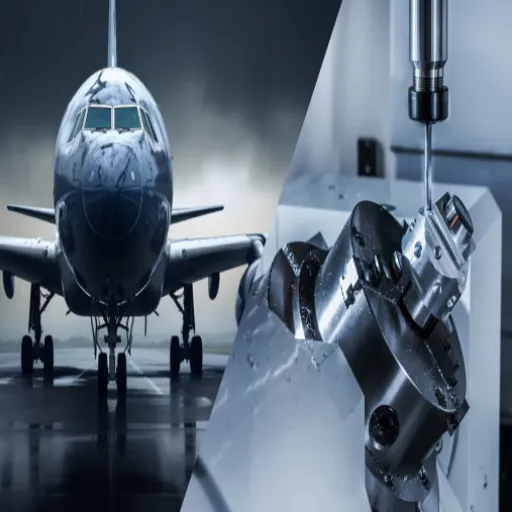
Machining for the aerospace sector is highly complicated, involving several challenges mainly caused by the strict standards and the sophisticated nature of creating the most reliable and precise parts. One of the difficulties that accompany the use of advanced materials is the processing of titanium, carbon composites, and high-strength alloys that are chosen for their strength and durability ratios. Some of the major machining difficulties that these materials bring about include tool wear, heat generation, and slower cutting speeds, which in turn can lead to higher production costs and longer timeframes.
| Material Complexity: Advanced materials like titanium and carbon composites cause increased tool wear and slower cutting speeds |
| Stringent Tolerances: Tight tolerances and surface finish requirements demand high-quality control processes |
| Cost Pressures: Balancing sustainability and cost-effectiveness while adopting advanced technologies |
| Technology Investment: High capital requirements for 5-axis CNC machining and automated processes |
| Demand Fluctuations: Addressing changes in production demand cycles while maintaining quality standards |
Aerospace parts have to pass through rigid tolerances and surface finish requirements because even the slightest difference in measurements might impact the function, safety, or even the compatibility of the parts. To cope with such narrow specifications, the processes of quality control and inspection are conducted at a very high standard which, in turn, increases the operational demands. By skillfully navigating through these challenges, companies are not only securing the position of being at the top of the industry but also staying competitive in a rapidly-changing market.
Regulatory and safety issues are critical to the aerospace industry and therefore need to be taken into account throughout the entire process from operations to products and services. Compliance with Federal Aviation Administration (FAA) and European Union Aviation Safety Agency (EASA) regulations among others is a decisive factor for the quality of safety and operational reliability. These regulations cover inter alia design, manufacturing, testing, and maintenance processes.
One of the primary issues companies face in the industry is the question of whether it is possible to reconcile compliance with innovation. The latest statistics show that the current adoption of the latest technologies, like AI for predictive maintenance, is a major factor in the acceptance of the industry. AI can not only help with legislation compliance through improved accuracy of data and real-time monitoring of the systems but also raise the safety standard by detecting failures beforehand. Thus, by investing in such innovations and maintaining a dialogue with the regulators, the aerospace industry can competently face the dual challenge of compliance and safety.
Precision in aerospace CNC machining is a key part in the chain of ensuring that the crucial components are safe, performing well, and reliable. To get the most out of the process, several best practices should be employed:
High-quality CNC machines with advanced features like multi-axis capabilities and adaptive controls should be installed. Also, regular maintenance of tools and proper calibration are the factors that enable one to achieve the tolerances required by the aerospace industry.
The application of thorough inspection processes such as CMM checks and NDT helps to recognize the integrity of every component. Real-time monitoring also boosts defect identification and thereby, the precision of the manufacturing process.
Advanced CAD/CAM (Computer-Aided Design/Computer-Aided Manufacturing) software platforms support the design-to-production workflow and allow more precise programming of the CNC machinery. Continuous training for the operators on the latest software capabilities will ensure that the standard for improvement is always up.
The first step of precision is selecting aerospace-grade materials that can stand extreme conditions. When high-strength Titanium and Aluminum alloys are uniformly machined their longevity and performance are both improved.
Good operators are the backbone of any CNC machining project’s success. Besides, skill development and certification programs are continually held to ensure that the machinists are updated with the most recent machining techniques and technological advancements.
Setting cutting speeds, feeds, and toolpath strategies correctly results in reducing wear, vibration and also improves the surface finish of the machined component. Good coolant systems are also part of the uniformity of the machining process.
With the combination of IoT (Internet of Things) and AI-driven solutions, manufacturers can keep an eye on the performance of machinery, foresee problems and make workflow adjustments. This swift approach cuts down downtime and increases the overall output.
Combining these best practices together with the latest technologies in machining and process automation would enable aerospace manufacturers to achieve the necessary high precision for their critical applications and at the same time being in line with stringent industry standards.
Aerospace manufacturing usually goes hand in hand with the request for the utmost quality and accuracy standards. This would indicate that the parts would be subject to the most stringent requirements in terms of safety and performance. Production of intricate parts is one of the areas where the industry always looks for improvement, with precision CNC machining and 5-axis machining being the most common contributors in this aspect. One of the most advanced methods in aerospace manufacturing is CNC machining, which includes turning and milling operations, where the reduction of manual finishing and improvement of consistency are all benefits. It would not be uncommon for these companies to consider machining services and CNC machining services when the first production of parts and the delivery of aerospace prototypes is the matter, as both design and manufacture cooperate closely in making sure that the resources employed in the CNC and other aerospace are of the right type for the process of machining and the end application.
The highly proficient CNC machining operations of 5-axis machining, precision CNC machining, and multi-axis milling are the conditions which make it possible to produce complex aerospace parts when the other processes, mostly simple 3-axis machining, are not able to do so. The CNC programming together with the use of CNC machine tools like CNC mill and CNC turning centers opens up the manufacturing of the intricate geometrical shapes, internal features, and the stringent tolerances that are commonly associated with the aerospace industry. The aerospace sector frequently has access to a combination of rapid prototyping by means of additive manufacturing and final machined parts made by subtractive CNC machining which leads to the completion of the full production runs. Not only is there the application of the most common aerospace materials like titanium, Inconel, and aluminum but also the consideration of the respective machines and processes to improve manufacturing efficiency and precision in planning the aerospace machining process. As a result, the aerospace companies were able to produce parts that satisfied both the aerospace and defense specifications and the performance requirements.
The use of titanium alloys, nickel-based superalloys, aluminum alloys, and composites in the aerospace sector involves different machining processes and one of the main challenges is the need for high-end aerospace CNC machining. Besides, titanium gives a very good ratio of strength to weight which is the main reason for its widespread use; however, it also results in the quick wear of the cutting tool which is why the manufacturing of these parts through CNC requires special tooling and cooling strategies. The nickel-based superalloys which are used for the manufacturing of components in the area of engines not only need high-temperature resistance but also in many instances require cutting with 5-axis and very accurate CNC programming to create intricate parts. In contrast, the aluminum is easier to machine and is the first choice for the production of airplane structures, whereas the composites materials call for a type of machining that ensures a careful tool choice to avoid delamination. Given the above, it is inevitable that the aerospace industries and the machining services require an up-to-date and thorough understanding of the materials and processes in CNC and aerospace machining to ensure that precision and quality are always met in every application.
The intersection of additive manufacturing and aerospace CNC machining has been gradually coming together, and this partnership is made possible through the use of a hybrid design and manufacturing tool. The addition process produces near-net shapes, and then the CNC machining takes over to finish the clearance and features with the exact tolerances that are critical. This hybrid technique enables the development of advanced aerospace applications along with the reduction of the material waste problem. Besides, it all happens with the assurance that the precision-milled surfaces and holes fit the requirements of the aerospace parts that are subject to very stringent tolerances. Aerospace companies now have the option of using additive manufacturing for the production of prototype parts, using it for intricate low-volume aerospace components, and then involving precision CNC machining for the part meeting the highest precision and surface finish standards. The combination of the services of CNC machining with additive manufacturing leads to shorter development cycles and the capacity to create complex aerospace parts that would otherwise be impossible to manufacture. The transition to hybrid manufacturing is indicative of the future of aerospace manufacturing and the need for both flexible and advanced machining capabilities.
In the field of aerospace CNC machining, the considerations include selecting a suitable material, setting the tolerance limits, the required surface finish, establishing certification standards, and the applications in the aerospace industry for the parts produced. For instance, one of the main characteristics of CNC machining parts for aircraft production is the use of precision CNC machining, CNC turning, and 5-axis machining to get very tight geometric tolerances that would also minimize assembly time. The selection of the most appropriate tool for machining, coupled with the implementation of the most efficient cooling methods and proper machining parameters, is very important in rendering controlled tool wear and heat generation during the machining of metals such as titanium and superalloys. Lastly, aerospace companies must consider inspection, traceability, and compliance with aerospace and defense standards during the entire machining process. Working closely with experienced machining service providers and taking advantage of the latest developments in CNC machining are the two most significant factors that ensure the productivity and precision of the aerospace industry.
When selecting the best CNC machining services, the evaluation should be based on supplier’s capabilities for aerospace CNC machining, the experience with specific materials used in aerospace CNC, and the knowledge of aerospace machining standards and certification requirements. Rising suppliers should be interrogated about their ability to perform 5-axis machining, the level of CNC programming skill, the capacity to conduct CNC machining of complex aerospace parts, and the history of production of aircraft CNC machining components. Furthermore, you might inquire whether they perform precision CNC machining, whether they have quality control processes, and whether they can handle both types of runs, prototyping and productions, for aerospace prototypes and production parts. Following that, the designing and manufacturing support of that supplier would be the benchmark to assess collaboration in terms of manufacturability, cost-effective machining strategies, and employing CNC machining methods that enhance the part’s performance. The perfect vendor is the one who manages to find a sweet spot between efficiency and precision while catering to the needs of the worldwide aerospace sector and specific aerospace projects that are not so common.
The aerospace CNC machining is the foundational stone of the modern aviation and space exploration, an ideal combination of precision engineering, advanced materials science, and high-tech. In this detailed guide, we have defined the way the CNC machining works in the aerospace industry to confront its most demanding challenges, from the making of very complicated engine parts that will take the extreme heat to the manufacturing of light-weight structural parts sufficing both safety and fuel efficiency.
The combination of cutting-edge technologies such as multi-axis machining, AI-based systems, IoT-integrated monitoring, and hybrid manufacturing has drastically changed the landscape of aerospace component production. This not only makes the process more accurate and efficient but also aids the sector’s ecological drive through lower material waste and better energy efficiency.
The future is already here, and the aerospace world is still 큰검_SYSTEMNL 문제 없어도 and has to renew 더-아모르-레스타코미 포도울 중심이 되는 1st century backdrop; reason being, that nowadays, astronauts perform their tasks in quite impossible conditions, e.g. propellant-free pyrolysis through plasma, that are nonetheless the most demanding and challenging environments you can ever think of.
As far as engineers, manufacturers, and aerospace personnel are concerned, not being fully limited to only the past and present CNC machining capabilities and limitations but rather constantly knowing first, the prevailing best practices, second, the trends, and lastly, the capabilities of the aerospace CNC machining is fundamental in the fight for competing effectively and playing your part in an industry that keeps on changing the boundaries of human flight and space exploration over the years. The future of aerospace factories is very optimistic and CNC machining will be there as a key player enabling those innovations that lift us up, that take us further, and more efficiently than ever before.