

Supportive, Professional, Client-Focused Service
From prototypes to full-scale production, we’ve got you covered.


We provide precision parts for any application by carrying out operations from 3-axis milling to complicated 5-axis machining.
Milling of 3-axis, 4-axis, and 5-axis for complex geometries. Perfect for housings and brackets.
Delicate lathe treatments for round pieces with Live Tooling capabilities.
Complex shapes and undercuts in one setup. Increased accuracy for aerospace parts.
Quick validation of designs with same-day quoting and production-grade materials.
Very accurate small parts for medical implants and connectors.
Electric discharge machining for hardened materials and sharp internal corners.
Explore our gallery of custom CNC-machined parts. See examples of our high-quality, precision-engineered components for various industries.
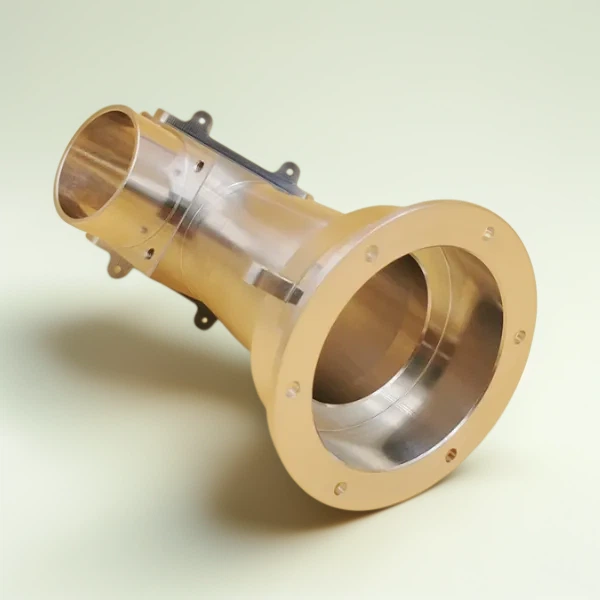
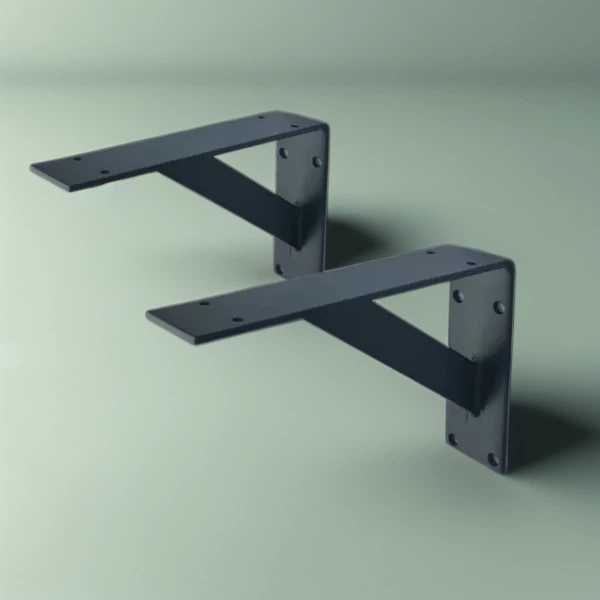

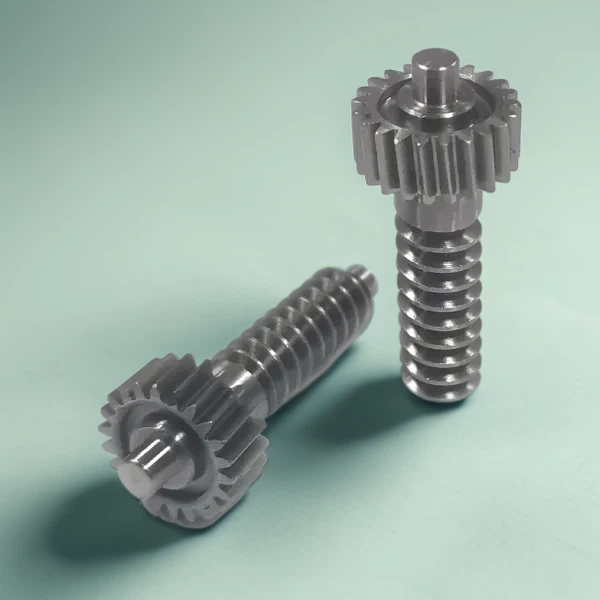
We do not just machine the materials, we machine everything from commodity aluminum to exotic superalloys, according to your project requirements.

6061, 7075, 2024, 5052
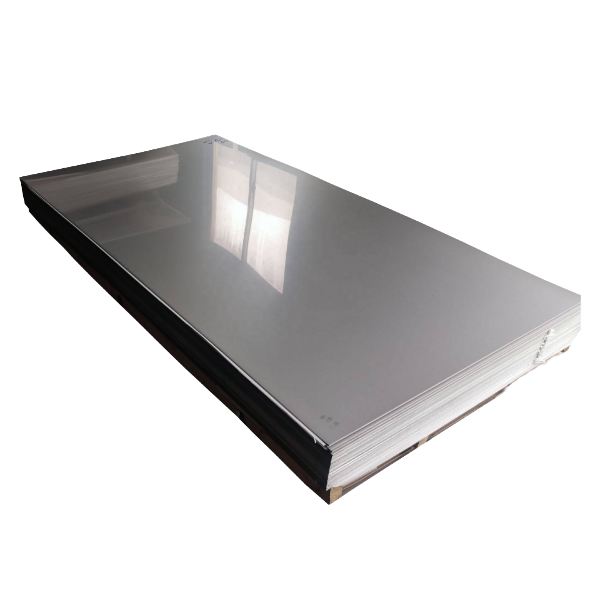
304, 316, 17-4PH, 440C
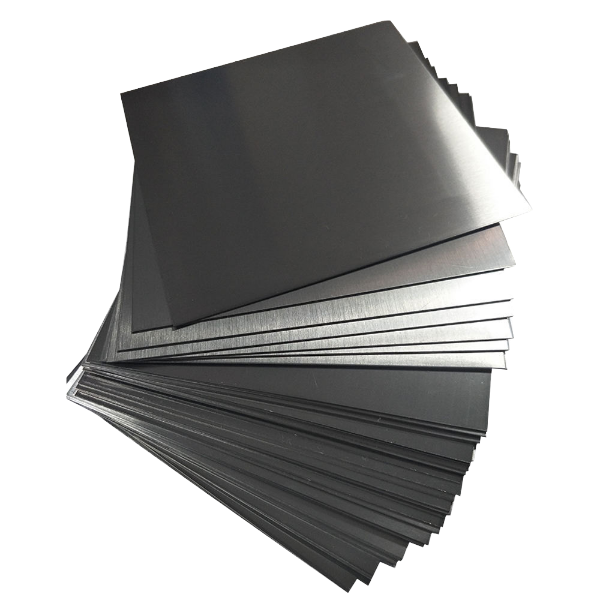
Grade 2, Grade 5, Ti-6Al-4V
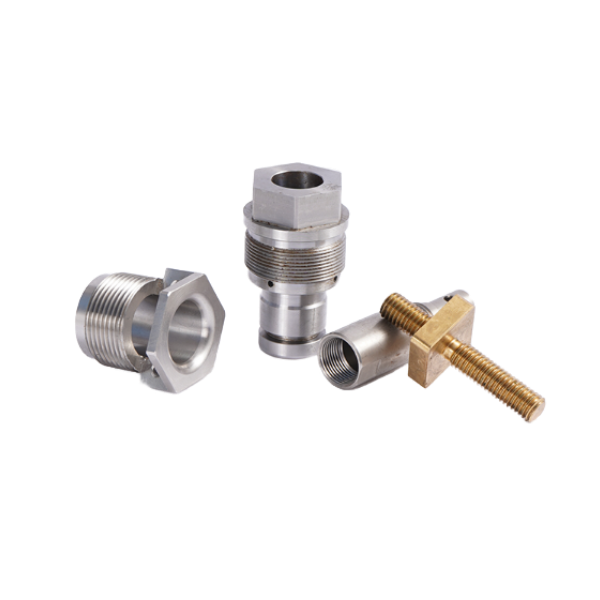
C360, C110, Beryllium Copper
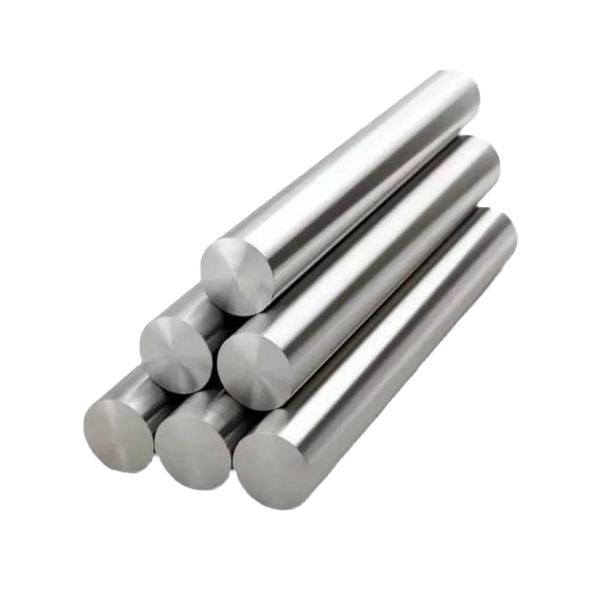
A2, D2, S7, H13
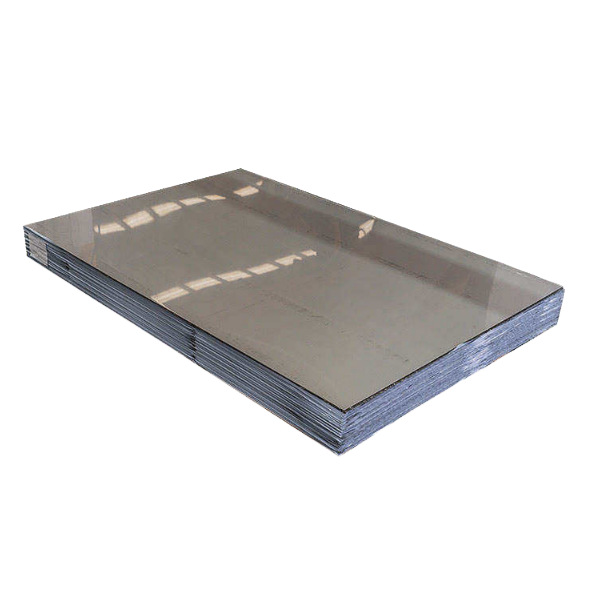
Inconel 625, 718, Hastelloy

PEEK, Delrin, Nylon, UHMW
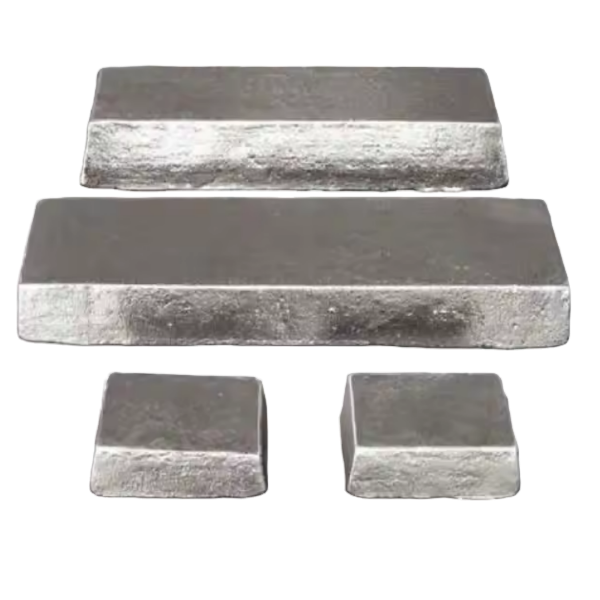
Magnesium, Invar, Kovar
Compare CNC materials and estimate machining costs for your projects
| Property | Material 1 | Material 2 |
|---|---|---|
| ↑ Select two materials above to compare properties side-by-side | ||
From Design to Delivery in 4 Steps. Our seamless method delivers accurate components quicker than classical machine shops.
Upload STEP, IGES, or SolidWorks files and get instant DFM feedback.
Choose material, finish, and number of units. Get real-time pricing.
Your components undergo manufacturing and a complete quality check.
Sent along with CoC and inspection reports, you can track it live.
Certified capabilities for the most challenging applications in the world.
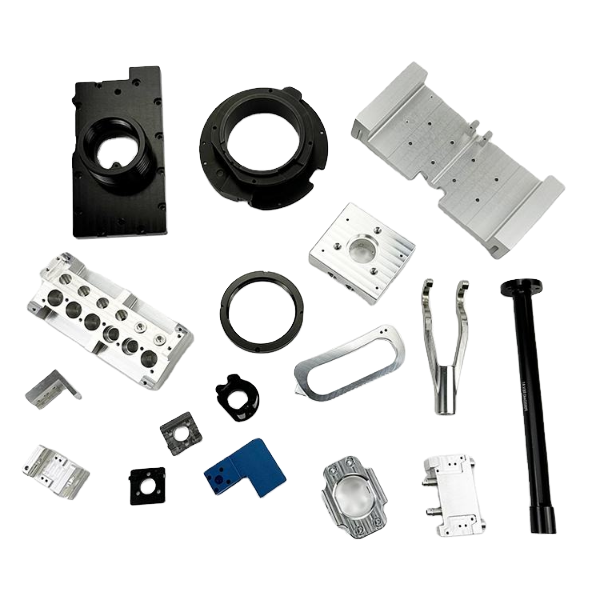
Flight-critical components with complete traceability. Manufacturing compliant with AS9100D and ITAR standards.
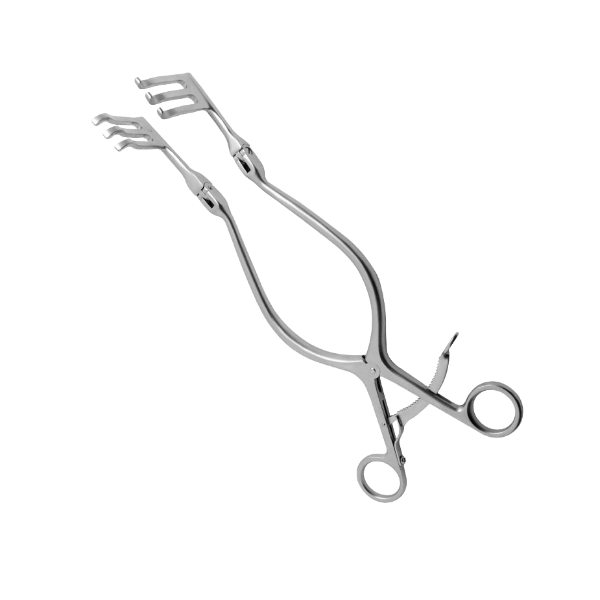
ISO 13485 certified cleanroom suitable for surgical instruments, implants, and diagnostic equipment.
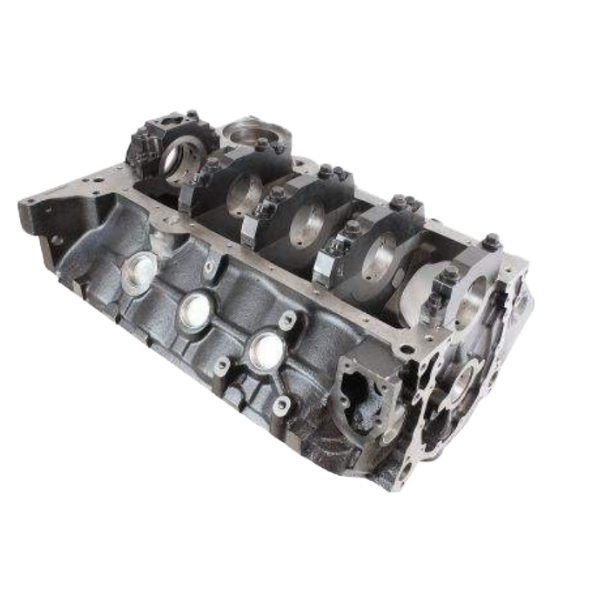
From prototype to production parts for powertrain, chassis, and EV components. Meets IATF 16949 standards.
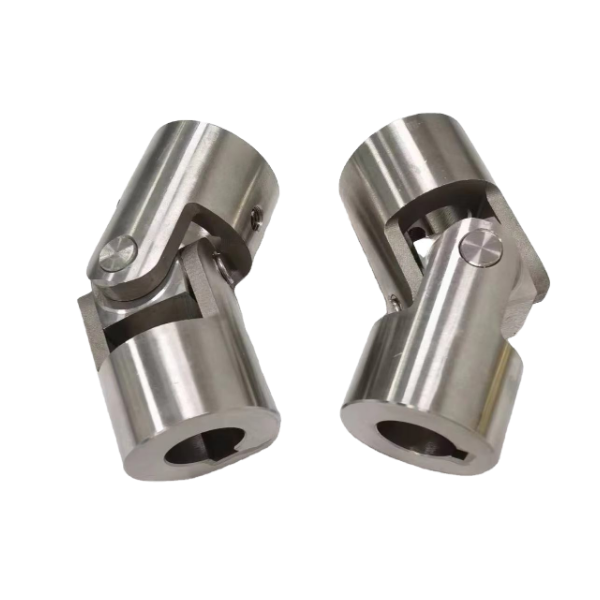
High-precision joints, actuator housings, and end effectors. Very close tolerances for smooth operation.
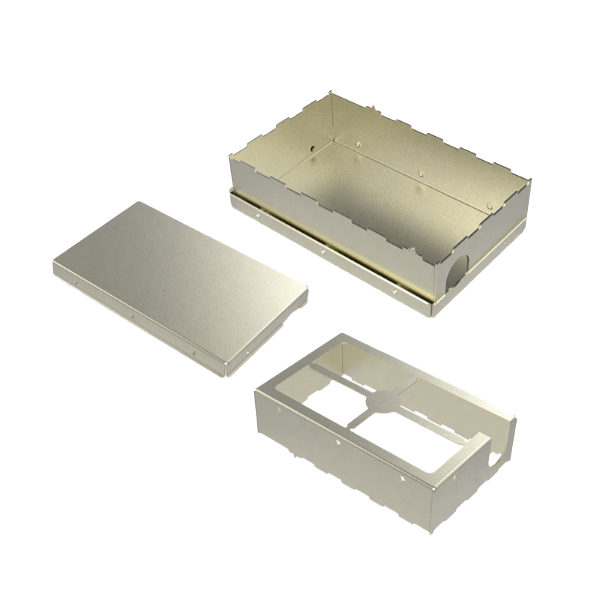
Enclosures, heat sinks, and RF shielding components. EMI/RFI considerations taken into account.
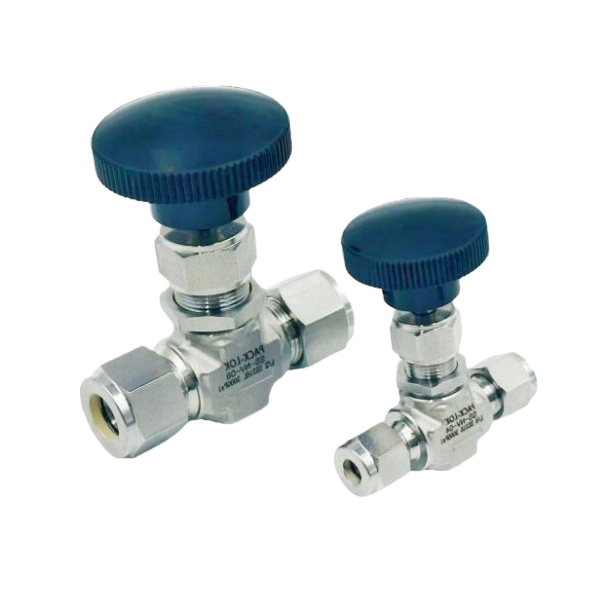
Valves, fittings, and components for downhole. Capability to work with exotic materials for extreme conditions.
Essential conversion and calculation tools for precision machining
| Finish Type | Ra (μm) | Ra (μin) | N Grade | Process |
|---|---|---|---|---|
| Mirror Polish | 0.05 – 0.1 | 2 – 4 | N1-N2 | Lapping |
| Fine Ground | 0.2 – 0.4 | 8 – 16 | N3-N4 | Grinding |
| Ground | 0.4 – 0.8 | 16 – 32 | N4-N5 | Surface Grind |
| Smooth Machined | 0.8 – 1.6 | 32 – 63 | N6 | Fine Mill/Turn |
| Standard CNC | 1.6 – 3.2 | 63 – 125 | N7 | CNC Machining |
| As Machined | 3.2 – 6.3 | 125 – 250 | N8-N9 | Rough Mill |
Real-world examples of how we solve complex manufacturing challenges.

A tier-2 supplier faced a 23% rejection rate on titanium housings due to inability to hold critical bore tolerances. The material’s low thermal conductivity caused excessive tool wear and heat buildup.
We implemented high-pressure coolant (1,000 PSI) and specific thermal management dwell times. In-process Renishaw probing verified dimensions at three stages, auto-adjusting offsets.

A startup needed to iterate a surgical design with 0.5mm cross-holes rapidly before an FDA deadline. Previous suppliers quoted 2-3 week lead times per iteration.
We assigned a dedicated 5-axis cell for 48-hour turnarounds. Used single-flute carbide micro-drills and integrated electropolishing in-house to achieve Ra 0.4 µm.
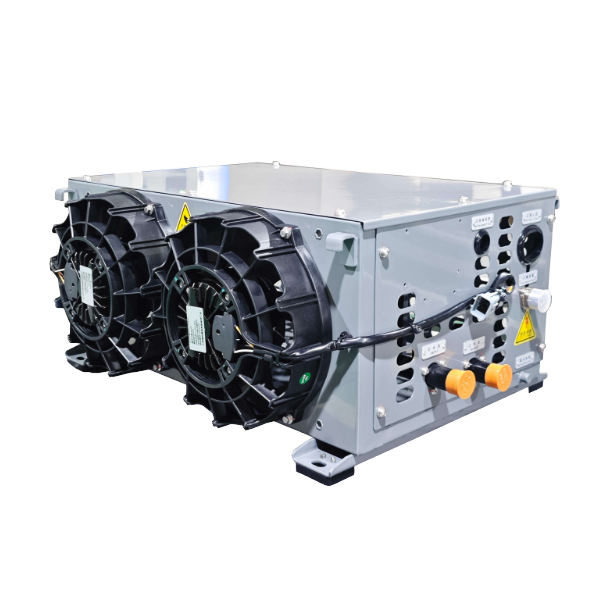
Scaling from prototype to 2,500 units/month for complex manifolds with ±0.001″ concentricity. Needed to compete with offshore pricing while ensuring zero defects.
Designed an automated cell with robotic loading. DFM optimization combined hole sizes to reduce tool changes. Implemented SPC monitoring to ensure Cpk > 1.67.

A premium audio brand needed a 0.8mm thin-wall enclosure with Class A finish. Previous suppliers failed due to warping and visible machining marks.
Used a custom soft-jaw fixture strategy and variable helix end mills to distribute cutting forces. Proprietary vibratory finishing removed micro-burrs without damaging contours.
Technical insights, design guidelines, and cost reduction strategies for engineers and buyers.
CNC machining is a subtractive manufacturing process that transforms solid blocks of plastic and metal into final parts through the use of computer-controlled milling and turning. As the primary method of manufacturing, CNC machining has gained a lot of ground in producing prototypes, parts that need quick turnaround, and machining under precise tolerances and replicability, where it is necessary. It is also the one that provides the most variety of custom-made parts, including the most complex ones and also the simplest ones. The other manufacturing services of sheet metal fabrication and discharge machining for specialized needs are all integrated with CNC machining, too.
Capabilities such as ultra-precise CNC control, 3-axis machining that can scale to 5-axis for complex shapes, CNC turning with live tooling for cylindrical parts, and mill capabilities to produce parts with tight tolerances and very fine surface finishes are the ones to look for. Among the advanced CNC machining capabilities are custom threads, multi-axis milling for intricate parts, and specialty processes like discharge machining for hard-to-reach features.
The parts made from CNC machining are coming from solid plastic and metal blocks or rods, from which cylindrical features are machined. The most common materials used are aluminum, stainless steel, brass, tool steels, and engineering plastics. CNC manufacturing can range from simple prototype pieces to complex parts with tight tolerances and delicate surfaces used across applications such as aerospace, medical, automotive, and electronics.
The price is determined by the factors like the machining process, type of material, how complex the part is, what tolerances, what kind of surface finish, and secondary operations that are required. Quick-turn parts and small custom cnc machining usually are more expensive per unit than large units. To know the exact price that caters to your needs, send a quote request stating CAD files and specifications; many suppliers will give you a quote along with the delivery estimate that covers machining, finishing, and inspection so you get to know the costs through your quote.
The lead time varies based on the part's complexity, material, and demand. Simple parts and quick-turn parts can be delivered in a few days, while the manufacturing of complex parts that require advanced cnc machining or secondary operations like discharge machining might take weeks. A good supplier will lay out a precise quote to delivery timeline and will also offer you the option to speed up production if you need a faster turnaround.
The manufacturing process should be the main consideration when designing the parts: deep cavities should be minimized, standard tool diameters should be respected, drafts should be allowed where possible, and features should be consolidated in order to reduce setups. When creating parts with cylindrical features from metal bars, consider tolerances that align with 3-axis machining or turning capabilities. Participating early with the machine shop not only helps optimize designs for cost and quality but also taking advantage of custom CNC machining and mill capabilities to machine parts faster.
Applications for CNC machining are prototyping, jigs and fixtures, end-use components, and replacement parts in a variety of industries such as aerospace, medical devices, automotive, defense, and consumer electronics, among others. It is the technology of choice when high-precision CNC parts are needed, or custom threads or tight tolerances are required, or when machining is significantly faster and more precise than alternative methods.
Inspection methods such as CMM measurement, surface roughness testing, and visual inspection confirm the quality of the CNC parts. Finishing techniques include anodizing, plating, passivation, polishing, and precision surface treatments to attain the desired machining surface and functional properties of the part. Many providers incorporate quality checks into their quote and provide certifications that confirm the parts fulfill the specifications.