

Supportive, Professional, Client-Focused Service
From prototypes to full-scale production, we’ve got you covered.


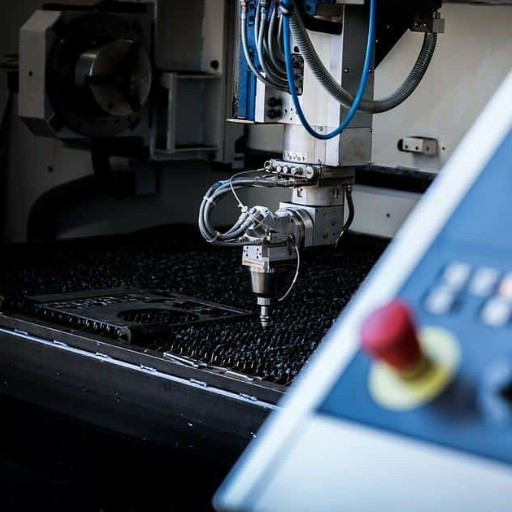
The medical device industry requires precision, durability, and compliance with strict regulations. The importance of CNC machining in the manufacturing of high-quality medical parts is beyond discussion, but the US Food and Drug Administration (FDA) and ISO 13485 standards are a consideration that is pivotal for patient safety, product efficacy, and world trust in healthcare and medical devices. Focused on an intervention between CNC machining for medical devices and the stringent norms that go with it, this paper underscores the tangle of the norms and how the manufacturers themselves can work with them. Regardless of the extent of the experience in making compliant life-saving devices or totally new for the field, this guide should lend insight and elicit discussions on numerous challenges in achieving that end. We will focus on key strategies and best practices, along with a brief insight to the role of precision engineering in shaping the future of healthcare technology.
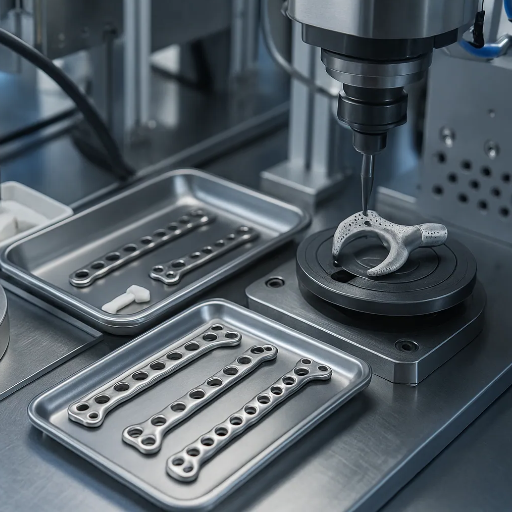
Computerized Numerical Control (CNC) machining is a manufacturing process consisting of softwares that steer the movements of factory tools and equipment. Automation is a must for the processing of intricate parts with high precision using cutting tools like drills, lathes, and mills moved along predetermined axes. The operator spends time on a terminal control system synchronized with the controller, which is how a computer actually verifies development and zaps any human error-critical in constructing highly precise medical devices.
CNC machining has developed to keep up with today’s demand for materials i.e. rust-proof, wear-resistant, from stainless steel and high alloy. The versatility and flexibility of CNC technology in processing materials are important in medical device manufacturing, due to multiple demands. In the case of large-scale production, CNC machinery ensures the precision of modeling across generations, ensuring all requirements (including the specifics of regulatory standards and quality thresholds) on medical device manufacturers are met.
One of the most vital functions of CNC machining in medical-applications is rapidly-prototyping and innovation. The practice of uniform, fast prototype production accelerates permitted levels of play with developmental processes on many-new medical instruments. This moving-point design process allows end products to meet the specifics of patient needs.
While noting that medical CNC machining tolerates no error in the production of components, tools and equipment, the Medical CRM automatically enforces rules that ensure that components produced are flawless soon after production in order for them to meet standards set by health agencies. Production tools that will be adopted by medical facilities must achieve high precision, meaning compliance of machine-produced artifacts with no errors is highly expected. Similarly, no unaccepted failure is even tolerated for a split second in the medical industry as patient lives are constantly at stake due to manufacturing errors on the level of medical technology.
The CNC machines provide the healthcare with the best precision that cannot be matched by any other. It ensures the property fitting of prosthetic aids and surgical tools to be inserted and remain an integral part of the human body. The highest precision ensures the integrity of biocompatible materials, which makes the devices working as they should for the benefit of the human body, minimizing the chances of rejections and failures.
Precision machining contributes to innovation by facilitating the production of complex geometries and individualized designs, which are necessary for personalized medicine, where the instruments be customed to individual patients to only meet specialized needs. CNC machining technology runs the gamut from orthopedic implants from titanium to microneedles for drug delivery to ensure a necessary high-quality and effective realization of a critical medical innovation.
The field of CNC machining is crucial during the development and production phases of high-technology medical apparatus. The method enables the production of components bearing extra narrow tolerances and complicated geometry-both things which are essential within medical. Credit for meeting these stringent performance criteria in biomechanics or medical optics is due to the many essential variables managed by the process control regime during the production of work.
Titanium orthopedic implants and dental prosthetics with perfect anatomical fit
Precision tools for minimally invasive procedures and specialized operations
Microneedles and specialized components for precise medication administration
In small-scale and prototype production of medical products, CNC is also essential. Fast design generation will allow for iterations of testing and improvement, which would advance medical technology developments. Also, the capability to work across different materials-metal, plastic, or composites-makes it an important tool to address the multifaceted needs of the healthcare industry.

21 CFR Part 820 of the Food & Drug Administration (FDA) sets the foundation, controlling the medical device manufacturing in the form of the Quality System Regulation (QSR). The detailed regulation has laid down criteria for manufacturers to consider, ensuring their products’ safety and effectiveness are appropriately maintained at all times. This regulation shall cover every phase of the manufacture of these items: from conceptualization and design until post-market activity, ensuring that devices in all states continue to comply with U. S. laws and regulations and do not harm a person.
Manufacturers are required to maintain disciplined records that can substantiate full compliance with the requirements under 21 CFR Part 820. Such records include device specifications, validation studies, and audit findings that are necessary for FDA inspection. Keeping to these standards will only ensure the safety of the patient, along with the regulatory compliance and general trust of the public in medical technology.
Under ISO 13485, a recognized standard for quality management, established for the medical device industry, the quality management system of an entity involved in the design, development, production, installation, sales, maintenance, and servicing of medical devices is to be documented. What used to be the standard’s goal in essence is to see to it that medical devices consistently meet customer requirements and regulatory requirements thereby ensuring patient safety and therapeutic benefits.
Compliance to ISO 13485 ensures that a business provides reliable and safe medical devices, with certification to the standard proving an acceptance of quality products and processes. This standard is actually a license to competing in several markets around the world and consequently allows companies a competitive edge, ultimately safeguarding and promoting medical industry credibility and public safety.
In CNC machining compliance for medical devices, one must focus on producing high-quality outputs all the way to the requirements for mandatory GMP’s. On the strength of ISO 13485, when the risk management mechanisms are established and the proper methods of processing are documented, is when the signing off of making safe medical equipment begins to extend beyond the standard. In this way the maximum protection intended for patients is secured, with push-button traceability all the way from raw material to finished devices.
A great importance is given to the validation of the process which ensures parts are made as per the specifications consistently. The maintenance and calibration of CNC machines assure optimum operation with minimal errors. Training of personnel is also as significant, with a well-trained work-force, personnel will be able to deal with multifaceted manufacturing needs and ensure quality products.
Care should be taken in material selection and testing on behalf of the described biocompatibility and durability concerns. High-grade materials have to follow stringent standards for the safety of medicines. By integrating all of these elements in the manufacturing process, the CNC machine can afford to produce highly regulatory-compliant medical devices to the global market with respect to patient safely and support long-term business prosperity.
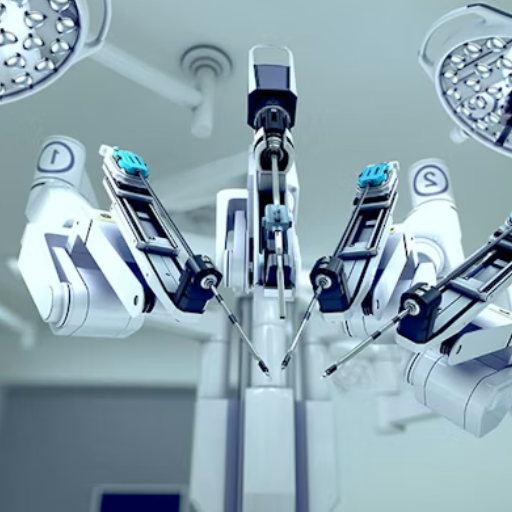
When it comes to CNC machining for medical devices, documentation is one of the key factors for compliance. Proper records of build, process records are needed for the FCC to be able to trace any product back to its origin. It is crucial that these records encompass all steps of production and cover all activities ranging from material selection to machining technology through final inspection and testing. Manufacturers prove their regulatory compliance and quality control to the competent authorities who review their extensive documentation.
Implementation requires documentation practices compliant with the ISO 13485. According to Garbala, proper documentation enables us to detect and correct problems sooner and avoid failures and process non-compliance problems further.
Documentation plays a vital role in ensuring that every organization adheres to the requirements and hence aids in increasing transparency in one’s work. Evidence is created during auditing and inspections to lift up the confidence with clients and regulatory bodies. Manufacturers are able to develop a best repute in the global arena from the market point by maintaining effective documentation in the manufacturing process of CNC machining surmising 100% quality of a medical device.
In environments such as health care, risk management is paramount in CNC machining-eluding patient quality with every part manufactured, caring with precision, compliance, and celebrating quality. Risk management stands on top of a strong quality-management system.
Inclusion of the basic aspects of operating heavy equipment also brings about safety measures and, to a great extent, protects the employer from potentially costly repercussions. The necessity of well-trained operators or drivers, able to look at an issue not only to solve it but also as a potential problem is more often than not underlined. The high cost of machine damage and injuries and in production downtime caused by improper or incomplete training can force many employers to delay production, labour disputes, and eventual renovation of entire business premises.
Advanced technology solutions, like data analytics and monitoring systems, are employed to cut down on risks. Predictive analytics quickly reads machine performance in real-time, showing any activity outside the norm, warning operators to act before near breakdowns or unscheduled work stoppages. Practically string the series along, as CNC operations run resiliently and flawlessly, meeting high-quality productivity standards in terms of technological and spec compliance.
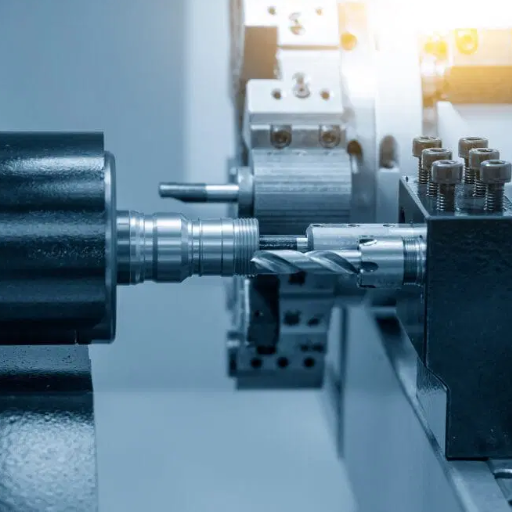
It is within the domain of utmost importance when it comes to working with suppliers for CNC machining in the medical sector, with quality, compliance, and reliability constituting the major concerns. Suppliers must be able to provide a proper understanding or demonstrate compliant operation against the quality management system for medical devices, ISO 13485 in specific. Suppliers processes need accuracy in machining with repeatability for meeting the highly challenging range of tight tolerances set out for any medical device manufacture.
Certification Compliance
ISO 13485, FDA QSR adherence
Material Traceability
Complete documentation and certification
Technical Capability
Advanced equipment and skilled workforce
Production Capacity
Scalability from prototyping to mass production
The capacity for material traceability and thorough documentation is mandatory. Material certification is an essential component of medical device production, and evidence must be provided for all materials’ specifications by the supplier. Accurate documentation of manufacturing processes, inspections, and validations guide compliance and the regulatory submission process.
Suppliers must prove they have the capability to meet the manufacture-to-delivery demands—from prototyping to mass production. This necessitates up-to-the-minute equipment, high-skilled personnel, and respect for maintaining quality assurance. The assurance of a timely processing of delivery without compromising quality will prevent undue production delays and ensure that industry performance standards for instrumentation are realized.
Adhering to guidelines established clearly implies that suppliers must employ the absolute strictness in establishing and putting into practice FDA and QSR systems. The requirements that supplier conformity to the set standards demanded by the FDA and ISO entail are nowhere precisely spelled out, but as coordinated companies, the tide of laws and regulations enforced by the agency keeps demanding stricter regulatory obligations that certain organizations cannot comply with.
Successful in securing compliance from suppliers is continuous communication with stakeholders. Interaction with manufacturers and suppliers in a two-way manner makes them active in dealing with changes in regulation or improving production lines. Keeping a detailed and well-documented thread of processes, quality inspection, and test reports aids the company in addressing other compliance come-up during FDA inspections or ISO certification audits. If followed, these steps greatly render the supplier into achievement of consistent, high-quality medical devices and go beyond regulatory requirements.
Developing strong relationships with CNC machining partners is essential for consistently delivering quality of the products and complying with stringent industry standards. Clear communication is the bedrock of these relationships. Suppliers need transparent imposition on expectations, required specifications, and constructive criticism throughout production. Through this direct line of communication between merchant and engineer establishes a groundwork of trust which can help to neutralize problematic occurrences that might result in costly delays or non-compliance.
Quality management systems, as well as that of the provider, could be the determinant in their careful scrutiny. Precision machining proficiency and a good understanding of the medical device sector amongst the experts should be exemplified. Occasional audits, process reviews, and quality control should make certain, to buyers, that the provider stays on course and the devices are brought under specified norms that are compatible with the functional needs.
Collaboration and fostering its spirit will go hand in hand with developing change and an atmosphere of continuous improvement. A close relationship with CNC machining suppliers will possibly reveal different materials or technologies or design alterations which will enhance medical devices by way of better quality and increased functionality. Strong partnerships are beneficial to both parties: interdependence brings an environment of reliability, efficiency, and successful accomplishment of the provision of important medical devices in the market.

The compliance of medical devices to CNC machining leaves manufacturers with unique dilemmas. As regards the design-to-production continuum, stringent compliance standards such as those imposed by ISO 13485 and the US FDA must necessarily transverse the hoops of safety and traceability of the product (as mandated by said regulations). Compliance demands meticulous record-keeping with labelings and storage files, while each block could be traceable per process; apart from these, even a little gap in this document-management system will force the medical-device manufacturer to bear the burden of disproportionately expensive costs, including product recall, non-compliance, and contract termination.
Traceability is another prime obstacle in meeting various requirements. For example, due to the precise records required in the area of medicine, all activities are documented for the materiel and process followed in the manufacture itself to aid in accountability and source identification in case of a problem. To set up a substantive traceability system, demands for resources could be huge at various levels. So easily, the manufacturer has got to invest in software, hardware to advanced equipment, and training in “compliance language.”
CNC-machined medical device, which is a high precision machine tool, is greatly appreciated by device manufacturers to really put precision into workmanship and the repeatability. Even the smallest of additions of variations in dimensions can have serious consequences. Manufacturers have to choose the best equipment and have their workers trained and in place for quality control to keep levels always in line with the pressure of quality and compliance standards. A solid knowledge in the regularity of regulatory frameworks, a robust electronic quality management system, and a staunch commitment to continuous improvements are necessary to address these challenges.
Increasing compliance problems are underfoot in manufacturing sectors, very drug manufacturers, due to stringent regulations and quality assurance. No use of digital tools to overcome challenges.
Automated Compliance Management Systems
Exchange the paper-based or spreadsheet record-keeping for automated tracking of certificate timelines with color-coding flagging for timely renewals, eliminate human error, and cut down Time Taken to comply with standards.,
Comprehensive Training Programs
Keeping personnel informed about quality management procedures and regulation changes is important. Professionals usually identify regulatory changes quickly and take necessary measures to eliminate possible compliance issues.
Risk-Based Approach
Theorize theoretical risk assessments directed to find weaknesses in their operational process and mitigate any adverse risks. This would shorten the regulatory risks while, on the other hand, pushing for greater quality products and strengthening patients’ safety. Compliance possibilities also open their doors.
These comprehensive steps circumvent the challenges set forth by the use of technology, training, and risk-based strategies that provide a dynamic frame for maintaining compliance while also fostering the spirit of continuous improvement and operational excellence.
It is apparent that moving forward CNC machining techniques would remain critical for the medical device industry, with its central advantages in accuracy and speed. In a constantly growing market for medical devices with a heightened interest for personalized, quality-assured items, CNC machining remains relevant as the need for precise production consistent with medical demands grows. From surgical instruments to implant devices, CNC machining guarantees the pace and accuracy required for reliable production, which forms a basic safety guarantee to the patient.
CNC machining represents yet another significant future-active area when it comes to sustainability. More and more leading industrial manufacturers are inclined toward eco-friendly CNC machining using sustainable materials and significantly reducing energy used in manufacturing. This seems to address environmental concerns and will be supportive to compliance initiatives and corporate sustainability goals.
In the midst of such goings-on, CNC machining is predicted to play a huge role in virgin applications here and there while maintaining its position as a very transformative technology in medical device manufacture that makes devices secure and durable, thereby turning them into innovative ones for improved patient outcomes in health care technology.
CNC machining of the medical device makes use of high-precision CNC processes to build medical devices and components, notwithstanding prototypes, machined medical components, and device parts. Without these processes, accurate tolerances, repeatability, and compatibility with precise medical industry standards would not be possible. To ensure a greater sense of reliability, one has to continuously make reference to manufacturing medical products, implants, and instruments for various medical applications.
There are such very important processes like: CNC Milling, CNC Turning, 5-axis CNC Machining, Swiss CNC Turning, and EDM Process (Electrical Discharge Machining). These processes are involved in making products like complex geometrics for medical parts, from relatively simple machine elements to complex medical implants and components in the equipment sector, thus meeting demanding requirements, particularly in the domain of medical device manufacturing.
Common materials include stainless steel (316L), titanium and titanium alloys, cobalt-chrome, medical-grade plastics (PEEK, ULTRA-high-molecular-weight polyethylene), and specialty alloys. Material selection depends on the application– whether the devices are medical-grade implants, surgical instruments, or disposable device parts– and requires biocompatibility, as well as sterilization, for medical diagnostic and therapeutic purposes.
Alternatively, it is also possible that, in which the manufacturing techniques employed in precision CNC machining can always tolerate small discrepancies in design. This possibility indicates that even when slight changes were allowed in production requirements, they may be tolerated in order to adjust tolerances while still providing for the placement of medical parts and equipment with specified standards.
The medical machining space is regulated by ISO 13485 quality systems and the 21 CFR part for good manufacturing practices. The prerequisites for any bio-compatible tests or materials traceability should be included. In order to fulfill the medical manufacturing requirements and industry standards that state that machining suppliers should illustrate their capabilities’s documentation and maintain a controlled environment of manufacturing, customized services must be supplied.
Yes, truly, CNC machining manufactures complex medical component-parts—specifically implants, microengineered components and highly restricted geometrical devices; moreover, 5-axis CNC machining, Swiss machining and other advanced equipment execute complex forms, deep features and excellent surface finishing for high-precision medical applications —necessary for production of complex medical components using CNC machining.
On a few noteworthy dimensions, CNC programming and machine selection directly influence the precision, cycle time, and repeatability. Detailed programming, in particular, helps to drive toolpaths for accurate movement. Machine selection, for example, 5-axis centers or even Swiss CNC lathes, must be chosen fully aware of the kind of state entailed during the design of the part. Solid programming and right choices of machines meet the production quantity and tight tolerance required by the medical manufacturing industry.
Consider complete supplier experience producing machined parts and devices, machined capabilities, compliance with medical standards, material expertise, traceability capability, and levels of quality. Assess CNC capacity for milling, turning, plus precision machining and any advanced units such as EDM or 5-axis machining to test their capability to produce medical parts, devices, or accessories that promote medical progress.