

Supportive, Professional, Client-Focused Service
From prototypes to full-scale production, we’ve got you covered.


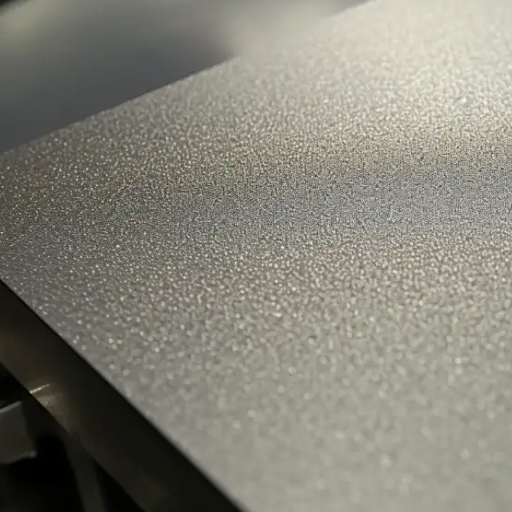
The perfect matte finish is a primary aim in various industries and by craftsmen, particularly in aluminum working. Among the methods that provide a brilliant and non-reflective look to the metal, aluminum bead blasting has emerged as one of the best and most dependable techniques. The appearance is desired in a vast range of applications—from cutting-edge consumer electronics to precise aerospace parts. However, the question remains as to what reasons are behind bead blasting being the perfect method for getting a smooth matte finish? To answer these questions, the present blog post takes a deep dive into the subject of aluminum bead blasting, explaining the procedure, the advantages, and the critical aspects that need to be considered to get perfect results every time. Whether you’re just starting with this technique or you’re trying to perfect your skill further, continue reading to see how aluminum bead blasting can bring a change in your projects and how it can add a notch higher quality to your work.
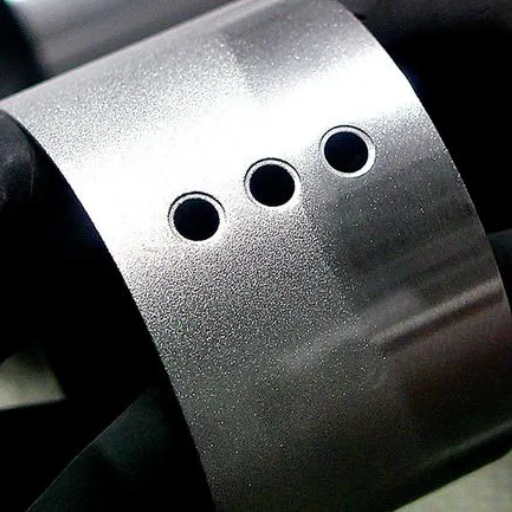
Bead blasting is a process of finishing the surface using small spherical particles, called beads, which are typically made of glass, metal, or ceramic. These beads are shot at high pressure to either clean, smooth, or impart a desired texture to the material. When the beads hit the surface, they take away all the dirt, small imperfections, or old coatings without doing too much wear and tear or damage. The reason for choosing this method is that it can produce very clear and uniform results.
This method and process are moreover not only common but also widely accepted in various industries such as automotive, aerospace, and manufacturing because of their flexibility. Bead blasting can create the texture, which is proper for the coating or painting process, and then the surface can be treated optimally in terms of adhesion. Moreover, it can also restore the original look of worn-out or corroded parts by polishing them up and reviving their appearance.
Bead blasting involves the use of compressed air to propel tiny beads at very high speeds, which then strike the surface of the aluminum. Beads that are generally made up of glass or ceramic serve the purpose of creating a controlled abrasive action, resulting in aluminum that gets cleaned, smoothed, or polished without sacrificing the metal’s physical properties.
The bead blasting process is a great option for aluminum because it can make a clean, smooth, and uniform surface without damaging the metal. This treatment removes surface contaminants, old coatings, and oxidation effectively, which prepares the aluminum for further treatments or finishing.
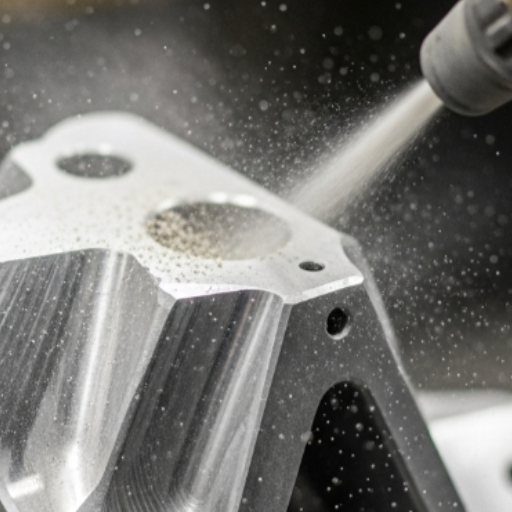
Bead blasting technique is quite amazing for cleaning and purifying aluminum parts because it eliminates all unwanted things, including dirt, surface residues, and imperfections at the same time leaving the metal underneath completely unscathed. The process uses very fine spherical media that clean surfaces very softly, thereby the aluminum’s integrity and composition are left undisturbed.
Creates a smooth, consistent finish ideal for parts requiring further coating or strict visual standards
Effectively removes oxidation and surface flaws, restoring aesthetic appeal and extending lifespan
Applicable across aerospace, automotive, and manufacturing where precision cleaning is essential
Bead blasting is a technique that helps to bring out the best in both the durability and the looks of materials by getting rid of imperfections on the surface and boosting the overall level of resistance to wear and tear. The removal of oxidation, scratches, and other defects through the process makes the surface more uniform and smoother.
To reach a blasted finish of high quality, it is very important first to determine the right abrasive material and equipment to treat the surface. The choice of media should be according to the required hardness and texture; for instance, glass beads, aluminum oxide or steel shot. Each one of these materials has an area where it gives good results.

Selecting the proper blast media for aluminum bead blasting must take into account two factors: the type of finish that is wanted and the condition of the metal. Round glass beads are most commonly used for obtaining a matte finish because they are three-dimensional and less harsh, ensuring lightness of material removal without damage to the surface of the aluminum.
In order to get good aluminum bead blasting without losing the material’s integrity, one has to maintain the right pressure settings throughout the whole process. The pressure must be adjusted to match the kind of aluminum being used and the blasting media selected.
To have a uniform matte finish on the surface of aluminum by the technique of bead blasting, manufacturers need to concentrate on consistency in three main aspects: equipment settings, technique, and surface preparation.

The matte finish resulting from aluminum bead blasting will be lost unless the surface undergoes regular and gentle cleaning to maintain the same matte look. A soft and non-abrasive cloth or sponge should be used along with mild soap and warm water.
For Light Dirt: Use a damp microfiber cloth to gently wipe the surface
For Stubborn Stains: Apply neutral cleaning solutions, rinse thoroughly, and dry completely
Regular Inspection: Check for signs of wear and address issues promptly
Prevention: Keep surface free from prolonged moisture and pollutants
For optimal results, surface preparation is a must before bead blasting. The aluminum must go through a rigorous cleaning process in order to get rid of every trace of dirt, grease, or oxidation that can possibly hinder the blasting operation. The application of protective coating can be considered as a post-treatment measure which can greatly enhance the surface’s lifetime and keep the surface free of issues like rust or staining.
The combination of protective coatings and bead blasting creates a surface that effectively withstands environmental factors:
In an aluminum surface treatment where bead blasting is the last step, damage and discoloration can be avoided if proper maintenance methods are strictly adhered to. Cleaning regularly with a soft, non-abrasive detergent will help clear the surface of dirt, grime, and other substances that may discolor or degrade the surface.
Clean with soft detergent, avoid harsh chemicals and abrasive techniques
Check for early wear, rust, or discoloration; take timely corrective action
Apply clear sealants to defend against humidity, UV rays, and pollution
Keep parts in dry, well-ventilated areas away from corrosive environments
Use padded tools or gloves to prevent scratches and maintain appearance

Proper safety measures protect operators, ensure quality results, and maintain compliance with regulations. Never compromise on safety protocols.
In the case of aluminum bead blasting, the operator’s health and safety as well as the safety of the whole workplace depend on personal protective equipment (PPE) which is mandatory in this process. Bead blasting produces particles that are airborne and if inhaled, can create respiratory problems.
Correct ventilation is the most important safety factor in aluminum bead blasting and the best way to get good results. Good airflow facilitates the elimination of fine dust particles and blasting residues from the working area, thus preventing their accumulation in the air.
A secure working environment in a bead blasting plant can be achieved by giving precedence to safety-related practices and proper use of equipment. The workers will have to be trained comprehensively so that they can operate the blasting machines safely and be able to identify hazards.
A: Aluminum bead blasting is a surface finishing process that works by propelling tiny spherical media such as glass beads or plastic at the part, creating a uniformly matte and satin-like surface. It is commonly used to remove tool marks and burrs as well as light contaminants while giving a nice finish without damaging the surface or changing the dimensional accuracy with proper masking requirements and tolerance control.
A: Absolutely. It will improve surface roughness to an expected and even profile. Bead blasting aluminum parts not only produces but more importantly creates the ideal surface and base for the color of the future anodized and powder-coated parts.
A: The types of media used include glass bead media, plastic media, and also other options like soda-lime or silica-based abrasives. Glass bead blasting yields a soft, consistent result on softer metals such as aluminum and is then usually the one chosen when the aim is to have a good-looking matte finish. Plastic media is more delicate and often used for plastic parts or fragile surfaces when avoiding peening or changing the tolerance is necessary. Your decision would be determined by the specific needs of the operation bead blasting is meant for, whether heavy-duty rust removal or gently creating a uniform finish without damage to the surface will suffice.
A: Bead blasting removes light burrs and sharp edges effectively and may be the deburring step for many components. Yet, for heavy burrs or tight tolerance features, additional manual deburring or machine deburring may become necessary. Bead blasting is frequently combined with other finishing techniques so that the parts will meet the intended specifications and the defining characteristics will remain intact.
A: Absolutely. Bead blasting is fit for both the heaviest and the most delicate applications; it is widely used for industrial parts, medical devices, and custom part runs. In the case of medical devices, the parts that have small critical features or require strict masking, controlled media selection (to avoid silica when contamination is a concern), and process documentation will result in predictable and consistent performance and finishes that are corrosion-resistant and professional-looking.
A: Bead blasting utilizes rounded media like glass beads to produce a smooth uniform and peening-free finish, whereas sandblasting usually involves angular abrasives, which cut deeper, raise roughness, and may damage metals with low hardness. Bead blasting is more damage control and a preservation technique, thus dimensional accuracy and satin-like finishes with consistency but no major surface degradation are all benefits of choosing it over aggressive methods.
A: Peening and dimensional change can occur when blasting with an aggressive medium or at high pressure on softer metals. To avoid this, medium selection (glass bead media or plastic media), pressure control, and good fixturing are important. Doing so shall render the process frequently safe for softer metals and yield a consistent matte finish without loss of specification compliance.
A: To secure bead blasting services, connect with a reputable provider, and ask for a quote specifying the type of media, masking requirements, anticipated surface roughness, and inspection criteria. A professional bead blasting service will present hands-on expertise, quality controls to reach predictable and consistent yields, and selections of media such as glass bead media or plastic media. For bulk orders, go over process documentation, sample acceptance, and ensure the site is capable of handling industrial parts or custom part volumes while maintaining critical features and dimensional accuracy.