

Supportive, Professional, Client-Focused Service
From prototypes to full-scale production, we’ve got you covered.


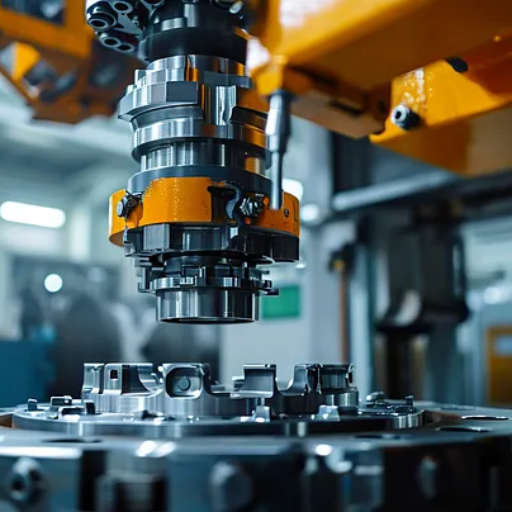
Engagement with Chinese suppliers is a fairly cost-friendly option, resulting in high-quality parts as well as cutting-edge technology in the CNC machining business. However, one would not be available without efficient communication. For everything this needs to include immutable sheets between cultural diversity, language, and exclusive ways of doing business. But this article attempts to give you some insights and competent suggestions about how to communicate with a Chinese supplier wisely, professionally, and effectively. This could help you set up a long-lasting relationship, one into CNC machining. Loosen yourself into various relationships that may materialize: deceive yourself by stating your demands or designs in negotiations: keep on connecting where it matters through sending inputs that will definitely keep production up and running, and making payments when you have to.
Computer Numerical Control (CNC) machining is a process wherein computer software programs are coded to manage tool or machinery movement for the purpose of producing precision-made parts or components. Chinese suppliers MRO China are highly placed in the global CNC machining industry as they offer advanced capabilities, affordable services, and high-quality results. The well-set manufacturing infrastructure-focus on innovation-make Chinese suppliers indispensable to those involved in the manufacturing of products at a competitive price. It is sturdier for businesses to partner with these suppliers who typically have a wider choice of raw materials to choose from and a vast manufacturing capability capable of adjusting to specific project requirements.
CNC machining plays an instrumental role in modern manufacturing, distinguished by its strength in precision, efficiency, and versatility. Recent data trends are quite revealing concerning the expansion of CNC machining-as the industry thrives to realize exceptional quality, cost- efficiency, and scale-ability in production. CNC machining is ideal for generating intricate components with minimal errors, and it is proved to be quicker and more accurate in comparison with traditional processing methods. This technology is adopted cross- industry, that is, for aerospace, automotive, medical device manufacturing, and so forth, as it ensures that every piece manufactured becomes an identical result, while at the same time safeguarding a high output yield and quicker manufacturing. Further, an advantageous offset in terms of pliability is attained through the drumming response when working with digital design-The fast establishment of prototypes and the capacity for customizations clearly attest to this. Nevertheless, CNC machining continues to find application as an essential tool for ensuring innovation and operational excellence, as it efficiently meets global production market demands.
The Chinese CNC machining factories which have further evolved to become rather famous for offering superior services worldwide have further advanced the idea for being a good conversion of transformed costs expectations. Using high technology and extremely advanced tools has enabled them to cover various solutions in aerospace, automotive, electronics, and medical sectors. They are most fond of giving precision engineering, quick prototyping to full production architecture, and are hence embraced as the hotzone on those occasions when an enterprise has to strike a safe balance, combining both sides of the equation.
A market-leading Chinese manufacturing concern will always find a way to integrate innovation within efficiency itself. Most of them have high-precision CNC technology with a stringent quality control standard. ISO standards are always being worked upon, meaning that each facility must have one when it designs according to worldly specifications. Offering trained teams to support and customize the CNC equipment according to any special specification is a feature that is commonly found among many Chinese companies. Lightweight in cost and having legions of suppliers, many are playing an instrumental role in the shaping of the CNC machining world market.
Chinese suppliers of CNC machining have been over time favored for valid reasons. First, they offer unparalleled cost effectiveness due to low-wage labor and production expenses, and demand is very high for their quality work. The factories also comply with international standards on quality, such as ISO certifications; in so doing, they are assured to meet the required specification and reliability in their final product. Additionally, they have modern machinery to meet the future trend of manufacturing on the advanced specter of 5-axis CNC machines and forge a favorable position catering to the highly diversified call of the industry.
The robust and easily available supply chain and raw materials of China serve to expedite production deadlines while credited to shorten lead times for orders. This advantageous trait is enhanced by Chinese suppliers’ ability to tailor engineering support for the sole purpose of providing clients with prototyping or a large quantity. Together with government incentives and investments supporting industrial innovation, CNC technology bloom is yet happening in their home turf.
Chinese suppliers are therefore able not only to produce for global markets but also to improve the speed of delivery to the final consumer countries, which consequently enthrones them as industry leaders in CNC machining. Any company looking forward to settling with the Asian dragon for timely reliable, high quality, and cost deceiving his businesses of CNC machining.
✓
By employing these basic strategies, these Chinese manufacturers will work better with you.
WeChat is an essential instrument for interacting and trading with CNC suppliers from China. Because of it being used widely and also being simple to use, WeChat is viewed as imperative. To begin with, it is a must that you create a business binding profile of yourself wherein Details of company name and role are stated so as to forestall misunderstandings from occurring due to a lack of clarity. Utilizing WeChat messaging allows for rapid responses at your fingertips, requiring one to be somewhat to the point in official language. Demonstrably, it provides an option for a group chat that allows talking to multiple stakeholders at once- which serves in the speedup of the decision-making process for each involved party. Thanks to WeChat’s wide popularity, all users can easily share files and seek parallel language translations thereby overcoming a significant bottleneck-liberated flow of information and security. Messaging each other via WeChat along the stretch of a project helps to gain trust and maintain an active and good communication channel.
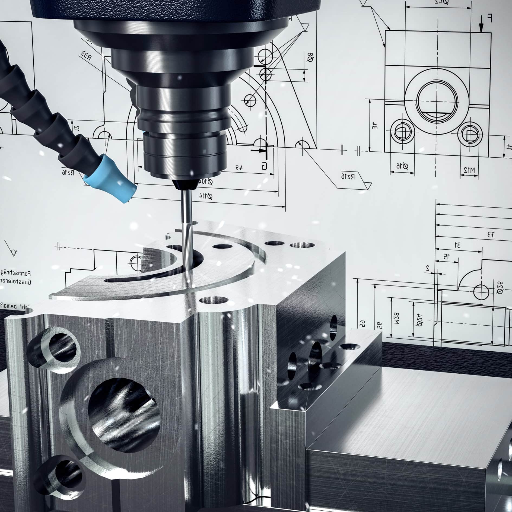
In CNC machining projects, visual aids are fundamental necessities in helping individuals appreciate and communicate about the projects. They range from detailed CAD (Computer-Aided Design) drawings to block process diagrams in helping stakeholders visualize complex concepts such that all people involved in or contacted in one way or the other have a clear understanding of what the project needs are. Three-dimensional rendering tools and simulation software are an all-time weapon to anticipate potential production bottlenecks early in the design phase. Utilization of such tools means that common errors are detected and optimized, thus saving valuable time and money during production. But inevitably through clarity, visual aids primarily work toward enhancing collaboration, and therefore build a stronger linkage between technical teams and clients for better outcomes on the project.

The first step needed to assure the quality control systems acumen is to ensure that individual are placed at the onset to ascertain that elements laid down in clear, unambiguous, and measurable criteria specifications would be maintained. Describe the standards in greatest detail possible, embedding various facets like dimension, material to be used, tolerances, etc. The quality specifications must be documented and accepted. It should be in writing, e.g., in a quality control checklist. Interact on the factory floor with the vendor by sending samples or prototypes for understanding expectations. To maintain quality control in manufacturing, use house inspectors or third-party inspectors. It is paramount that any new relationship forged be on the basis of mutuality and trust for the successful outcomes of this unique project.
It is very important to have quality check and inspection methods to ensure that the CNC components are perfectly functional indeed. Typically, this involves a combination of verifying the sizes of dimensions, checking for any surface blemishes, and assuring the correctness of mechanical properties. Some considerably advanced procedure is undertaken during these evaluations, such as the use of Coordinate Measuring Machines (CMM), which can precisely measure the complex geometries in accordance with the tolerances required on the design document. Profilometers can be used to confirm that the final product possesses standard roughness as specified by calls made, very prevalent in enabling levels of roughness to be confirmed. The internal structure of components can be exposed using ultrasonic or X-ray inspection techniques, quite a popular series of tests. Therefore, these developers in the field should use intensively functional inspection equipment to predict consistency and efficiency factors like faults and production stoppages.
Effective communication is crucial for setting the quality expectations of manufacturers in alignment with the expectations of consumers. Miscommunication can be totally avoided by making the specifications clear and elaborate in the beginning of the project. These specifications must identify the quality standards in measurable terms, explain in detail the drawings or samples, and record all agreements in writing.
Communication, say, during production at regular intervals, is also a necessity. The information on progress, quality checks, or open feedback on progress timeously assist in the detection of any misunderstandings that might be corrected before they ruin harmony. Standardized quality control measures and pre-shipment inspection grant a fair degree of assurance that the standards agreed upon will be reflected in the final product.
Bridging the gap-the theme for the actions of all involved-builds trust and deepens the understanding of each party in relation to their responsibilities with the result that wrong-doings can further be minimized.
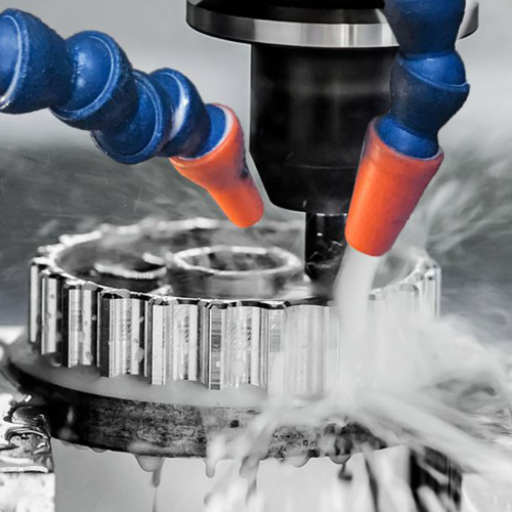
It is essential to start exactly at the beginning by explaining what the project requires and what is expected in terms of time frames and quality standards. Those communications may need to have a visual or literal representation, for example; diagrams or CAD files. This should help prevent misunderstandings.
Use email, video calls, and social platforms such as WeChat for consistent communication. This is necessary because everyone is operating with the same information, especially with the threat of COVID-19 and remote team dynamics.
Due to how different Chinese etiquette, valuation, ethics, and cultural preferences are from those of prejudged Americans, it is beneficial to know the varied interactions that cultures respectively consider the right and the wrong way.
Another popular option among internationally worked groups is to appoint a single dedicated representative. That representative should be courteous (English and Chinese) enough to be able to communicate information and resolution to any company within the group. It seems to have a certain column of expense, but this tactic is a good thing in the long run.
The project should be checked up on at regular intervals to ensure that delivery proceeds smoothly, focusing on problem resolution as early as possible. Consistent communication helps to build trust.
Time zone troubles can be turned to work to one’s benefit with some proper planning and organization. A specific timeframe that integrates working hours during which team members can communicate to suit all time zones will also be sorted out. Wherever there is no overlap, well-organized teams can take support from a follow-the-sun concept, which means each time handover will take place from one time zone to another to decrease any downtime and expedite the project process. Team success is further deserved by good use of shared tools, including digital technologies like project management platforms and communication software, to enhance and facilitate global collaboration among all team members.
It is considered important to stick to a structured approach at large while asking for CNC machining components to ensure quality of delivery as well as cost-effectiveness to be associated with timely delivery. Here are some of the best practices:
By going a couple of steps further alongside smart preparation, reliable vetting processes, and leveraging some digital tools, the company effort has chances of successful procurement of high-quality CNC machining components without marking a hefty price on account of cost efficiency nor delaying the project.
Any sourcing approach for CNC machining service should start with clearly outlining project specifics related to dimensions, tolerances, materials, and quantities. This step will follow with an assessment of the listed capabilities and specialization levels of the suppliers: keep an eye on suppliers that have demonstrated, sustained performance with clients, any credentials to industry standards, then finally get customer referrals that are good.
Draft a formal RFQ to spark real and accurate pricing and lead time details. The quality of the responses must be the utmost concern of the buyer along with terms of payment. Also, response acceptance will largely depend on how well activities classified under delivery reliability and communication effectiveness were executed. As you exchange clear communications with your future immediate supplier to help address any hitches that may rise, thus facilitate your smooth and unbroken production line it is then hoped that you never fall slack. A performance review should be conducted periodically to allow for changes in strategy as well as to maintain a good relationship with the supplier.
Before dispatching CNC machining parts/products, it is highly essential that thorough checks are conducted to ensure that the products meet the quality standards and specifications of customers. Checking dimensions, surface finishes, tolerances, and material integrity must be carried out to ensure that the end product is in accordance with the requirements specified at the time of design. The implementation of instruments such as calipers, coordinate measuring machines (CMMs), and surface roughness testers has offered manufacturers the facility to identify a pessimistic valuation of defects/deviations.
In the latest perspective, customers’ appetite for high-quality, defect-free CNC products has soared thanks to the precision-manufacturing capabilities and stiff global competition. Failure to reasonably inspect parts at the time of shipping can lead to costly returns, marred reputation, and possible future losses of business. Having a comprehensive inspection before shipping ensures customer satisfaction, eventually racks up trust, and definitely guarantees a competitive edge on the market.
Effective communication enhances trustworthiness and transparency with Chinese manufacturing interests. Mutual efforts are placed in creating an open communication mechanism both up and down that allows related issues and expirations to be discussed. Plans to build medium to long term partnerships rather than short term dealings should, in the immediate case, lead these factories to consider more personal interest in standards and consistency. Strict guidance on factory visits and third-party audits make factories answerable while always assured of restriction, plugging up with high standards. An elaborate contract put down on paper that defines each of the roles required by law mostly brings freedom to the parties. Making trust is by great expectations, but relationships founded with mutual respect and significance keep up a great base.
Analysis on the Effects of Global Supply Chain Reconfiguration on China’s High-End Equipment Manufacturing Industry
This paper examines the impact of global supply chain changes on China’s high-end equipment manufacturing, including CNC machine tools.
Read the paper here
International Competitiveness of China CNC Machine Tool Industry
This study explores the competitiveness of China’s CNC machine tool industry and strategies for improving its global standing.
Access the study here
A State-of-the-Practice Study on Communication and Coordination Between Chinese Software Suppliers and Their Global Outsourcers
This research focuses on communication strategies and coordination practices between Chinese suppliers and international partners.
View the paper here
Organising International Supplier Relations: An Exploratory Study of Western Purchasing in China
This study investigates the dynamics of supplier relationships and sourcing strategies in China.
Read the study here
Please inform the Chinese manufacturer of all your requirements right from the beginning via detailed drawings/cad files, allowable tolerances, acceptable materials, and some photographic examples. Use messaging apps and mail concurrently starting the milestones for any pre-shipping QC and sample work, getting any interpretation in writing to counter any eventual misunderstanding. It pays to recognize the time zone and corporate hierarchy issues by encouraging overlap hours and the early surfacing of any grievances.
As a predicated supplier-supplier interaction, a lengthy acquaintance is vital in any business agreement. Strive to get familiar even with the organizations that you do or do not know. While it definitely behooves you to personalize this relationship process around the Chinese Lunar New Year, please do celebrate milestones, never forgetting to visit their factory or even hire some local expert representative in China. Thus such an understanding partnership may then grow wings and take off; it is then subject to practical perspectives on business practice.
While they are quite widely cited by manufacturers in China, messaging tools like WeChat encourage rapid-fire communication (written, backed by snapshots, videos and voice notes), very useful for resolving QC and production matters. Nevertheless, other complex technical documents must follow through email or shared drives to eliminate any jargon barrier; these should be supplemented by written confirmations and considered more effectively.
Consider that in this context misinformation could arise from some cultural differences as experienced between China and your country—things like indirect feedback, a deep desire to save face, and high hierarchical decisions. Use open questions, confirm information, avoid public criticism, and seek translation assistance. Clear and concise instructions followed by staged approvals can ease potential issues pre-full production.
When employing a new supplier, always begin with a pilot order or pre-production sample to make certain that this supplier can meet and implement the requirements successfully for subsequent QC processes. From here, other ventures may involve the creation of a standard documentation, factory audits or third party inspections, and the process for accepting corrective measures with regard to defects. Overall, the trust being built between both parties, along with the opportunity to avoid exaggerated misunderstandings and the establishment of processes that can set the orders from here becomes the prime benefits once penalties for future repeats have been decided.