

Supportive, Professional, Client-Focused Service
From prototypes to full-scale production, we’ve got you covered.



Aluminum stands out as one of the most versatile and widely used materials in precision machining across industries including aerospace, automotive, and electronics. When working with this lightweight yet strong metal, certain machining processes offer distinct advantages over others. Electrical Discharge Machining (EDM) has emerged as a premier choice for complex designs, tight tolerances, and hard-to-reach geometries. This comprehensive guide explores when EDM machining becomes the ideal method for aluminum, examining the primary and secondary advantages of implementation along with key applications. Whether you’re a manufacturing professional looking to enhance your production process or simply interested in advanced machining techniques, this article provides everything you need to make an informed decision.
EDM machining offers unparalleled precision for aluminum parts, especially when dealing with intricate geometries, tight tolerances, and applications where traditional cutting methods fall short. Its non-contact process eliminates mechanical stress and material deformation.

EDM, or Electrical Discharge Machining, is a non-traditional machining process that removes material from a workpiece using electrical discharges or sparks. The process involves an electrode and the workpiece, both submerged in a dielectric medium, between which controlled electrical discharges create precise sparks. The dielectric medium serves multiple critical functions: it cools the work zone, flushes away debris, and creates optimal conditions for spark generation.
EDM excels when machining electrically conductive materials. It’s particularly valuable for achieving strict dimensional tolerances and complex geometries in applications such as mold-making, die production, and tooling components where conventional cutting tools would struggle or fail. Since EDM is a non-contact process, the workpiece experiences no mechanical force, making it ideal for delicate or hard-to-machine materials.
One of EDM’s primary advantages is its versatility—it can cut even the toughest materials like titanium, tungsten, and hardened steel while delivering excellent surface finishes with extremely tight tolerances. This makes it indispensable in aerospace, automotive, and medical industries where precision and material performance are paramount.
While material removal rates may not match those of traditional techniques, EDM secures extensive employment for custom and special-purpose projects where precision outweighs speed.
Electrical Discharge Machining operates through the power of electric discharges, or sparks, to erode selected material from the workpiece. The process begins with an electrode and workpiece both immersed in dielectric fluid. When the two components come close together, a controlled electric current flows from the electrode to the workpiece, generating minute sparks that remove material with extreme precision.
The dielectric fluid maintains electrical isolation between the electrode and workpiece until sufficient voltage is applied to create a spark. It simultaneously carries away debris formed during the process and cools the workpiece. This cooling function is crucial for maintaining machining quality and ensuring consistent precision throughout the operation.
Companies in aerospace, automotive, and medical manufacturing sectors rely heavily on EDM for creating highly detailed parts with exceptional precision. While the process operates more slowly than traditional methods, its accuracy and ability to work with extremely hard materials make it the preferred choice for specialized applications.
Three major types of EDM (Electrical Discharge Machining) machines serve specific purposes for different manufacturing applications. While all operate on electric-discharge principles, each type addresses unique machining requirements.
The availability of these three EDM methods provides manufacturers with versatile options for meeting diverse production requirements where both accuracy and adaptability are essential.

Electrical Discharge Machining (EDM) represents an excellent choice for machining aluminum parts due to its precision and ability to handle complex geometries. Unlike traditional cutting methods, EDM operates without physical contact between the tool and workpiece, eliminating any risk of material deformation—a critical factor for preserving the mechanical integrity of materials during machining. This characteristic makes it particularly suitable for intricate components and high-precision parts.
Aluminum’s high thermal conductivity presents challenges in conventional machining processes, often leading to overheating or warping. EDM’s electrical discharge process induces no mechanical stress, facilitating high-precision material removal without heat-affected zone defects. This ensures the final product meets exact specifications with ultra-smooth surfaces and tight tolerances.
EDM demonstrates remarkable versatility across industries utilizing aluminum components, including aerospace, automotive, and electronics. It excels at tasks like precision hole drilling and other operations that would be challenging or impossible using conventional methods. This combination of flexibility, precision, and non-contact operation makes EDM a highly reliable and efficient solution for producing high-quality aluminum parts.
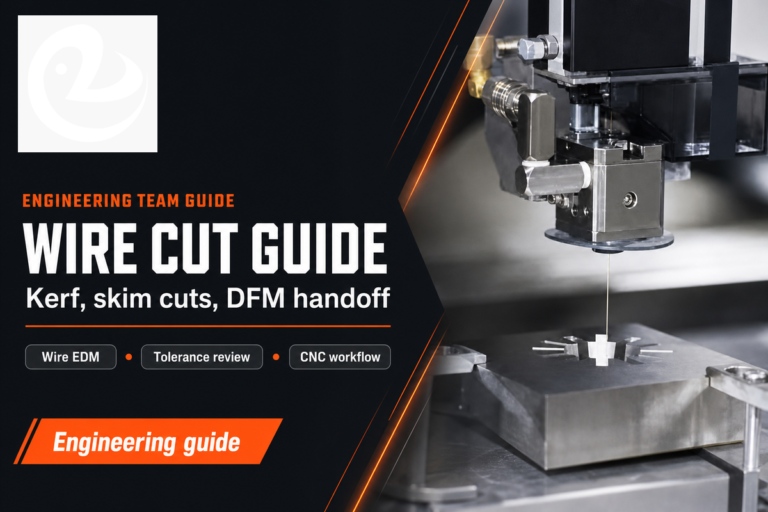
Wire EDM machining plays a crucial role in manufacturing highly intricate parts across various industries. In aerospace manufacturing, wire EDM produces high-precision components such as turbine blades, fuel system parts, and complex engine components. Its ability to handle intricate geometries with exacting standards makes wire EDM essential in aerospace manufacturing, guaranteeing the reliability and functionality of critical aerospace components.
The medical sector also benefits significantly from wire EDM technology for designing precision tools including surgical instruments, orthopedic implants, and complex stent designs or micro-sized medical tools. The non-contact electrode positioning eliminates many limitations associated with conventional machining technology, minimizing distortions that could affect final product dimensions while preserving heat-treated material characteristics crucial for medical applications.
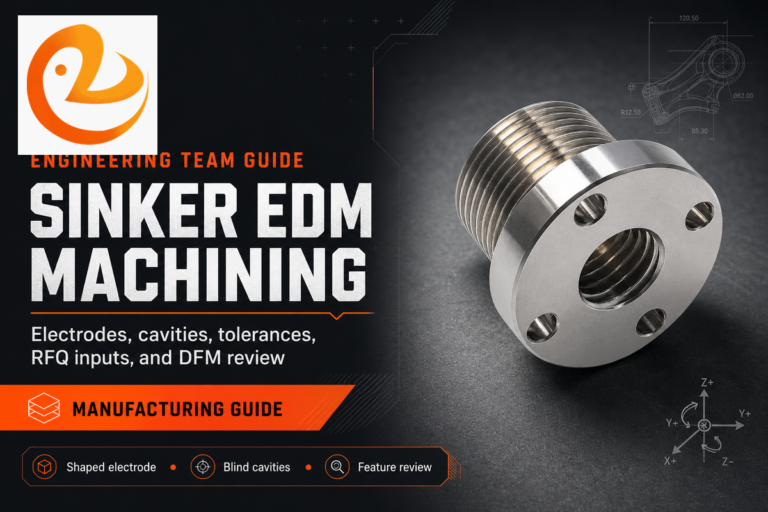
Sinker EDM proves highly effective for machining intricate and precise cavities in hard-to-machine materials. This technique employs a shaped electrode with electrical discharges to remove material and create shapes that are difficult or impossible to achieve using conventional machining methods. The sinker EDM process particularly excels in achieving delicate details with extreme accuracy for challenging designs.
Materials with very high functional hardness—including hardened steels, tungsten carbide, and titanium alloys—are ideal candidates for sinker EDM. This popular technique operates without applying any physical force, ensuring that delicate materials maintain their distinctive characteristics throughout the process. Sinker EDM achieves tight tolerances and exceptionally smooth surfaces, making it invaluable for mold-making, precision-device parts, and medical equipment.
The process requires both the workpiece and shaped electrode to be placed in dielectric liquid, which controls pulses and provides cooling to ensure orthographic material removal. The controlled erosion of particles does not affect electrode sharpness or longevity. By properly setting EDM parameters, manufacturers can create complex cavities faster than building geometrically impossible surfaces through other methods.
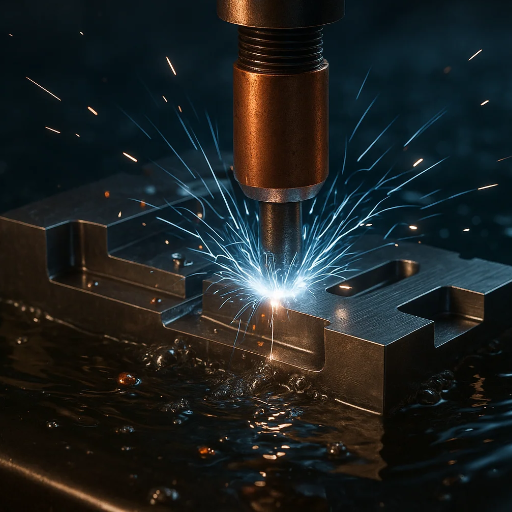
Electric discharge machining (EDM) delivers exceptional accuracy and precision, giving it a crucial advantage in machining aluminum operations. This becomes particularly beneficial for components with intricate formations or fine details that would be too complex to accomplish effectively through conventional methods. EDM achieves this through controlled electrical discharges that selectively remove material without influencing the surrounding area—an accuracy level that remains unmatched.
One significant advantage of EDM is its ability to maintain exact tolerances regardless of material softness or design complexity. A major challenge in machining aluminum is its tendency to deform during conventional machining operations. However, with EDM, the deformation risk is eliminated since the tool never physically contacts the workpiece. Products manufactured this way conform very closely to desired specifications, ensuring no mechanical flaws occur during the process.
For applications requiring highly precise aluminum components, EDM stands out as a reliable and effective machining solution.
When machining geometrically complex shapes with precision, EDM proves ideal for intricate designs and detailed components. This process differs from traditional cutting methods in its ability to handle hard-to-cut materials and designs with very fine geometries without risk of tool-on-contact damage. This advantage becomes particularly important for fragile or high-strength materials where conventional precision machines show their limitations.
The system operates on the principle of material erosion through electrical discharges, enabling it to create sharp corners, deep cavities, and intricate patterns more easily. Such levels of accuracy and precision are essential in the aerospace and automotive industries, as well as for medical device manufacturers, where designs are increasingly complex. EDM ensures tight tolerance and geometrical accuracy in the final product.
Electric discharge machining (EDM) helps save time and costs by providing the capability to produce shapes that would otherwise be impossible or too complex to create. This includes components with internal cavities, thin walls, and complex profiles that are otherwise inefficient with different machining processes. The EDM method simplifies processes, reduces waste, and enhances performance in applications requiring fine tolerances, establishing itself as an integral part of modern engineering.
A principal advantage of Electrical Discharge Machining (EDM) lies in how it minimizes tool wear. Unlike traditional methods, EDM operates as a contact-free process. The tool experiences virtually no physical wear because EDM functions through non-contact operation. Electrical discharges generate sparks at very small, defined locations against the workpiece, meaning the tool surface receives no mechanical cutting stresses. Material erosion occurs through electrical action rather than tool wear, allowing tools to last significantly longer with fewer replacements needed.
EDM is optimized for higher precision under demanding machining workloads. The negligible forces exerted on the tool mean tool shape and sharpness are maintained throughout the machining process. This aspect proves highly beneficial when machining complex forms or materials with high hardness that would cause rapid depletion or degradation of conventional cutting tools.
Moreover, reduced tool wear enhances cost-efficiency and productivity. Less production downtime occurs, meaning production cycles continue uninterrupted. Extended tool life also signifies lower tooling costs, making EDM a reasonable and economical choice for precision and durability-demanding sectors.

One challenge in EDM machining aluminum is the creation of a recast layer on the workpiece surface. This layer results from molten aluminum resolidifying and settling on the surface during the process. The recast layer can compromise surface quality and reduce material structural integrity. Appropriate solutions include applying proper flushing techniques and optimizing machine parameters such as pulse “on” and “off” durations.
Tool electrode wear can negatively impact machining precision and consistency due to aluminum’s relatively coarse grain structure combined with high thermal conductivity. This results in accelerated electrode wear compared to other materials. Solutions include selecting superior electrode materials (such as copper or graphite) and careful management of discharge energies. Regular monitoring and maintenance of electrodes help maintain desired precision levels.
Aluminum presents another obstacle with its tendency to generate significant debris during machining. This can hinder efficiency while jeopardizing machining accuracy. Debris buildup may cause arc formation, impeding proper machining. Efficient debris removal through effective flushing techniques—such as high-pressure flushing or specially designed fluid pathways—ensures prompt debris removal and maintains uninterrupted machining quality.
While EDM offers numerous advantages, it presents specific challenges requiring precise and controlled operations. Electrode wear represents a common issue that compromises both throughput and precision. Operators can address this by optimizing process parameters—using lower current settings, implementing advanced pulse control, or reducing electrode wear through careful parameter adjustment. Another effective approach involves selecting electrode materials with superior wear resistance, preferably maintaining them through regular tip dressing as wear occurs.
Carefully control pulse duration and intensity in the electrical discharge process to stay within safe limits. Implement advanced pulse control systems for better precision.
Install efficient cooling systems to dissipate sparking heat effectively, cooling the workpiece to minimize thermal damage and prevent micro-cracking.
Utilize high-pressure flushing systems with designated flow paths for dielectric fluid. Regular system maintenance and cleaning ensure uninterrupted operation and machining precision.
Thermal damage to the workpiece is another concern in EDM, particularly when poor surface quality and micro-cracking occur. Ideal control of parameters such as pulse duration and intensity keeps the electric discharge process within safe limits. Furthermore, efficient cooling systems can significantly aid in heat dissipation from sparking, helping cool the workpiece and minimize damage.
When evaluating cost elements for implementing and operating an EDM system, several factors require consideration. The upfront cost involves machine acquisition, which varies depending on capability, size, and accuracy requirements. Generally, advanced features and higher accuracy levels in high-end EDM systems make them more expensive, while basic models are designed for affordability with limited functionality.
Operating costs significantly impact the total expense, particularly power consumption determined by machine usage degree and duration. The dielectric fluid used to flush removed material from the workpiece contributes additional costs. Maintenance represents another recurrent expenditure—keeping the machine clean and periodically replacing components are essential expenses for proper EDM operation. Without regular upkeep, precision and performance can deteriorate.
Additionally, indirect costs require consideration, including operator training and labor rates. Skilled technicians are necessary to ensure equipment is used correctly. Downtime due to maintenance or repair can lead to productivity losses that further increase costs. Balancing initial investments, operational efficiency, and maintenance requirements provides a pathway for businesses to perform cost-effective EDM operations while maintaining machining capabilities without exceeding budget limits.

When selecting the appropriate EDM machine for working with aluminum, consider application-specific requirements carefully. Wire EDM machines excel at working with intricate shapes and very fine details. These machines use a thin wire as an electrode, achieving accurate machining without direct contact with the workpiece material. This makes them suitable for complex part designs requiring tight tolerances.
Conversely, die-sink EDM (sinker EDM) systems are better suited for machining cavities, molds, and grooves in aluminum. This technique utilizes a pre-shaped electrode that literally plunges into the material to create desired geometry. These machines are particularly useful for applications where unique, repeatable designs with multiple features or cavity details are required.
Another important consideration when working with aluminum is ensuring the machine can handle aluminum’s unique characteristics. For example, aluminum’s excellent thermal conductivity requires proper power settings—high temperatures can potentially create recast layers that quickly cover the workpiece. Therefore, power settings must be appropriately adjusted. Proper cooling systems and suitable electrode materials also play crucial roles in handling this specific material. When an appropriate EDM machine type is selected, companies can improve performance, reduce costs, and drive quality efficiently.
For an EDM machine to attain optimal performance, proper attention must be paid to machine setup, operational parameters, and maintenance practices. These elements strongly influence overall machine operation in terms of workpiece accuracy, cutting efficiency, and quality.
Calibration of the EDM machine is essential for delivering results per workpiece specifications. Correct alignment of assembly components maintains machining accuracy, with proper dielectric-filled operation fostering optimal spark generation. The electrode material should match the workpiece morphology to resist wear and extend electrode lifespan.
Input energy and frequency must appropriately manage material type and desired cutting action. Handle pulse duration, intensity, and feed rate corresponding to workpiece requirements. A steady cooling system maintains work precision, prevents overheating, and protects material from degradation.
Regular inspection and cleaning prevent dirt and grime formation that may lessen performance. Maintain dielectric system fluid levels and promptly replace worn electrodes. Regular maintenance prolongs machine life and ensures consistent performance.
By meticulously managing these variables, operators can enhance reliability, efficiency, and overall output quality of their EDM machines. This systematic approach optimizes workflow and ensures sustainability of machining processes over time.
EDM machines require proper maintenance to ensure normal operation and longevity. The first priority is regular inspection and cleaning. Dust, debris, and accumulated metal particles cause malfunctions, inefficiencies, or component damage when allowed to gather on sensitive structures and connector blocks. Keeping the worksite clean and removing all impurities protects critical machine segments, ensuring smooth operating conditions. Another critically important aspect of routine maintenance is inspecting parts—such as sealing units and connectors—for wear and tear to avoid unexpected breakdowns.
Check, top off, and replace dielectric fluid at periodic intervals to maintain proper conductivity and cooling. Contaminated or degraded fluid causes inconsistent machining or equipment damage. Replace filters regularly to maintain fluid purity and preserve efficiency.
Test and calibrate machines regularly to ensure adherence to specified tolerances. This includes checking alignment, adjusting power settings, and replacing worn electrodes. Follow manufacturer’s maintenance schedules to address minor issues before they escalate.
By prioritizing these maintenance steps, operators ensure machines perform reliably with sustained precision over extended periods.
EDMing Aluminum shapes aluminum parts using electrical discharge machining techniques with controlled electrical sparks rather than cutting forces. Unlike traditional CNC machining that uses rotating cutting tools to remove material, EDM employs electrical discharges, enabling complex geometries, tight tolerances, and delicate features that are difficult or impossible to achieve with conventional tools.
EDM operations are preferred when parts require extremely fine details, sharp internal radii, thin wall sections, or when the aluminum alloy is hard to machine conventionally. CNC wire EDM is best suited for maintaining tight tolerances and producing two-dimensional profiles with precision, while sinker EDM creates complex three-dimensional cavities. When a workpiece involves delicate structures or requires minimum mechanical stress, EDM is typically the better choice.
Absolutely. EDMing Aluminum achieves very fine surface finishes and tolerances at levels comparable to CNC wire cutting. While CNC wire EDM presents superior edge quality and precision for 2D profiles, sinker EDM ensures excellent finishes on 3D complexities. The final surface appearance depends on factors including spark energy, electrode material, and flushing conditions.
Several aluminum alloys can be machined by EDM, including 6061, 7075, 2024, and many others. Alloys with increased electrical conductivity are generally more machinable. Some high-strength or heat-treatable versions might require refined EDM parameters. Aluminum grades with specific thermal and machinability characteristics are often preferred in tooling applications for dies and molds.
Yes, EDMing requires selected electrodes (generally graphite, copper, or copper-tungsten) for sinker EDM and CNC wire for wire EDM. Dielectric fluids, flushing systems, and proper setups are equally essential. Electrode design and wear compensation must be considered in aluminum EDM to ensure dimensional accuracy and maintain surface quality.
EDM machining times can be longer than conventional machining for large volumes of material removal, since material is removed spark by spark. However, for components with fine details, tight tolerances, or those requiring multiple setups or special tooling on conventional machines, EDM can be faster overall. The choice between speed and precision should be carefully weighed when selecting between EDM, CNC wire, or traditional milling.
Yes, there are limitations including inherently lower material removal rates for bulk conditions compared to milling. The material must be conductive (aluminum is, so this requirement is satisfied). Potential recast layers and heat-affected zones can form if not properly controlled. Other considerations include electrode or wire costs, special maintenance requirements, and specific dielectric needs. For simple parts, conventional CNC milling might be more cost-effective than EDM.
Design for EDM should factor in minimum feature size, draft angles, electrode or wire accessibility, and considerations for electrode wear or wire kerf. Appropriate tolerances must be specified to enable intricate machining processes. Consult with your machinist to optimize EDM procedures when establishing parts for subsequent machining operations or assembly processes.
EDM machining represents a powerful and versatile technology for aluminum fabrication, offering unmatched precision, the ability to create complex geometries, and minimal tool wear. While it presents certain challenges—including slower material removal rates and specific maintenance requirements—its advantages make it indispensable for high-precision applications in aerospace, automotive, medical, and electronics industries. By understanding the different EDM types, following best practices, and implementing proper maintenance protocols, manufacturers can leverage this technology to produce exceptional aluminum components that meet the most demanding specifications.