

Supportive, Professional, Client-Focused Service
From prototypes to full-scale production, we’ve got you covered.


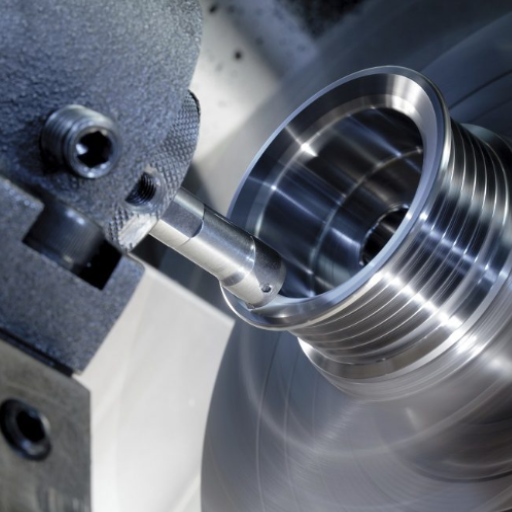
Stainless steel has become popular as a material in manufacturing, due to its characteristics that prevent rust or corrosion. Modifying stainless steel using CNC milling is one of the tasks that presents some significant challenges if not properly prepared. Each parameter has a decisive effect on the precision and efficiency of the whole operation: selecting the right tools, adjusting speed, and feed. This guide provides insights which briefly address the consideration at hand, along with possible solutions, making tool life outlast consumable items and assuring an excellent finish. This article will indeed come in handy for both beginners and experienced machinists striving to machine stainless steel, passing on valuable tips on overcoming machine-ability concerns.
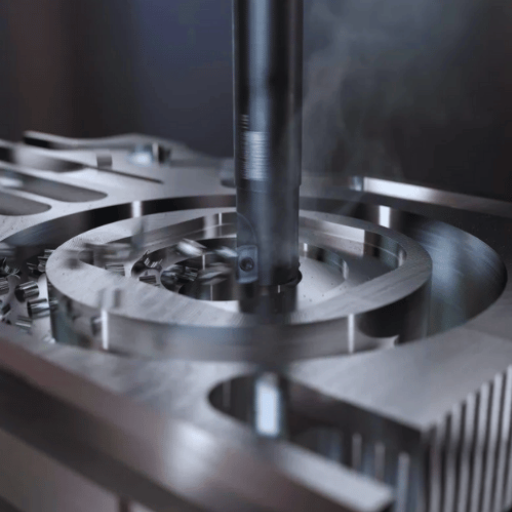
Speeds and feeds are very important to CNC milling stainless steel; they can in fact decisively determine how well a tool would perform, the kind of surface quality it will leave behind, and tool life. Proper spindle speed coupled with the correct feed rate will ensure a fine and economical cutting process while minimizing heat production, which often dulls cutting tools as well as harshly affects metal surfaces needed to be worked on. In view of the fact that stainless steel itself is extremely hard and doesn’t go quite well with hot plastic cutting, an ideal setup may come with levels differing from which stainless steel is cut.
Machinists typically contemplate on the machinability of stainless steel, the type of tool material, and the depth and width or extent of the cutting as factors while determining speeds and feeds. It is generally advised that stainless steel should be cut by working at low spindle speeds with relatively high feed rates to ease excessive tool wear, with coolants being a must as they will drain out heat for the cutting liquid.
Equipment failure, poor finish, and work hardening can result from incorrect cutting speeds and feeds; thus, monitoring is needed during the process and subsequent adjustment of what is perceived feasible in real-time. Correct speeds and feeds ensure a degree of accuracy, extend tool life, and thus guarantee any work piece is up to standard.
Stainless steels are classified by the composition, properties, and applications from very broad categories, with the major commonest grades being austenitic, ferritic, martesitic, duplex, and precipitation-hardening steels. The basis for the far-reaching grading system is the whole structure and the subsequent alloying additions, mainly chromium, nickel, carbon, and sometimes other metals such as molybdenum. These characteristics define the corrosion resistance, yield strength, and hence represent the weldability.
Austenitic stainless steels are the most commonly used among these classes and are members of a series of 300 due to their excellent corrosion resistance, high ductility, and weldability. These steels are nonmagnetic and withstand almost all environment chemical and marine applications. The commonly used types are grades 304 and 316, with 316 being a better performer due to its resistance to chloride and salt solutions.
Ferritic stainless steels are magnetic and, because their nickel content is relatively low, are less expensive. They present less workability compared to the austenitic grades but are resistant to non-aggressive environments. Common grains some times called 430 are kitchen appliances. By contrast, martensitic stainless steels are not as ductile but are strong in terms of strength and hardenable by heat treatment and hence are suitable in applications like cutlery and surgical instruments. Duplex and precipitation-hardening grades offer high strength and exceptional corrosion resistance to satisfy those very demanding industries such as oil and gas. These designations specify certain groups of stainless steel grades to perform well with different requirements.

CNC milling is a manufacturing systems service that involves tools which carve unimaginably precise parts by way of computerized numerical control (CNC). A digital model of the part to be machined is the starting point for a CNC program, which takes control of a CNC machine in executing the programmed part dozens of more times with perfect accuracy.
The computer-controlled process includes major parts such as a body covered with cutters either stationary or moving and a computer control of the system. The rotation of the various cutting tools requires the integration of the workpiece during a sequence of programmed fixed lines above a particular component. That is all steps denoted by rough cuts, cut, drill, pocket, and contouring, to name just a couple of performed operations in this entire production process, where the CNC milling machine shapes cut objects to precise overall outline, everything that has no direct presence of a user.
There are many industries where CNC milling is used extensively, particularly because it is incredibly precise and efficient and divides parts free of human error wherever very exact parts are required. CNC milling can work on metal, plastic, composites, and many other materials, making it extremely versatile for a multitude of production needs.
Machining of steel is a very accurate process in which some very important parameters play a very vital role in giving the desired result. The study of these parameters and making them controlled on their level so that the machining of steel is of good quality, efficient, and is operated with full performance. Here are some critical points considered about the parameters:
These are the parameters that must be mastered so that steel machining becomes incredibly efficient and precise to suit the requirements of modern-day manufacturing practices.
Various factors affect mill performance and play a vital role in the control of quality, efficiency, and precision within the machining process. Understanding and optimizing these factors in the context of steel machining are equally important in providing positive outcomes. Below are the key components of milling performance:
Through detailed examinations and refinements of these factors, industrialists can benefit from top-performing milling, cost savings, and still maintain high levels of productivity needed in today’s industrial competitiveness.
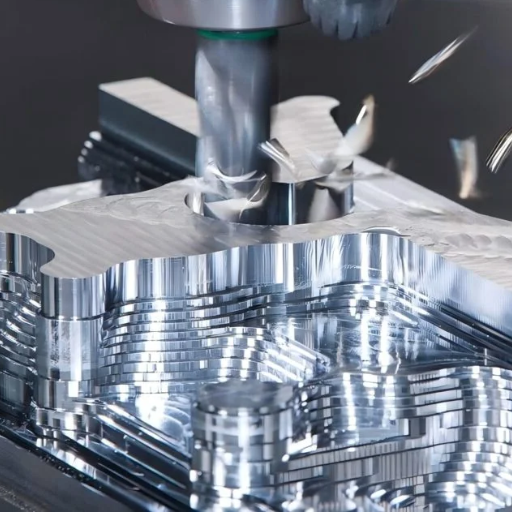
One absolutely great tip is to think about these operations when the engineers or operators are already finished calculating the most perfect/accurate settings on speeds, feeds, and bits. Best cutting speed would thus be the Nordex Actuators; the feed speed would be the dividing value over the distance that the table must go against the stainless. As we know, there is data on the grains, but they have not been provided.
To calculate spindles, the formula goes:
RPM = (SFM x 3.82) ÷ Tool Diameter
which is found to be a spindle speed in revolutions per minute.
In this formula, SFM is the cutting speed recommended for the stainless steel that is being machined; Tool Diameter is really the dimension of the cutting tool in inches. One should consult reliable manufacturers or references for recommended SFM depending on the specific grade of stakeholders and the tool material. In some cases, harder stainless steels may have a lower recommended SFM; softer grades could tolerate higher recommended SFM.
Optimization for the speeds mentioned above can reduce tool wear, enhance the surface finish, and preserve the machined material correctly. In addition, one also has to consider sufficient coolant use and feed rates to keep overheating to a minimum and ensure smooth operation. Bearing in the afore-mentioned principles will ensure that stainless-steel machineries will obtain precise and efficient cut.
Feed rates, which dictate how quickly a cutting tool moves through the material during machining, are vitally important. These need to be set right to ensure efficient and speedy cutting of material and to prevent excessive wear or damage to the cutting edge. The correct feed rate relies on a number of factors, some of which include catch-point material, cutting tool used, and machining operations best suited for each.
Set a feed rate appropriate to your catch-point material by reference to a machining guideline (provided in hard-copy or available online). These guidelines will specify recommended feed rates screen by material hardness and type of operation (e.g., milling, drilling, or turning), hence suggest initially setting your feed rate according to these numbers, though adjusting if-ferable-as-well as the necessary modifications in feed rate for the tool; the outer geometry; main face coating; and application, which will depend upon whether there is any lubrication or cooling present.
In addition, a feed test can be a helpful way to put things in perfect flight. This will enable you to determine if the selected settings produce the surface quality desired with minimalization of tool loading. You, through the optimization of feed and performance monitoring, can establish a balance in productivity, tool life, and finish to control each other.
The following tables provide general speed and pace recommendations for different materials and tooling types. These tables are considered as starting material for the machining process. Adjustments will be required based on machine tool capabilities, tool geometry, and processing conditions.
Table 1: Recommended Cutting Speeds (in Surface Feet per Minute – SFM)
Table 2: Suggested Feed Rates (in Inches per Revolution – IPR)
These charts are good starting lessons and are designed for further experimentation and slight changes according to the particular setup of the machine in use. It is imperative to think of the variations and performance opinions of the tool manufacturer to make the best product.

So when milling 304 steel, choosing cutting tools is almost always related to the toughness of the materials and its tendency to work harden very abruptly. For cutting 304 stainless steel, High-Speed steel and carbide tools are said to be the most suitable since they are long-lasting and have good resistance to heat. For the applications with high cutting speed, carbide tools are seen to give a better performance with increased tool life.
To maximize the results, a very sharp edge with a suitable geometry is an absolute must for any tool. Theyshould have a positive rake angle to decrease the cutting forces and the heat build-up during the cutting process. Conversely, proper evacuation of chips shall be required for the prevention of damage to a workpiece. Tools featuring good chip breaking designs can help you manage smooth, clear cutting operations
Cutting parameters such as cutting speed, feed rate, and depth of cut can have immense contribution in increasing the tool’s life and realizing the desired surface texture. Use of a coolant or lubricant during machining aids in decreasing heat and friction in the process, hence promoting process performance and dropping the chances of tool failure. The bonding of the right machining tool with effective machining practices will bring about an accurate and efficient technique for cutting this type of steel.
When you cut 316 stainless steel, you need to be sure that the tools you use are made from a combination of strong and tough materials. Preferably use high-speed steel (HSS) and carbide-tipped tools as these put up with temperatures quite well and retain their sharp edges. In precision terms of measurement, not with outstanding accolade are high-speed milling of carbide tools. These tools are flying under the radar and have proven well-capable to cut this resistant material minus any form of wear and heat-induced friction in the course of functioning.
The selection of appropriate tool geometries for drilling or milling is crucial. Tools, especially those with serrated cutting edges and good clearance angles, contribute to a reduction in work hardening thereby minimizing the amount of heat generation that often happens when machining 316 stainless steel. Nowadays, titanium nitride coatings, such as those applied to cutting tools, are highly appreciated for their improvement of the capability of these tools to resist friction and prolong the life of the tool.
It is just as important to apply coolant or lubricant while machining for sustaining optimum cutting conditions. Coolants have substantial values in discharging heat, minimizing friction, and preventing tool fatigue; this, in turn, contributes to keeping the output level intact with high-quality finishes. Proper machining speeds and feed rates, designed for the tool, are likewise essential for achieving precise cuts in while keeping the pureness and integrity of the stainless steel.
While selecting the tools for machining 416 stainless steel it is critical to select tools that will be able to withstand its properties of mildly hard and machinable nature. High-speed steel tools have found favor in the industry as a reliable source of good hardness and resistance to heat during cutting operations. They have been all the more popular because of the huge price difference between carbide tools. Carbides find significance in cases of higher-speed operations due to high wear resistance and durability.
The geometry of the tool is equally important for proper machining of 416 stainless steel. Tools with sharp edges and fine rake angles are useful for reducing cutting forces. This reduces the heat buildup during a cutting operation; therefore, chip adhesion can be avoided. With an exact tool line and suitable angles, the tool runout will not wear down at all, while tight tolerances and high-quality surface finish are maintained.
Briefly, one would extend the performance of the tools, which reduces friction and encourages the life of tools, hence the best cure over time. These layered coatings also provided for heat resistance and tend to lean towards operation where the cutting exercise is swift. Pitting these factors together, optimum computer-controlled machining speeds and feed rates create good working options for machining 416 stainless steel efficiently, as far as lengths of service for the cutter and safety of the workpiece are concerned.
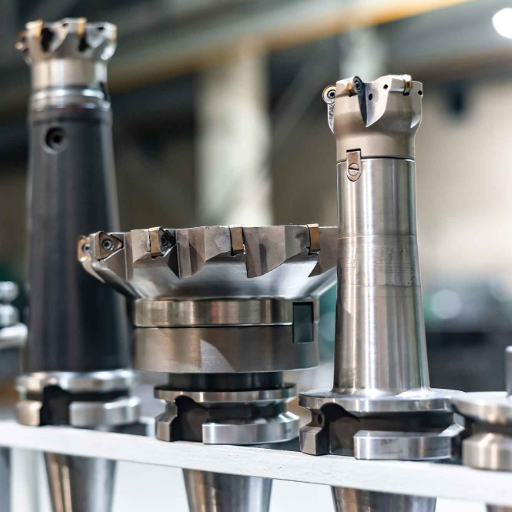
To reassure superlative surface finishing, one thing that is for sure is the usage of adequate tooling, machining parameter settings and proper maintenance practices. This can be done by selecting a cutting tool that offers an optimal composition and geometry. Tools with keen cutting edges and high wear resistance are excellent to reduce surface imperfections. An example of a further enhancement of the surface finishing lies in the development of coatings on the tools, like titanium-based ones, which decrease the friction and heat seen during the cutting operation.
Another area of critical importance is in optimization of the machining parameters. Fine cutting and hence smoother finishes are possible via better spindle speed and feed rate. Apart from these, provision for an all-time smooth application of the cutting fluid is necessary to prevent thermal damage and wash the chips away so as to prevent surface scratch.
Lastly, the machine and workpiece must be stable. Proper clamping of the workpiece avoids unnecessary vibrations leading to uneven surfaces. A well-maintained machine where any possible misalignment or old parts is checked is important for ensuring accurate movement and positioning. The combination of these two very powerful techniques can initiate a marked improvement in the surface finishes in metal machining operations.
One of the key aspects of machining metal is to maximize the life of the tools. By doing so it ensures that the process will continue to be efficient and cost-effective. Equal or more important to the tools’ life is the maintenance and the adjustment of machining parameters. Sometimes, analysis regarding the wear and damage of the tools helps in their preventative replacement or repair. Corrosion and material buildup can be easily avoided by a constant lubrication and cleaning activity of the tools after each use.
Latest machining techniques feature advanced coolant and a lubrication system that can normalize the temperature levels during machining, therby reducing contact area and friction, the prime causes of tool wear. Proper chip management and avoidance of tool overloading are also keys for enhancing longevity. Such techniques ensure long-term performance capabilities of tools that would assure maximum utility from the tool, thus correlating with high productivity and cost efficiencies in machining operations.
⚠️ Lack of Proper Tool Maintenance: Among the many operations, the most frequently met one is the absence of proper tools in maintenance. Tools that are not inspected or maintained on a regular basis would quickly wear and tear, thereby leading to lofty wear rates and decreasing the final efficiency. The said operator should always make sure that the tools should be in clean, sharp, and unbroken stored condition so as to avoid unnecessary damage.
⚠️ Improper Parameter Settings: In yet another mistake, improper setting of adjusting parameters like speed, feed rate, or depth of cut is regarded as a common mistake. If used, these settings may spoil the outcomes with high heat, tool breakage, or poor finishes. The said parameters should be precisely referred to from one’s own machining guidelines and similarly be set against materials of those parameters.
⚠️ Overlooking Coolant and Chip Removal: If coolant application is overlooked or chip removal is done improperly, then a tremendous amount of operational inefficiency is transmitted into a manufacturing setup. Inadequate cooling will cause overheating, thus leading to increased wear and tear on a cutting tool, while improper removal is prone to cause jam and increased failure rates, poor surface results. The operation clearly requires the fluid-assistate, and immediate action to maintain cleanliness under the die head should be taken for instance. This is where no double effect reversals can significantly improve operational quality and tool life.
A: CNC milling stainless steel demands consideration of the grade of stainless steel (like 304; usually from 300 series), tensile properties, material structure, tool selection (4, 4, or 5 fluted, fluted end mill; the depths and heights; and the included helix angle), the feed, and speed (the preferred reference to chip load, ranging from 250 to 300 sfm depending on the material and coolant employed), machine setup. Pick the right tools path in relation to the milling operation while ensuring cooling or lubrication and understanding machining behavior in stainless steel, including work-hardening; resistance to heat treatment; and the higher heat zone near the cutting point which could lead to work hardening or tool-wear problems.
A: Always match the selected options on carbide grade, coating, or corner radius with the help of flute count-i.e., 4 flute (4, or 5 for higher feed rates on larger diameter tooling). What is frequently best, especially with 4 flutes, are those end mill flutes not on such a steep incline that they are going to trap chips in milling moves across stainless steel applications. Choosing a favorable approach to these materials in end cutting geometries may be challenging. Chips do not pick up heat too fast and can avoid rubbing, as the former would mean poor thermal conductivity, by its nature. Stick with end mills for stainless that are specifically designed for stainless for those occasions when minimization of work hardening is the ultimate objective. That is, you are committed to choosing autogenically in low speed, high feed inlet path.
A: Feeds and speeds depend on tool diameter, flute count, chip load per tooth, spindle RPM, and material grade. A practical guide: aim for conservative SFM like 250 to 300 for carbide tools, along with adequate coolant. Calculate the chip load select end mill at a random speed to find the edge for the job. High feed rates with appropriate chip load much cheaper the rubbing and to mild the tool shorter. A machining advisor Pro or a tool calculator can then be used to fine-tune these predictions for an application of, say, 304 grade stainless steel.
A: Stainless steel will harden quickly during working, specifically with the high chromium and nickel content found in austenitic grades. The cutting edge rubs rather than shearing, forming the surface into a harder material and requiring higher forces and risks of tool breaks. To combat this, implement a very sharp tool with correct flute geometry and increase the spindle speed slightly with good chip loads and feed rates; use coolant or lubricant. And, the direction of the toolpath should allow chips to cut freely out of the part.
A: For barrels or tricky internal features, the best idea would be a smaller end mill with the right corner radius, a less acute helix, and a bit of climb milling if you can get away with it to improve finish. Opt for taking thin axial depths of cut and contain radial engagement, peck-drilling your way through deep holes to clear chips. That way the tool exits clean, minimizes chatter, and eliminates all other issues like chip buildup affecting tool life. Still, with small tools, arrest any tendency toward high feed rates and lower speeds a bit in order to retain enough chip load.
A: 300 series stainless steel, for example, 304-it cannot be made hard by heat treatment and remains ductile and tough; high tensile strength, creating “gummy” chips when machined steel with an austenitic microstructure. Hardened materials or the hard-processing steel will need completely different tooling and usually have much lower speeds with more powerful coated carbide. You must always verify the alloy number in order to choose speed and tooling. Machining hardened metal almost always means working within a very rigid setup, special tooling, and conservative feed and speed.
A: Yes, there are so many reasons–they increase the chip load, thereby decreasing rubbing especially to avoid work hardening. In the majority of instances, it is a balancing act with the tool strength, the number of flutes, and the capability of the machine. The use of the 4 flute or 4/5-flute end mill, properly helix-ing, proper coolant, correct spindle rpm, and adequate chip load may allow higher feed rates without experiencing excessive tool wear. Always test on a scrap piece and use Machining Advisor Pro or a feed and speed calculator to find safe parameters.
Speeds and Feeds – University of Florida
This source provides recommended surface speeds for common materials, including stainless steel, when using advanced manufacturing equipment.
Mill Toolpath Guide – Purdue University
This guide discusses pre-calculated speeds and feeds for various tools, offering insights into CNC milling practices.
Optimization of Cutting Conditions for Sustainable Machining – University of Kentucky
This academic paper investigates cutting parameters, including speed and feed, for machining steel, providing a detailed analysis of sustainable practices.