

Supportive, Professional, Client-Focused Service
From prototypes to full-scale production, we’ve got you covered.



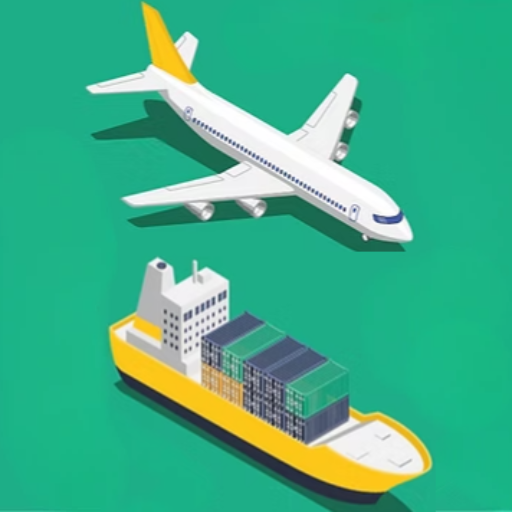
Shipping CNC Parts from China requires thoroughly considering the most appropriate mode of transportation. The two options in this regard, namely air and sea freight, have both merits and demerits which make choosing the preferred mode more important. This blog discusses some of the significant distinctions between the two options and helps in assessing the most appropriate one depending on your deadlines, resources, and requirements. The consideration of costs, speed of transportation and smoothness of operations all play a part in the evaluation of air freight or sea freight. Proceed and discover the aspects that you will consider in the process of decision-making about how to transport CNC parts.

Shipping CNC Parts from China in the most appropriate method would involve using either air freight or sea freight. Air freight is favored for urgent shipments because it affords cargo expeditious turn times to meet orders in the shortest possible time scales. In comparison, it tends to be the more expensive encased and thus reserved for delicate and high-value items. Whereas in the case of sea freight, it is used when the shipment is large/ extensive and therefore, cheaper albeit taking longer routes as a result of the weight restrictions in terms of air cargo containers. The determining factors in the choice of method will include the size of cargo, urgency of delivery, and finances.
Shipping CNC Parts from China to Western countries depends on method selected as a stage of delivery for the suggested parts. If the order consists of relative small, expensive and common parts, air freight is simply more applicable than other methods. Consumables and materials with great volumes should, however, be shipped by sea as this helps lower the cost to the supplier, though this may take a longer time. To safeguard parts against damage, enough abundant packaging is required in place using foam inserts and anticorrosive inner wraps etc. It’s also advisable to have and work with the firms that handle the transportation of industrial parts and components as this is an area observed in shipping.
In the fiercely competitive global market of today, the selection of shipping methods is highly crucial inasmuch as they affect operations effectiveness, cost efficiency, and consumer satisfaction. It is becoming more important for businesses to adopt good methods that will ensure optimum delivery times, reliability and sustainability. As, for instance, airlines may prefer to carry high-value and possibly time-sensitive cargoes. Such service brings about a fast delivery yet, at the same time, can charge steep expenses. Seadays, on the other hand, remain the pick with which aquatic transport of larger amounts of goods is made, thanks to its relatively less expensive characteristics. Understanding their industries and requirements side by side will allow the companies to see that they have a competitive distance on their offer both in terms of timing and expected margins. In light of the latest trending search queries, companies have all the info they need in terms of emerging shipping cards to support them in choosing the best methods respective to their own needs.
When shipping, we must ensure that CNC parts are packed tightly so as to avoid any damage during travel By using protectives covered with foam, bubble wraps, or custom crates.
Please opt for the best shipment method, weighing its usefulness against the size, weight, and speed of the shipped goods, and also have to balance out the price and the delivery time among themselves.
Research and make sure to comply with various rules and regulations on import-export, consignment and licensing restrictions including tariffs, duties and certification. Therefore it will save one from possible delays and penalties.
The brokers, with whom we bank, fill out all the necessary forms during customs clearance procedure, eliminating the chances for even the slightest delay ramp in an interstate hold-up at our port of arrival.
To feel covered and relaxed that the transit is protected from any kind of loss, ensure suitable transport insurance and exclude yourself from exposure to heavy risk.
Air freight and sea freight differ in cost, speed, cargo size, reliability, environmental impact, and suitability for certain goods.
| Parameter | ✈️ Air Freight | 🚢 Sea Freight |
|---|---|---|
| Cost | High | Low |
| Speed | Fast | Slow |
| Cargo Size | Limited | Large |
| Reliability | High | Moderate |
| Environment | High Impact | Low Impact |
| Goods | Time-Sensitive | Bulk & Non-urgent |
This contrasts from the fact that the sea would have the capacity to manage a large percentage of volume since the cost is much superior in the option. In the meantime, from the point of view of destination places for buyers and sellers of CNC products and manufacturin g companies in China, it is significantly up and down whether air freight is a better option for their ships. A large part of the annual volumes of sea freight includes the free time of 45 days in both the whole and the group’s containers.
Air Freight: Costs of 100 kg of material in international routes would attract costs ranging from $5 to $10 per kilogram, a balance determined by the distance to be covered as well as the carrier company.
Sea Freight: Will attach a maximum cost of $0.50 to $2 per kilogram for the same 100 kg in weight. This entails significant savings, but longer transit time that will average weeks would slow down the manufacturing chain if the timely arrival of parts becomes crucial.
Usually, sea freight takes a few weeks, due to the long transit over oceans, suited to non-time-sensitive shipment. Air freight, on the other hand, is way quicker, sometimes even delivering goods in a matter of only a couple of days. This makes it-at a premium-cost-the way trade will choose if quick delivery is paramount in the case of urgent or perishable commodities. Here, the speed of air transport is the exclusive concern; however, its very high expense shall be weighed against the urgency of delivery to decide the best mode to meet the particular shipping need.
2-5 Days
Express Delivery
3-6 Weeks
Economy Shipping
Size and weight of cargo are key issues in shipping CNC parts out of China as these are directly related to shipping costs and choice of transportation mode. Sea freight is generally more cost-effective for bigger and heavier CNC components because sea freight is cheaper in terms of cost per unit weight for heavy items. Standard container sizes of 20 and 40 feet can handle a wide variety of industrial parts. In case of lightweight and little CNC parts, or in case of urgency, air freight could be more feasible despite its relatively higher cost.
Moreover, the calculation of the volumetric weight, according to which the vastness of the cargo will be considered in relation to its actual weight, will be dictated by the shipping company or the carrier. Some CNC parts that have a unique geometrical shape or to which additional packaging has been added would see an increase in charges based on their volume rather than weight. In most cases, manufacturers recommend optimal packing; this would be good for saving expenses yet does not compromise on the needed protection.
Companies can make decent decisions concerning potential shipping costs on CNC parts in light of projected costs. The most important act while executing the shipment is to consolidate as many things as possible, identifying the perfect agent, hence lowering costs and ensuring on-time deliveries.
For the transportation of CNC parts from China, customs clearance assumes much matter and is a process that consists of many piecemeal steps. In this regard, the first and foremost is that every document will be properly executed with the utmost accuracy, including other documents like the commercial invoice, packing list, and bill of lading. The parts are to be appropriately classified under the related HS codes above all, fixing the rate and amount of duty and taxes applicable. Clipping on sandals one can seek out an equally experienced customs broker to handle the process and comply with steady regulatory requirements, further giving added mileage and labeling, complying with export control laws, and ensuring prompt submission of shipping documents, keeping all delays away. Each country has its own import regulations, so following stipulated guidelines creates smooth customs clearance.
For air freight shipping of the CNC parts beyond China, the following normally would be major requirements on the papers:
So as to keep delays and complications at bay, ensure that all documents get prepared earnestly henceforth. A reliable freight carrier or customs agent could help in the preparation to maximize compliance and facilitates smooth shipment of the items.
The basic documents needed to ship CNC parts from China via sea freight generally include:
The commitment document that provides information on; descriptions of products, number of items per item, value of the item, etc.
Considered as a detailed packing slip or shipping list with information relating to packaging, weights, and measures.
Bill of lading is the most relevant document that is usually issued in three-copy sets. That is one for the shipper, one for rich nations which is for the carrier, and one copy finally remains with the agent at the port of discharge the carrier or ship.
If CNC parts transportation is involved, a Certificate of Origin must be available too. There is a chance that customs officials will request it if they believe it must be produced by anyone. More importantly, corporations can use it to take different export and import privileges.
If there are specific trade regulations directly applicable to the CNC part, it will depend on the particular product itself and brand as to whether the license will encourage procurement in relation to their specified guidance.
Accurate HS Code classification confirms proper entrancement into customs duties and taxes.
Insurance is necessary for transportation so that the goods can be protected if any unforeseen incident occurs en route.
Perfect documentation is the utmost necessary in order to see to it that there is nil or least possible delays and rejections at customs entry. Appointment of a right broker could fetch the parties a trouble-free business.
The main point of concern when importing CNC parts from China includes duties and taxes. Normally, duties and taxes for CNC parts are captured under the harmonized tariff classification (HTC) code of the imported goods; thus, it is paramount to be certain regarding the HTC code of the CNC parts being imported in order to ascertain the appropriate rate of tariff being imposed on them.
Accounting fast, for the CNC parts entering into the U. S., suggest varying rates of duty ranging between 0% and 25% depending on the classification of products as well as the situation of Section 301 tariffs on Chinese goods.
To these charges, the Merchandise Processing Fee (MPF) should be added, with the possibility of also adding a Harbor Maintenance Fee (HMF) for ocean freight shipments, hence, best to contact U. S. Customs and Border Protection (CBP) or a customs broker to find out exact charges.
In order to avoid customs troubles, one needs to ensure the proper documentation: a detailed commercial invoice, packing list, and certificate of origin, where applicable, for preferential terms under trade agreements. Consequently, businesses will then be able to decide and ascertain cost structures by financing funds so it will bound projects for CNC component designs.

The security and reliability of shipments for CNC parts are critical issues to ensure safe labor availability and safe delivery. One must also support carriers that can guarantee trustworthiness and utilize appropriate secure packing in order to minimize threats by theft or damage posed during transit. Tracking must also be implemented during the shipments at a simple level to assure better customer experience and thereby enhance the reliability of the overall supply chain from the moment the CNC parts start their journey until final assembly is complete.
Securing a CNC part before being shipped is not a one-track process. The first step in tamper-evident packaging preserves the parts against theft following the cutting of the seal on the package by unauthorized individuals. This practice includes a real-time GPS tracker to ensure both tracking and safeguarding items from any mishaps. Access to any shipping information must be provided only to the most trustworthy persons. The best bet for attaining the highest measure of security with respect to handling conditions of high-value goods is to work with a logistics provider specializing in high-value cargo. Hence, regulations and risk management studies must periodically carry out reviews to ascertain the effectiveness of the said security measures.
Reliable sea and air freight services give a penchant in working strictly according to schedules to ensure timely arrival of the shipments and avoiding any delays.
For services to be truly effective, outstanding credit must be given to the carriers who have fully established a track record of being reliable and professional, hence enhancing respectability.
These two attributes consist of the superiors’ electronic tracking systems, port facilities, and new fleet, all working together for a very efficient, modern, and reliable operation.
A good logistics provider should always provide a plan, taking on unfavorable weather conditions to mitigate incidents while not allowing a drop in its reputation for its reliable service.
Complying with the trade laws and customs regulations bless a logistics company with a reliability for avoiding unnecessary delays in processing shipments.

Imagine the truly desired aspect, often needed for the airing and safe transit of the CNC parts out of China. Here’s a guide to what you may consider:
The best bet is to select a forwarder already experienced with handling precision industrial components to minimize risks in transit, if any.
The freight forwarder should at least maintain a strong network of partnerships in China as well as in your destination country to successfully deliver services.
It is recommended that one selects a forwarder well-versed in customs regulations and documentation to keep glitches away from borders delays.
Any agency allowing tracking services with the help of latest technology supports retention of orders.
Make it clear in the contract, their capability to issue cargo insurance for CNC parts just in case of damage or loss.
Balance between knowledge and quality of service with inexpensive pricing options to match your budget requirements.
You can use these factors to select a reliable partner to streamline efficiently the logistics of your CNC parts.
When we send CNC pieces, the category of shipment and method of choice shall depend on sizes, weights, and final destinations of CNC parts. If one wishes to send out smaller quantities of CNC parts, and they happen not to weigh in tons, sending it through courier services would be a cost-effective option and can be quickly delivered. Heavy or bulky shipments need freight shipping; it can be arranged either as a full truckload (FTL) or less than truckload (LTL) services, subject to their volumes. For international shipments, air freight emerges as the best way to go for delivering the loads in time, while sea freight proves efficient for weighty and non-urgent shipments. Correctly choosing the most suitable method guarantees that your CNC parts are safely taken to their destinations on time and at a cost that is pocket-friendly.
In general, the terminology of full container load (FCL) or less than container load (LCL) is used in international ocean shipping for goods transport. Exclusive usage of FCL is preferred for high volume cargoes businesses since steamship activities will pay a fee for the full container to use; they get extra security, port discounts, and faster transit time. On the other hand, LCL is the most preferable for express-shipping sizes and involves lower charges. Hence, a Shipper can have reasonably small quantities of cargo without loading the entire container. Trade-off can be longer transit time due to container consolidation during export and deconsolidation during further distribution.
Full Container Load
Less than Container Load
Air freight suits well for CNC parts in situations where high speed and dependability are paramount. Thus, it is ideal for companies working under rigid time constraints causing heavy production loss due to delayed components. The express time frame for airfreights would definitely be advantageous for putting similar high-value time-sensitive CNC parts under minimal danger of being delayed and also very point-specific. It is therefore good for situations where the parts are weighty and the transposition must be in shorter time frames and even across the skies.
Sea freights are excellent choices in the context of the transport of CNC parts with bulk sizes, for heavy loads as well as non-multiple choice ones, so economical is its course compared to air Cargo. I prefer to order sea freight when my delivery status is easily adjustable; given this occasion, rapid transfer is vital. While it may be slow, sea Transport constitutes a reliable mode-Comprehensive SUs are suitable for bulk supplies, while cost differential simply is better than air Freight in terms of delivery. This exploits the atmosphere as very much as the ecological issue, since shipping is recognized to have a comparatively low carbon emissions level as compared to that for air transport.
Emissions and Health Impacts from Global Shipping Embodied in US–China Bilateral Trade
Nature
This study examines the environmental and health impacts of global shipping, providing insights into the trade-offs between air and sea freight.
Determinants of Dry Bulk Shipping Freight Rates: Considering Chinese Manufacturing Industry and Economic Policy Uncertainty
ScienceDirect
This research focuses on freight rate determinants, particularly in the context of Chinese manufacturing and global shipping markets.
A Study on 3D Printing and Its Effects on the Future of Transportation
U.S. Department of Transportation
This study explores the impact of advanced manufacturing technologies, including CNC machining, on transportation and logistics.
Moving Boxes by Air: The Economics of International Air Cargo
Taylor & Francis
This book provides an in-depth analysis of the economics of air freight, offering valuable insights into its advantages and limitations.
The most benefits of shipping machinery parts in sea freight from China are cost-effectiveness. Sea freight from China is usually comparatively cheaper especially for big machinery from China or for bulk shipments from China to USA. Since air freight is normally expensive per cubic meter or ton compared to the seafreight, so the latter always gets advantage in handling cargo of this magnitude. Nevertheless, freight delays are experienced in seafreight than airfreight. Therefore, for custom-made parts that are urgently required or for a shipment that you may want to get delivered as soon as possible, airfreight is the solution, becoming the fastest, or else sometimes a multimodal logistics solution with sea transit followed by airfreight might become the answer.
Sea (FCL/LCL) freight might be the first choice if you want to ship heavy and voluminous CNC parts, or you may consider break bulk and RoRo services through oversized unit machinery from China; freight forwarders will be taking care of packing, rigging and inland transportation. Single-air shipping may also be done with an option for the parts that need an urgent delivery, or a multimodal route of rail freight + air if applicable; however, the shipping cost will tend to be somewhat greater. Employing an expert freight forwarder for loading, insurance, and customs clearance yields the most cost-effective results for extra-large and heavy cargoes from China.
The benefit for imports is that costs remain low due to cheaper manufacturing and meant that we could also get a quoted price for custom parts and high-volume, but what comes as a downside is the major disadvantage of long freight transit to the sea, potential lead-time variability, and numerous international shipping procedures, like import regulations and duties. The pros include a potentially low-cost ground shipping mode when we are shipping by sea, along with obtaining sophisticated Chinese capabilities in CNC manufacturing. The cons are that delays may occur, sea purchasing may be high in cost, and there is a need for a good freight forwarder to help you with the logistics for your items shipped from China.
Air freight happens to be the fastest entrance amongst all shipping media. Often the shipping line could slash the transport lead time from China to the USA to a few colly days instead of weeks, making it the favorite way for small, highly urgent, and high-value cargo or customers’ own valuable machined products. Sea freight out of China typically takes a few weeks, depending on the port pairings and sailing schedules, plus a bundling of time for port handling and hinterland trucking. If speeds do matter, the simple route is to opt for air or express services; but if packing economy are needed and bulky consignments are moved, then the proper procedure shall be sea freight route and a clue for early booking of stock to be done keeping in mind the longer freight duration.
Some of the most important guidelines to carter are having an experience forwarder, ensuring weight and size, and choosing the right type of shipment (sea for heavy, large, slow-moving items and air for quick and valuable parts). If you like to reduce your freight costs, consolidation can be effected whenever practical. Export documents must be in place to verify Incoterms, not to mention top-quality packaging with full insurance cover for CNC parts.
When dealing with the shipping of CNC parts from China, the selection of either air or sea freight involves a more profound consideration of costs, pace of speed, size of cargo, and attention demanded by the delivery system. By understanding the advantages of each method and its weaknesses, service companies can determine the better mode of transport to ensure the delivery is timely without having to utilize massive cost. It’s all a question of whether to prioritize speed over airfreight, or reduced costs over sea freight; however, following every formality, starting from coordination with skilled freight forwarders to think over all the right documents, will help in safely and efficiently driving CNC parts to their destinations.