

Supportive, Professional, Client-Focused Service
Get in touch with Lecreator Company
From prototypes to full-scale production, we’ve got you covered.



For companies that want to stay competitive with their pricing and make the most of their profits, reducing CNC machining costs has become a fundamental goal. CNC machining is a very accurate and fast method, but minor design inefficiencies can significantly increase production costs. However, the good news is that by making strategic design changes, it is possible to reduce these costs drastically, in some cases even by 50% or more. This post will discuss the practical and actionable design modifications that not only improve the machining processes but also lead you to realize considerable savings in costs. It doesn’t matter if you’re an engineer, designer, or purchasing manager, you will be able to gain insights that will help you to produce faster without affecting the quality. Keep reading to find out how intelligent design decisions can positively affect your manufacturing’s bottom line.

CNC machining costs are influenced by many important aspects, and if you know them, you can improve your project’s budget. To start with, the material choice is a substantial factor. Various materials like aluminum, steel, or titanium have different prices, and all of them come with a specific amount of machinability and a certain rate of tool wear. Softer materials are usually cheaper to machine as they take less time and wear on the tools, while harder or brittle materials increase costs due to longer machining time and the strain on the equipment.
The complexity of the part is the other factor with a big impact. Parts having complex designs, very strict tolerances, or peculiar geometries are going to need more machining time and perhaps specially made tools or setups. For example, multi-axis machining usually raises costs since it requires more elaborate programming and equipment. Design changes that alleviate redundancy and employ standard tolerances can drastically lower expenses.
Finally, the quantity of production can have an impact on costs via economies of scale. Though single or low-volume runs may entail higher unit costs because of setup time and machine preparation, larger production runs usually lower costs per unit as universal expenses are shared among the high number of parts. Besides, the purchase of materials in bulk may lessen the cost. Considering these factors, manufacturers are able to make wise decisions that will lead to a good cost-quality balance.
The machining costs mainly depend on three major factors: the choice of material, the complexity of machining, and the quantity of products. All these three factors have a direct impact on the time and resources required for the production of a part, thus influencing the overall cost.
The decision of what material to use is a factor that greatly influences the cost of machining. The metals widely used like aluminum and mild steel are usually cheaper to machine than others because their hardness and cutting are less. The opposite to this are the harder metals like titanium or stainless steel that are costly to machine as they wear out the tools, thus increasing the time taken for machining and consequently the costs.
Creating parts that have simple shapes is not only quicker but also requires less programming for CNC machines thereby reducing labor and operational costs. However, the contrary is true for complicated shapes with an excellent quality of tolerance, intricate curves or additional finishing processes as they require more advanced tools and precise settings which translate into higher costs.
The quantity of pieces made is a key factor in determining their cost per unit. The costly nature of small production runs is due to the time taken for setup and fixed costs, whereas it is the opposite for larger runs that spread these expenses over more units thus lowering overall costs per unit due to economies of scale.
Using a complete assessment of these factors, the manufacturers will be able to detect the cost drivers and thus, effectively develop the machining strategies to ensure the desired quality and cost-effectiveness of the products.
Design for Manufacturing (DFM) is highly important in the making of products that have not only high quality but also a good price and a fast production rate. By early consideration of manufacturing issues in the design stage, the producing companies are able to cut down on production costs to a large extent, keep waste to a minimum, and make assembly easier. This forward-thinking technique makes the design of the product in agreement with the strengths and weaknesses of the manufacturing processes, hence preventing the creation of unnecessary complications and the occurrence of redesigns.
One of the primary objectives of DFM is to ease the product design while incorporating the necessary functions. Usually, a simpler design consists of a smaller number of parts, the assembly time and costs won’t be affected much, the product would be more reliable and the risk of production errors will be lower. Besides, the designers who are following DFM principles are usually working with ordinary materials and processes, which guarantees not only compatibility with existing manufacturing systems but also the reduction of lead times.
Moreover, the adoption of DFM principles encourages a more effective interaction between engineers, designers, and manufacturers. The collaboration leads to new ideas to solve the production problems, resulting in products of better quality and greater customer satisfaction. In the end, DFM proves to be a very important tool for being cost-efficient, upholding quality standards, and winning the battle of a product’s overall success in the marketplace.
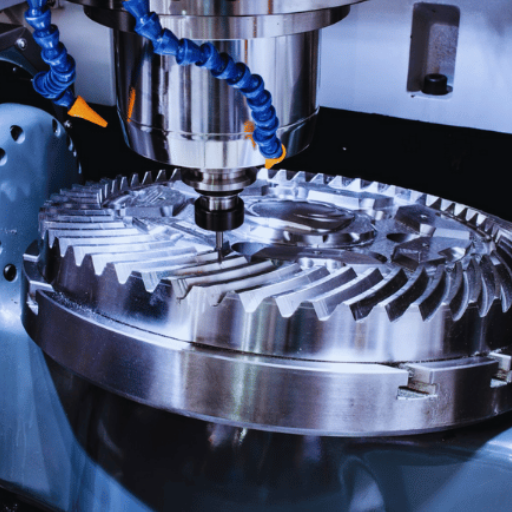
In the realm of CNC (Computer Numerical Control) milling, economical design changes for production mean reducing the complexity and providing manufacturability. Simplifying the geometry is among the top methods to cutting the costs of machining. Smooth models having complex curvatures, narrow tolerances, or deep cavities usually need different steps in machining and specialized tools which consequently cause an increase in time and money laid out for production. The manufacturing process can be quicker and smoother if designs with fewer features and simpler geometries are used.
Another major factor in reducing costs is material selection. Using easier to machine materials, for example, aluminum instead of tougher alloys, helps to lower tool wear and cutting time, thus, reducing costs. Moreover, using standard sizes that are readily available in stock can avoid the expensive custom material preparations. If light and machineable materials can be used, they should be the first choice.
In the design process, the number of setups necessary for the machining of a part should also be considered. Fewer setups for parts come with the benefits of reduced labor time and decreased possibility of misalignment. Parts that can be machined from one side only or with very minor repositioning will result in greater productivity. The implementation of these changes will not only result in lower manufacturing costs but also in quicker lead times, which will contribute to the overall success of the project.
Tight tolerances can lead to complications and high costs in the manufacturing process, while loose tolerances can have a negative impact on the performance and durability of the part. It is usually the case that the designers come up with a compromise through the examination of the part’s needs and the discussions with the manufacturing team about the tolerances that can be worked with.
The designers may opt for a material that is extremely expensive or is not suitable for machining. The material properties should be perfectly matched with the application’s requirements, and at the same time, the machinability issue should be kept in mind. The collaboration with the material experts and manufacturers at the very start of the design process can prevent repeating mistakes that are quite costly and also guarantee that the material is functional and easy to handle.
The overestimation of the manufacturability in the design phase can lead to the generation of parts that are extremely difficult or even impossible to produce. It could be the case of creating complex shapes that would require special tools or multi-axis machining operations. When it is feasible, the designers should reduce the complexity of their designs by eliminating unnecessary features, looking for standard size alternatives, and making handling and assembly easy.
By preventing these errors, designers will be able to industrialize the process and have better quality and efficiency results.
The company that makes small parts lost a lot of money because the design of a precision component was so complicated that it had to be made using special tools and a highly expensive process of multi-axis machining which took a lot of time and resources. The design team, realizing these drawbacks, decided to go through the component’s structure retreatment and redesign.
The team aimed at design simplification without losing functionality. They, moreover, went in for standard dimensions and did away with the features that were not necessary and that were very intricate. They also made sure that the new component would be less difficult to operate and put together during the production process. The changes that were made not only lessened the complexity of the machining but also the waste of the material and the need for manual intervention.
This case demonstrates that a clever and proactive approach to changes in the design phase can lead to substantial benefits for both the company and its products.

CNC machining can be made less expensive by adopting various approaches, one of which is the selection of suitable materials. Utilizing material that is used commonly and easily available instead of specialized or high-quality ones usually leads to a reduction in cost but quality remains the same. Besides that, picking the materials that are closest in size to the finished product results in a lot less waste which could have been created by the cutting and shaping operations.
By simplifying product designs or removing non-essential features, manufacturers can use less material while still keeping the products functional. The introduction of hollow or lightweight structures in the design will continue to reduce the material used and at the same time, strength of the structure will be retained.
The very effective recycling and reuse of leftover materials can lead to a considerable reduction in total costs. The scrap produced in CNC machining operations can frequently be sold or repurposed thus giving an additional financial advantage.
Having a methodical process for the collection and sorting of scrap not only ensures little waste but also helps in the efficient use of materials. These simple and easy to implement methods all play a role in bringing down material costs whilst still upholding quality in production.
One of the main advantages of simulations is that they provide manufacturers with the ability to optimize the time allocated to machining via simulations and hence the entire production process is streamlined. The tools used in the simulation help to identify potential bottlenecks and inefficiencies, as well as unnecessary tool movements that can slow down the production process. As a result, machinists through virtual scenario analysis are able to test and refine cutting paths, speeds, and feeds to obtain the best efficiency ratio of waste to output.
Overall, along with the reduction of time in machining operations, the simulations have become an important factor in gaining excellent production output.
In the automobile manufacturing industry, there is a good instance of cost reduction through innovation among the manufacturing sectors. Robots and automation systems have been installed by a lot of companies in the manufacturing sector to make their production process quicker and easier.
Such a proactive approach not only extends the life of the machines but also guarantees a regular and uninterrupted flow of production which results in significant cost savings for manufacturers at different stages of the production process.
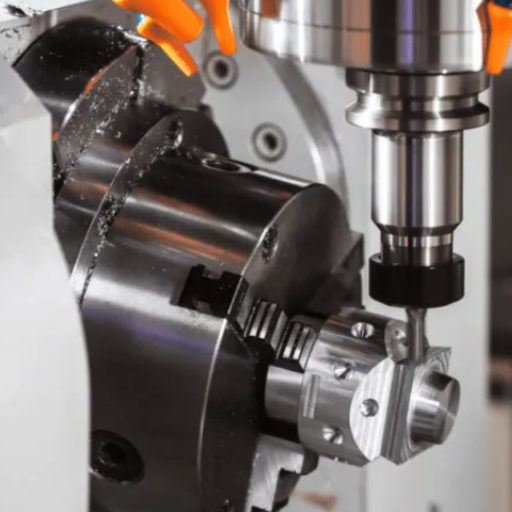
Reducing machining time is a vital requirement for increasing productivity and preserving profitability in the manufacturing process. One very winning technique is fine-tuning feed rates and cutting speeds. Optimizing these factors according to the material being cut and the tool used can considerably cut down the production time but at the same quality level. The usage of updated cutting tools with better durability and sharpness also promotes the operations and takes away the burdens of material removal.
Instead of having to choose between speed and accuracy or quality, manufacturers can concentrate on achieving shorter machining times by building such practices into the workflow.
The CNC machining process is significantly influenced by several factors, primarily those related to tool selection, machine maintenance, material properties, and operator expertise. These factors not only dictate the overall productivity but also the quality of the manufacturing process. Through proper management of these elements, manufacturers can ensure that the performance is steady and at the same time, reduce the amount of time and material wasted.
Die Auswahl der richtigen Werkzeuge für das bearbeitete Material stellt nicht nur sicher, dass der Schnitt genau ist, sondern auch, dass die Werkzeuge minimal abgenutzt werden. Die regelmäßige Kontrolle und der Austausch der Werkzeuge verhindern den Übergang in den Zustand des Verfalls der Geräte.
An efficient CNC machine that is functioning correctly works with ultra-precision and guarantees no downtime. Cleaning, lubricating and calibrating the machines at regular intervals are the measures that can help to prevent possible problems.
The traits of the used material can support or obstruct the entire machining process. Ultra-hard materials may require a reduction in machining speeds whereas soft materials may result in rapid tool wear.
It is necessary that the operators possess superior skills to modify machine settings, comprehend the technical issues, and carry out the solutions instantly. Speed and precision are the outcomes of advanced planning and skilled operation working together.
Throughput of CNC machining can be significantly enhanced if one follows the right path of process optimization. The first step should be simplifying the programming of the machine and ensuring that the CNC programs are not just accurate but also effective. Errors can be significantly reduced by employing simulation tools to detect and correct them before the commencement of production, thus cutting down on the usual downtime linked to trial-and-error adjustments.
💡 Pro Tip: Incorporate tools for gathering data that will keep track of cycle times, the rates of machine utilization, and idle times. The managers will subsequently have the option to base their decisions on this data for any changes they consider necessary in the workflow. Besides, the operators’ continuous training can be an innovation and efficiency source since it will equip the workforce with the skill of handling the new techniques and technologies.
By focusing on these strategies, manufacturers will not only maintain quality but also enormously increase throughput.

The first thing to consider when choosing materials is the exact requirements of the product, for instance, the aspect of the material that should be the strongest and by what measure, the maximum temperature it can stand, or the level of conductivity. It is important that the materials not only meet the functional requirements but also the necessary specifications which would definitely add to the cost unnecessarily.
Then, check the supply chain for the materials’ availability and their prices. Select the materials that not only are available but also cost-friendly and safe and of good quality according to the standards set. Usually, the materials obtained locally can help to cut down the costs for transportation and the time taken to receive the materials which would be an added benefit.
Sustainability is still another important criterion for selection. Use of eco-friendly materials that can be recycled or have lower environmental impact can not only mean your business meeting regulatory standards but also being in line with customer expectations.
Key Takeaway: A combination of functionality, affordability, and sustainability will all the while guarantee that the materials will perform well and will not be of poor quality.
It is very important to make sure that the pros and cons of strength and cost are put on the same scale when looking at the materials of a project so that the best performance can be achieved without going over the budget. Usually, stronger materials also cost more but the price might be worth it in the long run because of their durability and high performance.
In the end, being able to tell the difference between strength and cost is a very important factor. Start by looking at what your project needs in terms of operational demands and find the points of strength that are critical and at the same time the areas where low-cost materials can be used.
Important Note: Considering the lifecycle costs of these materials, including maintenance and replacement costs, will give one a better understanding of their long-term value. This systematic approach guarantees that the materials that are chosen will meet the performance requirements as well as fit the budget.
The effective design changes that cut CNC costs by 50% are mainly the ones that entail making the design less complex, eliminating features that drive costs and are not necessary, and using a manufacturability approach. Examples include increasing tolerances, simplifying complicated part features that need 5-axis machine setups, combining features to fewer setups, enlarging tool diameter if possible, and splitting a difficult part into several pieces only when it decreases the cost of tooling and setup. These types of decisions can cut down on machining time and costs, tooling costs, setup costs, and overall cost per part significantly while still keeping the function.
Design for manufacturability (DFM) makes part designs complementary to the capabilities of the providers of CNC machining services and subsequently reduces the final cost. At the very beginning of the design phase, the designers can pick features that will take less time and will cost less to machine, they will also be able to choose common tool diameters so there will be less time spent on tool changes, they will be able to avoid creating deep pockets that increase the time needed for machining, and they will also be able to specify tolerances only where it is needed. This all leads to less expensive CNC machining without compromising part performance.
Absolutely. Just simplify the design by getting rid of any unnecessary features that increase the cost, do not create complex 5-axis contours unless they are necessary, and go for the standard materials which have low prices. It often happens that simplifying is the reason why the setups number goes down, machining time per part decreases, tooling costs are lower and so on. Such changes accompanied by a good manufacturing partner can lead to a decreased unit cost while still meeting the required function and the total cost of ownership.
Tolerances and cost have a direct relationship: the tougher the tolerances and surface finishes the longer the machining time and the cost goes up, not to mention that there might be extra inspection and fixturing that could be required. The costs can be very different depending on the tolerance needs. It is possible to spread the costs correctly and decrease the cost per part and the total costs and lead times of the CNC machining project by properly specifying of tolerances only where functionally necessary.
Diameter of the tool will have an impact on duration of the machining process and on the life span of the tool. Where the design allows increasing the diameter of the tool, then it will shorten the number of cycles and time for the process of machining significantly, and hence cost. Applying common tooling rather than custom tooling and applying the least possible custom tooling to reduce per part costs are controlling factors in establishing tooling costs. The reduction of shallow narrow pockets and long slender features is eliminative of the tooling costs and setup costs, hence the final price is lowered.
It is advisable to have a manufacturing partner at hand during the very first steps of the design process. Involvement in early phases enables the drawing of cost reductions for CNC machining in, for example, material choice, tolerances establishment, and existing machines’ capability features selection such as for 5-axis or 3-axis milling. An experienced supplier of CNC machining services can help you find ways to reduce the costs of CNC machining while meeting the performance requirements and, at the same time, advise you on prices and delivery times for the different approaches.
Yes, there are. They consist of redesigning the parts in such a way that standard features and tool paths are used, combining operations to the point where setups are minimal, having the best part orientation for CNC milling, and selecting more machinable materials. These changes can result in a lower cost per part without the need to increase the time of machining, and in many cases, they can even cause a significant reduction in time and cost of machining by restricting the non-cutting operations and improving tool accessibility.
Whether dividing into multiple parts will impact the cost per part depends on the specific situation. For example, the partitioning of complicated part geometry into simple parts can lead to the reduction of machining complexity, the lowering of setup costs, and therefore the decreasing of costs and the shortening of lead times through parallel machining. However, there may be additional considerations around assembly that need to be evaluated on a case-by-case basis.