

Supportive, Professional, Client-Focused Service
From prototypes to full-scale production, we’ve got you covered.


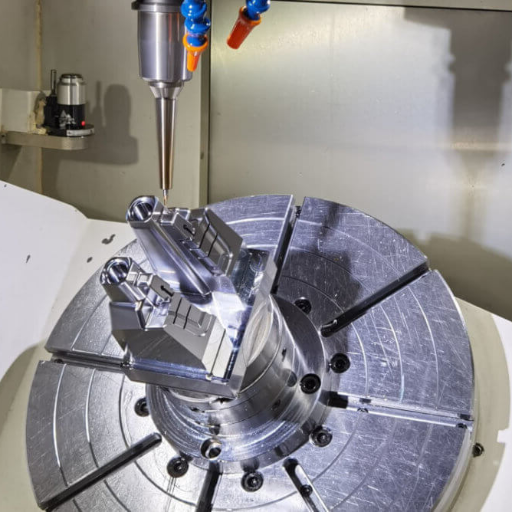
CNC machining forms the very backbone of the engineering industry and this is due to it being able to offer high precision, efficiency and versatility in production. Buying CNC machining services in China has for a very long time been an inexpensive initiative and, as business people around the world, we know very well that the level of expenses sometimes can be a riddle. CNC Machining Cost in China 2026 – The Guide is intended to clear all doubts, which can arise about the structure of cost, and therefore will allow you to adjust your production planning accordingly. We’ll identify evrey area that influences the price such as material cost; cost of labor trade tools and machinery, and machines operating time or volume of production. Whether you have been in business for years, or you just got into CNC machining, this article provides sufficient information to enable you to choose the most economical making styles.
There are three most important aspects that affect the CNC machining costs:
This is the most crucial component of the CNC machining cost in China. Less rare materials such as aluminum are used less expensively, while more expensive materials tend to be rare or difficult to source and machine.
The extent to which the CNC machine is used will determine the cost. Whenever the shapes are more complicated and more precise parts have to be produced, the machining time can be longer incorporating higher expenses.
Although CNC machining mainly focuses on automated machines, there is need for a competent workforce to help in programming the machines, putting them up and checking the products quality. However, the complexity of the task determines the amount of labor required and as such increases the cost.
Remembering these issues will help you monitor and control your machining efforts. Incorporating great emphasis into the design and material utilization can more rather reduce your expenses.
Recent developments in Computer Numerical Control (CNC) machining denoted the cost effective manufacturing of complex shapes to a wide range of clients. For employ a wide variety of these processes variedly such as milling, turning, drilling and cutting and are run using a CAD/CAM computer software package. It is highly recommended where precision and several replicas of the same product are required within a short period, thus replacing the production of models with a prototype and tooling to a large extent.
The main advantages are that it can process complex shapes, it needs less time for preparation between the orders and it can work with a lot of different materials. Also, extra services including secondary activities such as polishing, paintwork, heat treatments, etc., provide the final product with more quality. While most of these machines are very efficient and accurate, raw materials, complexity and available labor must be factored into the equation of determining costs.
Material selected significantly impacts cost. For example, aluminum or some plastic materials are cost-effective, however stainless steel or exotic alloys can considerably raise the cost. These costs include mostly higher raw material costs and machining complexity.
Intricate designs having small tolerances, complex geometries, or involved in more machining steps demand more time and resources and special tools.
Output in numbers often influences the cost-effectiveness. Low volume usually once in higher costs per part when compared to mass numbers due to setup and tooling.
Long machining times or complicated setup processes for high-tolerance parts can result in higher expense; on the other hand, proper programming and planning can lessen such a cost.
Particularly, high expenses result from secondary operations. Heat treatment, surface finishing, painting, and other processes contribute significantly to the overall cost of manufacturing if the project is to have a high-quality finish or any custom functional improvement.
The price of CNC machining in China stays within the range of the following key drawbacks:
Raw products like metals (aluminum, steel, or titanium) usually have various price tags (market demand, quality, and availability). Consideration about sourcing material locally may reduce material costs.
In comparison to many countries, China’s labor rate is much lower, making CNC machining a relatively cost-effective process. Well-trained operators and engineers monitor the working of the machines for ensuring high quality.
Precision machines need proper lubrication and maintenance: Expenses for machines need to be considered as part of the entire cost of machining. Advanced equipment can push prices higher.
Larger production lots reduce the cost per piece because of quantity discounts. Typically, for small batches, the price per unit is higher.
Costs associated with moving the products to the final destination-some distance away-are based in air or sea and might take in packaging and transportation.
Necessary information will enable prospective outsourcing managers to decide on CNC machining services in China. As far as choosing this sourcing option is concerned, the benefit exists in terms of cost benefits and quality in equal measure.
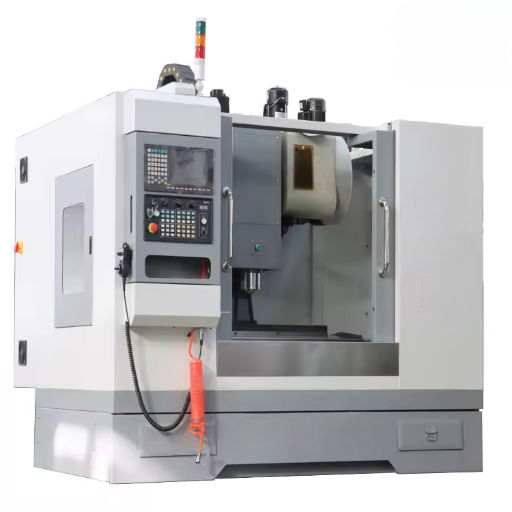
The overall cost of CNC machining largely depends on the choice of material, as materials differ in price, machinability and wear resistance. Materials frequently used in CNC machining are metals such as aluminum, stainless steel, and titanium, as well as plastic such as ABS and PEEK. For instance, aluminum is at first glance considered the most cost-effective, as it is highly machinable and raw material cost is significantly lower; conversely, titanium is significantly expensive to work due to its hardness, causing tools to wear quicker.
It has been clear from current developments that there is an increasing demand for friendly lightweight materials such as recycled plastics and advanced composites. Even though the latter comes with an expensive starting cost, it does offer lesser costs later, particularly with regard to transportation. Of course, machinability affects labor and machine cost directly. A material that is hard on machining calls for increased energy, specialized tooling, and high machine time at higher costs.
In the end, the selection of the most appropriate material has to approach an equilibrium from reducing costs to meet the functional requirements of the product, including strength, weight, and thermal resistance. From there, a balance will be struck on cost minimization as one evaluates the material properties and waste and machining levels against the budgetary constraints of the applicable use.
The expenses associated with labor in the Chinese CNC machining sector are particularly low when gauged against that of various other nations, which renders China an appealing market for any manufacturer. Such benefit exists due to the relatively low average salaries, and the presence of trained personnel who are capable of handling CNC machines very proficiently. Yet, it is crucial to note that labor expenses may also differ depending on the geographical area as well as the expertise of the workers and the difficulty of the machining. Even though the cost of labor occupies a smaller fraction of the total cost within the highly mechanized plants, such costs are still relevant when it comes to pricing the CNC machining services in China.
The cost of technology and labor is important to assess when evaluating CNC equipment purchase. Purchasing high-end CNC machines directly affects the level of accuracy, productivity and speed of the manufacturing process. The current generation of CNC machines often has advanced features such as multiple-axis control, auto tool changers, real time diagnostics which boost performance by far. Although, these sophisticated additions bring with them additional costs.
A significant number of manufacturers in China address the above issues by either accessing technological development fund provided by the government or acquiring the needed equipment from cheaper domestic vendors. In addition, strategic charm-bracelet’s maintenance and systems improvement approaches should be embraced in order to extend the life cycle of CNC equipment as well as to enhance utilization of such equipment. By decreasing the cost of technology and machines-based activities, CNC machining facilities therefore have a strategy of enhancing the quality of services while offering them at low costs, which makes such services affordable within the world market.
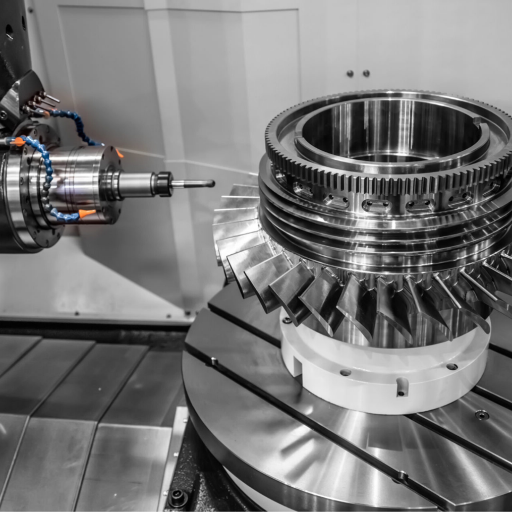
To lower expenses without affecting quality, the CNC machining sector needs to direct its attention towards proper resource management and cutting down on waste. Material wastage and energy usage can be cut down by streamlining the activities through process improvement. Training the employees helps in reducing machinery mishandling and production mistakes occurring. Also, It has a high buying cost but it can save expenses at the end by buying efficient and strong tools or materials. Lastly, good rapport with trustworthy sources of raw materials helps in negotiating the prices and the quality of the materials which is vital.
When choosing a CNC machining supplier, it is important to consider several factors to obtain quality results as well as operational efficiency. First and foremost, looking into the manufacturing capability of the supplier to work on the diverse materials and designs will give a good summarization. Search for certifications that assure people that the organization has put in place a quality system for administration and make sure the supplier is ISO 9001 certified. Apart from that, their industrial ability must be looked into this means that their ability in respect to machinery available, complex suites of software for smooth engagement of the organizations requirements.
There is also the cost of strategy. Past and present performance capabilities of each supplier or manufacturer is crucial especially if you want to embrace emergent markets and expand production capacity and keep up with the demand. Customer reviews and testimonials are equally important since actual or previous dealings reflect on the reputable character and the quality of service of any supplier. Potential applicants will also need to know what exactly the pricing policy refers to and if there are any extra value services offered like parts’ surface treatment or changes to design. All this information combined will enable you to choose a supplier that is suitable for the scope of your project and pricewise.
The Implementation of Quality Assurance can save a lot of money and improve inconceivable efficiency of operations. In instance, make clear quality standards and communicate them then slice any doubts if any to team members to those standards. Quality checks and audits are built into the process at all stages of production to make sure errors do not occur as this is expensive having to repair or throw away finished products. This may be addressed by an automated or a fixed solution for tracking the quality measures so as to improve precision and accuracy by mitigating the occupance of human errors. Supplier engagement and management is also important; check the quality of incoming materials from suppliers on a regular basis. This can be done by concerns in regards to best practices or quality control and in that, process control is required so that there could be less mistake made, making the work easier and saving a lot of money.
One has to take into consideration of shipping and import costs which depend on a number of factors are: mode of transportation, distance, weight, and type of goods. Freight charges, duties, taxes and handling charges are the main component of the costs that have been incurred. In order to control these costs, companies try and do a cost analysis on the available options of shipping, bargain with the carriers and organizing all the necessary papers so that there are no penalties or restrictions. Eliminating the chances of incurring extra expenses such as unexpected changes in tariffs helps provide some stability in the logistics sector – such costs are generally caused by trade agreements and restrictions on imports. This can be done by the understanding of various trade agreements and regulations encountered in different countries.
Managing lead times and keeping them at the minimum time schedule with CNC shaping lines and base industries are very important: lead times are initiated by many product-attached conditions. These range from the sophistication of the design, the material and operator for manufacturing CNC parts, equipment, as well as process for every aspect. Manufacturers must invest in a finely cultured production plan. Furthermore, they must have supportive tools costing them CAD/CAM tools and machinery elements to perform in high-speed machining. Regularly communicating with suppliers will help guarantee materials are in place when needed and thereby yield early indications for the possibility of delays.
Creating realistic delivery schedules requires correct forecasting and alignment of production objectives with capacity. It is possible to provide real-time updates on orders, essentially keeping track of your PM tools and control and driving a prompt counteraction against various changes or instances of disruption-to wide-lens implementation against this and situational disturbance-by SNC manufacturers left fully free to handle the responsibilities for the transparency and timely delivery of quality components after defining the priorities and deadlines with the customer.
Navigating the roped Customs and regulations is virtually unattainable in the CNC machining without better local and global laws guidance insight, thus the manufacturers must ensure accurate and complete documentation, such as memorandums, certificates of origin and export licenses, so as to avoid any instance that would lead to delays. Compliance with the materials and safety standards is highly crucial since many countries have certain requirements regarding the import and export of goods made of machined components. Using customs brokers or freight forwarders with a supply chain peculiarly within industrial goods can ease continuous properties and risks. Regular checking of trade laws and open communication channels with authorities will ensure smooth passage through customs gates, minimizing any interruptions in the supply chain.
When in search of a good CNC machining supplier in China, the potential customers should think highly of at least reliable, good quality, and especially good communication. I would advise to search for suppliers with a good name, sound quality control, and unassailable pricing structure.
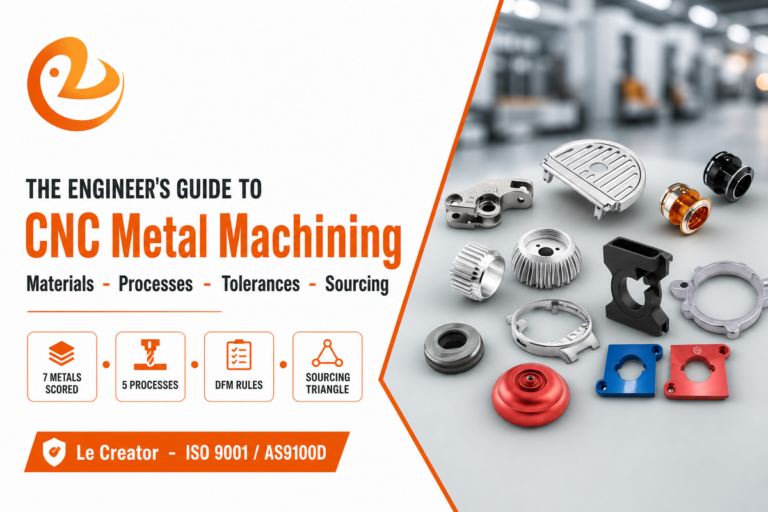
I put forward a very convincing argument here for Lecreator (https://le-creator.com/). With cutting-edge CNC machining services that are very focused on precision, Lecreator ticks all the boxes with good communication and the rest. It’s a very good option to go with for a good manufacturing setup.
Mastering CNC machining partnerships calls for clear communication and mutual confidence. Start describing the specific requirements of your project with regard to materials, tolerances, and timelines. This initial cooperation will have to ensure that the supplier correctly understands what is expected from them. The evaluation of the supplier’s technology, certifications, and its level of knowledge is an essential check to see if the supplier is capable of fully satisfying your production requirements. The workflow feedback can further assure that all difficult stages might have been taken care of. Prioritizing suppliers who prize quality and meet with the criteria of reliability and adaptability throughout the project will facilitate long-term success in the manufacturing processes.
Precision and tolerance are at the heart of any evaluation into the ability of a CNC machining supplier to satisfy requirements. The essential contributions to the performance of any CNC machining centre go hand in hand with the capability of suppliers in consistently meeting the desired tolerance and accuracy criteria. Tolerance limit standards, beyond which the dimensions of the part start to degrade, typically fall within a range of +/-0.001 inches to +/-0.0001 inches, depending on the need of the project. CNC machining suppliers in possession of modern machining centres and stringent overall QC measures are a sentence that will normally mean achieving tolerance levels with the minimum of deviation.
One of the ways to test these capabilities is to ask for their machine’s calibration data, their inspection data and any adherence to ISO 9001 or AS9100 certifications. For example, does the material directly required for your job require special handling, such as intimate knowledge in dealing with exact materials being demanded? As an example, the same machine tool may be called upon to machine titanium or stainless steel, and each requires a different manner of maintaining tolerances during the process. A clear specification of the level of tolerance you seek, together with a minimum of periodic inspection for all purchases, will align the vendor with your precision standard.
A Novel Approach to CNC Machining Center Processing Parameters Optimization Considering Energy-Saving and Low-Cost
ScienceDirect
This study focuses on optimizing CNC machining parameters to achieve energy savings and cost reduction, providing insights into cost-effective practices.
Comparison Between Traditional Machining and CNC Machining
Theseus.fi
This research compares traditional and CNC machining, highlighting cost differences and technological advancements.
An Analytical Investigation on Energy Efficiency of High-Speed Dry-Cutting CNC Hobbing Machines
Taylor & Francis Online
This paper analyzes energy efficiency and cost factors in CNC machining, using China’s manufacturing industry as a case study.
Investigating the Differences in Human Behavior Between Conventional Machining and CNC Machining for Future Workforce Development
ScienceDirect
This case study explores CNC machining’s role in modern manufacturing, including its cost implications and workforce impact.
The costs of CNC machining could differ significantly due to the type of material used, processing time, machines, etc. It may be cheaper to have Chinese suppliers for your flourishing deals in some instances due to cheap labor and streamlined supply chains, compared to the major entities in the US and European markets. The stringent quality checks and know-how in CNC machining matter the most in the final costing evaluation.
Factors that balance this result with quality are the choice of the right CNC machining option (lathe for turned parts vs milling for profiles), design optimizations for manufacturability (DFM), and selection of an adequate machine tool type such as 3- or 5-axis machining. Process might the lowest pecuniary reward with cnc-milled objects not holding up in production. Lowering the unnecessary tight tolerances, putting together parts, and utilizing ordered materials helps cut per unit costs at a real engineering-performance standard and growing cost savings.
There is a great disparity in processing costs: for example, the cheapest parts from a CNC shop will cost as low as $5 per piece, for high-volume plastic components; $8 CPP or $10 CPP for small aluminum parts; or $30 per hour for machine time. The price for more complex parts involving five-axis machining, or with very elaborate constructions or tight tolerances, may reach $100 per part or more. Some suppliers state that their pricing is $3 per kilogram in bulk material-based pricing. Always request a quotation for more accurate cost estimation for your cnc machining.
First, when selecting a cnc machining company for the cnc machining job, evaluate the Chinese company for certification, machining facilities (3-axis machining, multi-axis cnc, lathe, 5-axis cnc milling), quality systems, and the necessary references. Sample cnc machined part, inspection report, lead times, and a very detailed cnc machining quotation should be asked for. If the company agrees, organize a visit to evaluate the quality and skill of their CNC machining services, or alternatively, ask for them to send in video audits.
The CNC production in China was previously restricted to just the basic machine shops. Time has since flown by; implementing a residential trend—with the more advanced advent of more powerful machines with CNC enhanced with different axes. The presence of competition and monitoring efficiency gets emanated by doing so, aimed at cost reduction, and a spike in quality. Another area, which boosts the producer and consumer fields, on the other hand, is manifested by parts with tight controls on quality and precise dimensional work even beyond the so-called cost-consciousness for niche products.
To make well-informed decisions that can scale quality with budget, it is essential to understand the cost structure of CNC machining in China. Appropriate sourcing of materials would align the cost model with economies of scale-higher volumes and better capitalizing on the supplier’s inherent manufacturing flexibility, to leverage better lead times and lower costs in manufacturing projects.