

Supportive, Professional, Client-Focused Service
From prototypes to full-scale production, we’ve got you covered.


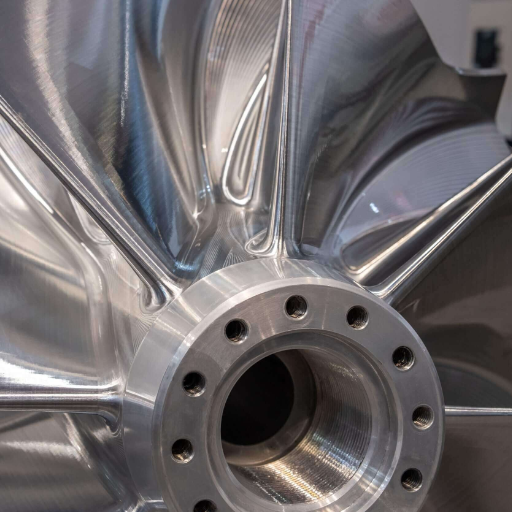
Among different finishes that stainless steel and many other materials can get, the mirror polish finish is undoubtedly the most refined and the highest in terms of quality. Its smoothness and the very high reflectivity of the surface it creates have made it a favorite not only in aesthetics but also in the performance area and functional applicability in different industrial sectors. When it comes to medical devices and architectural elements, mirror polishing always means cleanliness, durability, and accuracy. This post will introduce the complexities of mirror polishes, especially on the subject of Ra (roughness average) values and the techniques employed to obtain such an immaculate surface. If you are an expert who wants to enhance your coating skills or if you are simply interested in the scientific explanation behind the luster, this paper will surely give you the necessary knowledge to augment your understanding and your already existing method.
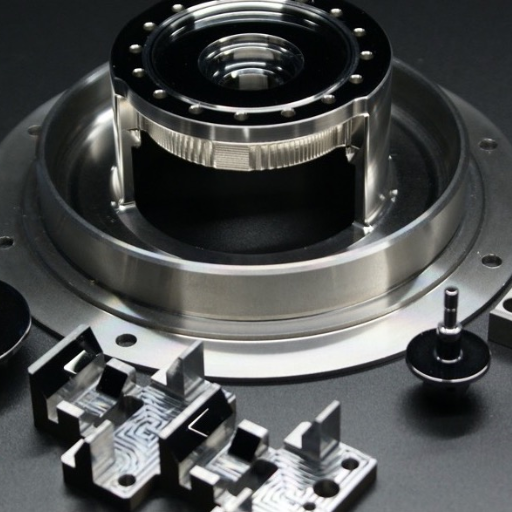
The surface finish is the first thing that has an effect on people’s perception of the product’s aesthetic and its functioning. For example, a perfect mirror polish would not only hide but also show off the object’s poor quality, thus making it look more sophisticated, technologically advanced, and luxurious at the same time. The primary markets here are automotive, architecture, and luxury goods, amongst others where the surface’s appearance may to a large extent determine consumers’ perceptions. A perfect surface indicates that the manufacturer is very careful and hence the product is more attractive.
Surface finish is not only a matter of beauty but also a factor that practically affects the use of the product. For example, smoother surfaces are less likely to create friction, thus becoming a perfect choice for mechanical parts and all the processes where the life span and the use of energy matter. Besides, a very smooth surface can give a metal much better resistance to rust because there will be no nooks and corners for water or dirt to get in and then get the corrosion started. This in return means that the product will last longer and keep its performance especially in tough conditions.
Moreover, surface finishes accuracy leads to cleanliness and hygiene which is vital in the medical, pharmaceutical and food processing sectors. Polished surfaces are more sanitary, so there is minimal chance of contamination and compliance with stringent regulations is assured. Therefore, mirror-polished surfaces not only make a product look good but also add to its durability, efficiency, and safety in various industrial applications.
Surface roughness is the measure of the unevenness of a surface which is characterized by small and fine imperfections like bumps, hollows, etc. The main reason for the presence of these imperfections is the manufacturing process which then, later on, affects the surface to a great extent during its interaction with other materials. Therefore, it is very important to understand and control the surface texture in the case of friction, wear and adhesion processes where sealing and adhesion are the main applications.
Ra, or Roughness Average, is the most common parameter to express the surface roughness in numbers. It calculates the average height deviations of the peaks and valleys from a mean line within a specified area. The value thus obtained is used to systematize and compare different surface finishes for certain industrial applications. The Ra values are smaller for rough surfaces, which are generally less preferred in precision and hygienic applications as the case in the aerospace and medical industries where a smooth surface is highly desirable.
Performing a roughness analysis and setting the Ra values in this manner, the producers are able to deliver a product with good performance, long duration and conforming to the statistical level of the industry. Furthermore, precise surface characterization reduces wear and, thus, increases the efficiency, even when meeting the requirements of appearance or function. The application of correct measurement instruments and compliance with the specified tolerances are vital points to obtain the quality of the surface desired.
The finishing process is very significant in the manufacture of products as it enhances their functionality and their artistic aspects at the same time. Refinement of surface to the extent where the desired texture, smoothness or aesthetic quality is achieved is what this process is about. Apart from that, it also makes the product more durable, and it is also a way of ensuring that the product conforms to the industry standards and specifications.
Different finishing techniques are adopted according to the material and the end product. For instance, grinding, polishing, and sanding of metals and woods are some common techniques used while coating or painting done to apply a protective or decorative layer. All the above-mentioned methods assist in reducing the size of defects, and also they support the removal of surface irregularities that improve the product’s resistance to wear and corrosion. Accuracy at this stage makes sure that the product not only does its job but also looks good.
Throughout the finishing process, the most paramount factors are quality checks and compliance with the specified tolerances. The application of advanced measurement systems along with other tech and tools is done to make sure that the final product is in accordance with the design specifications. The manufacturers by applying uniform standards and by utilizing the best methods are able to give a promise to the customers that their products will be equally reliable and satisfying.

Ra, or Roughness Average, is a parameter that is very frequently and widely used to assess the surface quality or texture of a material. It is mathematically expressed as the average of the magnitudes of the surface deviations from the mean line calculated over a given length. Ra thus gives a quantitative interpretation for the roughness of the surface, helping to decide whether the surface is suitable for the intended application or not in terms of meeting the roughness specifications.
This parameter is very important in the case of the industries whose products quality highly depends on surface finish, e.g., performance, functionality, or beauty. To illustrate, in the manufacturing of parts, Ra values are checked and referred to so that the surface has the right texture for proper sealing, wear resistance, or friction levels. For instance, very low Ra values are usually indicative of very smooth surfaces; this is typically the case when precise fits are required. Conversely, high Ra values are often acceptable in the case of non-critical components where roughness does not have a negative impact on performance.
Ra measurement requires the use of sophisticated devices such as profilometers. It is the specialists that perform such a trace-and-analyze surface profile routine. The tools give the average degree of roughness that conforms to the design standards. Thereby the manufacturing and engineering companies reliant on Ra values can better their quality control and normalize the production processes. Besides the positive effects of understanding and effectively applying Ra on the surface performance and customer satisfaction in different applications, the very and continuous good results that all are getting and will get are very nice.
Ra values, or Arithmetic Average Roughness values, constitute an essential measure in surface roughness assessments for many industries. They represent the average deviation of the highest and lowest points on a surface from a predefined line, thereby providing a common approach to assess the texture of surfaces. This uniformity is crucial for the compliance of produced parts with exacting standards, the enhancement of machine performance, and the preservation of product quality over a wide spectrum of uses from car parts to medical instruments.
On the other hand, precise Ra readings not only help but also further the practical suitability of surfaces in everyday use. For instance, smoother surfaces in an application can lead to a decrease in friction, an increase in sealing capability, or even a cessation of material accumulation, to mention a few. On the other hand, a rough surface might be the best option when good adhesion or large surface area is needed. When engineers match Ra values with a material’s intended use, they can definitely make more significant improvements in the performance, longevity, and safety of their products.
All in all, Ra values play a role in efficient quality control and consistent production processes. The companies can rely on these measurements for an equal diagnosis of product quality, consequently decreasing manufacturing errors, and assuring adherence to the regulatory standards of the industry. This in turn gives rise to an increase in customer satisfaction, a reduction in operational inefficiencies, and an enhancement of the final product’s reliability, hence the necessity of the integration of Ra analysis into manufacturing and engineering practices being laid out.
Surface roughness is an important factor in industries such as manufacturing, engineering, and aerospace. The quality, durability, and appearance of a product are all impacted by it. Surface roughness is usually measured in terms of the Ra value, which shows the average roughness of a surface. Ra can be determined in three ways:
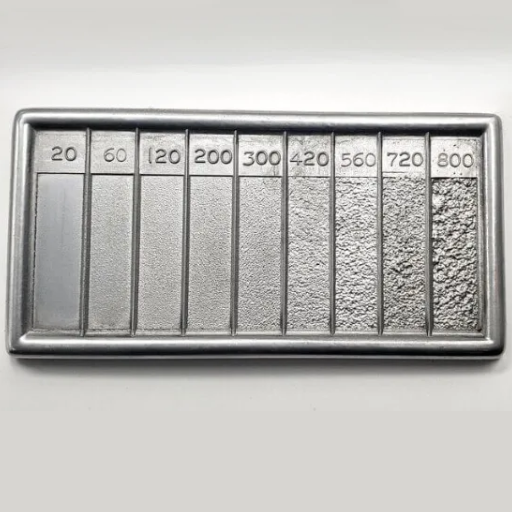
Mechanical polishing is an extensive technique that gives the surface a mirror-like finish by systematically refining the texture of the material. The operation of this method includes the use of abrasives that remove the irregularities and achieve a smooth surface of very high quality. The typical procedure involves starting with very coarse abrasives for a rough material removal of visible defects and then switching to finer abrasives for better precision and finish.
The secret to effective mechanical polishing is the graded reduction of abrasive grit size in the steps that follow. Coarser grit right at the beginning ensures quick removal of material, while finer grit becomes a quality control step that improves the surface enough to achieve the desired smoothness and the ability to reflect light. Proper control and constant application of pressure during the polishing process are very important not to introduce scratches or uneven areas.
Furthermore, lubricants are commonly used in mechanical polishing to minimize the production of heat and friction. This is not only beneficial to the material in that it protects it from overheating but also to the polishing tools in that it helps to keep them in good working condition. When done, mechanical polishing results in perfectly smooth and shiny surfaces that are not only aesthetically pleasing but also functionally precise, thus, being suitable for applications that require both.
Electropolishing is an electro chemical process that leads to the removal of a thin layer of metal thus improving the surface finish. It is a widely accepted technique to enhance metal properties such as corrosion resistance, cleanliness, and appearance (very shiny and smooth). The metal part, cathode, during the process is immersed in an electrolytic solution which eases the removing of surface irregularities. The anode, the metal part, interacts with a chemically not moving, or stable electrolyte, during the process.
One of the main advantages of electropolishing is that it gives a low-profile surface finish over the large area of the part, by selectively smoothing down the microscopic highest peaks that are on the surface. As a result, the surface produced is not only aesthetically pleasing but also less prone to the accumulation of dirt or passing through contamination. Electropolishing is a technique widely used in the industries that require the highest hygiene and cleanliness standards like medical, pharmaceuticals, and food processing, where it is indispensable.
Moreover, the electropolishing treatment doubles the lifetime of the material by making it more resistant to corrosion. A passivation layer is formed that protects the surface and is extremely resistant to chemical attacks, thus making it suitable for use in environments where metal parts are repeatedly exposed to the moisture and severe conditions. The flushing of the surface at the micro-level by electropolishing ideally makes both the metal parts functionality and cosmetics, thus it has become a requirement for high precision finishing processes worldwide in different industries.
The metal parts that undergo chemical polishing get their surface quality improved by the removing of the material through controlled chemical reactions, in other words, the metal gets its surface quality improved through the chemical polishing. This method is often utilized for the purpose of not only giving the surface an aesthetically pleasing and shiny look but at the same time also imparting greater resistance to corrosion. Chemical polishing, unlike the mechanical technique, does not involve physical wear and tear therefore, it is appropriate for the delicate and complicated shapes where the traditional methods might fail to access.
The method consists of immersing the metal parts in a solution that has been chemically formulated very carefully. These solutions are custom-made to interact with the metal’s outermost layer, gradually getting rid of any surface defects, microscopic burrs, or rough edges. The end of this meticulous abrasion is a uniformly finished surface that is not only pleasing to the eye but also performs better because of the reduced friction in the part’s application that is critical.
Chemical polishing finds its place in the surface treatments of the materials in the aerospace, medical and electronics sectors, and more. It often becomes a necessity in situations where precision along with cleanliness is the most important requirement, for example, in the case of surgical instruments or electronic components. The chemical polishing method is very effective for batch processing in that it provides equal results while at the same time lessening the manual labor needed and processing time. By improving the appearance as well as the functional characteristics of metal parts, chemical polishing keeps being a significant technology in contemporary manufacturing.
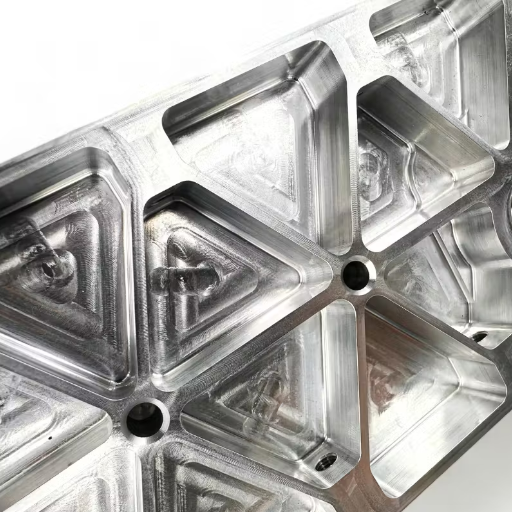
Mirror polish finishes are an essential part of the automotive industry not only for their aesthetic but also for their functional benefits. The smoothest treatment for the parts of the engine, exhaust systems, and even suspension with an Ra (roughness average) value is one of the most important factors in determining the quality of the automotive industry. Every surface with an Ra value of less than 0.1 µm is generally regarded as a mirror polish, and the process for obtaining this finish is usually dictated by the material and geometry of the part.
Chemical polishing is the main process that enables such Ra values to be reached, as it uniformly erases the surface irregularities without changing the underlying structure. The method being highly effective in upgrading the durability, cutting down on friction, and achieving better corrosion resistance of the automotive components that are prone to heavy wear is one of the reasons this method is widely accepted in the industry. Its ability to tackle complex shapes and process multiple components at the same time makes it a lot more popular in the automotive manufacturing, particularly in mass production of high-precision metal parts.
Other methods such as mechanical polishing and electro-polishing are also considered depending on the specific needs. Flat surfaces are often prepared mechanically while electronic polishing gives a higher level of smoothness and cleanness for components that are subject to severe conditions. By using these techniques, the automotive industry guarantees performance, durability, and attractiveness from a customer’s perspective while both functional and aesthetic goals are henceforth met.
The aerospace industry greatly benefits from mirror polish finishes as they not only improve but also increase the reliability of essential parts. Perfect surfaces are guaranteed through this method, which in turn, lowers friction and drag which is very important for the parts such as turbine blades, components in the engine, and skins on aircraft. The wear is minimized through the superior surface and therefore reliability and safety of aircraft systems is increased.
The mirrored surfaces have also been able to resist tenaciously, to environmental attacks like corrosion and oxidation, which are problems in the aerospace industry due to challenging conditions like fast movement, high altitudes, and different temperatures. Additionally, the mirror finish not only keeps these factors low but also prolongs the life of the component and it is not necessary to do maintenance or replacements that often hence saving costs and making operations easier for the aerospace sector.
Moreover, mirror polishing gives off superior cleanliness which is a factor of major importance in theaerospace applications since just the presence of microscopic contamination can bring about considerable problems. Take for instance, the fuel distribution system and fluid flow components, where the polished surface is the one that ensures the best operation and airflow plus it is less likely for a blockage or mechanical failure to occur. Thus, the aerospace sector really finds it difficult to do without mirror polish finishes by the road of precision and reliability in engineering.
The mirror polish finish is one of the most common requirements for medical devices with hygienic and functional demands. Surface roughness, indicated by Ra values, is one of the most important factors influencing the quality of the finish. In hospitals, Ra values usually have to be extremely low, say 0.1 to 0.25 micrometers, to render the surface free of microscopic grooves where contaminants or bacteria could gather.
To get to these low Ra values, specialized processes like mechanical polishing, electropolishing, and sometimes the combination of both are often used. Mechanical polishing involves using fine abrasives to get rid of surface imperfections and to provide a base for the next layer, while electropolishing takes it one step further by removing a very fine layer of the surface via an electrochemical process. This two-step method is very good at achieving very low surface roughness and a high-gloss finish at the same time.
Mirror polishing not only helps the sterilization process by decreasing the areas where bacteria can stick but also increases the longevity and function of the medical devices. Today, with the wide use of surgical tools, implants, and diagnostic equipment, these surface treatments guarantee that the devices will be able to meet both safety and performance requirements. High-quality and precision surface finishing are essential for manufacturers to support medical device reliability and patient safety as their major role.
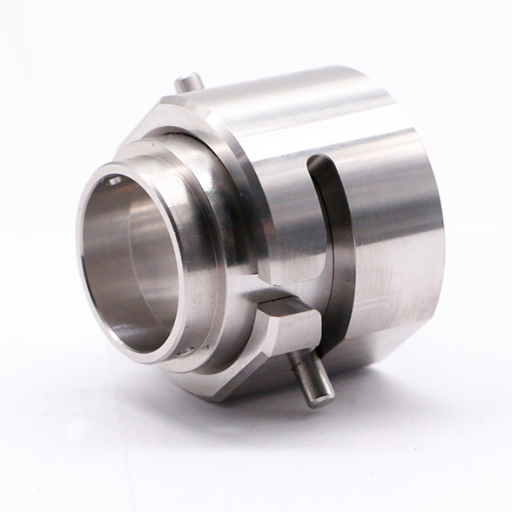
By taking manufacturers and end-users to give the polished surfaces a longer life and keep them functional. The polished surfaces give longer lives and remain functional by the manufacturers and the end-users taking them. This directly enhances device reliability and safety of the patients in accordance with the current medical standards requirements.
The healthcare sector consists of various difficulties in the preservation of medical surfaces, a case being the industry’s strictness. The most challenging aspect is the instance that besides cleanliness, the low surface roughness (Ra value) must be maintained to reduce bacterial adhesion accordingly. Minor scratches, dirt, or incorrect handling can easily spoil the surface quality and therefore constant maintenance is very critical.
The polishing techniques that manufacturers apply to obtain the desired Ra values are very accurate and incorporate both mechanical and chemical processes. These techniques are focused on the smallest imperfections and the creation of a flawless surface that is smooth enough to be reflective. Regular inspections and the use of top-quality polishing tools play a very important role in maintaining these standards because any deviation from the standard may lead to poor quality that affects both performance and compliance.
Cleaning and maintenance of the devices are performed regularly and they too play a major role in the prolongation of the mirror finish. The right cleaning materials and correct methods must be adopted in order to avoid both chemical degradation and physical damage. Through the combined efforts of rigorous polishing methods and strict maintenance routines, manufacturers can be confident that their medical devices will pass the tests of time, safety, and hygiene that are being imposed on them thus far.