

Supportive, Professional, Client-Focused Service
From prototypes to full-scale production, we’ve got you covered.



The entire appearance, performance, and durability of an item can be hugely impacted by the quality of finishing adopted during working with stainless steel. Bead blasting and sand blasting are two commonly compared operations. Both have their unique advantages and challenges, and therefore an effective selection of either process to accomplish the task is necessary. Getting the primary idea of how bead blasting and sand blasting vary in performance and then understanding all fields according to the project’s needs is the central issue of complaint being addressed in the following text. If you are yearning to deliver a fantastic finish to that stainless steel, read on to find out what you need to make the final decision.
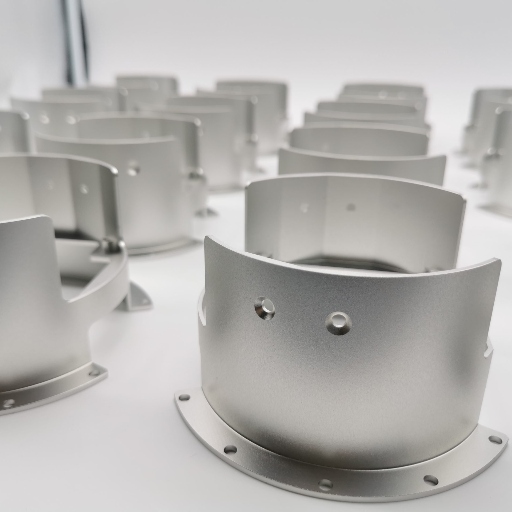
This smooth refinement of a steel surface is the vital extra quality that this stage of a manufacturing process ensures. The roughness characterizing metal working or any such metal effects as produced by welding or heat treatment must be removed; the profile of the surface must be improved in order to relieve fatigue failure tendencies by a yet smoother shininess. The proper finishing of any established sort, or merely some custom surface-surface finishing, helps in providing increased wear and corrosion strength to some minor extent. Like polished, matte, or painted, the correct finishing process is essential for obtaining the right look or matching your application.
Surface finishing is essential for achieving the longevity and performance of stainless steel. It offers an advantage both in beauty and in playing a significant role in enhancing useful properties. Industries related to design, medicine, and processing of food conform to finishing as an important step to protect contamination, lower maintenance costs and comply with applicable statutes. For instance, in the food industry, a smooth, well-finished surface resists bacterial growth all the while that hygienic surfaces within properly formed sterile applications are secured from damage.
Modern sustainability demands that there should be a lesser generation of waste and lesser consumption of energy during the processes of manufacturing. This has become part of a green revolution that has seen businesses go green by choosing various earth-friendlier finishing processes; ones that would not compromise product performance. In a nutshell, surface treatment is not a fancy job; it is a life-saving one and a safeguard for the longevity and good working of just about every object.
One of the finishing processes widely used for stainless steel, bead blasting finds application for uniform finishes from matte to satin. Fine glass beads are thrown by high pressure on the surface of stainless steel, thereby cleaning the surface and removing any imperfections in the form of contaminants on the surface, scratches, or scale. This would be the preferred method to grace a smooth finish that looks good without undermining the integrity of the material. Bead blasting is applied in industries like architecture, food industry, and medical instruments, where cleanliness and aesthetics are of utmost importance. Bead blasting further enhances the corrosion-resistance benefit to the material by improving the finish of the stainless steel surface while retaining its strength and hygienic properties.
Sandblasting, also known as abrasive blasting, is a technique used for cleaning, smoothing, or preparing the perfect surface of stainless steel by impelling tiny hard particles at high velocity onto the stainless steel metals. This method is sure to remove rust, paint or any superficial contaminant, leaving the surface clean and smooth. Surface blasting is commonly used to clean stainless steel, making it surface-prepped for further treatments, such as coating or painting, and is therefore much valued for the ability to recover its aesthetic appeal without affecting its physical attributes. Surface media shall, however, be chosen with the utmost care so as not to cause surface defects or to make the surface contaminated.
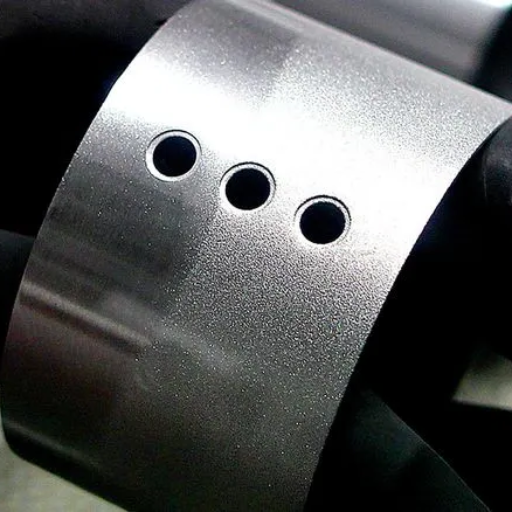
Finish by using a smooth movement along the stainless steel surface, wrought iron or a similar surface, straight, even with glass beads shot out of an air compressor within a very high pressure attempt-to achieve a clean or other surface finish. It gives an attractive look, giving an even texture without harming the intrinsic value of the material. Bead blasting makes a perfect subset for efficient removal of all impurities that include rusty surfaces as well as uniform hardness textures. Often enough, giving a long séance to looking to polished or semi-gloss rusted surfaces. The right machine and proper pressure control will go a long way in preventing damage and ensuring good results.
Bead blasting of stainless steel involves the method of propelling by small shot balls commonly made out of glass material at a very high speed onto the surface of the metal with the help of compressed air or mechanical means. These beads impact the surface to create microscopic indentations of help in achieving a smooth, matte finish. Essentially, the process always commences with thorough stainless steel cleaning, just to remove all the contaminants such as grease, dirt or old finishes, for better results. Usually, the stainless steel is placed inside a blasting cabinet or a blasting room which contains abrasive materials.
Change bead size measurements, air pressure level, and blast angle appropriately considering the desired surface to guarantee no damage to the specific material thickness. Stainless steel should be checked for consistency and uniformity of texture right after the media blast. Safety elements through proper ventilation along with equipment maintenance are important for successful and efficient media blasting. This procedure has been utilized in the installing section of industries like space, automobile, and interior decoration since it provides a top-quality finish that is also visually good as it emphasizes the inherent resistance and durability of the materials.
Soda blasting requires several essential pieces of equipment to ensure effective and consistent results.
Bicarbonate Blaster – The primary machine used to propel the abrasive material, typically baking soda, onto the surface being treated.
Compressor – Provides the required air pressure needed to operate the bicarbonate blaster effectively.
Nozzles – Manufactured in various sizes and materials, nozzles will control the flow and direction of the abrasive material for precise application.
Film containment in a blasting enclosure (if applicable) – Encloses the blasting process, keeping agents from being scattered via the air and remaining isolated inside.
Safety Gear – Consists of gloves, goggles, masks, and aprons to focus on operator protection while on duty against any dust or splinters once inside the bouncing material.
These essentials function together in creating a smooth and even texture to the targeted object.
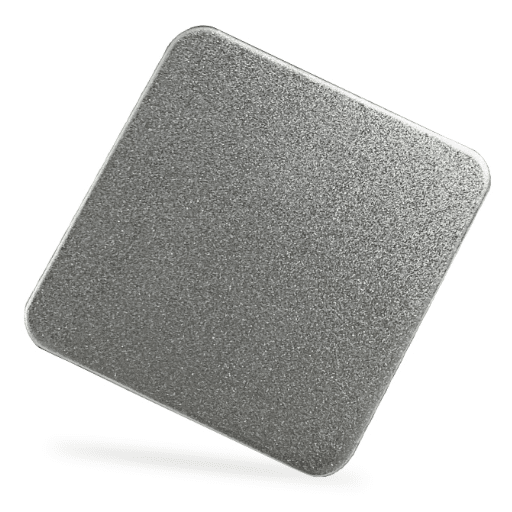
The technique for sandblasting stainless steel involves using high-pressurized air to shoot abrasive media such as sand or grit at very high velocity against the stainless steel surface. This completely eliminates all impurities, existing coating, and contaminants to leave a comparatively rough yet even finish. For this type of material, therefore, non-ferrous abrasives must be employed so as to avoid rust contamination which will destroy stainless steel’s anti-corrosive property. Thus, taking cautions in preparations-the cleaning of the surface and the right type of abrasive media will lead to the desired effects without damaging the material.
Sand blasting, also known as abrasive blasting, involves stage into which any material used for grinding is forced against a surface for polishing or for scouring or preparing the said surface. This process has essentially three components, namely: the blasting equipment, the abrasive media, and the supply of compressed air, or alternatively pressurized liquid. Abrasive material is essentially mixed with the air or the liquid and then propelled through a nozzle to impact a desired surface.
The effectiveness of sand blasting depends on the following: the type of abrasive medium used, for example, glass beads, aluminum oxide, garnet; the pressure applied; and the distance between the nozzle and the surface. These factors are skillfully applied in order to have complete impact on the sealed surface and the material used. To protect themselves against exposure to airborne particles and ensure safe operation, operators should dress in protective clothing such as facemasks and overalls.
With the advent of green technology, abrasive material employed in this new sand blasting technology will render it environmental- and health-risk-free, for instance, wet blasting decreases the dust considerably. This method is very effective for concrete repair and restoration, and automobile-body damages.
Air Compressors: A powerful compressor is used to provide a necessary amount of air pressure to push abrasive materials at high velocities.
An abrasive gun: This gun primary purpose is to direct abrasive material onto the target surface with as much accuracy as possible.
Abrasive Materials: Silica Sand, glass beads, or aluminum oxide used in any operation are just different ways to describe the abrasive material.
Protective Gear: This gear mostly comprises different equipment like full-body suits. Conventional pieces of gear include goggles, gloves, and a respirator in any state of statutory requirements for operator safety.
Blast Cabinet or Booth-Shields the blasting process within the cabinet or booth, preventing external contaminates from entering and usually collecting the used materials.
Dust Collection System – This system works by causing the dust and debris produced during the blasting process to be captured and removed so as to keep the environment clean and safe.
Bead blasting and sand blasting differ primarily in their finish, abrasiveness, material type, and application suitability.
| Parameter | Bead Blasting | Sand Blasting |
|---|---|---|
| Finish | Smooth, Matte | Rough, Textured |
| Abrasiveness | Less abrasive | More abrasive |
| Material | Glass beads | Sand or grit |
| Suitability | Thin surfaces | Heavy-duty cleaning |
| Appearance | Uniform, Polished | Coarse, Matte |
| Dust Level | Low dust | High dust |
| Eco-Friendly | Recyclable media | Reusable, Not always |
| Precision | High precision | Less precise |
If one is to take into account the surface texture and attainment as regards stainless steel, bead blasting and sand blasting cater to different purposes if posed with different results. Bead blasting plates out a smooth, far from being a shiny complexion with a smooth polished feel giving him comfort considering the respect for the appearance and consistency that accounts for architectural/stainless applications. It employs glass beads that are a lot less abrasive, thereby reducing the risk of surface damage and preserving a design made in thin materials.
On the other hand, sand blasting facilitates major clean-up tasks. It provides good pebbled texture finish necessary for removals like rust, paint, or old coatings from a steely precipitated stainless steel. Sand blasting is more abrasive-and, thus, ideal for tougher applications as thicker and more durable materials. However, it is not very detailed and fine like bead blasting in technical fixtures with rougher finishes that are way less polished.
Bead blasting is the most effective method for stainless steel projects where appearance, precision and low dust levels are more important to you. On the other hand, sandblasting is a highly preferred industrial or maintenance operation for tackling aggressive surface treatment and enhancing durability. In conclusion, selecting the right method greatly depends on what the stainless steel project demands.
Bead blasting, on the other hand, is more precise and is intended to provide a smooth, flawless, and attractive appearance; it is an effective means of providing surfaces with a high aesthetic level or fulfilling the needs of tedious finishes. In addition, it is somewhat softer in comparison to sand blasting, thereby providing considerable benefits to the mechanical integrity and durability of the stainless steel cover.
Sand blasting, however, becomes a harsher process. This method is quite efficient when it comes to heavy-duty cleaning or surface preparation for coatings, but it leaves behind some mild surface damage on the steel. This process is suitably used in industry, where the surface finish is not a prime concern.
Bead blasting really is the method of choice when it comes to manufactured goods that require precision and surface protection, whereas sand blasting is best suited for heavier material removal and superior toughness.
When comparing beads blasting costs versus sand blasting for stainless steel, the efficiency of operation in terms of both cost and time are dependent on the exact requirements of the particular project. Beads blasting is quite labor-intensive due to its focus on meticulousness and preservation of surfaces, and has, in theory, a higher cost of labor. Additionally, beads that need to be propelled for the purpose of beads blasting are costlier compared to silica sand.
Sand blasting, on the contrary, is a faster and more economic method for heavy-duty cleaning and removal of materials. With its strong abrasive power, this quickly strips off material. Consequently, it can boost the overall project’s time and labor costs. But in cases of direct challenge with the aid of sandblasting, the cost may very well be on the higher side.
It is said then that beads blasting best suits those assignments that require good surface quality and careful attention, while sand-blasting is for massive and shortest-time-taken jobs where aesthetics are less important.

Blasting has been appreciated in different industries for its suitability and versatility. Bead blasting is a lot more applied in industries such as aerospace, robotics, and medical industries require a flawless surface finish and precise results. Flour milling is considered a suitable process for cleaning delicate parts, polishing, and generating a uniform finish. On the other hand, sandblasting is more popular in construction, shipbuilding, and manufacturing for two purposes: paint and rust removal, and surface of the workpieces will prepare them for coating. With proper selection of techniques, industries can be prepared to effectively tailor the results to those offered by various project specifications.
Bead blasting is critical for medical device manufacture to achieve consistent glossy surface finish. Bead blasting is also common in such instances as removal of the contamination from a surface, improving resistance adhesion for the coating, and antiquing. And this technique, well-known to result in surfaces as smooth, clean, and uniformity as in the medical field, is highly important in the respect of any regulatory standard required in medicine–which in turn improves the device performance and patient safety.
Sand blasting is applied extensively in the cleaning of automotive parts to eliminate rust, old paint, and other surface contaminants. This makes the parts ready for repainting or refinishing as it imparts an air of cleanliness to the vehicle. The process excels before metal parts: working wonders on frames, body panels, and wheels. Using this technique, the components are rejuvenated, adding to the aesthetic beauty and lifespan of the car.
Bead Blasting is more suitable for endeavor use than Sand Blasting, for those mild glass beads delicately clean stainless steel surfaces with little abrasion, keeping its durability and aesthetics untampered. Bead-blasted walls carry aplomb to the stainless steel surface with a satiny look throughout.
On the other hand, Sand Blasting being highly aggressive often damages stainless steel surfaces, resulting in impromptu surface coarseness which might lead to their great chances of corrosion. Thus, under circumstances demanding attention to the finish and integrity of stainless steel, the superior ranking goes to bead blasting.
Comparison of Surface Characteristics of Medical-grade 316L Stainless Steel Processed by Sand-blasting, Slag Ballblasting, and Shot-blasting – This study examines the surface characteristics of stainless steel after various blasting methods, including sandblasting and bead blasting.
Effect of Aqua Blasting, Sandblasting, and Laser Engraving on the Corrosion Resistance of Type 316 Stainless Steel – This research explores how different surface treatments, including sandblasting, impact the corrosion resistance of stainless steel.
The Effect of Sandblasting and Bead Blasting on the Surface Finish of Dry Electrolyte Polishing of Laser Powder Bed Fusion Parts – This paper evaluates the effects of sandblasting and bead blasting on the surface finish of stainless steel and other materials.
The significant difference between sandblasting and bead blasting is the type of abrasive used and their aggressiveness sandblasting is generally more aggressive, using definitely angular media like sand or garnet in order to remove heavy coats and the like, whereas bead blasting uses spherical glass bead blasting material, which is not so abrasive, to produce a matt finish. For the preparation of metal sandblasting creates an excellent material removal rate and is more suitable for heavy-duty cleaning, but bead blasting provides a homogenous finish leaving neither marks nor destroys the base material or the less rough surfaces.
Blasting vs. Shot Blasting: In shot blasting, steel shot or steel grit travels at high speeds; it is intended for heavy-duty surface preparation and peen finishing to stainless steel and is hence a more aggressive technique than glass bead or bead blasting for scale removal and ensuring a tough profile in any coatings while bead blasting achieves a smoother finish making it less abrasive and so serves it well for aesthetic applications, for example, blasted stainless steel for delicate parts.
Yes, both abrasive blasting techniques eliminate coatings and rust; nonetheless, the impact of such would be dependent on the coat and condition: for instance, sandblasting will often be more aggressive for thicker coats and larger corrosion while glass bead or bead blaster will clean and finish without damaging the substrate. If cleaning requires removing hard coats, one may require sandblasting or steel grit; for finishing and cleaning very precise parts or to prepare for anodize or a new coat, bead blasting is the predominant choice.
Such types include glass; plastic; sand; garnet; steel shot; steel grit silicon carbide; vegetable; coal; and aluminum oxide. Glass-like beads are usually used for just desert carbides garlands leveling shiny paint or soils and, coarser ones, are milder while steel shot and steel grit are more aggressive and used for heavy blasting. Shader material weighs different advantages with certain substrate materials of a higher or lower finish theories. Consequently, selecting beadblasting generally depends on the desired finish – of a material with respect to its blasting needs. Different materials produce variable levels of surface conformance and abrasiveness also but moderately.
The major concerns include burring, overcleaning with removal of base material, and tolerance alteration. Aggressive blasting is likely when using sandblasting, and it could be harmful to thin or delicate parts. That contrast reflects glass bead blasting as a gentler alternative with minimized risk of burr or deformation. For critical parts, experimenting with and selecting the appropriate media—such as spherical glass beads for a more gentle method of cleaning, or steel shots for intensive ones—creates a fine balance between the cleaning process and keeping the part in place.