

Supportive, Professional, Client-Focused Service
From prototypes to full-scale production, we’ve got you covered.


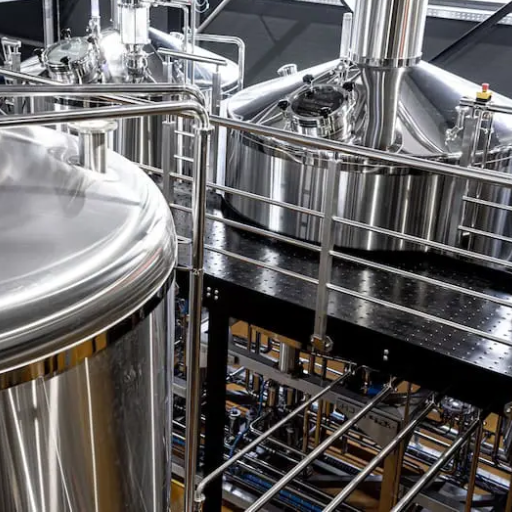
Stainless steel has such a blend of qualities as hardness, enduring the attack of rust and nice appearance that it is the main material in various industries like healthcare, aerospace, etc. However, is it possible that there is a way to go beyond the limits of its performance and beauty? Electropolishing is the answer, a contemporary method which improves the stainless steel surfaces by smoothing, cleaning and providing higher wear-resistance. The field of applications is already quite wide: just to mention two, either one is looking for polishing of the stainless steel parts for heavy-duty industrial use, or a highly-refined, mirror-like finish for decorative purposes, electropolishing with its tremendous advantages will be there to lend a hand. The scientific aspect of the process, step-by-step methodology, and the material’s utility and shelf life will all be uncovered in this article. Keep on reading to learn why electropolishing has become a worldwide preferred method for excellent stainless steel surfaces.

Electropolishing is an electrochemical method that is mainly used to smooth and shine metal materials, especially stainless steel. In this process, the electrical current is passed through a carefully monitored acidic solution, and this leads to the removal of a very thin layer of the metal’s surface. As a result of this process, the surface is microscopically clean, smooth, and often shiny with a lot of roughness removed.
Electropolishing is mainly targeted at the quality of the material surface. It eliminates the presence of contaminants, sharp edges, and irregularities thus, improving the visual characteristics of the metal and at the same time, making it more resistant to rusting and bacteria’s growing. For instance, Medical devices, food processing, and aerospace are some of the industries where the process is widely used because in these areas, hygiene and durability are very important.
The same reason that the process creates a good-looking parts surface is the main reason that electropolishing is also considered a very effective means of improving the performance of parts. One way that the process improves mechanical property of the parts is by reducing the various types of stress points and friction while at the same time increasing their resistance to fatigue. Moreover, one of the biggest advantages of the process is that it leaves a uniformly finished part; thus, it is the preferred method for those applications that require both good functional and aesthetic characteristics.
Electropolishing is a method that uses an electric current to remove a very thin layer of metal from the surface of the metal, thus enhancing its smoothness and giving it a better appearance. The particular metal is immersed in the electrolyte bath and a direct current is applied over it. The metal part is anode while a cathode is taking part in the circuit. When the current is flowing through, the metal ions at the high points of the surface irregularities are dissolved faster leading to a smoother and more uniform finish.
The process remains highly effective because of its targeting ability to microscopic surface imperfections. The material removal rate is influenced by the current density, which is higher at sharp points and peaks. Hence, electropolishing selectively takes off these high points; thus, leveling the surface and smoothing it. The process can also help to remove particles of dirt, scale, or oxides that are embedded, thus further enhancing the metal’s cleanliness and performance.
One of the primary benefits of electropolishing is that it not only enhances the appearance of the metal but also its performance (functional side). The passive layer of oxide formed on the metal surface during the process makes it so that the metal is no longer affected by environmental factors and thus becomes resistance to corrosion. The process also creates a bright and reflective finish which becomes very useful in areas where both the durability and visual appeal are needed. Thus, overall, electropolishing provides a reliable solution to those industries which require high-quality metal components.
Stainless steel alloys are recognized as versatile and highly appreciated materials because of their unique combination of mechanical properties and resistance to corrosion. Their key characteristics make stainless steel alloys essential in various industries as follows:
The combination of all the above attributes enables stainless steel alloys to serve in the industries like construction, automotive, aerospace, and medical, where they ensure performance and environmental responsibility for a long time. Further, the recent modifications in alloy compositions and surface treatments are still broadening the horizons of stainless steel thus rendering the material a versatile one among the engineering that is most sought after today.
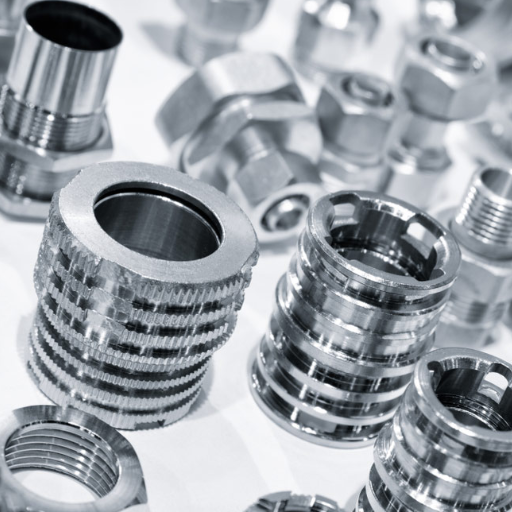
Electropolishing provides a great boost in stainless steel’s corrosion resistance by virtue of the smoothing out of the surface and creating the shiny, even finish. In the course of this operation, a certain amount of material is taken off the surface in a controlled manner, this results in the elimination of those spots where corrosion starts: the contaminants, the embedded particles, and the micro-roughness which is often very small. As a result of an improved surface finish, corrosion occurs lessened and the service life of stainless steel parts in the vicinity of high corrosion is also increased.
Simultaneously with that, the process is also developing and solidifying the chromium oxide layer to stainless steel. The chromium oxide layer is a natural, passive shield that protects the metal from being oxidized and corroded through chemical processes. Electropolishing takes this layer to its full strength by making sure that the amount of chromium is highest at the surface level, thus giving the metal better protection against abrasive materials like chlorides and acids which are common sources of pitting and crevice corrosion.
Moreover, the silky surface that comes with electropolishing mitigates the possibility of biofilm and other contaminants sticking to the metal, which is extremely important in food processing, pharmaceuticals and medical devices industries. This not only guarantees higher levels of hygiene and purity but also minimizes the risk of corrosion in the specific areas where the dirt has been trapped. With the improvement in the corrosion resistance and surface aesthetics, the electropolishing process helps to make stainless steel even a more formidable and trustworthy material in the demanding environments.
The process of electropolishing is a highly efficient method for getting a surface finish that is not only smoother but also a safe one. This technique works by dissolving a very thin layer of material from the top of the stainless steel and thus, very effectively, gets rid of the microscopic peaks and valleys that can attract and hold contaminants or even bacteria. The surface then becomes a lot smoother and at the same time harder to get filthy making it perfect for areas with strict cleanliness and hygiene regulations.
Moreover, this process improves the raw material’s resistance to corrosion for a longer time. The smooth surface made by electropolishing makes it very improbable for dirt and debris to get stuck, which in the case of untreated, can lead to localized corrosion. On the other hand, it also enhances the surface’s condition to hold its strength in extreme environments, thus providing long-lasting dependability and performance.
A surface that is free of microorganisms is of prime necessity in food processing, pharmaceuticals, and healthcare industries where regulatory standards have to be followed and safety ensured. Electropolishing is of great help in such situations as it produces surfaces that are not only cleanable but also contamination free that could have otherwise been a source of product decay. Creating a uniform and shiny surface, electropolishing thus plays a major role in the manufacture of higher quality and safer equipment in these challenging sectors.
Electropolishing is a method that not only significantly increases the durability of the materials but also removes the surface imperfections that could be sources of stress points or corrosion. A surface that is smooth and uniform is less thus less wear and tear and subsequently longer lifetimes for equipment and components. This is the main reason why electropolishing is valued so much in the industries where long-term reliability is a must.
Electropolishing, after all, is a process with multiple benefits and one of its side effects is the enhancement of the aesthetic quality of metal surfaces to the greatest extent possible. The surfaces created by electropolishing are the ones with the highest degree of luster, gloss, and reflectivity; consequently, they are characterized by a very attractive and professional finish. Besides, the surfaces that have gone through the electropolishing process are the ones that require the least effort in terms of cleaning and maintenance; therefore, their use is ideal in the food production and healthcare industries, where cleanliness is of utmost importance.
In addition, the imperfections of the surface layer are removed gradually and, as a result, the resistance of the material to the environmental influences is improved, which in this case are the chemicals and the moisture that might cause damage to the material. The resistance gained not only protects the material against corrosion but also guarantees the components their structural integrity, even in the harshest conditions. All these advantages together make the process of electropolishing a must not only for the functionality but also for the aesthetics of the metal parts.
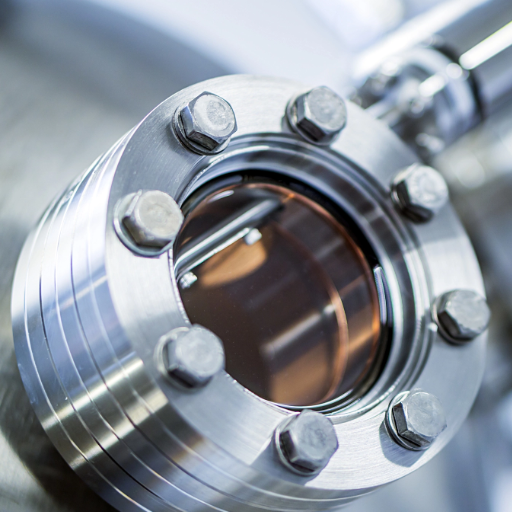
Electropolished stainless steel is a decisive factor in the medical sector mainly because of its biocompatibility, cleanliness, and resistance to contaminants. Medical devices like surgical instruments, implants, and hospital equipment are all treated with electropolishing because it gives a smooth, ultraclean surface which is very difficult for bacteria to grow on. Hence, this quality is of utmost importance for the medical field as it directly affects the hygiene and infection control during procedures.
The process of electropolishing also brings about the elimination of the superficial microscopic imperfections which are the main contributors to corrosion and wear happening over time. Thus, the medical implants such as stents or orthopedic devices are given a longer lifetime and assured compatibility with the human body. The slippery surface of the device decreases the friction which means that the device is being effectively utilized in a critical application where precision and longevity are of utmost importance.
Moreover, one of the key advantages of the shiny and smooth surface of electropolished stainless steel in the medical sector is its ability to conform to the strictest regulations and quality standards. The surface is not only free of contaminants, but it can also endure the sterilization processes of autoclaving. This means that the medical devices and implants are still regarded as safe and effective even in the harshest conditions, which in turn, enhances patient outcomes and gives more confidence in medical technology’s reliability.
Electropolished stainless steel is a significant material in the aerospace sector mainly for its high-performance properties and long life. Its smooth and flawless surface reduces the chances of getting dirty and keeps the parts strong even in extreme conditions like high temperatures and pressures which are normally experienced during flights. This is one of the reasons why it is used mainly in the production of precision parts such as engine components, fuel systems, and structural assemblies.
The stainless steel electropolishing process provides the metal with an extra layer of corrosion resistance making it perfect for the aerospace industry where sometimes the components are directly exposed to the elements or humidity levels might vary during short periods. The extended life of critical components due to increased resilience not only results in reduced maintenance costs but also puts aircraft systems in a more efficient and safe situation.
In addition to that, the really nice finish that electropolishing gives the metal contributes to the weight reduction of the materials. The industry has been able to remove the excess and make thinner and lighter designs while still keeping the required structural strength which has been the main concern of the industry regarding fuel consumption and sustainability. Consequently, electropolished stainless steel has become a necessary material choice for the development of aerospace technologies.
The food processing industry has made great use of the electropolishing process in the production of food as a result of its contribution to the hygiene and safety standards of the chosen method. The process gets rid of the roughness on the surface and provides a smooth and non-porous finish such that there is no chance of bacterial growth at all and thus no contamination either. This features electropolished stainless steel as the perfect candidate for tanks, piping, and conveyor systems in food production since this material is not only used in such applications but also in them that have the most direct contact with the product.
One major advantage of the polished surface is that they are so easy to clean. The process leaves the surface with hardly any microscopic crevices, so the cleaning agents can very effectively eliminate the residues and thus the compliance with the stringiest food safety regulations is ensured. This compliance is necessary for manufacturers who wish to be considered by the FDA and USDA, which dictate the use of materials and processes that guarantee food safety and the respective avoidance of cross-contamination during production.
Also, the electropolished stainless steel does not get rust, its integrity and durability remain the same even in acidic or high-moisture environments that are typically found in food processing areas. The long service life that comes with this quality reduces the risk of contamination or equipment failure when relying on the solution that offers safe and health-friendly conditions for the industry. Thus, one can say that the electropolishing process is of immense importance when it comes to maintaining the quality and safety of food products that are eaten around the globe.
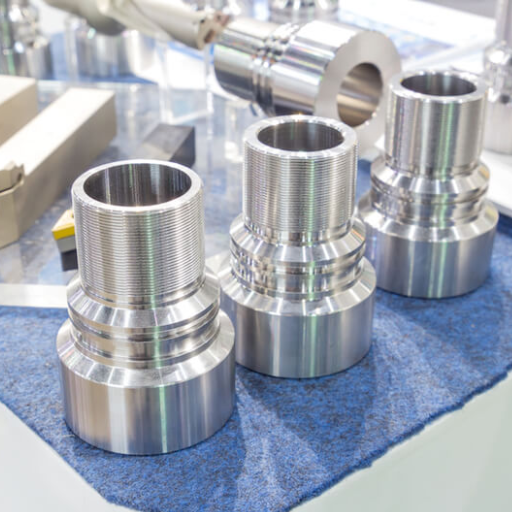
Industries that deal with a high degree of cleanliness and precision, like food production, medical equipment manufacturing, and aerospace, all rely on electropolishing. Its ability to yield smoother, more hygienic surfaces is evidence of its versatility and significance. Electropolishing is a process that results in less contamination and improved product durability, thus it has applications in a great number of sectors with clear advantages.
The process of electropolishing is a combination of materials and equipment that ensures effective and consistent results. The primary component is to have a proper electrolyte solution, usually a mixture of acids, such as sulfuric and phosphoric acid, that allows controlled removal of the surface material of the workpiece. The electrolyte is meticulously chosen that will be compatible with the material to be polished.
The next step of the process is to use a power supply that can provide direct current (DC). Through this power source, an electrical circuit is made between the workpiece and a cathode, which is usually made of stainless steel or another conductive material, where the workpiece is connected as the anode. The current flow makes the electrochemical reaction happen that brings out the smoothness and leveling of the surface.
Besides other essential instruments, the main ones are the tank or bath where the electrolyte will be contained, the agitation plant that assists the even spreading of the solution throughout the process, and the temperature regulation systems that maintain the best temperature for operation. Moreover, safety measures such as fume extraction and PPE are critical for providing protection to the workers from the risks posed by chemical substances and vapors. The whole combination of these materials and equipment leads to an electropolishing process that is precise, reliable, and speedy.
Post-processing and passivation are two vital stages that follow the electropolishing process. These steps allow the metal surfaces that have been treated to acquire, as planned, the cleanliness, corrosion resistance, and aesthetic quality. Post-processing usually starts with the application of a series of rinses that are very thorough in order to completely eliminate the residual electrolyte and any contaminants that may have been left on the surface. This step is essential in that it not only stops unwanted chemical reactions but also prepares the surface for further treatment.
The passivation treatment basically gets done in such a way that the metal is made more resistant to corrosion by either building or restoring the oxide layer that is passive. The technique utilized here is that the metal is immersed in an acid solution, most often nitric or citric acid, in order to eliminate any free iron or surface defects that may be inviting rust. Moreover, passivation ensures the surface remains chemically inert, which in turn prolongs the life of the material in various environments, particularly in the case of moist or chemically hostile places.
The post-processing and passivation partnership is essential for the industries that demand top-notch materials like medical equipment, aerospace, and food processing. These procedures ensure that the surfaces that have been subjected to the treatment are not only aesthetically pleasing but are also very safe and suitable for high performance under the strictest conditions. Following best practice for these procedures allows manufacturers to yield the best results while at the same time significantly enhancing the durability and functionality of their final products.

The electropolishing of stainless steel has a lot of advantages; however, the process has its drawbacks. The most typical drawback is uneven polishing which can take place if the surface is not properly prepared before the process starts. Contaminants or flaws in the surface of the material can cause the polishing to be either too little or too much in certain areas. Cleaning and preparation of the surface are very important to getting even results.
Pitting, which is characterized by the appearance of tiny holes or defects on the surface post-electropolishing, is yet another widespread problem. The most significant factors contributing to this defect are the wrong electrolytic mixture, the very high current density, and improper temperature control during the process. Monitoring the process parameters such as the composition of the electrolyte solution and controlling the current input will enable one to prevent pitting and achieve a glossy, defect-free surface.
Discoloration or streaking can also occur as a result of improper process conditions such as imbalance in the electrolyte or poor rinsing. These flaws might reduce the visual appeal of stainless steel and might also affect its finish. The adoption of strict quality control measures along with the following of very precise procedural instructions can help in reducing discoloration and achieving the desired effects of electropolishing.
Careful preparation and quality control throughout the entire process are the challenges to be faced in cases of pitting, discoloration, and streaking in the electropolishing process. Surface preparation should be done in a way that all the surfaces are clean and ready for further processing. A cleaning procedure which is very effective in the elimination of contaminants such as grease, oils, or residues is done prior to electropolishing which creates a surface and conditions that are suitable for the best results. Using high-quality electrolytes, and keeping the solution’s chemical composition balanced are other ways that the occurrence of defects can be reduced.
Another strategy that is very important and very effective is making sure that the process conditions remain consistent. The regular observance of the temperature, current density, and electrolyte concentration can minimize the variations in the outcome to a great extent. Automated systems or periodical testing may support keeping these parameters and thus increasing the reproducibility of the process. Additionally, the thorough rinsing procedure during the process contributes to the elimination of the residual chemicals that may lead to discoloration or streaking, thus the finish is perfect.
To sum up, regular maintenance of equipment and training of personnel is above all important. The electropolishing machine should undergo frequent checks and calibration to avoid variations. In the same way, workers should be competent in spotting and solving problems fast. All these measures together will not only be able to handle the typical issues, but also will produce finishes of stainless steel that are of the highest quality and visually appealing on a regular basis.
A: The process of electropolishing stainless steel parts consists of the electrochemical procedure, which is also referred to as electrochemical polishing or electropolish, and which, through the elimination of microscopic peaks of material, makes the metal surfaces smooth and shiny. The components undergoing treatment are immersed in an electrolyte bath that is held at a controlled temperature and is typically a mixture of sulfuric acid and phosphoric acid, and a reverse plating process is used whereby the high points are selectively dissolved. The application of electropolishing results in an improved micro finish, surface defect removal, and corrosion resistance of stainless steel and stainless steel parts being increased.
A: Typically, electropolishing services embrace a variety of stainless steels because they are alloys based on iron and the different grades comprise both 316L and 400 series stainless steels. The electropolishing procedure is quite powerful in getting rid of the microscopic burrs and surface dirt on 316L and in some of the 300-series grades, but it can be less effective on some of the 400-series grades owing to their composition. Stainless steel 316L components are most often acknowledged for the combination of the properties of stainless steel – resistance to corrosion and appearance.
A: Electropolishing is, in fact, a technique that gets rid of microscopic burrs and in addition to this, it can round off the corners of the workpieces and remove the small burrs without using any mechanical abrasion during the process. The procedure which smooths the surface of the metal also reduces the quantity of the burrs and offers a uniform micro finish, thereby making electropolishing a metal finishing operation that is highly sought-after for components that require exact tolerances and higher cleanliness.
A: Electropolishing, an electrochemical process, can both remove material from the surface and make thicker the passive oxide layer; however, chemical passivation treatments, such as nitric and citric acid passivation, mean that these processes are mainly about removing free iron and promoting the formation of a passive film. Passivation vs. electropolishing: the latter provides not only corrosion resistance of stainless steel but also a smooth surface, whereas the former mainly focuses on corrosion resistance without influencing the micro finish to a large extent. Most manufacturers utilize the duo of electropolishing and passivation to meet strict requirements.
A: In fact, the majority of the electropolishing service provided companies claim to work according to the ASTM B912 and ASME BPE specifications standards. ASTM B912 lays down the procedures for electropolishing processes for stainless steel, while compliance with ASME BPE is a common practice for components and parts used in bioprocessing. A patented method of electropolishing, along with a skilled team of electropolishers, will log cycle parameters, surface roughness, and chemical composition to verify that they are meeting the standards.
A: The cleaning steps are very critical: usually the parts are cleaned and degreased before the electropolishing process, in most cases, using vapor degreasing or some other degreasing technique to get rid of the oils, machining fluids, and other foreign contaminants. A clean surface allows the electrochemical process to operate uniformly; not degreasing can result in uneven electropolishing or residues under the passive layer being trapped.
A: The process of electropolishing makes use of a combination of sulfuric acid and phosphoric acid as the working solution, where the solution is constantly monitored at a specific current density and time and is kept in a temperature-controlled environment. Although very effective, it presents some risks as it involves the use of dangerous acids and therefore, only trained personnel should carry out the procedure with the necessary safety measures in place. The reputable service providers of electropolishing take care of the waste and the safety of staff, and they also comply with environmental and safety protocols.