

Supportive, Professional, Client-Focused Service
From prototypes to full-scale production, we’ve got you covered.



Stainless steel is known for being extremely durable, corrosion-resistant, and nice to look at, but these assets do not necessarily come to life in view. Enter passivation—a very crucial step in the protection of stainless steel from corrosion and environmental degradation in conditions defined by industry standards. You may want to improve your products performance as a manufacturer, or you may wish to increase your knowledge as an industry professional from this exhaustive guide that rigorously walks you through all the passivation fundamentals. From the scientific aspect of the procedure to best practices, you will find this one-stop shop for the maximizing the capabilities of stainless steel.

Passivation is a chemical treatment to increase the resistance of a stainless steel to rust. This involves taking out the free iron along with other surface contaminants from the material so that an oxide layer may naturally form over the steel surface. The oxide formation then becomes a protective barrier that prevents the steel from reacting with corrosive agents in its surroundings.
Also, the processing uses an acid treatment, such as nitric acid or citric acid, to clean and prepare the stainless steel surface. The layer formed is passive and uniform and solid. It is fully resistant to corrosion properties of the material. The process does not affect the dimensions and appearance of the stainless steel and, therefore, both must be retained for the aesthetic beauty and functionality.
Passivation is pretty indispensable in industries like aerospace, medical, food processing, and chemicals where stainless steel is subjected to harsh or reactive environments. Proper passivation ensures a longer life cycle for stainless steel components and ensures they are less corrosive, that is, free from tarnish, pitting, and other forms of corrosion even under heavy usage.
The act of passivation enhances the corrosion resistance of stainless steel and maintains its other properties. The great majority of stainless produce is resistant to rust as a result of adding chromium, but the manufacturer allows the surface to accept contaminants such as iron particles as needed for machining or during the welding process. Further contamination could lead to the destruction of the passivation layer, exposing the material to rust. Passivation brings back the strength and endurance of the oxide layer ensuring the resistance to corrosion.
Utility companies frequently use these stainless steel product creations in harsh settings – a steamy kitchen full of hot tools or exposure to seawater and chemicals. Without passivation, corrosion damage such as pitting, tarnish, etc., inhibits their utility. Passivation, moreover, in addition to bringing back a perfectly clean surface, allows for a longer stainless steel working life, so that products would stay safe and dependable under heavy use.
Besides, passivation confers compliance with industrial specifications and laws, usually mandating materials which resist surface reactions and crumble under maintenance. For instance, a medical component must have a surface free of common contaminants to protect patients from risks or from getting hurt. When an industry upholds passivation as a vital linking process within production and maintenance of stainless steel components, it attains efficiency from both operational perspectives and high quality standards.
Chemical composition and distinct properties are two major factors by which stainless steel grades are subdivided into an array of usage-related categories across various industries. These include the austenitic, ferritic, martensitic, duplex, and precipitation-hardening stainless steel classifications. Among these classes of stainless steels, austenitic ones enjoy a special niche market for their unrivaled resistance to corrosion and formability. Many ferritic types exhibit magnetic properties and are also resistant to stress corrosion, while martensitic grades can provide remarkable strength and hardness.
One of the most important parameters in the selection of grades for an application is concern for high corrosion resistance, high mechanical strength, and environmental conditions. For example, grade 304 and 316 are recommended for use in corrosive environments and thus exhibit great resistance to rust. Among those, 316 is preferred in marine and chemical set-ups or places where it needs higher resistance to chlorine corrosion. Yet the martensitic grade, such as 410 ones, are most investigated and mostly approved for being selected because of their more strength applications and are mostly linked to items such as knives and steam turbines.
An individual may somehow reflect upon the trade-offs of expenses, efficacy, and long-term validity. Austenitic grades may be expensive due to their nickel content, but their performance and sophisticated characteristics bring an undescribingly large value for applications that are critical. If one understands the delicate differences between categories, any stainless steel may be chosen by a designer to achieve the desired operational performance and quality-specific requirements.

Chromium, the metal element, is very important as far as providing resistance towards corrosion in stainless steel is concerned. Once there is at least 10.5% of chromium, it reacts with oxygen from the atmosphere to form a passive layer of chromium oxide, which remains at the surface. The passive layer hinders any further corrosion activity by rendering a barrier that is simply resistant to further oxidation, even if the barrier rusts or breaks down under normal environmental conditions.
Indeed, the layer of chromium oxide is able to replicate itself, and this means that any scratch that may have been made to the surface is quickly and spontaneously healed by reaction with ambient oxygen, this shutting down of the path of attack. It is this capability that enables the stainless steel to be resistant to corrosion down the years and thus indeed tests true as truly amazing value in all types of environments, whether giving off mind-numbing quantities of moisture, or whether very humid or corrosive-environment. This ability to self-repair is the reason why stainless steel is the material that most of the industries choose when they are hands-down in search of an unswerving and tough material.
The core role of Cr is indeed giving stainless steels their corrosion resistance, but many factors may affect this property, such as the overall matrix composition of the steel and the environment of service. In addition to pure reservoirs of corrosion attacks, higher Cr levels could create sufficient resistance against some of the most corrosive agents, while the addition of other elements, for instance, Ni or Mo, could enhance performance to withstand certain highly aggressive conditions. So, only through this approach, the engineer can play around with Cr and other elements for choosing the proper stainless steel grades to be used in a particular application.
The formation of the chromium oxide film is the pivoting point to provide corrosion resistance to stainless steel. When the chromium content in stainless steel exceeds the approximate figure of 10.5%, a highly tenacious and extremely thin layer of chromium oxide, spontaneously formed in air, interacts with oxygen to afford a protective film that effectively protects the surface from further interaction with its environment, hence ensuring resistance to corrosion.
This phenomenon of the luminescent healing and anodizing process means should contact damage or scratches jeopardize protective layer, the same could restore itself so long as any trace of oxygen could further react with chromium on an exterior steel surface. This process of automatic reparation is the very reason why stainless steel offers great resistance to corrosion and can be used extensively in a great many industries, especially in unfriendly-weather or high-humidity conditions.
By alloying stainless steel with other elements-for example, nickel- efficiency and longevity of chromium oxide layer could be further improved. The addendums enable long-lasting existence under demanding conditions which include exposure to acids or environments of high chloride ions, thereby promoting material performance in harsh environments. If we possess knowledge of these protective mechanisms, the engineers can now tune or develop some specific grades that can fit their requirements for various applications.
Passivation involves the creation of an extremely thin oxide layer on the metal surface, serving as protection against corrosive elements. It involves a chemical treatment of the metal, typically involving an acid solution to remove free iron and other impurities, while letting the natural oxides develop. This oxide layer shields the metal against its environment and enormously reduces the possibility of corrosion.
The success of passivation depends largely on the kind of metal, as well as the kinds of conditions the metal will face. For instance, passivation serves stainless steel material well because its chromium content reacts with oxygen to form a stable and homogenous chromium oxide layer. This protective film can repair itself in case of any damage, as it can regenerate in the presence of oxygen, ensuring that the metal remains protected.
Passivation is considered extremely significant in metals for demanding applications such as industrial or marine environments. It also adds great resistance to rusting and corrosion to the metal, thereby helping the material to be used longer, thus promoting the equipment or structure’s lifespan.

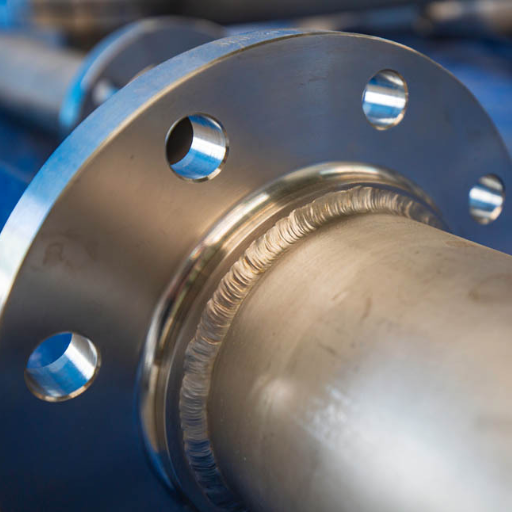
Stainless steel after passivation immediately gains effective improvement in corrosion resistance. This enhancement is directly explicable because passivation helps cleanse the surfaces of pollutants such as iron particles, which unshackle the oxidation of stainless steel by providing an effective shield against external factors such as moisture, oxygen, etc., all of which can initiate rusting and chipping.
Industries with equipment exposed to harsh chemicals, high humidity, or saline environments benefit from this process particularly. With passivation, their stainless steel equipments are made more long-lasting thanks to the unfolding of the protective layers, so require less maintenance service. Applications include food and beverage processing, pharmaceuticals, and marine operations with the focus on keeping the integrity and hygiene of equipment intact.
Finally, passivation is a much better alternative for maintaining tarnish-free stainless steels in the device by conventional treatment. The method creates perfectly clean surfaces on stainless steel and totally specified surfaces with slight ion contamination. While the optional creation of an oxidation rebound layer by anodic process is nonessential and remains for the request of individual and customer convenience, the adhesion of the oxide to the stainless steel will be augmented.
Treats applied to stainless steel coating have many uses in diverse industrial settings simply by virtue of the superior surface properties achieved. One of the most important sectors is that requiring highly sterile, corrosion-, and wear-resistant surface surgical equipment, implants, and instruments. The surface quality and cleanliness obtained from the treatment ensures a good level of safety and longevity in the case of medical applications.
Food and beverages impacted hugely by this technology. Food-processing equipment, tanks, and pipelines require surfaces that are easy to clean and handled, preventing possible contamination. This improved property was provided by the treatment on stainless steel, thus ensuring compliance with hygiene norms, overall while supplying the required structural stability for vigorously put.
For the aerospace and automotive sectors, the treatment is used. The components in these industries require specificity, durability, and a capability to withstand harsh weather and environmental challenges. By enhancing the surface properties of stainless steel, the treatment greatly enhances the doubly guaranteed performance and life expectancy of the part. Therefore it is essential in applications dealing with severe jet-engine environments, like automotive exhaust systems, and structural components. Given these very different applications, the incredible ability of this surface treatment technology to draw a complex market picture emerges as the technology is interesting to today’s industry.
Long-term treatability and lesser maintenance requirements are a big consideration in the longevity of the functional components appended with advanced surface technologies. These treatments give good wear, corrosion, and environmental stress; and we pay for this with lower maintenance costs because frequent maintenance or early abandonment hardly exists. So, for these industries where reliability and longevity are vital, these surface treatments are cost-effective options.
In fact, regular inspection and appropriate cleaning of the treated stainless steel parts go a long way in maintaining their durability. Routinely cleaned stainless steel surfaces are protected against the buildup of dirt, grime, or corrosive particles that would eventually render the treated surfaces useless. Moreover, using cleaning agents, which are non-abrasive in the manner of application, can slightly amplify performance.
Ultimately, making investments in state-of-the-art surface treatment for stainless steel reduces maintenance and repair costs, while also assuring that the best performance is delivered under various high-demand applications. Given the correct care and attention, the parts will provide performance right through many repeated uses and redeeming user’s trust from industries around the world.

ASTM A967, as an internationally recognized standard, makes use of chemical passivation to test stainless steel fixtures. Upon abiding by an ASTM A967 standard, manufacturers and the industries have been able to improve stainless steel functions that are being used in types of applications by ensuring formwork and other surfaces from contaminants, for example, free iron. Such contaminants can damage the corrosion resistance of the material.
Processes outlined in ASTM A967 involve specific chemical treatments such as nitric acid, citric acid solution, etc. for impurity removal and making an oxide layer to protect the surface of stainless steel. This oxide layer is very important in guarding material against rust and corrosion. It is particularly essential in environments where high performance is required. The standard also gives detailed information about presented methodologies of successful validation, which include water immersion, salt spray, copper sulfate testing, etc. for evidence of effectiveness of passivation.
In industries, ASTM A967 serves as a benchmark for quality assurance as well as a tool for performance evaluations. Compliance with this standard fosters reliability and compliance, provoking stakeholders’ affirmative attitude, with respect to their stainless steel component’s foresee of longevity. In addition, ASTM A967 makes global trading possible, considering stainless steel quality uniformity in different regions and markets.
AMS 2700 defines the process by which metals could be passivated through treatment. This forms an integral part of any practice to an extent that parts, components, or systems are classified as passivated, particularly stainless steel. Passivation is an absolute requirement for the failure-safe operation of any agency that uses stainless steel. AMS 2700 can be seen as guidance to those industries that remain in their critical parts of applications, especially aerospace, medical, and automotive fields. AMS 2700 ensures that contamination occurs across a stainless steel surface, like iron particles or residues from production processes.
Key aspects of AMS 2700 include precise prescriptions for industry-acceptable passivation methods- nitric acid and citric acid treatments, at that time, with specific, working manual testing codes to evaluate the effectiveness of the passivation treatments. The specification also sets down the levels of cleanliness the treated components are supposed to have and sets performance standards for such cleanliness assessments which an operator must verify. Consequently, by adopting AMS 2700, sellers/contractors find they can provide their customers with sophisticated components to bring their demanding environmental and working requirements in compliance.
There is a great deal of benefit accruing from adopting AMS 2700, such as the increased reliability of the products, the long service life, and resistance to environmental challenges like humidity or marine land. By following AMS 2700, industries that impose safety and performance standards have given themselves the quality assurance they were looking for, a step which will make manufacturers and the end users more confident. This explains that the need of the specification will undoubetedly ensure the functionality and security of the stainless steel components at the hands of many applications.
Safety, quality, and durability are kept up by adhering to norms like AMS 2700 in literally any sector. These standards aim to maintain few ground rules while working with stainless-steel components, which are often the barriers in high demand or intended to exist for a very long period. Walking closely with technical specifications will offer the manufacturers an impressive-quality sense of confidence toward their product and may let them witness very few product defects.
Inadequate compliance, consequently, will significantly enhance operational risks like equipment failure, safety hazards, and increased costs from repair or replacement. For components exposed to harsh environments or difficult working conditions, very strict specifications are necessary to maintain integrity and operate as intended. Impacting the exposures by obtaining compliance helps in reducing the system and unit risk because of those components.
Good business always starts on specifications to maintain trust across the supply chains. Trust can be fostered between them, who are the great supporters of standards and buyers, through compliance on these standards, thus allowing a good relationship among these manufacturers and clients. Besides meeting the functionality showdown, following up the standards shows the embodiment of responsibility and professionalism. Consequently, by following the regulations, companies may maintain their standing market-wise.
A: Yes, stainless steel parts can be passivated after machining. Free-machining stainless steel( at first) and other stainless steel parts have a surface contamination and iron from the cutting tools; a proper cleaning and passivate stainless steel routine, such as nitric acid or citric acid passivation, will remove nearly all of the contaminants and restore corrosion-resistant properties of the surface of the stainless steel parts.
A: By nitric acid passivation, concentrated nitric acid or nitric acid solution is used to chemically eliminate free iron and allow oxide forms; it is effective for many stainless grades while using due care. Citric acid passivation is the use of an organic acid that is less hazardous and environmentally friendly and still works well for passivation. The end goal of both methods is passivation and protection of stainless steel. Various stainless steel passivation specifications include both options depending on their application.
A: However, the passivation test may consist of visual inspections, water break tests to check uniform wetting, and chemical tests such as ferroxyl or copper sulfate tests to detect free iron or active metal on the surface. A number of industries are using a specific passivation test procedure described in a specification for chemical passivation treatment; it seeks to confirm that the surface of an object made of stainless steel meets the required passivation levels and corrosion resistance.
A: Among other points, the following picture is an effective guide to optimum performance: The type of acids and the formulas should contain nitric acid, citric acid, or a blend. For passivation to be effective, the final step necessarily should be at the pre-cleaning stage by pickling or alkaline cleaning, whereby other pre-passivation treatments should be cleaned off.
A: Yes, simply follow relevant stainless steel passivation specifications published and a passivation methodology customized for the intended application and stainless steel alloys. There are specifications that spell cleaning cad passivation treatment standards for various classes of stainless steel parts, including proper concentrations such as nitric acid solution or sodium nitrite-boosted nitric acid, dwell times for soaking, temperatures, rinsing with water, and a variety of passivation tests to verify the passivation performance every time.
A: Begin to prepare in with a solvent, which will have to work against oil, grease, and even mill scale. Neutralize and thoroughly rinse the resulting surface to be treated. Select the adequate and suitably chosen passivator-citric acid or a controlled-pickling solution-and after safety and environmental controls, rinse the passivating provided very well. Good handling will protect stainless steel forms and stainless steel alloys from destruction and will promise the surface whatever corrosion resistance is desired.