

Supportive, Professional, Client-Focused Service
From prototypes to full-scale production, we’ve got you covered.



In the sphere of advanced manufacturing and engineering, the utmost consideration is given to precision. All the industries from aerospace to medical are relying on the tight tolerance machining to get the most accurate parts produced. But, what is actually the process of achieving such a high tolerance of ±0.001″? It is not just the employment of technologically advanced machines but the combination of this machine, the skill, and the specialist knowledge of the material and the method. This article will take you to the very bottom of the tight tolerance machining field and show you the troubles, the instruments, and the methods that make up such an incredibly high level of precision. If you are an expert in the area or just a person with a curiosity about the engineering of perfection, you will definitely gain valuable insights into the art and science of machining at such high tolerances.

Machining tolerance is a word that means the maximum variation that can be accepted if the measurement or dimension of the part is given. Tolerance plays the role of specifying the area where a part can change but still work properly. Very tight tolerances will guarantee that the parts will not only fit but also will not waste energy and will perform at the expected level. Usually, tolerances are given in micrometers or in fractions of an inch, with the more precise tolerances being the more time-consuming ones.
The significance of precision tolerance cutting in industries such as aerospace, medical devices, and automobile technology is that it cannot be simply described as a process with great importance. The mentioned domains of technology and science generally require and expect the best performance and absolute reliability from the machines, and even a tiny mistake in dimensions could lead to serious issues like a breakdown of machines or even loss of lives.
Furthermore, accurate tolerances are of great importance to the manufacturing process as they help to minimize waste and at the same time, they boost productivity. Errors in production are the main reasons that the manufacturers have to deal with expensive rework, scrap, and lost time. The process of tightly toleranced components may require the most sophisticated techniques, the most experienced operators, and the most advanced tools, but the quality assurance and the long-term savings in costs make it a vital practice in many sectors of the economy.
Manufacturing tolerances are the maximum and minimum limits within which the dimensions or measurements of the manufactured part can vary. These tolerances guarantee that the parts that are designed to work together will fit and function properly, despite small discrepancies in their production. By specifying the ranges of deviations that are acceptable, the manufacturers can continue to produce good quality products that will not be perfect.
The choice of machining tolerances is governed by the ultimate application of the part and the kind of conditions it will face during its use. Tighter tolerances might be demanded in critical systems like engines or medical devices for the individual courts to be accurate and secure. Conversely, non-critical parts could be manufactured with looser tolerances without impacting their functionality and this would result in lower production costs and shorter time. It is crucial to find the proper equilibrium between manufacturing efficiency and tolerances requirement to get the quality and cost-effective results.
The process of precision machining is a method of manufacturing in which specialized tools are employed to cut and shape materials in accordance with exact dimensions and geometrical specifications. The operation is a necessity in the production of parts with very stringent tolerances and high precision that meet very rigorous design and functional requirements. The principal materials used in precision machining are metals, plastics, and composites, each one being chosen for the specific application and performance requirements.
Precision machining needs state-of-the-art equipment like CNC (Computer Numerical Control) machines, lathes, and milling machines to produce very fine and uniform results. These machines can make very complicated components while still attaining high levels of accuracy. Precision machining plays a crucial role in industries like aerospace, medical, and automotive, where even the tiniest variation from the exact measurements can lead to major complications.

The aerospace industry heavily relies on the precision machining of tolerances to deliver good performance and dependable components. The metal parts for aircraft are precision engine parts, turbine blades, and the aircraft structure, which are all very demanding in terms of accuracy. Even the smallest amount of deviation can either cause malfunction or be a hazard. Thus, tight tolerance machining not only ensures perfect fittings of the parts but also synchronizes the parts’ functioning even in very hostile conditions like high speeds, extreme temperatures, and very high-pressure ventilations.
In addition to this, the precision in the manufacturing process has the positive side effect of minimizing the chances of mechanical failure, which is very critical for the safety of the passengers and the crew. The aerospace industry has to contend with very strict regulations and has to meet very high standards of quality in order to assure that every part is up to specifications regardless of the situation. For that reason, components are frequently made from lightweight materials to lessen fuel consumption. Consequently, precision machining becomes extremely important not only for preserving the strength of the structure but also for reducing the weight.
The field of aerospace engineering benefits immensely from tight tolerance machining in terms of innovation. The relentless and gradual demand for advanced and less fuel-consuming aircraft has put manufacturers in a position where they are ready to go as far as the most difficult and the most accurate parts in order to have a breakthrough. Besides, the companies that already have implemented the state-of-the-art machining technologies will not just be able to turn out parts conforming to current specifications but also will be in a position to create the future performance and dependability standards of the aviation sector.
The application of precision parts in the automobile industry is a major source of the sector’s confidence as it provides modern cars with the requisite attributes of safety, performance and efficiency. The use of precision parts makes compatibility among the vehicles, vastly reduces their wear and tear, and also allows the smooth functioning of the engine, transmission and brake systems, which are the major systems in the car. The cutting-edge technologies that go into the manufacturing of the vehicles amplify the need for precision in speaker scenarios, especially in the case of electric vehicles (EVs) and autonomous driving systems where factors like functionality and safety strongly depend on accuracy.
| Manufacturing Technology | Application | Benefits |
|---|---|---|
| CNC Machining | Engine and transmission components | Continually accurate measurements with tight tolerances |
| 3D Printing | Complex prototype parts | Perfect fit with other components |
| Real-time Monitoring | All production processes | Minimized errors, enhanced quality and efficiency |
Ultimately, precision manufacturing not only enhances vehicle reliability but also contributes to the reduction of environmental impact caused by the automotive industry. Weigh of the car parts can be lessened with precision manufacturing, and the sizes of the parts can be more accurate, thus enhancing the cars’ fuel consumption and lowering emissions. Moreover, precision is an important parameter in the production of alternative powertrains and high-efficiency electric motors that lead to more advancements and breakthroughs in the making of green automotive solutions.
Medical device manufacturing standards are the very essence of safety, reliability, and effectiveness of medical devices that are used worldwide. Authorities and organizations, such as the International Organization for Standardization (ISO) and the Food and Drug Administration (FDA), set these standards. Among the very important standards, ISO 13485 stands out, which also stresses the need for quality management systems that are specific to medical devices and gives importance to the uniformity of the practices of design, production, and documentation.
Compliance with these standards is a whole range of activities through which testing, validation, and risk management are applied to the product lifecycle. This includes:
The importance of following medical device manufacturing standards can’t be overstated. These regulations are like a wall that protects the consumers from the devices that are unsafe, and trust that patients and health care system give each other is one of the factors ensuring quality and effectiveness of the devices in different environmental conditions. The manufacturers that are very well equipped and skilled are the ones that comply with the standards, thus providing high-quality devices, reducing the problems related to liability, and becoming less and less affected by competition in the globalized market.

Although CNC machining is very precise and efficient, it still suffers from some problems. The main problem among them is the wear and breakage of tools. The tools being utilized in the CNC machines are under constant stress and are being worn out completely with time which causes the accuracy to drop and sometimes leads to the destruction of parts. However, this could be managed through proper maintenance, selection of the right tools, and monitoring the condition of the tools to replace them before they stop working.
Material selection is one of the most important factors that greatly affect the overall efficiency and quality in CNC machining processes. The material selected influences directly the cutting operation, tooling cost, and the attributes of the workpiece. For instance, harder materials such as stainless steel or titanium necessitate the use of very strong cutting tools and also slow down the process which thus makes it very expensive in terms of both time and money. Meanwhile, aluminum and other plastic materials, although being easier to machine than metals, may require more attention to maintain tolerances.
| Consideration Factor | Impact on Machining | Example Materials |
|---|---|---|
| Strength & Durability | Requires stronger tools, slower speeds | Stainless steel, Titanium, Alloys |
| Lightweight Requirements | Easier machining, requires accuracy care | Aluminum, Specific plastics |
| Corrosion Resistance | Suitable for harsh environments | Composites, Specialized alloys |
| Thermal Conductivity | Affects heat dissipation during machining | Various metals and composites |
Additionally, selecting materials always impacts the economic and environmental considerations. The application of machinable materials might result in less energy and tool wear, thus the production cost and time needed for the process can be lower too. What is more, the selection of either sustainable or recyclable materials promotes the adoption of eco-friendly manufacturing practices which, in the long run, provide an advantage. Consequently, an in-depth study of the material properties is the only method to guarantee efficient CNC operation and reliable products.
Every CNC machine has inherent limitations that define its performance, and knowing them is a must for efficient and accurate machining. The foremost limitation is the machine’s precision and repeatability. Even though CNC machines are designed to be very accurate, their capabilities may be affected negatively by component wear and tear, miscalibration, or thermal expansion, which in turn, can lead to the inability to deliver parts within very tight tolerances consistently. Regular maintenance to fine-tune and correct faults in the machine is critical in combating these issues and ensuring the machine maintains its peak performance.

The process of producing various components with tight tolerances is primarily reliant on high-precision CNC machines. These machines are made with the best accuracy tools such as high-resolution encoders, improved spindle capability, and heat-resistant control that allows them to operate steadily under strict specifications. The cutting operation is so finely regulated that there is not even a minute change, and therefore the parts produced are of very high precision and quality and very dependable too.
Calibration and maintenance are the significant factors to keep the equipment working throughout with accuracy, besides efficiency. Continue calibration of the equipment to be in line with the set manufacturing standards, hence, minimizing inaccuracies and letting the quality keep oscillating within the limits. Not making the changes, even small differences can manipulate the precision resulting either in parts being not accepted or throwing away the material.
Routine maintenance is planned in such a way that it reduces the time the machine is not working and, at the same time, it prolongs the life of the machine. Preventive measures such as cleaning, lubricating, and inspecting the parts help to identify and fix minor wear before it develops into a major problem. The non-reactive style of working not only assures reliability but also saves unplanned repair costs.
Keeping detailed records of maintenance and calibration is very critical for monitoring the performance of the equipment in the long run. The past records can be beneficial to the engineers in identifying frequent problems, planning maintenance in a more efficient way, and justifying industry’s regulatory compliance or holding the necessary certifications. Therefore, through the strict observance of calibration and maintenance processes, manufacturers can not only keep their productivity but also enjoy the same level of quality and consistency in output.
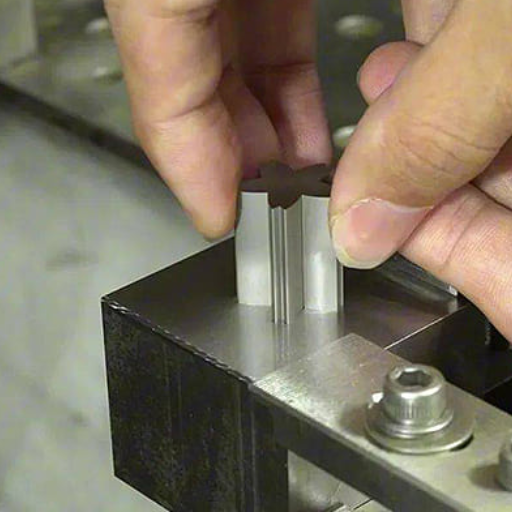
The advancement of CNC (Computer Numerical Control) technology has had a most significant impact on precision machining and has completely transformed the entire process of manufacturing into a faster, more efficient, and highly accurate one. One feature that characterizes the modern CNC machines is automation, which in turn facilitates continuous and unattended operations. The gain from the CNC improvement not only is the time-saving in production but also is the reduction of human error which results in the same quality of the produced components.
| Technology Advancement | Key Features | Benefits |
|---|---|---|
| Enhanced Automation | Continuous, unattended operations | Time savings, minimized human error, consistent quality |
| Advanced Software & Monitoring | Real-time control, remote operation, predictive maintenance | Better process control, reduced downtime, extended equipment life |
| Multi-Axis Capabilities | Simultaneous milling and turning | Increased productivity, reduced handling errors, intricate jobs |
The source of precision machining has been changed to new heights with improved efficiency of tooling and materials, life span, and versatility. The most important factor is that high-performance cutting tools made from advanced materials such as carbide, ceramics, and polycrystalline diamond are now available. The tools are extremely hard and heat-resistant, which permits the application of faster speeds and feeds in the machining process leading to increased production and reduced tool wear.
Cutting tools have been getting upgrades with coatings such as titanium nitride (TiN) or aluminum oxide (Al₂O₃), which provide:
Developing the new workpiece materials themselves is another major turning point. New alloys and composite materials are being tested to achieve better properties like a combination of high strength to weight ratio, corrosion resistance, and machinability. The progress in materials together with the latest tooling technology lifts the manufacturing section to the level of producing components that meet the mounting demands of precision, reliability, and performance in the areas of highly specialized applications.
Automation is a necessity in high-volume production and cannot be overlooked. Among the main characteristics of this technology are the following: it has greatly improved the production process in terms of efficiency, consistency, and output speed. The application of machines and robots has replaced human labor in the manufacturing process, which has resulted in less time being spent on the entire production process being carried out tolerantly. Furthermore, automated systems have almost eliminated the risk of human error and consequently, the quality of the products has improved and there is a higher degree of uniformity among the products of different batches even when large volumes are produced. This is very important when the customers’ demands for precision and uniformity are to be met.
The initial cost of implementing an automated system is usually high but the benefits in the long run definitely make it more cost-effective:
To sum up, automation provides the manufacturers with the ability to adjust their production lines to market trends. There is a cost involved in advanced automation, however, it enables one to adjust the production line in terms of quality, volume, and even design that is required by the market without the long and tedious process of complete reconfiguration. Thus, manufacturers can manage to keep up with the competition even in the industries where the consumers’ preferences change quickly and technology gets upgraded frequently. By bringing automation into high-volume production, the companies would not only be able to retain their flexibility, low costs, and but also their ability to produce quality goods that are in tune with the demands of the day and the next.
A: Tight Tolerance Machining: Achieving ±0.001″ Precision describes the manufacturing processes that are in place to control the dimensions of parts with the help of very small acceptable variations — often ±0.001″ or tighter. This is done to meet the demanding standards for precision components. This extreme precision is a must-have in aerospace components, medical devices, and other demanding applications where concentricity, part geometry, and functional fit have to be accurate. Tight tolerances are the assurance of consistent quality, interchangeability, and reliable performance in critical applications.
A: The possibilities of the machine shop directly determine the level of tolerance that can be achieved. For instance, modern CNC milling, CNC lathes, and 5-axis CNC machines give rise to stable tool paths, repeated positioning, and fine control that can meet tolerance requirements like ±0.0005 or even 0.0002 inches in specialized swiss machining centers. The selection and maintenance of mills and lathes and CNC equipment are crucial to delivering stringent tolerances while still managing cycle times and manufacturability.
A: A tight tolerance can only be achieved with the right choice of tools, cutting parameters, and process planning. By using tools like fine-feature end mill cutters, properly chosen inserts, and unstable holders, deflection is minimized. Vibration and thermal growth are diminished by optimized tool paths and controlled feeds/speeds. For the work with the tightest tolerances, secondary processes such as grinding, lapping, or honing may be done to attain superb precision and surface finishes.
A: Manual machines do quite well for some applications and experienced operators can meet standard machining tolerances, however tight tolerance machining generally relies on CNC repeatability for ±0.001″ or better. Manual machines might be the right choice for building prototypes, work on simple parts, or fixing tools where the required expertise and part geometry allow. When it comes to consistent quality and complex tool paths, choosing a machining partner with CNC capabilities is the safest option.
A: CAD models state the vital dimensions and acceptable variation; manufacturability analysis in the course of design ensures that tolerance requirements are not unrealistic. Having proper CAM programming secures the efficient tool paths that that tool engagement and heat generation are minimized, which helps to maintain tolerances. Designers and a machining partner or machining llc working early together can avoid costly redesigns and increase the ability to meet the demanding standards of precision components.
A: Different industries have different standards: a lot of shops can easily comply with ±0.005″ tolerance as a standard, on the other hand, ±0.001″ is generally the maximum tolerable precision for production parts. ±0.0005″ or 0.0002″ are achievable but it is very likely that specialized equipment (swiss machining, precision grinders) will need to be employed, strict environmental control should be maintained, and only expert operators be allowed to work on the project. Tolerance selection should consider acceptable variation, cost, manufacturability, and the functional requirements of the component.
A: Part geometry — having thin parts, huge and deep cavities, and very fine features — may cause the deflection and thermal distortion which then affects the control and the tolerances kept. It is possible that cutting strategies or finishing operations will be totally different for hard or brittle materials. Material selection, clamping strategy, and staged machining (roughing then finishing) are all factors that help to maintain tight tolerances and acquire quality results in the case of precision components.
A: Look for a partner in machining who will have a mindset of quality, who will have documented systems for quality assurance, who will have perfected the tight tolerances in both CNC and Swiss machining, and who will have the sufficient type and quantity of CNC machines (5-axis, CNC lathes, mills, and lathes). Make sure to verify that they have the skill set required for your most crucial applications and consider, if it applies, their previous products in precision machining and aerospace parts, as well as their practices of tool selection, calibration, and inspection, to ensure that they will be able to meet the tolerance requirements and consistently deliver the desired quality.