

Supportive, Professional, Client-Focused Service
From prototypes to full-scale production, we’ve got you covered.


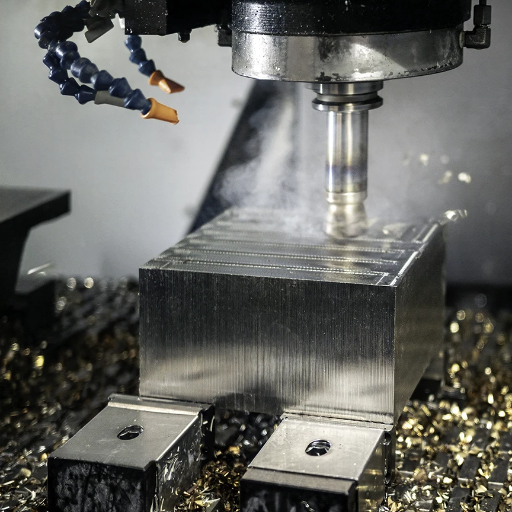
Material Traceability as well as compliance with certification norms form the cornerstones of a proficient CNC machining supply chain. Being more inclined towards the quality compliance and taking more ownership, a possibility of living without raw material traceability of the products back to downstream supply chain has turned out to be impracticable. This post will provide insights on why material traceability is required, the key certification requirements and how these affect the manufacturing process in terms of precision and dependability of the product in the industry. No matter where you sit within the supply chain, whether it is a supplier, a producing company or a consumer, meeting these requirements would give a leg-up while also ensuring compliance with rigorous standards and practices. Let us now see how the proper delineation of the processes and traceability structures can ensure saving of the operations as well as enhancing trust and communication within the supply chain.
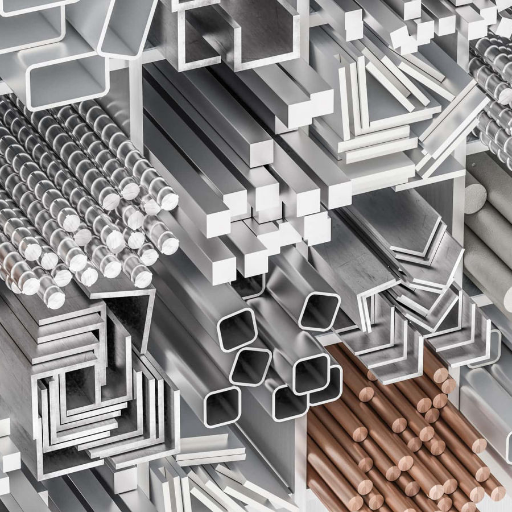
Material Traceability is most commonly used as a reference in business procedures for CNC machining. ‘Material Traceability’ means the tracing and documenting of raw material roots, content and lifecycle, used in the production process. It also entails ensuring that the material utilized for a specific component adheres to set safety and quality standards especially in industries such as aerospace, automotive, and medical. These systems give information on sources, batch numbers and any alterations on production stage on materials in the product development cycle. Record maintenance is an important aspect of manufacturing as it enables manufacturers to promptly correct and if necessary, prove that all the necessary precautions were met and client confidence was achieved in any undertaking.
Material Traceability denotes the general process of identifying, following and recording materials in a referred system’s whole production cycle. The process makes sue that all the parts in a product have their respective origins and profiling from the raw materials up to the manufacturing procedures and modifications. It is very relevant in sectors such as aviation, car-making, and health, where very high standards of safety and quality cannot be compromised.
Material Traceability has its own importance, because of the fact that it provides manufacturers the means to adhere to regulations, enhances quality assurance, and processes recalls and product defects in a timely manner. By using cutting edge traceability tools, organizations can achieve visibility along the supply chain, develop effective risk management measures, and build confidence in their relationships. It is apparent in the new curvy trend that introducing technologies such as blockchain and data analytics, among others, has improved the efficiency of the traceability in complex manufacturing processes. These developments demonstrate the extent to which adequate traceability systems have become a basic requirement in the present day global economy.
Material traceability is crucial in CNC machining processes since it helps to maintain high quality, compliance, and productivity within the manufacture. This gives the producer the ability to follow the supply chain of materials, from the beginning to the end, so that the process can be monitored and controlled at all times. The use of proper traceability ways means that every material certification is checked; each stage is checked for conformity with the standard; sector’s specificity is met, and necessary legal requirements, and in particular the existing one, adhere in the field of aerospace industry, motor vehicles or healthcare where precision and impeccable accuracy are a must.
The CNC machining industry relies on various digital technologies to improve the efficiency of processes associated with traceability. QR codes, RFID and software are amongst such technological solutions. The real-time nature of data allows for better control of inventories, minimizes waste and mistakes, and thus facilitates supply chain integration. Also, material traceability helps to foster openness and allows quick remedying of Product Withdrawal or Product Defect situations reducing the likelihood of deplorableities with customers and authorities. Consequently, ensuring that traceability is in every step of the CNC machining procedures is essential for the attainment of quality and sustainable manufacturing activities.
First tracing and mapping activities applied as regards CNC machining process includes tracking of materials and processes throughout the entire cycle of manufacturing. Material Traceability is the ability to trace the flow of materials, components, and end assemblies in accordance with relevant quality standards. However, difficulties arise in understanding if and where exactly, detailing of particular face machining operations, tool path corrections, machining parameters etc., are applied or not. Both enhance process efficiency, minimize idle times, and allow accurate replication of manufactured objects. All these factors are aimed at enhancing the process and increasing the productivity of the customer in CNC machining.
Choose suppliers of CNC machining appropriately, focusing on important factors, which include quality and reliability assurance. First, look at the experience, as well as knowledge the company has in the production of similar products because knowledge of the materials and processes plays an important role in the outcome of a project. Second, evaluate their quality assurance systems and processes in place, for example, the ISO 9001 certification, which implies the compliance with the industry safe practice. In addition to this, check their capacity in terms of production and delivery times so that work is undertaken without hesitation of compromising on the quality of work. Lastly, seek suppliers who are well known in the market for considerable reliability and openness as these are vital attributes for productive engagements.
It is wise to be meticulous in Choosing suppliers for CNC machining projects, as such, due diligence and compliance is paramount. The suppliers must maintain the Material Traceability of the products by providing, certificates of the materials used, inspection records and tested results for the products required. Compulsory standards of compliance as, ISO 9001, and ISO 13485 (whose application is medical), are evidence of emphasis on quality management.
In addition, the suppliers also have to conform to the applicable regional controls, such as ITAR, when it comes to aerospace or defense goods, thus making sure that all the goods are exported in accordance with the law. Transparent documentation – with precise manufacturing and quality assurance logs detailing every process – aids a significant extent in getting the supply chain into a hierarchy. Such an order is a necessary foundation for the creation of trust and improvement in execution to the approved standards. Seek a supplier who always guarantees the consistent supply of conforming and well documented products before engaging them.
A vendor’s failure to comply with the standards may threaten the continuity of CNC machining processes. For instance, any improper materials or components may cause breakdowns and defects in our products and wastage, thereby increasing production costs. In addition, delays, fines or loss of reputation, and other consequences may result from non-compliance with industrial standards. The performance of the entire process, clients’ satisfaction or large-scale inconveniences can only be prevented by controlling the suppliers’ compliance to the ensures of quality and compliance.
Material Traceability records are required to accompany any machined parts produced with computer numerical control equipment. Briefly stated, those include:
The maintenance of these documents is useful in Control for CNC Machining Processes with Traceability and Consistency in Quality Assurance and Meeting Regulatory Requirements.
Material Traceability Reporting (MTR) is an integral part of the ability to carry out CNC machining work. MTRs are paper-based data sheets that are prepared by the manufacturer or the supplier to describe, among others, the chemical composition and mechanical properties of the raw material. This is through the provision of key information, for example, properties of alloys used, their tensile strength, strength or stress at which they yield, as well as the degree of hardness of the material. This is necessary since worksheets guarantee satisfaction in the achievement of industry standards and requirements as per the customers.
In general, MTRs are good for a great deal in aerospace, automotive, medical industries, etc., where it is crucial that every part conforms to the material performance standards. MTR’s are Adrienne Mathiowetz, not so much considered as assurance, but rather as a tool that guarantees that the material as used will conform not only to regulatory but also to engineering standards. Using MTRs helps the manufacturer to cut on the potential losses due to non conforming material, basically increases the reliability of the product. It also reinforces that the quality control aspect is effectively observed in cnc machining process.
Create a proper system to save and classify records of traceability. All the records should adopt a single format for better readability and easy retrieval.
Make sure all the records are correct and include the relevant information including but not limited to material specifications, and even lot numbers or compliance certificates.
Apply a system comprising software or databases that would convert paper traceability records to e-documents, thus more efficiently managing versions, tracking of documents and contactless searching of information.
Raise awareness and impart training to employees on how and why traceability and accuracy in record keeping is essential in order to avoid mistakes and maintain quality.
Periodically check and make sure the traceability documentation is relevant, up to standard and without any distortions.
Positive impacts of adopting these practices include improved effectiveness of systems that enhance compliance penetration and improve manufacturing processes via transport of materials for Material Traceability reasons among others.
Material Traceability enhances, to a great extent, quality control in CNC machining operations as it helps in determining whether the materials conform to standards and specifications. When the source, content and approvals are recorded, manufacturers can focus, without delay, on resolving discrepancies or defects. This helps in mitigating the chances of production mistakes, cutting down on wastage and maintaining a standard of quality in the products. It also enables one to conduct root cause analysis easily, leading to process fault elimination and, ultimately, assurance of the output.
Material Traceability is important in managing risks and compliance issues within the CNC machining sector. With documentable proof of where the materials came from, how they were certified, and how they were handled, companies can be assured that all parts and components conform to any regulations and suit their functional purpose. This helps to eliminate the need for expensive product recall, and more so, protects businesses from exposure to litigation due to defective material or non-conformance to standards or laws.
Furthermore, traceability serves as an excellent mechanism for accountability as all the processes in a supply chain can be accounted for. Whenever there is a problem of defects or low-quality components, the availability of a traceable history also enables the swift account of the problem to the correct place and the avoidance of production hiccups; consequently, the customers are still encouraged to remain. Environmental and safety standards like REACH and such RoHS instructions are more easily met because of the traceability mechanisms –jokes on the use of materials in an insustainable and thus unsafe manner.
In the end, material traceability enhances openness between corporations which becomes significant in securing good business relations, competitiveness in the market, and most importantly conforming to substantive and ethical obligations in CNC machining.
Consider the scenario of a global automotive manufacturer that employs a sturdy traceability system to monitor components that go into engine manufacturing. The system was based on barcodes and centralized data storage and would enable real time tracing of materials under production that had any impact on the production process. Because of this system, production costs defects’ inspections became faster, and less effort went towards recalls because damages could be segregated at a production point even before they were produced. Every effect that was recorded as an effect of the defective products increased the customer’s satisfaction and decreased costs within the company.
Another example is an aerospace supplier, who had to implement RFID tagging to increase the level of material traceability applied to the components supplied. The system ensured that each part right from the point of raw material collection to its complete assembly was made visible. This also makes it easier to uphold high safety standards in aviation and more difficult to lose focus on the supply chain management process. The system greatly reduced the time taken to manufacture the parts and improved the overall productivity levels within the organization.
A producer of medical devices in order to comply with established regulations had developed a cloud-based solution that included a complete traceability. Material Traceability facilitated documentation that was sufficient in ensuring the existence of the related, accountability and quality due to the digital signs available in every stage of production. Therefore, it deferred the audits cycle and encouraged the international safety standards which targeted patient protection and encouraged regulatory compliance.
The most known quality systems in the world AS9100 and ISO 9001 standards are quality assurance manuals and policies that are implemented to ensure a steady quality of the customer’s produit and services in organizations.
ISO 9001 is the ‘mother of all QMS’ meaning any organization whose focus is quality customer satisfaction, process improvement, and product delivery.
AS9100 comprises all the requisitions of ISO 9001 as well as additional requirements for aerospace, aviation and defense organizations. Apart from demanding excellence in compliance with the quality systems in place, it also considers the importance of risk management, configuration control and suppliers’ productivity in operations where safety and assurance are the primary concern.
The presence of such systems enables the organization adhere to strict regulatory conditions while also facilitating better performance and enhancing the credibility of the organization with its clientele and stakeholders.
The efficiency, quality, and representation of the CNC Machining Work are all affected by the certifications that they can obtain. Achieving certifications like ISO 9001 and AS9100 in CNC machining illustrates how they strive to comply with very strict quality standards and make efforts towards continuous improvements. The certification establishes standards to prevent errors and frequent downtimes and increase the efficiency of productivity through process standardization. Thereby enabling them to forge alliances with clients in intrinsically regimented sectors such as aerospace and medical device manufacturing where both excellence and accuracy are paramount.
From the point of view of the market, they add credibility to the brand, which helps CNC machining companies to exist and operate in a highly competitive environment. Enhanced client communication helps to build long-lasting cooperation, which improves the chances of working with a company possessing a certification. Such operations, more so those that possess a certification, are best placed to operationalize technologies such as automation and real-time monitoring systems, thus enabling them to stay competitive. Finally, in any CNC Machining work, certifications serve an imperative function for operational assessment and business expansion.
Certification audits in CNC machining take a systematic approach in order to meet the industry standards. It is advantageous to understand the details of each certification, for instance ISO 9001 or AS9100, that the organization seeks to obtain. Prepare an internal audit, to be fully acquainted with the procedure and find any weaknesses in the existing systems with the intention of correcting them. All the data, including the equipment maintenance records, quality assurance registers and training records of employees training, etc. should be correct and updated. Orient employees on the tasks to be performed during the certification process and audit as well. Work areas should be kept clean and arranged properly indicating the following of the safety and work standards. Preparation in advance makes the work easier during audits, thus increasing the chances of success. I’ll be More than happy to assist you with your query, Regards.
A Traceability Information Model for CNC Manufacturing: Discusses a model addressing supply chain traceability, including raw materials, tools, and human resources in CNC manufacturing.
Standard Process Monitoring and Traceability Programming in Collaborative CAD/CAM/CNC Manufacturing Scenarios: Explores traceability programming and process monitoring in CNC supply chains, focusing on raw material tracking.
E-Traceability for ISO STEP CAD/CAM/CNC Supply Chains: Examines the role of e-traceability in CNC manufacturing, covering raw material and process data management.
Traceability Improvement of Material Flow Through Digitalization in Metal Industry Company: Highlights how digitalization enhances material traceability and certification in supply chains, including CNC machining.