

Supportive, Professional, Client-Focused Service
From prototypes to full-scale production, we’ve got you covered.


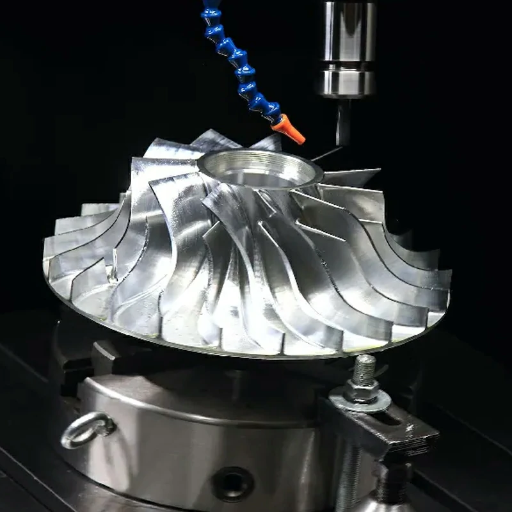
In areas that prioritize precision and toughness, stainless steel elements see application in endless ways; the scope in which they excel includes but is not limited to aeronautics, marine, mechanics, health, or oil and gas practices. More so, you need sophisticated technology to produce such parts with different shapes and sizes, and this is the reason five-axis numerical control comes in handy. Such cutting-edge technology allows intricately designed stainless surfaces to be machined with a high degree of accuracy, speed, as well as repeatability. This post will discuss the goodness of the five-axis technology in machining stainless components, particularly intricate ones well, and the reasons why the method is more than recommended this age and era. This piece of writing will address 5 axis machining and how it helps to take ingenuity to another level to the satisfaction of everyone – engineers, manufacturers and mere hobbyists interested in the field of engineering.
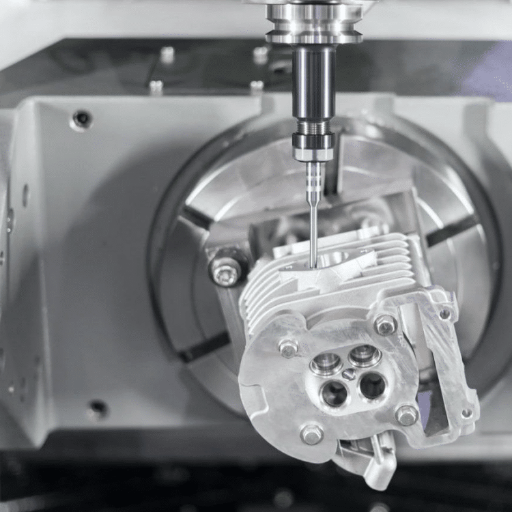
With the advancement in technology, there has arisen a process known as 5 axis machining owing to the fact that in most cases the cutting tool is able to move in five different directions at a time. This, as opposed to the conventional three axes machining that only of the X Y and Z at any one given time, two additional rotational axes may be included. Hence the complexity of parts that may be produced in only one setup is reduced together with production time and this has an effect of enhancing precision. Such capability is more pronounced in sectors such as aerospace, automobile and healthcare where high levels of accuracy and speed of carrying out activities are required. Modern day five axis machining does not require a change in coordinates which translates into less work being done and high quality output.
Use of high tech manufacturing such as 5 axis machining is what lets the machine move its working tool or item being manufactured in five different directions at the same time. The basic three dimensional, or 3 axis traditional machining is able to move along the three main axis, namely x, y, and z. The enhanced 5 axis modeling is equipped with two more rotational axes allowing for much greater maneuverability. Generation of complex, fine surfaces in minimal steps possible is the best edge in this situation, because the increase in setups causes deviation. Use of 5 axis machining with all of its advancements is most commonly used by the ones involved in the aerospace industry, automobile and even the medical industries for the fabrication of prosthetics, molds and even blades of turbines. This innovation not only ensures precision but reduces the working hours of the processes and thus makes it very crucial in the modern and quality manufacturing.
🔧 Key Advantage:
5-axis machining reduces production time by up to one-third compared to 3-axis or 4-axis machining while delivering superior precision and surface finish.
5 axis CNC machine performs by moving a tool or a working piece in five different axes altogether, thus providing more accuracy and capability. The conventional 3 axis machines only include movement along X, Y, and Z axis. But, 5 axis machines have rotation about at least two out of the X, Y, and Z axis which is commonly termed as A, B or C axis. The machine is now able to work on different faces of a part in one working assumption, change of basing is diminished, and time spent for the processing of the detail is shortened.
One of the many functions of the machine is built-in control software which allows all five axes to be coordinated for cutting with appropriate smoothness and dimensional accuracy. More specifically, such operation is very effective for the production of complex shapes, hollow patterns, or spherical shapes that are either not possible or not effective through the use of less advanced CNC machines. The application of sensors and feedback enhances accuracy as well by real-time modification of more position and tool movements during the procedure. Further more, 5 axis machining is capable of handling different kinds of materials ranging from the traditional metals to advanced plastics which makes it very useful in the context of today’s industries.
Both the cutter or the workpiece can be rotated so that the former can be approached in different orientations.
It spins the cutter attached to it with high speed for efficient material removal with accuracy.
Computerised numerical control does the managing of the movement and the operation of the machine.
Used to place the job material that is to be machined. Work-tables on some machines can be rotated and slanted for convenience.
Professional systems also take into account in real time the performance of the machine and correct it for excessively high precision.
Makes possible automatic replacement of one cutting tool to another in performing complex operations.
It is due to these features that 5 axis machining centers operate at such lengths.
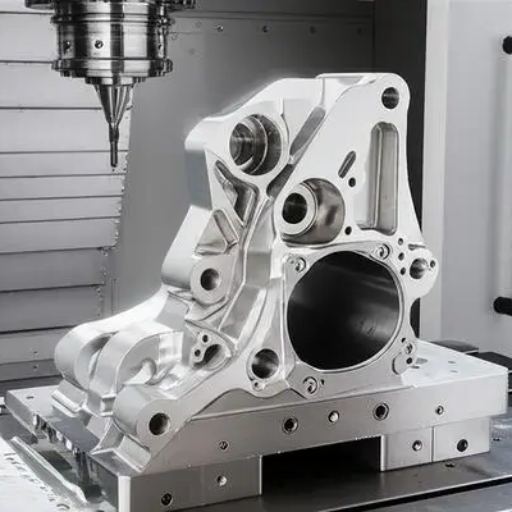
When it comes to 5 axis machining, it is accurate and fast, offers superior quality and productivity than the 3-axis approach, and even provides a wider range of movement than the 3+2 machining technique.
This breakdown presents a comprehensive view of benefits of 5 axis machining, enhancing its performance and versatility and dwarfs other approaches.
The benefits of 5 axis machining cannot be overemphasized when manufacturers seek to focus on precision or even innovation. By allowing the processing of intricate shapes without the need to change fixtures and settings, its productivity is enhanced. Latest reports indicate that 5-axis machining reduces working time by a third when compared to 3-axis or 4-axis machining. Therefore, more efficient production in aviation, automobiles, or medical equipment production is achieved through the use of this technology.
The 5-axis machines consist of additional tool orientation that allows for better good rates of quality and precision that would have been near possible with complex and difficult features. One can also eliminate the possibility of errors during production by reducing the number of times the process is interrupted as well as the time of set up. It means that companies are able to manufacture the high precision parts that are in demand in the current market using 5 axis machining processes.
Businesses that invest in the 5-axis technology for CNC get positive ROIs because the efficiency of production processes increase while the amount of harmful impact on these processes decreases. Complex components can now be produced within a single arrangement, which is proven to save money for companies in terms of time, effort and resources. One of the major advantages of using 5-axis machines is their perfect accuracy, reducing the errors associated with manufacturing processes. So, rework cost and scrap levels drop to almost nothing. Also, due to its popularity, it enables a manufacturer to maximize utilization of his resources, satisfy different kinds of customers and carry out such highly paying tasks. All these put together results in quick turnaround, better quality output and higher profits which makes 5 axis machining a wise decision for long term enrichment.
💰 ROI Benefits:
Reduced setup time, minimal rework costs, lower scrap levels, and increased production efficiency lead to quick turnaround and higher profits.
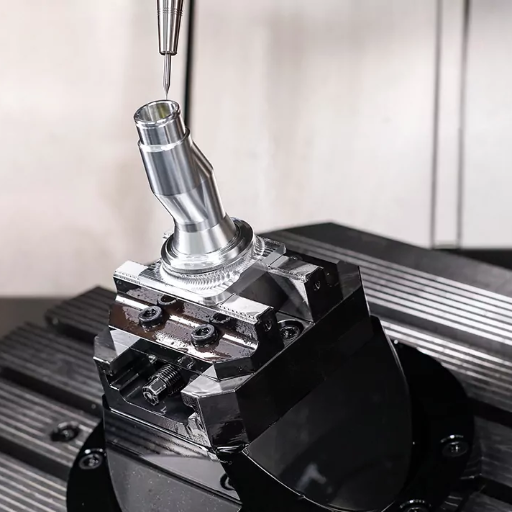
One of the most obvious areas in which 5-axis CNC machining has gained acceptance is the aerospace and defense sector, which seems to place heavy reliance on this revolutionary technology for meeting its exacting standards of manufacture. The manufacturing of complex components like turbine blades, engine parts, and other structural components is usually associated with high precision and high tolerance that can only be attained by 5 axis machining. As per present estimates, there is an upsurge in the requirement for lightweight and noncorrosive materials such as, but not limited to titanium and composite alloys, courtesy of fuel economic and performance enhancing features in the modern day aircrafts and defense equipment.
Due to the unique nature of these materials, 5 axis machining of these materials requires high precision machine features. Moreover, even these complex shapes with intricate designs can be achieved in one operation, thereby optimizing the production process and the ultimate financial implications in the industry. This effectiveness, dependability and excellence inherent in 5-axis CNC machining makes it more appreciated in the aerospace and defense sector as innovation and quality standards skyrocket all around the world.
One of the main applications for 5-axis CNC machinery is in the production of medical equipment. This is because most medical devices have very complicated engineering designs and even minor deviations can lead to the impairment of the device. For instance, surgical tools, orthopedic instruments, and dental implants all require precise machining capabilities. 5 axis machining makes these possible. Moreover, it is possible to use hard materials such as titanium and stainless steel in the manufacture of these products, which comply with all the stringent standards of the industry in terms of durability and biocompatibility. This technology has the potential to enhance the development of the healthcare industry and maintain high standards within it.
5 axis CNC machining can be described as a crucial technology in the automobile parts market where there is an increasing need for complex and accurate parts that are of great relevancy in the vehicle’s functionalities. It is a technology that is employed to produce engine components, transmission gearboxes, and other custom made parts with such high precision and replicability. Because it works on several materials like light-weight aluminum which is needed for certain applications or hardened alloys which are very strong these days, manufacturers are able to respond to the demand for long-lasting, effective and innovating automobile designs. Enhanced ease of manufacturing and minimal wastage during fabrication makes it possible for 5 axis machining to provide such quality parts to the standard required.
One of the issues from an operational point of view commonly associated with 5 axis machining is difficulties in programming the machine. With numerous axes moving at the same time, advanced software as well as experience operators are necessary to enable them achieve the required precision and prevent any mistake. The application of these appliances requires accurate adjustment, maintenance as well as calibration as a misalignment of any component however minimal it might be, will affect the efficiency of the machine. The high amount needed to acquire the machine coupled with the need to offer training in the usage present hurdles to some of the manufacturers. In conclusion, tool wear and setting ideal cutting parameters for different materials is in most cases a daunting task because constant monitoring is obligatory and necessary adjustments keep changing.
The sourcing of advanced machining must necessarily distinguish between the manufacturers to revere and those to avoid, which calls for a simple procedure of assessment. With specific emphasis on the precision and durability of the machine itself, information on things like maintenance and replacement parts is equally important. Referral to contract or any other vendor ratings can go a long way with guaranteeing one particular brand.
The training of CNC machine operators at an advanced level requires theoretical knowledge, hands-on exercise, or both. Helping operators understand the elements of working systems, machine programming, safety policies, and maintenance practices should be part of formal training. Programs conducted in association with the equipment suppliers or reputable training entities could be instrumental in giving operators special courses and certification for the best experience of working with the most intricate but yet safe operations. Frequent refresher courses are obligatory to keep pace with technological improvements and improve the overall level of competence.
✅ Outcome:
By applying these strategies, businesses will move past the barriers that they face in dealing with 5-axis CNC machines. As a result, products, productivity, and competition will grow.
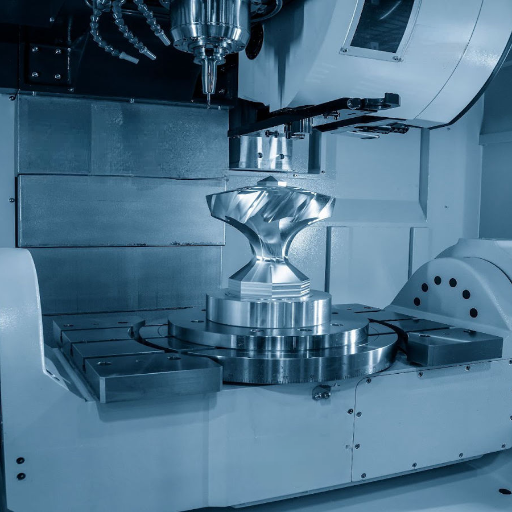
The software and robotics evolution have significantly increased the efficiency and accuracy of 5-axis CNC. These days, the CNC Rad Rapid is integrated with software and AI (Artificial Intelligence), which learn the behavior of the tool during machining, like feed rate and cut depth with time. Software for CAM (Computer-Aided Manufacturing) has been innovated so that users can run almost any simulation even up to an unprecedented level, which would subsequently help pinpoint some problematic areas before moving towards prototype.
Robotics and intelligent systems are revolutionizing workflows in automation. Automated material handling and setup essentially minimize human intervention, and as such, the production cycles are quicker and/or enjoy minimal downtimes. Additionally, real-time monitoring systems powered by the Internet of Things (IoT) ensure predictive maintenance, offering data-driven insights needed to optimize machinery performance. This keeps a manufacturer far in advance of the competition and maintains quality and output even when faced with heavy market competition.
🤖 Technology Integration:
AI-powered algorithms, IoT monitoring, and advanced CAM software are transforming 5-axis CNC machining into a more intelligent, predictive, and efficient manufacturing solution.
AI is in charge of boosting CNC machining capabilities, through the self learning and adjusting machines, turning them into highly responsive and highly-accurate tools. AI analysis of real-time data allows the machine to perform better with higher accuracy and in the most efficient manner. The CNC system becomes an efficient operator with the help of AI-powered algorithms, giving quantifiable reductions in lower operational costs. With the sort of feedback machine learning can give a system, it can finally adjust itself to maintain consistent quality, especially in complex operations. The capability of integrating AI is bound to smoothen out manufacturing processes, ZV along with an increased productivity and precision in machining.
The importance and usefulness of 5-axis CNC machining have increased in importance, and versatility are two critical factors contributing to its increasing demand in several subsequent years. In aerospace manufacturing, where it is crucial for producing intricate parts like turbine blades and airplane structures, it ensures the lightweight but high-performance designs. Medical machining creates manufacture the custom-made implants and surgical instruments with the most complex geometry optimized for the individual needs of the patient.
Developments in research often follow advances in automation, integrating robotic arms to hasten loading and unloading and real-time adaptive process-control logic to increase precision. In the same vein, hybrid machines marrying five-axis CNC and additive manufacturing give greater design flexibility through material subtraction and addition being carried out on the same machine. These technologies progress broader possibilities for five-axis CNC with the byproduct of making it essential in modern manufacturing.
Combining 5-axis CNC with additive manufacturing for simultaneous material addition and subtraction on the same machine.
Automated loading/unloading systems and real-time adaptive process control for enhanced precision and efficiency.
IoT-enabled predictive maintenance and AI-driven optimization for consistent quality and reduced downtime.
Five axis machining is basically CNC machining where the cutting tool or the workpiece tends to move along five axes as such, with the movement happening along the X-, Y-, Z-axis and also around two axes: A and B or B and C. Having multiaxis capacity has provided 5-axis with simultaneous capabilities, meaning complex shapes can be machined faster, giving the milling machine increased aptitude, improving accuracy, reducing deflection, and providing superior finishes. Among aerospace and automotive industries, the use of 5-axes machines provides high-precision components to increase capacity while reducing cycle time.
There are various machine configuration setups for 5 axis machinings, such as table-tilt (with a rotary table and 3 linear axes), head-tilt (with a tilting spindle head and 4th axis rotary), and trunnion configurations that physically merge rotary axes into a carrier table assembly. The machine configurations for 5 axis-machining affect workholding, accessibility for complex shapes, and 5-sided machining. The choice of machine configurations depends on part size, throughput, and whether it needs high-speed machining or heavy-duty and precision manufacture.
The choices of spindle head designs and tool selection alter the quality of cutting greatly. Using a shorter cutting tool and a proper geometry could reduce deflection and increase the accuracy within high-speed machining by proper cutting. Tool selection brings about tool life, surface finish, and capability to fabricate complex geometries. With five-axis machines, if only spindle head orientation concerning the tool and workpiece is known, the cutters get a uniform set of cutting conditions throughout the tool path.
Multi-axis and 5-axis CNC machining are used for the aerospace industry, including the automotive industry, complex parts, molds, medical implants, and any other application where proper form access is needed and where complex part shapes are present. The stated benefits include fewer setups, better accuracy, improved surface finishes, whereas the limitations include higher costs for machines and their programming, more need for skilled labor, complexity in holding the work, and the need for sophisticated CAE and simulation software packages. However, for other shops, the extra capacity and flexibility that could come with the five axes make good references to a variety of these other constraints.
Comparative Study of 3-and 5-Axis CNC Centers for Free-Form Machining of Difficult-to-Cut Material – A study comparing the performance of 3-axis and 5-axis CNC machining for complex materials, highlighting the advantages of 5-axis machining.
Secrets of 5-Axis Machining – A comprehensive guide to understanding and utilizing 5-axis CNC machining for complex parts.
Five-Axis CNC Milling for Effective Machining of Sculptured Surfaces – A study on the effectiveness of 5-axis CNC milling for precise and complex sculptured surfaces.
A Hybrid 5-Axis CNC Milling Machine – Research on the capabilities of hybrid 5-axis CNC machines, emphasizing their accuracy and efficiency for complex machining tasks.
Experience unparalleled precision, efficiency, and flexibility in machining complex stainless steel parts with advanced 5-axis CNC technology.