

Supportive, Professional, Client-Focused Service
From prototypes to full-scale production, we’ve got you covered.



Selecting the appropriate copper grade for your project can be nothing short of a behemoth task, especially because there are so many choices-the most common for copper grades are C101, C110, and C145. Every copper grade has its unique set of characteristics that will serve any particular industrial requirements concerning copper grades. It will need some evaluation on your part to figure out which is most suited to you. This guide will highlight the significant plausibleities, advantages, and uses; hence enabling you to make choices with an informed mind. Our comparison will also help in choosing a color that suits your project; important here is your requirement of conductivity and machinability and corrosion resistance.
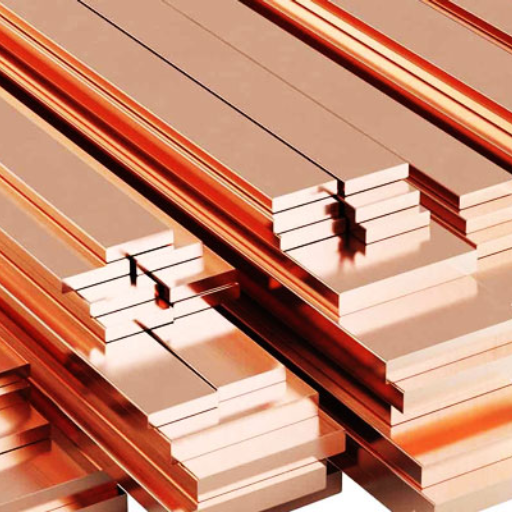
The metal copper exists in nature because it has properties which enable it to conduct electricity and thermal energy while serving as a ductile metal that resists corrosion. Human beings have used copper since ancient times because this material exists in nature and can be used for multiple purposes. The metal displays a reddish-gold color which enables people to identify it yet its multiple traits make it necessary for different industrial operations.
The most important property of copper enables it to conduct electricity better than all materials except silver. Because of this, copper is extensively used in electrical wiring, power generation, and electronic components. The material conducts thermal energy at high levels making it suitable for use in heat exchangers and radiators and any application that needs fast heat movement.
Copper exhibits two main characteristics workability and durability. The material maintains its strength after undergoing forming and stretching and shaping processesbecause its corrosion resistance prevents rapid material degradation. The construction industry and manufacturing sector and plumbing industry widely adopt copper and its brass and bronze alloy materials. Modern technology and infrastructure development rely on copper because of its essential properties as a fundamental material.
Copper alloys are categorized into multiple groups based on their elemental makeup and their distinctive properties which make them appropriate for various industrial uses. The primary types of copper alloys include brass, bronze, and cupronickel. The three alloys provide distinct characteristics which fulfill the requirements of different industrial applications.
Brass is a copper-zinc alloy which displays exceptional malleability together with protection against corrosion. The material serves multiple purposes because of its workability and attractive bright appearance which makes it suitable for plumbing fixtures and decorative items and musical instruments. The strength and ductility of brass can be improved through control of its zinc content which enables the material to fulfill both functional and aesthetic requirements.
Bronze is primarily an alloy of copper and tin which people value because it provides hardness and wear resistance. The material provides protection against corrosion making it suitable for marine environments and bearing applications and sculpture work. The introduction of phosphorus or aluminum elements will result in improved strength and machinability advantages for the material.
Cupronickel consists of copper and nickel which provides exceptional protection against rust in environments with high salt concentration. The material finds extensive use in shipbuilding operations and the production of coins and facilities that desalinate water. The material possesses exceptional thermal conductivity which makes it suitable for use in heat exchangers and condenser tubing because it can be trusted to perform well in difficult conditions.
| Grade | Tensile Strength (MPa) | Yield Strength (MPa) | Elongation (%) | Hardness (HB) | Conductivity (% IACS) |
|---|---|---|---|---|---|
| Pure Copper (C10100) | 200-400 | 40-110 | Up to 50% | 35 | ~100 |
| Beryllium Copper | 700-1400 | Up to 1250 | 1.5-50 | 200-400 | ~20-60 |
| Phosphor Bronze | 300-600 | 150-400 | 10-40 | 100-250 | ~15-20 |
| Silicon Bronze | 350-700 | 200-450 | 10-35 | 100-200 | ~10-15 |
Engineers and designers require copper grades because these grades deliver multiple options which help them meet their specific needs for industrial applications that include electronics and construction work.

Electrical conductivity serves as an essential material property which determines the efficiency of energy transfer in various applications. Conductive materials are commonly used in power transmission, electronic circuits, and industrial machinery, as they allow electrical currents to flow with minimal resistance. Industries and commercial enterprises value copper as a metal because it provides superior conductivity which maintains system durability and energy efficiency.
Copper is a primary conductor with its validity based on excellent conductivity standards and excellent strength to expound the benefit of very low cost. This ability to transmit high current is very helpful in high-current applications such as in power generation and distribution. With the oxidation resistance of copper, basic systems like power grids (and the eventual electronic devices) have been safeguarded, which means in the end that very little, practically no, maintenance is required throughout the usable lives of these copper material-core products. The characteristics of alternative materials — beryllium copper, phosphor bronze, which, providing conductivity at least, offer additional unique characteristics that give them advantage in performance such as good resistance to corrosion and tough mechanical functions.
Having a specific conductivity estimation is crucial in looking for materials for electric applications. Higher conductivity usually tells better performance when transmitting energy but entails some additional considerations for mechanical performance and environmental issues. In the long run, engineers strive to create systems that meet their electrical performance goals. This emphasis on conductivity has energy-saving and performance-enhancing effects in both industrial settings and electronic systems-wherein it contributes also to their environmentalistic sustainability.
The purity and conductivity of copper grades determine their ranking which also depends on their specific application needs. The most common grades include electrolytic tough pitch (ETP) copper, oxygen-free high conductivity (OFHC) copper, and deoxidized copper. The characteristics and performance attributes of each grade define its specific applications that it can serve.
The most popular copper grade ETP copper contains 100% electrical conductivity which reaches the International Annealed Copper Standard (IACS). The material contains 0.02 to 0.04 percent oxygen content which makes it suitable for various electrical applications that include wiring and cables and busbars. The material can only be used in high-temperature environments because its oxygen content causes it to oxidize at those temperatures.
The refining process of OFHC copper produces a metal that achieves extreme purity with oxygen levels below 99.99 percent. The grade provides outstanding electrical conductivity together with exceptional performance capabilities for high-vacuum and high-temperature operational conditions. The aerospace and scientific equipment and semiconductor industries rely on this technology because it delivers consistent operational performance throughout its entire production process.
Phosphorus-deoxidized copper and other deoxidized copper forms exhibit better welding capabilities and protection from corrosion because they contain less oxygen. The material provides lower electrical conductivity than ETP copper but it is better suited for plumbing and roofing and industrial applications that require strong mechanical properties and protection against environmental damage.
The distinct benefits of each grade require that users must understand their specific needs to select the right copper for their application requirements.
The conductivity of copper determines which applications the metal can effectively serve. Electrical Transmission (ETP) copper, known for its exceptional conductivity, is primarily used in electrical systems such as power cables, transformers, motor windings, and busbars. The material operates effectively in systems that need to conserve energy while delivering peak operational efficiency.
Oxygen-free copper provides a dependable solution for industrial applications which require conductivity as a main requirement but not as the only requirement. The material’s electrical conductivity falls short of ETP copper standards yet its superior durability and corrosion resistance make it ideal for producing vacuum systems and semiconductor devices and aerospace technology components. The applications gain advantages from its capacity to maintain operational stability during extreme environmental conditions.
The engineering field requires copper alloys which have lower conductivity than pure copper because they need materials that provide both high mechanical strength and effective wear resistance. The materials used in the construction of plumbing fixtures and roofing materials and heat exchangers require protection against environmental degradation and thermal stress for optimal operation. The specific application requirements for copper selection can only be met through material selection which establishes the right balance between conductivity and other essential material properties.
Corrosion resistance depends on several critical factors, which include material composition and environmental exposure and protective layer integrity. The ability of a material to resist corrosion depends on its chemical composition and inherent material characteristics. The presence of chromium in stainless steel and specific alloys creates a passive oxide layer, which protects their surfaces from corrosion, making these metals more resistant to corrosion.
Environmental conditions such as humidity levels and temperature measurements and chemical contact determine how fast corrosion occurs. Corrosion rates increase when humidity levels reach high levels and materials experience extended contact with saltwater or acidic environments. The protective layers of materials face potential damage from temperature changes, which cause materials to undergo thermal expansion and contraction.
In order to yield the anticipated results, materials subjected to protective layers of paint and sealing and rust layers should be maintained properly. These strata eventually wear off due to exposure to the elements. Regular examination and prescribed methods of care are absolutely vital for ameliorating corrosion resistance while under testing conditions.
Research results suggest that the three copper alloys C101, C110, and C145 exhibited differential behavior in corrosion resistance based on their different chemical compositions.
C101, the oxygen-free copper, displays exceedingly good anti-corrosion properties as its very high purity level inhibits environmental destruction caused by oxidation and chemical attacks. Such a nature of C101 makes it perfect where high conductivity is required in conditions corrosions.
C110 known as electrolytic tough pitch ETP copper is a commonly used alloy that provides satisfactory protection against corrosion under standard environmental conditions. The material exhibits better corrosion resistance than C101 because of its increased oxygen content but shows greater vulnerability to extreme environmental conditions. The material demonstrates industrial application capabilities but requires environmental assessment to protect against potential corrosion problems.
C145 also called tellurium copper provides users with moderate protection against corrosion while offering better machining capabilities because of its tellurium components. The material maintains most of its copper durability yet shows decreased resistance to corrosion when compared to both C101 and C110. The material serves best in applications that demand both moderate protection against corrosion and excellent machining capabilities.
The selection of each alloy should be based on specific advantages which match the particular requirements of the intended application and the existing environmental conditions.
The corrosion protection at copper strength must take into account the physical environment and particular application needs. The copper alloys display different resistances to moisture, chemical abrasion, temperature excursions, and corrosion rates.
Pure grade 110 copper, with high purity, defends against corrosion and withstands moisture and other environmental oxidations very well. Grade 122 alloy, phosphorus deoxidized copper, provides effective defense against corrosion resulting from contact with water and nonoxidizing acids and finds use in areas such as plumbing and marine industry applications.
Analyze the operational space before selecting an option. The research must examine all detailed specifications and testing results for every alloy when an application needs to deal with both extreme conditions and particular corrosive elements. The selected copper grade will protect against destruction of its physical properties and operational capabilities through all operational situations.

The copper grade C11000 Electrolytic Tough Pitch functions as a highly versatile material which people utilize for many different purposes. The material displays exceptional electrical and thermal conductivity, which makes it suitable for creating electrical components such as wiring and bus bars and electrical connectors. The alloy maintains its status as the best option to achieve high energy transfer performance because it reaches a conductivity level that approaches 100 percent of International Annealed Copper Standard (IACS) value.
The copper grade exhibits strong mechanical characteristics because it delivers both high tensile strength and malleability which enables easy shaping and drawing and welding processes. The C11000 alloy provides corrosion resistance which extends to most atmospheric conditions and water environments so it can withstand multiple different settings. The material shows reduced performance capabilities when it comes into contact with highly oxidizing environments or sulfuric acid conditions.
C11000 provides businesses with an economical solution because it exists in multiple forms which include sheets and rods and tubes which makes it easy to find. The operational requirements of C11000 applications should match its actual capabilities because C11000 operates within specific temperature and environmental limits.
Oxygen-free copper, which engineers refer to as C10100, represents a highly purified copper material that exhibits both superior electrical performance and exceptional purification. The production process requires precise measurements because any oxygen that enters the system needs to stay below certain limits to create copper products that achieve optimal electrical and thermal properties. C10100 serves as an ideal material for applications that require high electrical conductivity, which includes its use in electrical wiring and industrial power systems and high-frequency electronic devices.
C10100 demonstrates a major benefit through its outstanding protection against hydrogen embrittlement, which enables the material to endure harsh environmental conditions without losing its strength. The material possesses this ability to maintain stability through two types of environmental conditions, which include high temperature and high vacuum situations. The material functions as the ideal solution for ultra-pure applications because all oxygen contaminants have been removed from it, which makes it suitable for semiconductor production and vacuum system operations.
The industrial uses of C10100 require thorough assessment because its technical advantages only apply to particular operational conditions. Standard copper alloys deliver better mechanical performance under extreme stress conditions, which makes them more suitable than this material for use in high-stress environments. C10100 stands out as an exceptional material because it combines excellent electrical conductivity with high corrosion resistance and complete material purity, which makes it suitable for various advanced technological applications.
The material C12200 which engineers use under its common name phosphorus-deoxidized copper shows exceptional strength and resistance to corrosion which makes it suitable for multiple industrial uses. The alloy demonstrates outstanding weldability together with bending properties which manufacturers choose for their production methods that need either shaping or connection work. The material shows resistance against hydrogen embrittlement which enables it to function normally under extreme conditions that include high temperature environments.
C12200 serves as an essential material for plumbing systems and heat exchanger components because of its many beneficial properties. The material shows inherent corrosion resistance which protects against both water damage and specific chemical attacks making it suitable for use in pipe systems and roofing materials and similar applications. The material maintains its strength while enabling manufacturers to develop dependable components that possess flexible properties.
C12200 provides solid performance in most applications but it lacks the necessary electrical conductivity needed for some high demand situations because its conductivity level falls short of pure copper standards. The material stands as an effective solution for most mechanical and structural applications according to its cost-effective nature combined with simple manufacturing process and long-lasting performance across different industrial sectors.

The selection of copper grade functions as the essential factor which determines both electrical conductivity and material durability and machining capacity in all electronic and electrical applications. The three most popular grades C101 and C110 and C145 provide different properties which meet various operational needs.
C101 provides extremely high electrical conductivity which reaches 101% IACS making it suitable for high-performance wiring and busbars and sensitive electrical system components because these applications require low electrical resistance. The material maintains excellent corrosion resistance because its oxygen-free structure protects valuable internal elements which remain vital for environments demanding both purity and high reliability.
C110 receives widespread use because it delivers exceptional conductivity which reaches 100% IACS while maintaining a low price point. The material works well for all types of electrical applications which include general-purpose wiring and cable systems and electrical connector systems. The material provides adequate performance for commercial and industrial electrical work because it offers good strength and formability even though its conductivity falls short of C101 levels.
C145 functions as a free-cutting copper alloy which includes tellurium to enhance its machining abilities while preserving about 90% IACS conductivity. The material works best for manufacturing precision electrical components which include circuit board connectors and terminals because it enables quick and accurate machining. The material provides an economical alternative to both C101 and C110 because it delivers essential electrical capabilities while simplifying production processes.
The testing standards of these grades provide engineers with multiple material options which their selection should match according to the specific testing requirements and production methods and financial limitations.
The construction industry extensively uses copper as a plumbing material because it resists corrosion while maintaining its strength and ability to be shaped. The material serves as a perfect choice for water pipes and heating systems and gas lines because it can withstand extreme temperatures and high pressure. The inherent antimicrobial properties of copper make it an ideal material for plumbing systems because it guarantees the delivery of clean and safe drinking water.
The C101 C110 and C145 grades provide distinct benefits for their application in plumbing and construction work. C101 stands as the purest copper grade which provides excellent electrical and thermal conductivity for specialized applications that depend on those specific properties. The construction industry favors C110 because it delivers an effective combination of electrical conductivity and product durability at budget-friendly prices. C145 functions as a better option for machining work because it contains tellurium which helps with processing yet maintains most of its original performance abilities.
Engineers must evaluate three main elements when they choose copper grades for plumbing and construction work because they need to examine the environmental conditions and installation needs and financial limitations of their projects. The standard choice for general plumbing needs C110 serves as the most common option while C101 serves premium needs and specialized applications. The machining process at C145 provides an effective solution that maintains complete operational capacity. The right material selection process needs to be understood through these distinctions because it helps meet both structural and functional demands which require efficiency and cost-effective solutions.
A: Its importance comes from the intended usage of the material, probably the reason for such broadened activity, clearly consisting of pure copper grades like C101 and C110, and some alloyed options like C145 (aka zirconium copper). Its purpose is to bring to your notice the properties of the copper, some grades and uses and to help you select the appropriate copper alloy material depending on specific needs, e.g. high electrical and thermal conductivity, excellent electrical conductivity, improved mechanical strength.
A: C110 is electrolytic copper and one of the most commonly used materials in electrical applications because of its excellent electrical and thermal conductivity and straightforward idealistic status about comparable to pure copper. C101 is oxygen-free electronic copper with even lower oxygen content for improved ductility and conductivity in sensitive electronics. C145 (zirconium copper) is a copper alloy material with an extra zirconium component for higher strength, a better recrystallization resistance, and for applications where they will be exposed to elevated temperature or for welding so that different grades will match performance to different applications.
A: The grade more often used for copper wire and electrical conductors is C110, with higher-quality copper for its properties, high conductivity in electricity and thermal conductance, and cost-effectiveness. C101 oxygen-free electronic copper is used in specialized electrical and electronic applications where ultra-high conductivity and low impurity levels are necessary. When mechanical strength or heat resistance is needed, C145 and other excellent copper alloys are used.
A: The conductivity, ductility, strength, and resistance to recrystallization are some of the copper properties which necessitate suitable copper grades for various industrial applications. Copper in its pure form, soften and malleable, is characteristic diametrically opposed to the higher-melting-temperature heavy metal lead, which stands firm as a representation of a mechanical property. It is a soft grade of pure copper easily workable, therefore very convenient where formability and high conductivity are critical, whereas applications requiring high mechanical performance should include copper alloys that are available in high strength with good conductivity, like C145.
A: Yes – for applications involving high electrical conductivity, high thermal conductivity, such as power distribution, electrical contacts, and high-frequency electronics, the copper strips of 100% purity like C110 or oxygen-free C101 were mainly used. Pure copper grades are best at electrical and thermal transfer. However, for some cases where tear resistance, wearing properties, or thermal stability is needed, the correct copper alloy or grades with additional elements (such as Cu-Zn in brasses or Zr in C145) are to be supplied.
A: Indeed, the copper grades and the international standards exist for maintaining the consistency of the composition and production characteristics amongst the many copper product offerings. Considering the global sourcing facts, specifying copper grades becomes significant. Put simply, standards define the terms such as electrolytic copper, oxygen-free electronic copper, and alloy designation, which essentially helps engineers to compare different copper grades as well as its prospective use, across suppliers and marketplaces, as per the need of the design.
A: Yes, in addition to the exceptional electrical conductivity, copper is made antimicrobial in touch surfaces and medical applications, because the ions of copper are capable of killing the microbes. Although not universally appropriate for all grades, the highly pure copper surfaces and particular alloys are selected for this attribute, mainly in the context of where they make a difference in healthcare or at public places.
Recommended Machining Parameters for Copper Alloys
This document provides detailed machining parameters for various copper grades, including C101, C110, and C145.
Read more here
Copper and Low Alloyed Coppers
An article discussing the properties and applications of copper grades, including C110 for electronic purposes.
Read more here
Copper 101 vs 110 – TiRapid
A comparison of C101 and C110, focusing on their thermal conductivity and applications.
Read more here
This comprehensive copper grade selection guide provides essential insights into C101, C110, and C145 specifications, from electrical conductivity and corrosion resistance to practical applications, ensuring you make the most informed material choice for your specific industrial requirements.