

Supportive, Professional, Client-Focused Service
From prototypes to full-scale production, we’ve got you covered.


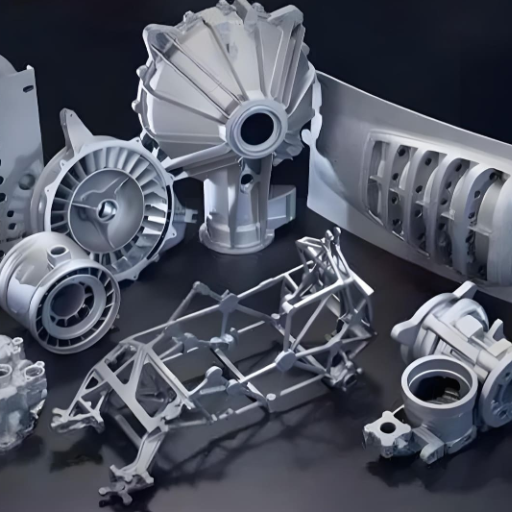
The aerospace industry is consistently on a move, establishing anything new that can fit into the definition of innovation at several emerging interfaces, through materials at its core shaping from the core craft to Space flights. Magnesium stands out here because it offers a special combination of strength, lightness, and versatility that can revolutionize the dynamics in engineering with its operations. The present article discusses how magnesium constituents in aerospace engineering are creating new operational possibilities, including fuel efficiency, performance, and some other examples of environmental impacts. Whether you are interested in cutting-edge new materials or want to know more about aerospace advancements, this study will offer insights into magnesium as the preferred choice of materials in relation to the aerospace industry and generally elsewhere.
Magnesium’s exceptional strength-to-weight ratio makes it a transformative material for aerospace, driving fuel efficiency and high-performance engineering while overcoming traditional weight constraints.

Magnesium, a light metal already used in an increasing number of aerospace structural applications because of its very good strength-to-weight ratio. It has the advantage of subverting very large aircraft, in terms of weight lost, which in return increases fuel efficiency and decreases emissions. Magnesium’s low density compared to aluminum and other usual spacecraft materials means potential for taking out much weight from structural parts without sacrificing their performance.
Moreover, thanks to the interlinked features of magnesium’s high machinability and affinity with casting, it is possible to manufacture multiple and varied types of components having most complicated shapes and ostentatious designs effectively. For the aerospace industry, where precision and performance are considered necessary virtues, these features represent a value-added advantage. But thanks to a newly developed alloy, it has been possible to enhance the corrosion resistance of magnesium and likewise improve its mechanical properties, so that it can be used in a much broader array of harsh conditions.
While magnesium offers immense benefits, its limited corrosion resistance and flammability under certain conditions have historically limited its application. Current research is actively solving these via specialized coatings and advanced alloys.
On the other hand, there are challenges that are generally linked to the use of magnesium in aerospace. Its limited corrosion resistance and excellent flammability in certain conditions until now considerably limited its application. To meet these challenges, researchers are now developing special coatings and advanced alloys to make it more durable and safer. Consequently, continued research and development efforts will certainly increase the potential for magnesium as a critical material in aviation developments.
The utilization of lightweight materials is necessary in almost every industry because they reduce the weight of the overall assemblage while retaining strength and performance levels. Indeed, their importance comes on especially when they target groups such as aerospace, automotive, and construction, where the light materials are supposed to improve work performance, reduce fuel consumption, and enhance the carrying capacity. It also allows for it to be designed to maximize performance further and have a smaller impact on the environment in terms of reduced energy consumption.
Take aerospace as an example. We use lightweight materials (like aluminum, titanium, advanced composites, etc.) to reduce emissions and save fuel on very high ranges. These materials in an aircraft significantly reduce the operational costs and CO2 losses by lessening the actual weight. Such actions will help further the global goal of sustainable development. As a case in point, the use of lightweight materials in the automotive industry may cause a decline in fuel dependency, enhance acceleration, and better maneuverability in the interest of the manufacturers and consumers alike.
More so, lightweight materials also bring along a structural advantage. High-strength materials such as carbon fiber-reinforced polymers and magnesium alloys ensure wear-resistance and flexibility to stand the challenges of extreme vigorous conditions without undue ugliness. Manufacturing and material advancements have not forgotten to contribute to innovative means to produce lightness in materials by increasing its applicability to enrich engineering possibilities. Ideally, the case for lightweight materials is indeed an evolving need for the future advances and the improved efficiency and sustainable solutions for all industrial sectors.

Simply stated, magnesium alloys exhibit an extraordinary combination of lightness and mechanical performance. Magnesium alloys are also one of the prime high mechanical strength-to-weight resins, and therefore are best suited for applications that need both strength and reduced weight. This is particularly advantageous in industries like aerospace, automotive, and consumer electronics. Since mass can be the route to better performance and energy efficiency, the property plays an instrumental function within critical applications.
Magnesium’s high machinability allows for intricate designs with less effort and material waste compared to denser metals, making it ideal for complex aerospace geometry.
Another key mechanical property of a magnesium alloy is the ease with which it can be machined. Being lightweight, magnesium alloys can be delivered with ease into desirable forms that need processing in terms of less material and wasted effort—all while imparting good insulation against wear and tear. Although mag-alloys are known to possess lightweight properties, they have resistivity manufactured for impact and shock, providing durability if dynamic loading conditions are maintained.
Limits to magnesium alloys are certainly present, since other metals like aluminum and steel have higher ductility and creep resistance, which, if not checked, would impair their functioning under high-temperature or high-pressure conditions. In addition to such materials like aluminum, zinc, or rare-earth metals, which promote an increase in mechanical characteristics in magnesium while still keeping its weight well down, the research and development field is pushing to promotion of new strategies.
Corrosion resistance plays an important part in aerospace applications because aircraft and spacecraft have to deal with very harsh operating environments. Space travel and high altitude expose materials to extremely low and high temperatures, changes in humidity, and harsh ultraviolet radiation, all of which speed up the corrosion process. If unchecked, corrosion can cause structural weaknesses, reduce functionality, and expose the systems to unsafe conditions. Developing materials that withstand the vaults encountered in such environments is essential for the longevity of aerospace components and assuring their safety and reliability.
Magnesium alloys are considered to be lightweight materials which can be ideal in some applications, but they are exposed to severe corrosion when opposed to highly resistant materials such as aluminum or titanium. To mitigate this disadvantage, innovative coatings and surface treatments were developed. Anodizing, electroless plating, and conversion coatings are few techniques that have proven useful in reducing magnesium corrosion and increase its resistance towards oxidation and environment-induced degeneration. Elemental additives, like zinc and/or rare-earths, are also introduced to enhance magnesium’s corrosion resistance without compromising the lightweight properties.
In light of advances in computer modelling, the scientific community appears well poised to indulge itself in simulated testing in order to predict, evaluate and enhance material performance under actual aerospace conditions. These tests focus on and have already identified directions in which previous materials will continue to be turning to address a more enhanced need of corrosion coverage. The aerospace industry keeps on striving to achieve safety and efficacy throughout the world. On incorporating advanced materials science with thorough testing protocols, the industry is disrupting frameworks set in time.
In the options of lightweight materials for aerospace applications that are available, advanced composites, aluminum alloys, and titanium alloys come quickly to the forefront. Advanced composites, expressed as fiber-reinforced polymers with carbon inclusion, present exceptional weight-to-strength ratios that are excellent for a trade-off between mass reduction and structural integrity within aircraft. This is followed by advantage in designing aspects, such as fabrication of advanced shapes that could further contribute to upgraded aerodynamic efficiency. Being an expensive to deliver, maintenance and repair would surely point towards their promotion where limitations are concerned.
Due to their lower cost, resistance to corrosion, and high strength-valve ratio, aluminum alloys have long been a sustained norm for material used in the aerospace industry. The use of these alloys in the construction of airframes and wings makes them one of the most reliable materials found in a ‘classic’ plane, even today. Affordable, strong and recyclable, compared to advanced composites, aluminum alloys do not possess the required highest specific strength applications for advanced aerospace innovation.
Titanium alloys dazzle with their high strength, excellent resistance to corrosion, and resistance to extremely high temperatures, such as in some areas exposed to high heat, like engine components. They are not only lighter than steel but also stronger than aluminum. Titanium alloys are, however, overwhelmingly more expensive and are most commonly used for specific components rather than entire structures. Selection of optimal materials will therefore be based upon a number of factors such as performance requirements, cost considerations, and intended uses resulting in special trade-offs with each of these lightweight materials in relation to aerospace design.
| Material | Primary Advantage | Main Drawback |
|---|---|---|
| Magnesium Alloys | Lowest density; highest machinability | Corrosion & Flammability |
| Aluminum Alloys | Cost-effective; corrosion resistant | Heavier than Magnesium |
| Titanium Alloys | High temp strength; extreme durability | Very high cost |
| Advanced Composites | Exceptional strength-to-weight | Maintenance & repair difficulty |
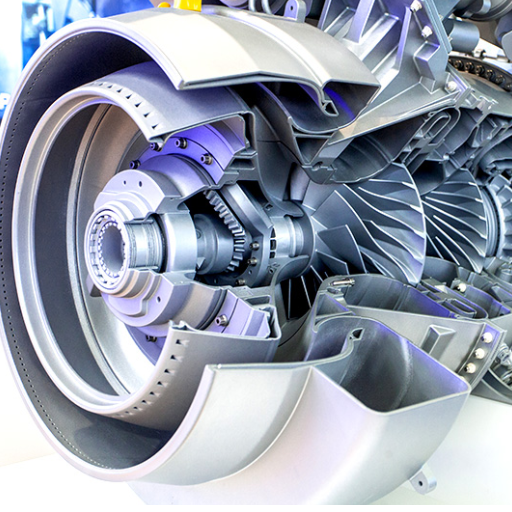
Magnesium is an essential metal for various industries, with the primary extraction being carried out by two main methods, namely electrolysis and thermal reduction. The electrolysis process decomposes magnesium chloride—mostly from seawater—into magnesium metal by using electricity. This process is very well popular because magnesium is abundant in seawater, and it works as a good clean operation under large scale.
In thermal reduction, the reduction of magnesium oxide occurs at high temperatures using silicon, ferrosilicon or some other reducing agent in a controlled vacuum or non-oxidizing atmosphere. One such thermal reduction operation, known as the Pidgeon process, uses dolomite as a source of magnesium. This method is widely used if conditions, from geography to resources, favor that specific technique.
The extraction and processing methods are chosen in accordance with resource availability, energy demands, and environmental concerns. On a global level, the major focus is on energy efficiency and environmental compatibility in magnesium production to align with increasing sustainability emphasis. These advancements provide a path through which magnesium alloys are manufactured for the aerospace and other industries of high demand.
Due to their magnificent strength-to-weight ratio, magnesium alloys are more commonly used in aeronautic applications. The aeronautics and space industry has become dependent on reduced weight with all the green avoidance capabilities required to make them for gaining more fuel consumption and improved performance. By comparison with conventional materials, the strength-to-weight ratio in magnesium alloys saves a lot of weight, making them excellent materials for use in the manufacture of structural components. Thus, the fuselages, wings, and internal reinforcements are fitted with magnesium alloys.
In coping with the challenging demands of safety and longevity for aerospace applications, contemporary magnesium alloys are typically balanced. A few key alloying elements include aluminum, zinc, and rare earth minerals are mixed into the intermetallic bond and ensure the requisite strength, resistance to corrosion, and further tolerance to heat. These upgrades to magnesium alloys make them durable as they cope under extreme circumstances of temperature, severe mechanical tension, and changing environment for extended periods.
The advancement has already recorded in advanced manufacturing processes particularly with regards to precision casting and additive manufacturing technologies are rendering itself towards making it more viable to produce highly complex and high-end magnesium-centric components. In its small ways, this has also helped refine structural integrity cost-effectively, an essential factor demanded by the aerospace sector. The confrontation of lightweight properties and optimized performance characteristics of magnesium-alloy which creates requirements for suitable process control in various strategic delivery developments for the aerospace industry, without ignoring the important cryogenic requirements.
The manufacturing of magnesium components poses significant technical challenges because of the unique properties of magnesium. For example, while it is lightweight and strong, it is also highly reactive, raising safety issues during production. Magnesium is also flammable, raising strict process controls to avoid ignition mainly when operating at high temperatures, which consequently complicates handling and machining in comparison to other metals.
Another trial for magnesium is its susceptibility to corrosion. It is as light as having typical aerospace applications, but it needs some type of protective coat or alloying with other elements for improving its resistance to atmospheric degradation. This will surely necessitate further steps in manufacturing, resulting in cost burdens (which needs advanced manufacturing techniques accompanied by quality checks).
Besides being a blessing, the machinability of magnesium is a curse as well. Despite its ease of machining, simply maintaining its dimensional accuracy demands specialized tools and skills much less damage or defects. Manufacturers need to strike a fine balance between productivity and safety, environmental considerations, and performance issues more acclimated to skyrocketing the construction of reliable, quality aerospace components. Addressing the hurdles usually demands nonstop innovative processes involving state-of-the-art technology.

Magnesium and aluminum, being weight friendly with excellent performance characteristics that makes them extremely useful, are popular metals in many industries. They share some properties, of course, but differences in their strength capacities and machinability make them suitable for separate applications depending on the cost and corrosion characteristics.
Magnesium is quite light, making it lighter than aluminum, and is useful in applications like the aerospace and automotive sectors and in any field where reducing weight is important. Additionally, magnesium is easier to machine, using less energy and time during the manufacturing process. However, the corrosion resistance of magnesium and the resulting corrosion protection mechanisms are generally lower class compared to aluminum, thus limiting some of the applications where the environment is highly moist or salty.
On the contrary, aluminum alloys have better natural resistance to corrosion and tend to be more durable under unfavorable conditions. They possess a higher tensile strength and are commonly used in structural applications requiring a longer life span. While aluminum is slightly heavier than magnesium, it is still a more favored selection due to its versatility and cost-effectiveness. Thus, nearly always the choice between magnesium and aluminum alloys depends on specific application requirements such as weight reduction, cost restrictions, and environmental considerations.
Composite substances and magnesium alloys have both lightweight endowments and are usable in multiple business-applied contexts, though with different strengths. The low density and high strength-to-weight ratio of magnesium alloys enable their application in cases where structurally stylized whittling is more requisite. Recycling and machining are easier compared to many composites in magnesium alloys, thus offering sustainable and cost-effective solutions for manufacturers.
On the other hand, composite materials are made up of two or more dissimilar substances, such as reinforced fibers embedded in a resin matrix, to get materials with distinctive properties custom-made for applications. In terms of resistance to stiffening, fatigue, or corrosion, composites are the higher class as against magnesium or other alloys. Their applications mostly embrace aerospace, car industries for any given clienteles who require the performance and durability of their materials to appear more valuable under worsening conditions.
The choice between magnesium alloys and composite materials largely depends on the application’s requirements. Magnesium alloys are often referred for applications requiring lightweight metals which are easy to process and recycle. In contrast, composite materials are suitable when advanced mechanical properties like high fatigue resistance and design flexibility come into play. Ultimately, making the right choice comes down to finding the most appropriate material considering factors like costs, sustainability, and performance needs.
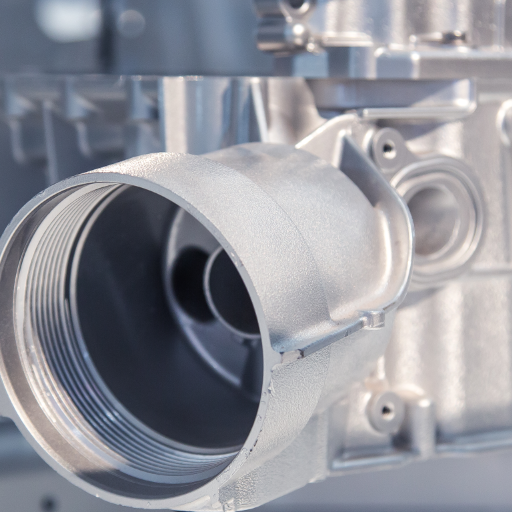
Magnesium alloys have been highly successful, particularly in aerospace applications, by virtue of their density and strength-to-weight ratio. One such application is for use in aircraft interiors, particularly in items like seat frames and structural panels where weight is crucial in fuel efficiency. They have in-depth performance requirements and huge savings on weight compared to traditional materials like aluminum.
Another successful application of magnesium alloys is during helicopter manufacture. Manufacturers use magnesium in the production of the rotor and engine components to allow for great weight savings, which in effect enhances handling and fuel-efficiency. Moreover, magnesium’s great ability to dissipate heat legitimizes its use in such high-performance environments.
Space exploration also exploits magnesium alloys for building lightweight and durable structures. Use of magnesium alloys in space ship structures as they reduce launch costs by reducing mass for structural damage. In this manner, using magnesium alloys in space engineering has only amplified proof of its power and ease of working that have been winning so far against any demands of the aerospace industry.
For aerospace projects, the importance of the use of advanced materials has become the critical strategy that sacrifices strength against weight and robustness. For instance, magnesium alloys have proven to be dedicated, mainly due to a low density and excellent performance under extreme conditions. Based on the use of these materials, the available weight savings have led to a sufficient reduction in fuel use and overall costs.
Then the next spot where the aerospace industry has learned something critical has been allegedly found in tight testing and design process adaptability. The aerospace environment is anything but predictable. It calls for materials or structures to show resilience under immense stresses—like extreme temperature, vibration, pressure change—only addressed, and as such has clearly impelled the industry to uniquely tailor testing programs and the recipes of adaptive engineering for these critical components will be well supervised and reliable.
Teamwork is the ultimate key behind interdisciplinary challenges. For bringing about efficient systems, various engineering fields need team-oriented visions. Aerospace engineers depend on the knowledge from material scientists, structural engineers, software developers, etc., working to make their technology a success. Thus, we see the value of team-work and knowledge-sharing in respect of building on some tremendous advancements and ensuring mission success.
Startling possibilities open up when magnesium enters into focus. Magnesium promises exceptional improvements for many industries, some of which could see advancements due to magnesium’s lightness, presence, and versatility. In this context, low density and an impressive weight-to-strength ratio favorably position the lightweight magnesium for the automotive industry, where a reduced weight can enhance both fuel consumption and operational efficiency. As fast as others can be found, technological thinking is very earnest with regard to the development of an array of advanced magnesium alloys, meant to beef up its strength, corrosion resistance, and thermal stability so as to be supporting an increasing range of next-generation transportation technologies.
In addition to transport, Magnesium also has potential for energy storage systems as in batteries, like the Magnesium Ion Battery (MIB); which shows promising results over Li-ion batteries promising high energy density and great safety. In terms of electronic applications, the high thermal dissipation property of magnesium metal accrues magnificently; this adds to the value of Mg as a material in electronic devices particularly in the case of thermal management in such devices.
Another frontier is the vast medical scope in which magnesium innovations are creating possibilities. Comprising one hundred percent compatibility and biodegradability, suitable magnesium compounds are being designed to be used in medical implants such as orthopedic screws and stents. When used, these implants could be confronted with body degradation with necessary preventatives against foreign body reactions and, more than likely, completely dispersion so as not to require removal from the body. Magnesium’s journey to assisting in creating, with the technological and research advancements taken up in association to this, efficient, innovative and environmentally friendly solutions in numerous areas is up and running.
Q: What is aerospace magnesium, and what are its applications in aerospace?
A: Aerospace magnesium is that magnesium and its alloys that have been particularly developed for use in aerospace. Having the lowest density of any structural metal, magnesium-based materials have very high strength-to-weight ratios, lighter weight of aircraft, and increased fuel efficiency. For use in commercial, military aircraft, and automotive and aerospace components, magnesium alloys designed for aerospace applications comprise cast and wrought alloys. These specially formulated magnesium alloys are used where lightweight materials are absolutely essential and are also applicable to communications and consumer goods.
Q: Which are the common magnesium alloys used in the aerospace industry?
A: The magnesium alloys used in aerospace are the magnesium alloys based on rare-earth metals and their alloys (Mg-RE and its alloys) like WE43, WE54, the binary system of AZ31, and other newly developed magnesium alloys and cast magnesium grades. These high-strength and corrosion-resistant magnesium alloys are used as materials for magnesium structural castings and magnesium castings for aerospace casting, transmission housing, and structure applications where mechanical properties are to be retained at elevated temperatures.
Q: How does the performance of these magnesium alloys perform at elevated temperatures in aerospace applications?
A: The performance does indeed depend on alloy chemistry and heat treatment. Standard AZ31 shows only limited strength above ~150 °C while some rare earth magnesium systems (WE43, WE54, representative mg-re alloys) do show higher strength properties at temperatures up to 200 °C–350 °C. Various heat treatment processes involve solid solution strengthening and grain refinement, thereby improving the magnesium alloy’s high-temperature strength and creep resistance in aerospace applications.
Q: Are magnesium alloys corrosion-resistant enough for aerospace use?
A: Magnesium is reactive, but many magnesium alloys used for aerospace applications have been especially engineered to be corrosion-resistant. Alloys with rare earths, aluminum, and zinc; surface treatments; and protective films can be tailored to yield magnesium alloys with corrosion resistance. Cast and refined-grain wrought alloys can fulfill the needed corro-tolerance international standards for magnesium alloys in the aerospace environment.
Q: What are the casting and manufacturing methods used for aerospace-specific magnesium parts?
A: Magnesium casting and machining refer to sand-casting, die-casting, and precision investment casting methods for handling aerospace magnesium components. Cast alloys and casting procedures for magnesium are selected to produce large magnesium parts or more complex magnesium alloy structures. Post-casting heat treatment and grain refinement techniques will improve the mechanical properties and the longevity of aerospace castings and the magnesium alloy structures.
Q: Could magnesium alloys be used in gears and other high-stress aerospace applications?
A: In some magnesium alloys employed are in gears and the usage of light housing when weight cutting becomes very crucial. Lightweight magnesium alloys with high performances and improved wear resistance and high-temperature strength can be implemented in gearboxes; however, in case of fatigue, wear, and corrosion, a design must be considered. Engineering strategies often combine magnesium alloy structural parts with wear-resistant surface treatment or hybrid material for damage tolerance.
Q: What are the effects of rare-earth and aluminium alloying elements on magnesium for aerospace applications?
A: Alloying elements really impress properties. The adhesives placed in magnesium (mg-we, WE43, NE54) develop on the high-temperature tropism, creeping resistance, and moulding properties. Aluminium presents the formation of solid solution to raise strength, yet enhancements in corrosion might be seen; the percentage of aluminium in the alloy must be negotiated. The alloys for binary and multi-component systems are contrived according to targeted aspects of the refined grain size, higher yield strength, and improved mechanical properties at elevated temperatures.
Q: How do magnesium alloys fare on limitations and future directions in aerospace engineering?
A: Limitations would range from corrosion-susceptibility to lower-than-needed high temperature strengths when compared with some aluminum or titanium alloys and the difficulties of joining and protection of the surface. Future directions would present new magnesium alloys, research on rare earth magnesium alloys, improvement in casting alloys, advanced heat treatment, and processing with grain refinement with high temperature performance as high as some 200 °C up to some 350 °C. Ongoing development is poised to increase magnesium use in aerospace, and also in automotive applications as well as in-air applications by producing versatile magnesium alloys for lighter better components.