

Supportive, Professional, Client-Focused Service
From prototypes to full-scale production, we’ve got you covered.


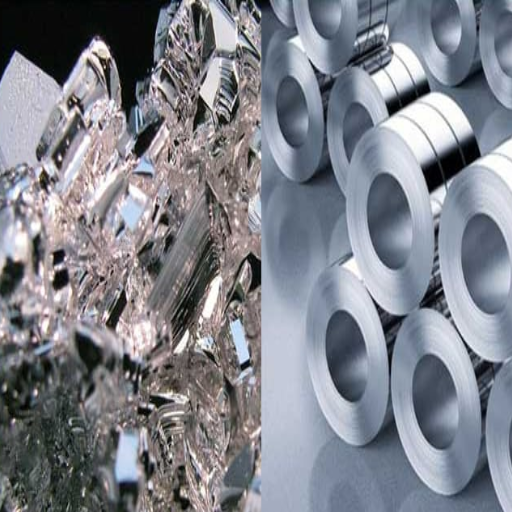
When it comes to CNC activity, material selection is often considered a critical element in the final product’s performance, longevity, or efficiency. There are two widely used materials in manufacturing—magnesium and aluminum, each with its own list of properties and advantages. But how does one decide which material best suits his application? This article delves deep into the comparison of magnesium to aluminum in terms of their strengths, weaknesses, and machinability. So, whether you are concentrating on weight-saving or thermal conductivity, or you’re concerned with finances, here are some lines on which we will walk and give you overall meaning for choosing wisely. Go on to find out how these two metals match up in comparison to each other and make for a perfect choice for your next CNC-machined project.
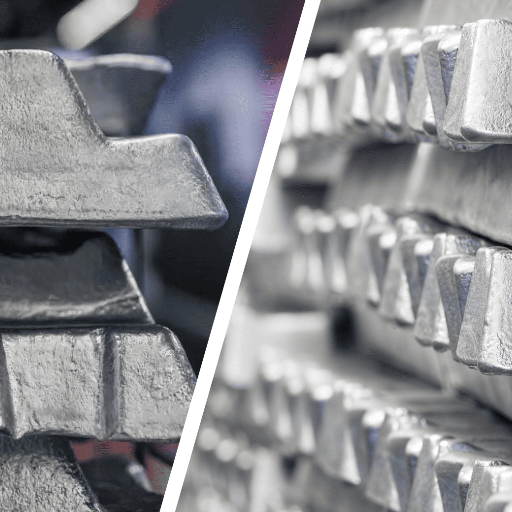
Magnesium is a light and strong metal; it appeals to its high weight advantages, useful wherever weight reduction compartments are major considerations. It is one of the lightest among all the structural metals and weighs about 35% lighter than aluminum. Moreover, it is still able to give enough mechanical strength. It is of interest in fields like aerospace, automotive, and electronics because weight reduction can improve performance and efficiency.
Magnesium displays relatively low density yet possesses substantial mechanical properties which convenience its manufacture. This material can thus be machined at levels of high speed wearing the tools less, thus being a perfect choice for CNC machining projects. Good thermal conductivity is meaningful to its usability in every application basically having any heat to dissipate itself: heat sinks, electronic casings, etc. Of course, it should be mentioned that magnesium is less resistant to corrosion compared to aluminum, often requiring protective coatings to withstand harsh environments.
One of the reasons magnesium is a favorable choice as a sustainable material—apart from being recyclable and abundantly available on Earth—lies in its wide use, including alloying until magnified performance and durability, to suit specific engineering occasions. Among the barriers are poor elongation and the tendency of corrosion. But considering that magnesium is a unique class of materials that combines its lightweight, strength, and machinability, firms and industries have topnotch options, which they may explore in many sectors. Anything of that sort should weigh into your decision when considering bench-machining magnesium.
Aluminum material is vulnerable to concerns relating to corrosion weathering. It enjoys wide applications with its light weight, strength, and excellent corrosion resistance. It garners attention within industries for its long-life and recyclability, and, in essence, it is high on properties such as toxicity to humans hence is suitable for medical apparatus and food packaging.
High-temperature heat transfer is great, and so is electrical conductivity. Besides, it proves excellent for electrical wiring, heat exchangers, and various electrically operated assemblies. Besides, thanks to easy-to-processability in terms of casting, extrusion, and machining, the getting of complex shapes and designs is achieved and realized with the utmost ease. Natural oxide builds give excellent resistance to weather through anti-rust and anti-tarnish purposes, thereby easing extra work in upkeep.
Yet another advantage of Aluminum is its cost-effectiveness when compared to other metals falling into the same bracket. This light material provides for fuel-saving in transportation industries like the automotive and aerospace sectors, and is described to possess appropriate mechanical properties to keep it adjusted to whatever demands exist in structural applications. Thus, Aluminum remains an effective and reliable material for engineering and manufacturing across the different spectacles.
Magnesium is roughly 35% lighter than aluminum, making it the premier choice for weight-critical applications, though aluminum offers superior natural corrosion resistance.
Both these materials are considered lightweight metals commonly found in engineering and fabrication, but both luminescent features possess interestingly mechanical properties for their applicability in different settings. As relative to aluminum, magnesium has the lighter distinction, density-wise being less than two-thirds that of aluminum; ergo, principally, weight-reducing measures are highly favored by using magnesium in the broad applications of the automotive and aeronautical industries. However, the value in less density apparently comes with it less strength and stiffness compared to aluminum, which means it barely conveys the same extent of performance over extreme loading conditions.
Aluminum, in contrast, has a higher tensile strength and also ranks higher in its resistance to corrosion. This property of aluminum is the most advantageous in the construction industry, as resistance to the natural surrounding conditions is a must. Moreover, being alloyed, there is a commendable strength-ductility balance, ensuring a high level of nth degree in extreme situations, say extruding, forging, or welding. Although, other magnesium alloys can exhibit improved strength levels, their malleability and fatigue resistance often pale in comparison with aluminum.
Whereas magnesium is easier to machine and exhibits superior damping capacity, which is useful to dampen vibrations, it is highly prone to corrosion, requiring the application of some sort of protective coatings. On the flip side, aluminum comes with a natural oxide film which provides inherent resistance to corrosion, reducing the maintenance cost in the long run. Deciding between magnesium or aluminum thus depends on a variety of application-specific criteria, including weight reduction, strength requirement, and environmental service conditions. Both give special advantages, however, their use is tailored to fulfill different engineering demands.
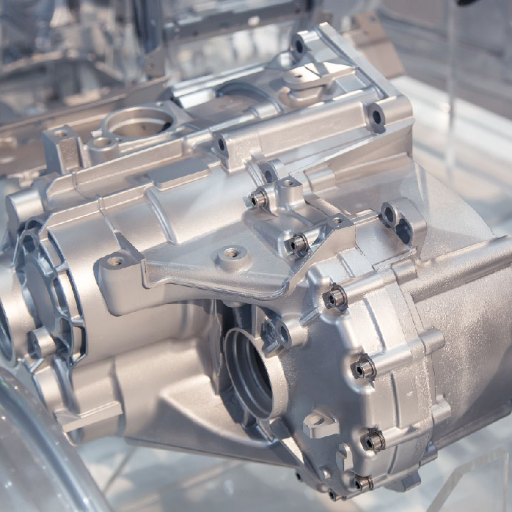
Magnesium alloys are lightweight materials known and appreciated for their high strength-to-weight ratio and excellent machinability. They generally fall into two basic territories based on their manufacturing method exemplified by casting and wrought alloys. Casting creates the alloy from melting and shaping the material to permit a wide range of design complexities such as for automotive parts and aerospace materials. On the other hand, wrought magnesium alloys are mechanically worked to form sheets, bars, or wires and are preferred for applications requiring greater strength and ductility.
The magnesium alloys extensively used are the AZ series, which combines aluminum and zinc to enhance strength and corrosion resistance. Other significant types include the WE series, which hosts rare earth elements to improve high-temperature performance, and the AM series, which combines aluminum and manganese to improve weldability. These categories allow for magnesium alloy properties to be adjusted for particular industrial applications like lightweight components for transportation, heat-resistant pieces for electronics, and even biomedical implants due to their biocompatibility.
Magnesium alloys are applied in an array of industries, primarily on account of their lightweight and adaptable nature. Magnesium alloys are greatly beneficial to the automotive sector, as they reduce vehicle weight, thus increasing fuel efficiency and decreasing the emission as well. For the aerospace sector, magnesium alloys complement the component structure and are used to trim down mass, as the promise of strength is never broken. Magnesium alloys are also receiving much-needed attention from the medical research sector for absorbable implants; these degrade inside the body in a natural way, which presents an innovative solution for the development of temporary implants in medical use. These cases display a wide array of benefits stemming from latitude in the utility of magnesium alloys to tackle modern-day engineering hurdles.
All industrial domains have witnessed an overwhelming influx in the application of these metal forms characterized by their lightness in weight, capability of offering durable corrosion resistance, and versatile uses. They are conventionally classified in two basic ways, either according to their different compositions or the way in which they are compounded. Wrought alloys, which mainly sell in sheets, plates, or extruded shapes, enjoy higher strength and lands with a fine structure of the grain. In contrast, casting alloys are so suited as they are cast in highly complex shapes that are tough on intricate configurations.
The areas in which aluminum alloys have been applied have been expansive, cutting across the automotive, aerospace, construction, and packaging industries. For instance, within the automotive sector, aluminum alloys are applied to the manufacture of light frames and body panels sing very lightweight construction, improving fuel efficiency and the overall performance of the vehicle. In like manner, the aerospace and aviation industry relies upon these materials to fabricate supports and structural components such as plane shells and wings, as they have a good strength-to-weight ratio. Their everyday uses are present in packaging materials from beverage cans because of their recyclability.
It is the functionality and requirement of alloy properties that determine the selection of materials for any given application. Additionally, if the design criteria dictate high mechanical properties, then upper choice could lie in the 2xxx and 7xxx series of higher strength materials. The 6xxx series of alloy, on the other hand, reciprocates between strength and corrosion resistance, allowing it to secure its position in construction fields. Increasingly seeking solutions for sustainability due to their recyclability, aluminum alloys evidence their capability these days in front of current global issues, maintaining the aspects of functional and structural effectiveness.
We can say that when it comes to aluminum alloys in CNC machining, choosing largely depends on some fields that directly affect these projects, namely: strength, machinability, corrosion resistance, and finish. Series 2xxx, known wider for its strength and fatigue resistance, is generally classified for aerospace use with restrictions on corrosion resistance—favorable for environments where strength is the prime concern.
However, the 6xxx series, seeming much more versatile for CNC machining sectors signals an attractive proposal with a wide range of strength, corrosion resistance, and machinability, thus finding its way to the construction and automotive industries. On the whole, this group is well-planted for applications which require only moderate strength and great corrosion resistance under environmental conditions post-machining, while excellent surface finish.
In front of very high strength applications, series 7xxx is preferred for its outstanding tensile strength and fatigue resistance. Its corrosion resistance is not as high as that exhibited by series 6xxx, and especially in the presence of a highly corrosive environment, extra treatments would be necessary for 7xxx. There is no other way—someone at this time has to consider giving up, either making a less demanding machining process or a more demanding machining process for the given application and quality needs.
| Property | Magnesium | Aluminum |
|---|---|---|
| Density | ~1.74 g/cm³ | ~2.70 g/cm³ |
| Machinability | Excellent (Faster speeds) | Very Good |
| Corrosion Resistance | Low (Requires coating) | High (Natural oxide layer) |
| Thermal Conductivity | Moderate | High |
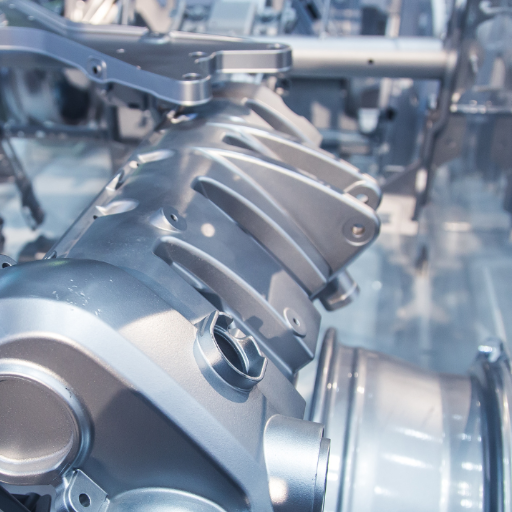
When comparing the material costs of magnesium and aluminum, it is worthwhile to note that each material comes with its own set of pluses and drawbacks, which affect its affordability and application. Aluminium, being one of the most abundant metals from the Earth’s crust, generally has lower raw-material costs because of better availability of sources. This abundance is considered to be achieved by competitive pricing for aluminum and its attractiveness to the automotive, aerospace, and construction industries.
On the contrary, magnesium is less abundant and requires a more energy-intensive extraction and refinement process to manufacture than aluminum, thus having a higher material cost. Even though magnesium is expensive for this reason many applications for which weight reduction is of crucial importance like aviation and mobile electronics can become very favorable. On the margin, therefore, magnesium can really provide good advantages on cost-benefit analysis, given its potential to enhance productivity and energy efficiency.
For mass production, due to its higher material cost and more diverse applications, Aluminum is a more economic choice. The choice of material between magnesium and aluminum relies purely on performance requirements of a particular customer. Factors such as weight savings, structural integrity, and environmental considerations among others will dictate which material contributes the most value to the given application. Therefore, an application specification outlining different requirements will result in a judicious balancing of costs to give performance.
In the production of magnesium and aluminum, the manufacturing and conversion costs are subjected to several factors, mostly available for raw materials, energy intent, and processes involved. Magnesium is extracted and processed at a higher cost owing to a high energy demand compared to aluminum due to its naturally occurring form or aluminum. Magnesium’s deeper processing also costs more since it needs to be processed under a controlled environment using specific equipment and technologies.
Meanwhile, aluminum enjoys the advantages of average availability and an existing industrial infrastructure. The progress of aluminum smelting technologies in terms of energy efficiency contributes towards reducing its manufacturing costs further. Aluminum recycling is also a sound economic option. Compared with producing primary aluminum, the energy required for producing aluminum metal is far lower, so processing aluminum is mostly chosen for economic reasons in certain situations.
The matter of choice, magnesium versus aluminum, is immaterial with respect to performance. Being lightweight would warrant the additional expense in the case of magnesium. However, cost free and versatile aluminum is often the material of choice where cost is paramount.
Although magnesium is lighter than aluminum and provides some benefits in application requiring less weight, magnesium’s material and processing expenses can turn out to be against its economic feasibility for a greater number of industries. On the other hand, the general availability of aluminum and its processing-friendly nature make it easy to produce, translate into lower production costs. Paradoxically, aluminum material can offer maximum requirements in terms of performance to costs.
In time, the durability and versatility of metals such as aluminum should further reduce costs. By corrosion resistance, the service and replacement requirements are created to be minimal for aluminum. Therefore, aluminum makes ideal applications for some situations where longevity is a concern. Another major contributor to the primary long-term cost factor in aluminum is its recyclability; recycle aluminum takes significantly less energy input for processing.
Magnesium still may be preferable in specific cases where weight savings plays a direct role in performance or fuel efficiency, as may apply in aerospace as well as automotive. However, for other applications, cost does become a major factor and aluminum usually functions as the most practical and sustainable solution for the long haul.
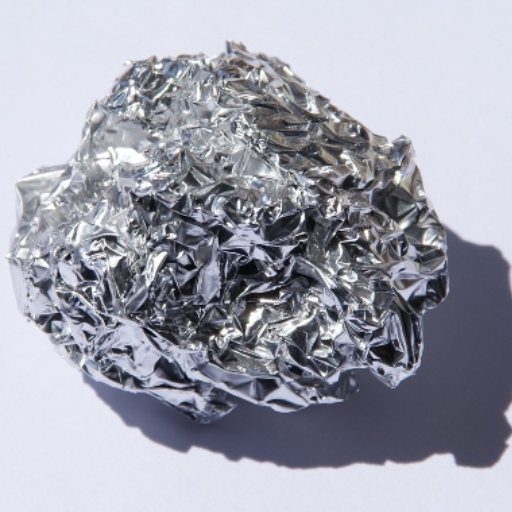
There is a big difference between magnesium and aluminum in their resistance to corrosion, which is due mainly to their reactivity thoroughly different for the two elements under different environmental conditions. Magnesium is much more reactive than aluminum and corrodes more easily, especially in presence of any moisture or saline conditions. Magnesium starts to corrode with the formation of a fragile magnesium-hydroxide layer from exposure to water and oxygen; this layer is pretty ineffective for further protection.
In contrast, aluminum spontaneously develops a dense oxide layer under air to provide a barrier for further corrosion. The oxide layer on aluminum is much more stable and durable than that on magnesium, thus enabling aluminum to perform better in any harsh environment such as a marine or industrial scenario. This makes aluminum a more preferred option for applications under continuous exposure to moisture or corrosive elements.
Applying a surface or other protective coating can, to an extent, enhance the corrosion resistance of magnesium on a supplement basis; however, this process, in most cases, raises production cost and adds to the complication of processing. Aluminum, on the other hand, belongs to the class of metals generally requiring minimal added protection; as such, it is more cost-effective and versatile. For the small world of applications requiring high durability and resistance to environmental factors, one would, by and large, prefer aluminum for corrosion resistance over magnesium.
In doing a comparison of the sustainability of magnesium with aluminum, it is absolutely imperative to consider factors such as energy consumption, resource availability, recyclability, and overall environmental effects throughout their whole lives. Each type of metal comes with characteristics that seem to be worthwhile in terms of sustainability and thus bear major differences in charity for application otherwise.
In contrast with aluminum, magnesium, being largely presented in the Earth’s crust and found in a greatly absorbable amount in the ocean, has a huge reservoir. However, the aluminum production is energy-intensive and carbon-gas emitting, which might far outweigh its environmental considerations. Magnesium metal is recyclable, while the recycling process is less developed and not very well organized compared with recycling in the other metal aluminum, limiting maximum efficacy through the promotion of sustainability.
The substance of the aluminum is, conversely, its remarkable recyclability. Recycling aluminum uses only a tiny amount of the energy of producing it freshly and releases far fewer GHGs. Moreover, its long life expectancy and resistance from corrosion make it a much more durable option because recycling further extends the natural life of products therein does promote sustainability. Although extracting and refining would seem energy-draining activities for this metal too, the wider acceptance of waste recycling schemes has consolidated aluminum’s pedigree as something that’s more environmentally sustainable anyway.
Aluminum versus magnesium in relation to recycling and environmental footprint indeed shows that both have sustainability themes, but key variances nevertheless exist. Aluminum is mostly recycled, having almost 75% of all aluminum ever produced. Today, high recycling rates, with around 95% of energy savings compared to primary aluminum production, make the recycling of aluminum an important step towards sustainability while also ensuring significant greenhouse gas emissions reductions. Indeed, different industrial sectors have benefited from aluminum’s existing infrastructure for recycling and its use, offering effective green options to go on with means of recycling forever.
On the other hand, magnesium can also be recycled, but it lacks the scope and efficiency found to aluminum alloying infrastructures. Although the recycling of magnesium allows for reduced environmental effects as compared to primary production, it now consumes more energy and falls much behind in optimization. Furthermore, magnesium corrodes for a much shorter length of time than aluminum; this reduces its reusability over the long term for some applications.
Thus, aluminum is environmentally more sustainable as well as clearly more recyclable for the current system. Its energy-efficient recycling, long life cycle, and well-established practices for reuse give it an overall lower environmental footprint than magnesium. However, as newer recycling technologies come to emerge, the use of magnesium is not ruled out as a more viable, environmentally-sustainable choice for the future.
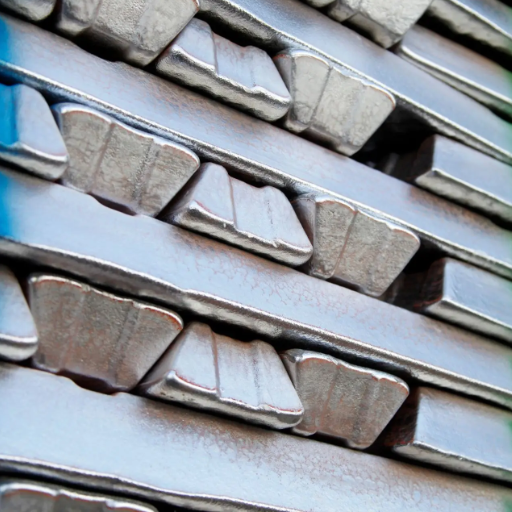
While being lightweight and strong, magnesium has conspicuous limitations which significantly impede its wide application. One significant drawback for magnesium is that it has somewhat lesser corrosion resistance in comparison to aluminum. Magnesium gets oxidized quickly and can be dumped easily when in contact with moisture or other environmental conditions, thereby reducing structural strength with time. Without protective coatings, it is less suited for harsh and high humidity applications.
Its other primary limitation is the high cost and energy intensity of production. The process of extraction is rather too expensive and energy consuming when it comes to magnesium, unlike aluminum, for which the extensive recycling and natural raw material sources form a lucrative advantage. Magnesium production involves rigorous metallurgical steps to offer main constraints on the cost factor and some extending issues on the sustainability standpoint. Hence, it is not an economical material for large-scale industrial applications even though it is for high-value objectives under economic consideration.
It appears, by contrast, that magnesium lacks the superinductive strength and ductility that aluminum is largely retained by its use in loads that are very substantial or in applications which have severe durability requirements. Granted that some good alloys of magnesium enhance some of these properties, the fact is that the very best of the magnesium alloys are not in the same league as aluminum alloys subject to that kind of demand. These fundamental limitations make it less likely for magnesium to be an industrial choice for many applications, which require durable, cost-effective, and versatile materials, in a good way.
Aluminum has limitations that hinder its marketability for various applications in spite of its long history with society. Majorly, the element’s use of aluminum subdues it to possess low strength compared to other materials, such as steel. Though aluminum could be alloyed to solve this restraint, the finished structure does not have a very high level of mechanical stiffness which is highly undesirable in systems requiring high stiffness. It makes heavy construction an unfavorable application and areas of need heavy-duty load-bearing components.
Still, another big limitation of aluminum is that it will corrode under some environmental conditions. Even though aluminum tends to form a protective oxide layer, under corrosion by saline environment or strong chemicals, people can find that it gives away with some corrosion problems at the end. This fragility requires the use of coatings which can lead to increased cost and complexity in the Gulf Nelsonville Chemical Process Industries.
Another scene where aluminum may struggle is in its resistance to wear and fatigue. This is due to the fact that continued stress or multiple reuses tend to weaken its mechanical properties more quickly in comparison to other materials. Thus aluminum may not be the best choice for products or systems subject to very high friction or cyclic loadings, hence some industries preferring the use of steel or composite materials. Each of these factors can be overcome when considering aluminum for critical applications, but these limitations still need to be considered.
Always account for galvanic corrosion when using magnesium in assemblies with other metals. Protective surface treatments are nearly mandatory for long-term structural integrity.
When choosing between aluminum and magnesium for a particular project, it is imperative to look at their main properties. A lighter weighting makes magnesium advantageous for applications where a reduction in weight is a crucial consideration, such as in aerospace, automotive, and electronics. In addition, magnesium is also highly machinable, making shaping it and manufacturing easier.
On the other hand, for high strength and corrosion resistance, aluminum surpasses over magnesium. Aluminum alloys, which, because of their inherent corrosion resistance, find wide applications in places open to moisture or severe conditions, do not need to be coated to prevent corrosion, whereas magnesium will require some type of shielding layer. On the other hand, aluminum offers a higher tensile strength overall, which suits it well for bearing applications.
Sometimes material properties suggest one material over another, and this might end up impacting performance, functionality, and the economic aspect behind the application: treated aluminum at 34 Whisperdb, while magnesium declined even further to higher dB. And from the basic property, the structural difference pointed to antithetical options for different end uses of a product.
Q: What are the main differences in weight and density among magnesium vis-a-vis aluminum respectively?
A: Magnesium vs Aluminum: The elemental metal magnesium is the lightest with a lower density of about 1.74 g/cm³ in comparison to aluminum having a density of about 2.7 g/cm³. Such low density naturally results in reduced weight, due to which many industrial engineers prefer magnesium parts when weight is a critical factor to be considered. This reduces the weight of products made using magnesium over those having aluminum parts like laptop casings, magnesium-alloy bodies, or magnesium wheels against aluminum-based wheels or parts.
Q: How do strength and stiffness compare in a magnesium vs aluminum decision?
A: There are many things to consider about using magnesium as opposed to aluminum, but it all ultimately boils down to the strength of an aluminum alloy in question—some aluminum alloys may be stronger than a magnesium alloy. Some magnesium alloys with some high strength-to-weight ratio could be proven stronger relatively looking at their very weight. The yield strength, specific strength, and modulus of elasticity differ by alloy and could be influence by process—forging magnesium might increase the strength, while some die cast Al alloys and Al alloys with a heat treatment provide a higher yield strength for many structural parts.
Q: Which metal is better for heat dissipation and thermal management: magnesium or aluminum?
A: Aluminum has a more widely used application in conditions of dissipation simply as a result of its much superior thermal conductivity. It is much more prevalent in heat sinks and engine parts while magnesium, in view of the lower thermal conductivity in comparison, can manage to dissipate some heat also in those alloys. Concerning applications where heat dissipation constitutes a must-have, aluminum components are usually the more favorable choice, even though magnesium might be selected for betterness in cost and reduced weight.
Q: In terms of automotive applications for magnesium wheels or aluminum wheels, which material is more desirable?
A: Magnesium rims/wheels reduce weight substantially—the sole advantage being marked handling and efficiency enhanced by cutting down unsprung mass, then. However, they require special corrosion-resistant coatings and are generally more expensive. Aluminum is in wide use given a reasonable final strength upon selected alloying along with good durability and easier producibility at scale. In a specific case, the key is then to weigh the all-important weight savings of magnesium rod against such considerations as the huge cost, corrosion, and production difficulty.
Q: What are the differences in corrosion characteristics of practical consideration between magnesium and aluminum?
A: In most practical applications, magnesium is generally more readily corroded than aluminum, so any parts produced from magnesium may need a considerable degree of protection against galvanic corrosion or need to be designed to prevent the same. Furthermore, aluminum has the distinct advantage of immediately forming an oxide layer, which protects it from further corrosion. As an outcome, long-term corrosion resistance could mean that all components are mostly manufactured from aluminum—aluminum-magnesium only being given an advantage over corrosion when the thin material and weight savings justifies additional protection.
Q: Can magnesium replace aluminum in laptops and consumer electronics like laptop frames?
A: Magnesium is used because some magnesium alloys offer lower weight and stiffness than aluminum offering advantages in some laptop designs. For examples, magnesium often appears in laptop frames and bodies (magnesium bodies). However, when it comes to a laptop casing, aluminum is widely chosen over magnesium. This is because aluminum offers the right balance of cost against density and mechanical properties. The choice of aluminum versus magnesium in consumer electronics depends on the targets of the design—weight tends to matter most for ultraportables, while heat dissipation and finish (texture of the case) usually point to aluminum.
Q: In the context of the magnesium vs aluminum story, where would titanium stand?
A: In fact, titanium often stands as a direct substitute with magnesium and aluminum because it’s more expensive and bulkier. At the same time, titanium—which has excellent strength, good resistance to corrosion, and a high melting point’s use is just not limited to those specific industrial applications such as the aerospace or high-performance industries, where it comes with some unique properties good enough to justify its trading such expense for awesome tensile strength. While magnesium or aluminum diecastings are chosen for most consumer and automotive applications, some choose one or the other based upon weight, costs, and the material’s manufacturability.
Q: How would engineers choose between magnesium and aluminum for engine parts or load-bearing parts?
A: Specific applications are evaluated by engineers considering features such as low density and unique properties of magnesium (i.e., magnesium is used for weight reduction), the strength or stiffness of aluminum in many alloys, melting point, thermal conductivity, ultimate tensile strength, corrosion resistance, etc., and manufacturing methods (die casting vs forging). Aluminum and its alloys continue to be used for engine blocks and for other critical engine components for their strength, their capacity for heat management, and their investigative resistance to corrosion. However, for less weighty applications where magnesium is the lightest weight structural metal and the weight reduction provides substantial benefits but there is no immediate concern regarding corrosion resistance, magnesium may be a preferred candidate.
Aluminum Alloy Sensitization Data Visualization and Analysis
Discusses the role of magnesium in strengthening aluminum alloys and the challenges of sensitization.
Read more here
A Comparison of the Deformation of Magnesium Alloys with Aluminum and Steel
Examines the energy absorption properties of magnesium alloys compared to aluminum and steel in various mechanical tests.
Read more here
Get expert precision with our professional CNC machining services for both magnesium and aluminum alloys.