

Supportive, Professional, Client-Focused Service
From prototypes to full-scale production, we’ve got you covered.



Anodizing is one of the most effective and trustworthy techniques to improve the life of aluminum parts, resistance to corrosion, and beauty. Among the types of anodizing available, the hardest and most common methods are Type II and Type III (also known as hard anodizing). However, where is the neck of the woods where you can choose the one for your application? The present blog post provides an in-depth analysis of the differences, benefits, and proper application cases for the two processes of anodizing. Be it a precision engineering project or a consumer product design, these differences will help you to choose wisely and get the best out of your aluminum parts. Go through the post to learn about each method’s details and its capability to turn your designs into durable, premium-quality, and cost-effective solutions.
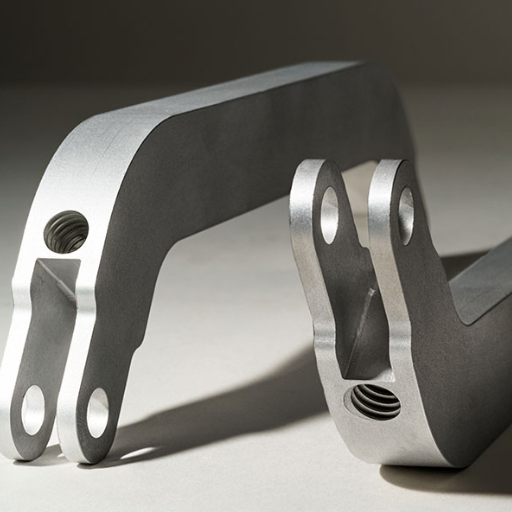
Anodizing is a controlled process that strengthens the natural oxide layer on the surface of aluminum through electrochemical treatment. The method applied makes the material quite resistant to corrosion as well as wear; therefore, it also adds the possibility of the entire process being aesthetically pleasing by means of coloring. When aluminum pieces are dipped in a bath of electrolyte and a current is passed through, the surface becomes a durable and porous anodic oxide layer.
Anodizing’s main advantage is its ability to offer both utility and beauty at the same time. The anodic layer is a part of the aluminum substrate and therefore, it is very tough with respect to its resistance against peeling or flaking. Because of this property, anodized aluminum is used for various applications in which the coating should be durable and non-intrusive, such as in structural parts, consumer products, and architectural features. Moreover, there is a wide range of surfaces from matte to glossy and even colors through the use of dyes or natural light interference can be developed.
The various anodizing methods such as Type I (chromic acid), Type II (sulfuric acid), and Type III (hardcoat) produce a different level of protection each with its own thickness depending on the application. Type II is the most common one used for general-purpose applications since it provides a good combination of durability and aesthetics, whereas Type III is the one that is usually used in high-wear areas as it has a thicker and harder coating. The right method selection guarantees a perfect balance between the performance, cost, and appearance of your aluminum product.
Aluminum is indispensable in the manufacturing world owing to its exceptional combination. It is a light metal that is solid and resistant to rust, hence, it can be used in different applications. These features allow the manufacturers to produce items that are both long-lasting and energy-saving. The adaptability of aluminum is also a plus as it can be easily cut, shaped, and processed to fit the specifications of the different sectors.
Aluminum’s super quality in manufacturing is its weight ratio of over 0.6. Thus, this trait is especially appreciated in the aerospace, auto, and building industries where it is imperative to have the lightest weight possible without a strength sacrifice. In addition, the automatic ability of aluminum to resist corrosion means that the application of protective coatings is no longer necessary for the majority of cases, thus prolonging the life of parts and reducing their upkeep costs.
Another main reason for the usage of aluminum is its reusability. The recycling process of aluminum has no limits and can go on in a loop forever as its characteristics remain the same thus it is a green material in the production industry. The amount of energy that is consumed during the recycling process of aluminum is much less than that of the initial processing of ore into metal, hence, this is environmentally friendly as well as economically advantageous. This sustainability angle paired with aluminum’s physical features guarantees that it will be an essential material for global manufacturers.
Durability, corrosion resistance, and beauty are the key features that anodized aluminum parts are known for. An anodizing process is a way of forming a protective oxide layer around the surface of the aluminum through an electrochemical method. This layer becomes a core part of the metal and at the same time, it increases the wear and tear resistance of the metal thus making it a highly versatile choice for a variety of applications.
One of the most remarkable features of anodized aluminum is that the metal can continue to survive the worst of conditions without losing its properties. The anodizing process creates a barrier that prevents corrosion from happening even when the metal is subjected to extreme conditions like high humidity, exposure to sunlight, or being surrounded by chemical pollutants of an industrial nature. Moreover, anodizing also results in a tougher surface that ultimately scratches and wears down much less thus the functionality and the aesthetics of the part are maintained over a longer period of time.
To the aesthetic side of things, anodized aluminum is equally functional and stylish. The oxide layer which is the main component in the surface treatment has the capability of being absorbed in different colors, thus making it perfect for the purpose of branding or simply for the sake of beauty. The fusion of long-lasting quality, protection, and custom-made choices makes anodized aluminum parts a necessity in the construction, automotive, electronics, and consumer goods industries.
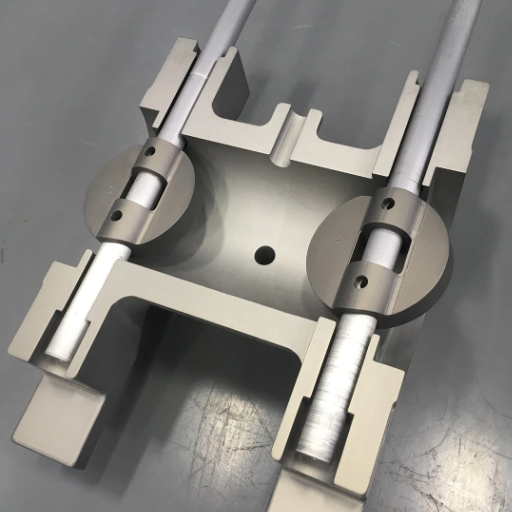
Anodizing is a process that has been done on metal. By this method, aluminum becomes more anodic and hence more durable. The anodizing process takes the aluminum part and puts it into an electrolytic bath where typically sulfuric acid is the main agent. The current thereby produces the ozone which dissolves the aluminum part and at the same time forms a thick oxide layer around it.
Not only is the oxide layer formed, but it is also attached to the aluminum so that it cannot peel off or flake away. The porous nature of this layer allows for further treatments, like dyeing or sealing. Dyes can be put into the pores for dyeing and sealing usually involves putting the anodized aluminum part in water or a sealing solution that is hot to close the pores and at the same time to increase the durability.
The advantages of anodizing through this chemical process are in its efficiency and versatility. It produces not only an aesthetically customizable surface but also a highly resistant one to wear, corrosion, and environmental factors. This accounts for the high value of anodized aluminum in the various industries that require both strong and good-looking materials.
The term electrochemical processes refers to the situation in which chemical reactions produce electricity or the other way around, the electric current drives the reaction. Such processes generally involve the transfer of electrons between the substance and the electrode through an electrolyte solution. Oxidation and reduction are the two main types of electrochemical reactions occurring simultaneously in the process. The former results in electron loss while the latter implies electron gain. The reactions find application in a wide range of areas including but not limited to energy storage and industrial processing.
Electrolysis is a well-known invention among electrochemical processes in which a chemical reaction that normally wouldn’t occur is forced by the application of an electric current. Electrolysis finds numerous applications; among them, the most important are metal coating, splitting of water for hydrogen production, and bauxite refining for aluminum. The other side of the electrolysis process is battery operation where the electrical energy produced by the ions and electrons is drawn out as chemical energy.
The advantages of these processes go beyond their high efficiency; they are also very flexible. Electrochemical methods find usage in the prevention of corrosion through cathodic protection, in surface treatments such as anodizing for enhanced durability, and in utilizing renewable energy sources. Further studies may lead to more potential applications of these processes in the areas of sustainability and industrialization.
Type II and Type III anodizing are two processes that create an oxide layer on aluminum surfaces to protect them, however, they differ in their purpose, thickness, and application areas, besides the fact that they still have some similarities.
Type II anodizing, or simply standard anodizing, results in a thinner oxide coating that varies from 0.0002 to 0.001 inches depending on the type of aluminum and color. The anodizing technique is mainly applied to give a surface of aluminum a beautiful look and a little corrosion resistance. Adding colors to the anodizing process is one of the reasons why it is so popular in applications where aesthetics such as architectural components or consumer products are of great importance. Type II anodizing while giving basic protection and better looks, can not replace the applications where extreme durability is a must.
Hard anodizing, which is Type III anodizing, produces a much thicker oxide layer of 0.002 to 0.003 inches. It is designed for application areas that require very high wear resistance and durability such as aerospace, military, or industrial environments. In contrast to Type II, Type III anodizing can be subjected to harsher conditions of abrasion, extreme heat, and even more aggressive chemical exposures without failure. But due to the thick coating, color options are limited and the finish is usually either natural or a dark shade.
In summary, the most critical point separating them is the application they are intended for. Type II suits best for decorative and moderate protective purposes while Type III is more suitable for extreme conditions where durability and strength are crucial.
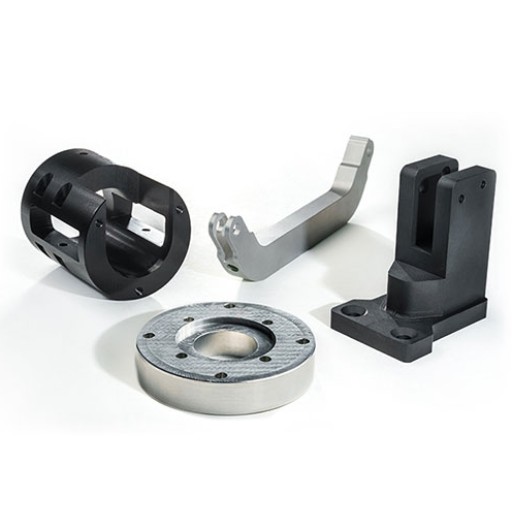
The Type II anodizing process, which is commonly referred to as “standard anodizing,” is a process that is mostly adopted for decorative and moderate protective uses. The technique involves the formation of a uniform oxide layer that is extremely thin in nature and has a thickness of about 0.0002 to 0.001 inches. The oxide layer not only makes the metal more resistant to rust but also allows the colors to be very bright due to the porous nature of the layer. Being the thickest anodizing process, Type II anodizing is therefore applicable where aesthetics and light-to-moderate durability are required to co-exist.
The main feature of Type II anodizing is its capacity to take dyes, hence offering a range of colors for the finishing of the products. The process of dying the surface is carried out in such a way that the dyes go very deep into the material thereby providing a long-lasting color. The process is widely used in the production of consumer goods, architectural features, and automobile parts where the visual aspect is a major factor.
Though it works well in providing moderate protection against wear and corrosion, Type II anodizing is not suitable for use in areas where there is a lot of mechanical stress, high temperatures, or chemical exposure for a long time. Its oxide layer is relatively thinner than that of Type III anodizing; hence, it is less durable. However, the combination of its light weight and color suitability makes it very good for such products where the requirements are not very demanding in performance but are very critical in terms of visual appeal.
Also known as hard coat anodizing, Type III hard anodizing is a treatment that produces a thick and durable oxide layer on the aluminum surfaces. Such anodizing is characterized by its toughness, wear resistance, and good corrosion protection to an extent that it is often used in the industries of aerospace, automotive, and military where components are liable to live in extreme conditions.
One of the major features of Type III hard anodizing is that it can create an oxide coating that is much thicker than the one produced in Type II anodizing. This thickness brings about extraordinary surface hardness thus making the product suitable for the parts that are to face a lot of mechanical stress or abrasion, and also highly resistant to corrosion, even in severe environments. The higher durability means a longer component life, which in turn results in lower maintenance and replacement costs in the long run.
The other big advantage of Type III hard anodizing is that it can endure high temperatures while still being able to retain its properties. This makes it a dependable option for applications where heat exposure is unavoidable. Moreover, the coating is generally darker because of its thickness but can still be dyed certain colors, albeit the range may be more limited than with Type II anodizing. In short, Type III anodizing is the perfect remedy for scenarios where toughness and long-term performance are expected.
The first thing that comes to mind when one is comparing anodizing Type II and III is the differences in durability, thickness, and application. The first one is the so-called standard anodizing that creates a thin but more decorative coating, which is suitable for the general applications of aesthetic priority. It is often used on consumer products because it gives a smooth finish and can be dyed in such a wide spectrum of bright colors. Nevertheless, it is less wear-and-environment-stress resistant than Type III anodizing.
Hard anodizing, or Type III anodizing, produces a very thick and strong oxide layer, and consequently, it is very durable and abrasion-resistant. In general, this kind of anodizing is applied in industrial or military areas where strength and life are of utmost importance. The coloring of Type III coatings is more limited in respect of the thickness since they are usually darker and less uniform. Moreover, the process requires stronger conditions like lower temperatures and higher voltage; hence, it is more apt for parts that are going to suffer extreme wear and very high temperatures.
Choose Type II when: The product takes appearance and light-duty protection as the most important factors
Choose Type III when: Applications require resistance to wear, corrosion, or intense environmental conditions
Being aware of these differences enables you to apply the right type of anodizing for the desired functionality and performance.

The anodizing process in aluminum parts not only improves their resistance to corrosion but also creates a hard oxide layer on their surface. The created layer works as a safeguard and stops the base metal from reacting with the environmental elements like moisture, chemicals, and salt. Anodized aluminum parts rather than untreated ones have a longer life span even in harsh conditions thus, they can be used for both indoor and outdoor applications.
The longevity granted by anodizing is especially useful in domains where aluminum structures are constantly subjected to rough environments. Marine equipment, car parts and building infrastructures are among the applications that rely on this procedure for durability. The extra protection leads to less frequent maintenance after a long time, thus, there is a cost-saving and less need for replacements.
Moreover, anodized aluminum does not suffer from surface deterioration such as pitting or coloration, thus it guarantees durability both in terms of function and appearance. Therefore, it is an economically practical and trustworthy material for men and industries that value quality, strength, and longevity under tough conditions. The user can increase the merits through proper selection of anodizing types depending on the specific environmental needs.
The anodized aluminum is already known for its remarkable durability and wear resistance, therefore being a reliable option for different applications. In the course of anodizing, a hard and protective oxide layer is formed at the surface of the aluminum, hence giving it the ability to withstand abrasion and the impacts and environmental factors. This coating is however, a part of the metal, which is why it does not come off or break even when the metal is subjected to stress for a long time.
On top of that, anodized aluminum is also very resistant to wear due to environmental factors such as UV light and corrosion. The anodic layer guarantees stability in such extreme conditions as high humidity, saltwater, or even extreme temperatures, unlike aluminum which is untreated. That’s why it is considered to be a good option for the industries where the materials are often exposed to the harshest of elements such as aerospace, construction, and automotive manufacturing, among others.
The protective features of anodized aluminum are also helped by the choice of the right anodizing type according to the specific needs of the application. Thicker anodic coatings, for instance, provide good wear resistance in friction-heavy environments and meanwhile, thinner coatings balance durability with cost-effectiveness for light applications. This versatility, along with its strength, positions anodized aluminum as the top material for projects that require long-lasting and rugged materials.
Anodizing is a process that not only prolongs the life of aluminum but also makes it attractive because of its beautiful colors and finishes. The practice creates a porous surface layer that readily absorbs dyes, enabling a wide spectrum of colors and finishes to be produced. From marginally shiny metallics to lively colors, the designers and manufacturers can express the unique aesthetic traits that are demanded by their projects.
One of the main benefits of anodized finishes is their beauty that lasts for a long time. Anodized aluminum, as opposed to surface paints or coatings that may chip or peel over time, keeps its color and finish even in difficult environments. The anodizing stage is combined with the material itself making it incapable of being affected by UV light, rust, and all other wear factors. Hence, anodized aluminum is considered suitable for buildings, gadgets, and car designs where both aesthetics and function are vital.
Moreover, anodizing presents the possibility of creating different surface textures, ranging from matte to shiny, thus giving more design freedom. Whether going for a polished, contemporary look or a more timid, vintage finish, anodizing will satisfy various style preferences without losing its strength. The industry will benefit a lot from the process of anodizing since it will get both performance and visual appeal.

Anodized aluminum is a material that has a great deal of importance in the aerospace sector because of its strength and resistance to corrosion and wear. The change in properties that occurs during the anodizing process makes such parts last longer and work better even under extreme conditions like temperature changes and humidity. The oxide layer that acts as a barrier against environmental elements is formed as an anodizing by-product and its purpose is to support parts that are crucial to the aircraft’s operation by making them stronger and more reliable.
Besides the above benefits, anodized aluminum also contributes to the reduction of aircraft weight, which is one of the most significant aircraft performance factors. One of the benefits of using anodizing on aluminum is that it not only retains the weight of the metal but also allows for surface treatments that reduce the metal’s friction, thereby improving its flow and, consequently, the airplane’s aerodynamics.
Furthermore, anodized aluminum presents the possibility of being molded into different forms to cater to the various needs of the aircraft industry in terms of looks and functions. It can, for instance, be dyed and given a particular finish that not only makes it easier to spot the parts but also gives them certain properties that make them resistant to particular environments. Its flexibility coupled with its strength and the features that come with the anodizing process, make it a vital material in contemporary aerospace construction.
Aluminum is one of the most important materials in the automotive industry because it is light and thus, easy to carry. This is why, by adding aluminum as a component, the weight of the vehicle is reduced to a great extent thus leading to increased fuel efficiency and lower emissions. The metal’s high strength-to-weight ratio gives manufacturers room to design car parts that will be both strong and light which in turn will lead to better performance and safety of the vehicle.
In the automotive sector, aluminum’s main use has been in the manufacturing of engine blocks, wheels, and body panels. On the one hand, these parts take advantage of the resistance of aluminum to corrosion which ensures long-lasting and easy-to-maintain performance. On the other hand, the material’s malleability facilitates the making of intricate designs allowing automotive designers to experiment with new and even more efficient forms of vehicle bodies.
Moreover, aluminum has been embraced in the production of electric vehicles. The heat produced by the battery can be dissipated quite efficiently by aluminum making it suitable for use in battery enclosures and cooling systems. As a metal that can be recycled many times, aluminum not only contributes to the creation of eco-friendly electric vehicles but also lessens the burden on nature as the life of the vehicle is not only cut short due to the lack of resources but also through its environmental impact reduced by the recyclable nature of the metal. Ultimately, the completely amazing range of applications ensures that aluminum will continue to be the indispensable resource for the modern auto industry.
Aluminum is an essential metal in the production of consumer goods and everyday products, owing to its light weight, durability, and versatility. It is an efficient and practical choice from kitchenware to electronic gadgets. Its property of corrosion resistance and heat and electricity conduction renders it very important for cookware, lighting fixtures, and smartphones, among others. Besides, the soft nature of aluminum allows it to be turned into various forms, making it suitable for different product designs.
Recyclability is one of the major benefits of aluminum which contributes to the sustainability of consumer goods production. Aluminum is used in many products, like beverage cans and food packaging that take advantage of the metal’s recycling capacity, which is virtually infinite and does not compromise on quality. This process reduces waste and saves energy, in comparison to the traditional one of making products from raw materials. So, aluminum is a material that supports environmental responsibility even in the mass-producing industries.
Aluminum is universally accepted due to its reliability and value in everyday life. The quality of durability, high price, and environmental friendliness have made manufacturers and consumers keep choosing it. The metal is still around, ever ready to provide the comfort and modernization issues of living that people face. These attributes have marked it out as one of the key materials in the quest for practical and eco-friendly solutions for people’s daily requirements.
A: Anodizing of Aluminum Parts is a process in which an oxide is built up on the naturally occurring oxide present on the parts surface. At anodization, the work serves as the anode, residing in an acid electrolyte (most commonly sulfuric acid) with oxygen ions accumulating under the driving force of current density and amperage to become anodized coats. This conversion process adds to the thickness of the oxide at a microscopic level, making the surface hard and favorable towards improved corrosion resistance.
A: For Anodizing Aluminum Parts, the most commonly used are sulfuric acid anodizing and chromic acid anodizing. Sulfuric acid anodizing (type II) is most common on commercial anodized parts with a color finish, while chromic acid anodizing (type I) is better utilized when little expansion in size and corrosion protection are the main goals. Hard Coat (Type III) is considerably thicker and harder with more characteristics of resistance to abrasion and corrosion when the demand for corrosion and abrasion resistance becomes heavy.
A: Oxide thicknesses for Anodizing Aluminum Parts vary quite a bit depending on the application: between 5 and 25 microns on decorative anodized surfaces, thin oxide coatings have been the main reason for the corrosion protection of Type I chromic acid finishes, and hard coat (type III hard coat) comprises much thicker oxide thickness (25 and more microns for ever) for these wear-resistant applications. Ideally the thickness would be determined based on the desired finish for their adhesion, corrosion-resistant requirements, and whether to remain electrically dielectric or dimensional tolerance.
A: Yes, you may try to anodize aluminum at home. One needs to be careful with the use of sulfuric acid baths, sufficient ventilation, protective gear, and the use and control of amperage and current density must be well understood. Sandblasting or chemical etching to etch and prep the surface adhesion will be a real plus but any DIY setup still will run the risk of improper anodization, surface imperfections, and facing unknown chemical dangers. For any critical or larger parts, professional metal finishing is recommended.
A: Surface preparation has a massive effect on the quality of anodized surfaces, with steps like degreasing, etching, and blasting removing contaminants and creating an even surface finish for the anodized coating to be consistent. Masking protects certain regions from anodization, such as electrical contact areas or those spots needing sealing; a poorly masked part ensures that the anodizing process is somewhat limited to the desired surfaces. Poor prep leaves surface imperfections visible under the oxide finish and further reduces corrosion.