

Supportive, Professional, Client-Focused Service
From prototypes to full-scale production, we’ve got you covered.


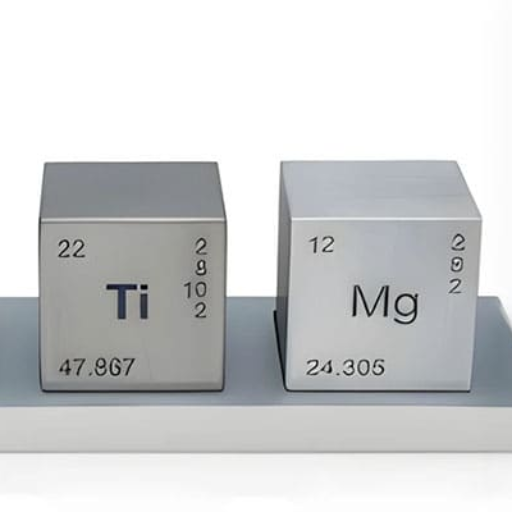
Industrial applications that require weight restrictions to be met in material selection process — aerospace, automotive and sports equipment design — choose materials which need to meet weight requirements because every single ounce of material makes a difference. The lightweight metal magnesium and titanium emerge as two exceptional candidates who bring different benefits which make them different from each other.
The blog post presents an extensive evaluation which compares the weight of magnesium and titanium and examines their characteristics and actual uses and their status as top engineering materials. The analysis helps designers, engineers and material science enthusiasts identify which metal serves as the optimal lightweight solution for their requirements.

Magnesium and titanium are both well known for their odd properties, which make them useful in many industries. Magnesium is a lightweight structural metal and, thus, has the exceptional quality of providing high strength-to-weight performance; while being resistant to corrosion. In automotive and aerospace uses, magnesium performs noticeably well for these industries. Titanium prides itself on its great material strength with a lightweight property and resistance to harsh corrosion. One would find magnesium becoming the material of choice for lightweight requirements while titanium stands out as the material of choice for durability and performance under stress. Both materials serve as ready answers for particular engineering applications; hence, they deliver good performance in varying operational conditions.
Lightweight metals serve as essential materials for contemporary industrial operations because they deliver optimal strength-to-weight solutions. The various sectors adopt aluminum and magnesium and titanium because these metals enable lightweight structural design while maintaining enduring strength and operational capabilities. The aerospace and automotive and construction industries especially value this weight reduction because they require operational efficiency and safe practices as their primary objectives. The materials gain additional environmental compatibility because their thermal properties and corrosion resistance capabilities enable them to function in hazardous conditions.
Lightweight metals production and transportation systems and manufacturing facilities achieve higher energy efficiency through their implementation. The environmental standards of the world demand that vehicle manufacturers reduce fuel consumption and carbon emissions by using lighter materials in their products. The aviation industry benefits from lighter aircraft because these planes use less fuel which results in reduced operational expenses and decreased environmental impact. The manufacturing sector achieves cost-effective production through lightweight metals which enable simpler handling processes and machining tasks.
These metals serve as essential components for technological progress and innovative development. Lightweight alloys form the foundation for advanced applications which include renewable energy and medical technology development. The ability to recycle these materials makes them an environmentally friendly option for businesses that want to minimize waste while preserving valuable resources. Lightweight metals drive technological progress while turning green practices into industrial development paths for future industrial development.

Density Comparison — g/cm³
1.738
2.700
4.500
7.800
Bar widths are proportional to density values relative to steel (7.8 g/cm³).
Magnesium is among the structure metals with the most lightweight. With a density of 1.738 g/cm³, the density of magnesium is significantly less than that of aluminum at 2.7 g/cm³ and steel at 7.8 g/cm³. The metal effectively breaks free of limitations tossed by some heavier elements like aluminum and possessing the crucial comfort of its own with a variety of useful attributes. Its principal or mass proportion is instrumental in minimizing the weight of parts by providing better resistance to further stresses. With possibilities for strength development, magnesium alloys with aluminum and zinc enhance the mechanical properties of the latter, resulting in minimized weight of the overall structure. Magnesium also provides the designer with numerous possibilities to maintain promising design for sustainable systems with high efficiency because of its attractive properties.
People use titanium as a material because it combines lightweight characteristics with excellent strength properties. The material titanium has a density of 4.5 g/cm³ which makes it 60% heavier than aluminum yet it weighs less than half of steel. The combination of titanium’s high density and its inherent corrosion resistance and strong materials properties makes it an ideal choice for aerospace applications and medical implant manufacturing and advanced performance industrial uses. The material helps decrease fuel usage because its lightweight design maintains structural integrity under extreme weather conditions.
The corrosion resistance of magnesium and titanium shows that titanium provides better protection in most environmental conditions than magnesium. Magnesium shows high reactivity which results in corrosion problems when it comes into contact with moisture or salt so it should not be used in situations that involve extreme environmental conditions. The material needs protective coatings or treatments to increase its strength which prevents its fast deterioration.
Titanium develops an oxide coating which protects the metal from oxidation when it comes into contact with oxygen in its environment. The layer exhibits both extreme stability and self-repairing capabilities because its natural oxidation process automatically restores any physical damage that occurs. The property makes titanium suitable for applications in marine environments and chemical processing plants and every field that needs effective protection against corrosion.
The built-in corrosion protection of titanium increases the durability of titanium-based products and structures which results in lower maintenance expenses when compared to magnesium. The lightweight design of magnesium provides cost benefits which make it suitable for specific uses, but its high corrosion risk needs extra protective solutions to maintain its long-lasting performance.
The base metal of magnesium alloys consists of magnesium while the alloying elements include aluminum and zinc and manganese and silicon and rare earth metals. The elemental additions to magnesium enhance its strength and thermal stability and protection against corrosion. Aluminum enhances strength and corrosion protection while zinc boosts the material’s mechanical capabilities.
The lightweight properties of these alloys enable their use in multiple industries which need to achieve weight reduction for their operations. The materials find common applications in the fields of aviation and automotive components and consumer electronics. Magnesium alloys function in automotive engineering through their use in engine block and transmission case and wheel manufacturing which decreases vehicle weight while improving fuel efficiency and vehicle performance. Electronics use magnesium alloys to create laptop and mobile device casings because the material provides excellent protection through its lightweight structure.
Magnesium alloys need protective coatings or treatments because they naturally corrode in environments with high moisture and salt exposure despite their beneficial properties. The ongoing research and development of alloy composition produce new improvements that increase material durability and versatility to maintain their status as essential components in current engineering and manufacturing practices.
Titanium alloys exist as materials which contain titanium metal along with different amounts of aluminum, vanadium, and molybdenum according to their specific intended uses. The alloys are famous because they possess outstanding strength-to-weight ratios together with high resistance to corrosion and their capacity to endure extremely high and low temperatures. The classification system for Titanium alloys divides materials into three main groups which include alpha alloys, beta alloys, and alpha-beta alloys that meet different industrial and commercial requirements.
Ti-6Al-4V stands as one of the most widely used titanium alloys within the aerospace medical and automotive manufacturing sectors. Medical applications benefit from titanium because it can be used to create implants and prosthetics which require biocompatibility. The material exhibits exceptional corrosion resistance which enables its application in both marine environments and chemical processing facilities. The development of titanium alloys proceeds through ongoing research which seeks to achieve better performance results at lower costs because these materials have become essential to various industries.
Magnesium, titanium, and aluminum alloys differ primarily in their strength-to-weight ratios, corrosion resistance, cost, and specific applications.
| Parameter | MgMagnesium | TiTitanium | AlAluminum |
|---|---|---|---|
| Strength-to-Weight | High | High | Moderate |
| Corrosion Resistance | Low | High | Moderate |
| Cost | Low | High | Moderate |
| Weight | Lightest | Light | Moderate |
| Applications | Aerospace | Medical | Automotive |

+Advantages
−Disadvantages
+Advantages
−Disadvantages
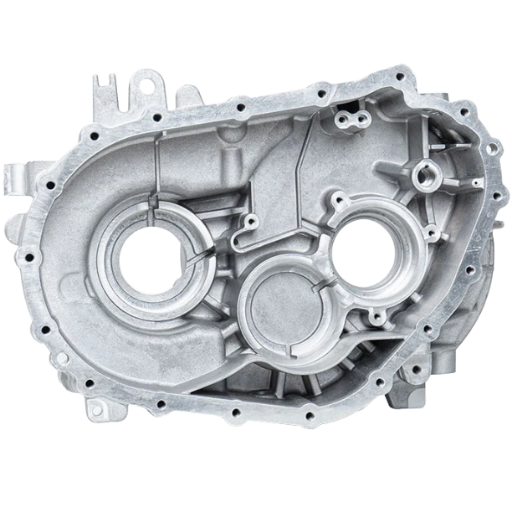
Magnesium alloys have gained significant popularity in the sectors of transportation, automotive, and aerospace because of their superior strength-to-weight ratio, which allows for the development of relatively lightweight aircraft design. Autos use these alloys for manufacturing of the structure, gear-box components, steering gear elements, which decreases fuel consumption and emissions. Helicopter rotor gear housings and fuselages, in addition to internal components, are made with magnesium alloys — with fundamental advantages in the shape of reduced mass while keeping the ultimate system usability within the aerospace industry.
Refinement in processing technologies is the foremost ground responsible for the utilization of magnesium alloys in applications for addressing shortcomings of corrodability and wear resistance testing. Due to the advent of these new methodologies, rare-earth alloying has been coupled with these existing techniques to make magnesium alloys ready for deployment in high stress applications. The alloys are also expensive and their resources are scarce. However, despite these afflictions, the industry keeps exploring magnesium alloys, as persistent innovations gradually ensure their sustainability.
Titanium alloys have now conquered the position of needful materials for medical implants and aerospace applications by the virtue of attestable exceptional characteristics. They have proved to offer phenomenal performances that make them suitable in the harshest conditions — purely because with a very high weight-to-strength ratio, biocompatibility, and corrosion resistance. Titanium, acting as an element, is ground and falls as the ideal material to initiate alien metals in the medical world; use, therefore, in human implants — muscle and bone implants — where it bonds very well with the bone structure and guards against rejection. In engineering, titanium alloys are used in aircraft fuselages, jet and spacecraft engines, and structures due to the complementing light properties of these materials withstanding the extreme temperature and stress conditions.
The latest reports show the undeniable fact that titanium alloy manufacturing technologies, specifically 3D printing and powder metallurgy, have seen remarkable advancements and altered the landscape of a number of industries. The worldwide application of additive manufacturing has made it possible for manufacturers to produce custom implants and lightweight components of their design in aerospace segments that were impossible to produce in the past. Research indicates that diverse alloy compositions with a beta-phase titanium have presented a large spectrum of flexibility and toughness to live up to the various requirements increased by the two industries. The journey of titanium alloy developments will take to full-time innovation in which public engagement produces some excellent engineering and healthcare opportunities.
The sports equipment industry has been transformed by magnesium and titanium because of their special characteristics and their various uses. Magnesium is one of the lightest structural metals which bike manufacturers use to create bicycle frames and golf club manufacturers use to build golf club heads and tennis equipment manufacturers use to design tennis rackets because it provides exceptional lightweight design and shock absorption. The material provides athletes with enhanced movement capabilities and decreased exhaustion during extended use because of its high strength-to-weight ratio.
There exists a metal which exhibits exceptional strength combined with complete resistance to all forms of corrosion called titanium. This material finds its application in the production of high-performance equipment which includes racing bikes and baseball bats as well as adaptive sports prosthetic limbs. The material titanium provides professional-grade equipment with excellent ability to endure extreme conditions while maintaining its functional capabilities. The two metals work together to enhance sports equipment performance while helping athletes reach their maximum physical potential.
| Industry | Magnesium Applications | Titanium Applications |
|---|---|---|
| Aerospace | Fuselages, helicopter rotor housings, internal components | Aircraft fuselages, jet engines, spacecraft structures |
| Automotive | Engine blocks, gearbox cases, steering components, wheels | Limited (high cost) |
| Medical | Biodegradable implants (research stage) | Bone implants, prosthetics, dental fixtures |
| Electronics | Laptop casings, mobile device shells | Limited (cost-prohibitive) |
| Sports | Bicycle frames, golf club heads, tennis rackets | Racing bikes, baseball bats, adaptive prosthetics |
Metallic Lightweight Materials: Properties and Their Applications – Explores the properties and applications of light metals, including magnesium and titanium, with a focus on their strength-to-weight ratios.
Advanced Lightweight Materials – A Review – Reviews lightweight materials such as aluminum, magnesium, and titanium, highlighting their use in structural applications.
Development and Application of Lightweight High-Strength Metal Materials – Discusses magnesium and titanium as lightweight structural materials, including their development and applications in various industries.