

Supportive, Professional, Client-Focused Service
From prototypes to full-scale production, we’ve got you covered.


Magnesium Alloy Grades Explained: Properties, Composition, and How to Choose the Right One
Each kilogram you remove from a structural component also works to modify the economics of fuel costs, payload capacity, and cycle time. That one single economic advantage is enough to explain why engineers have repeatedly fixated on magnesium—the lightest structural metal in commercial use, with a low density of just 1.74 g/cm³. But “magnesium” is not a single material. It is a family of magnesium CNC machining alloys, each tailored for a specific balance of mechanical properties, ductility, corrosion, and manufacturing technology.
This compendium presents an overview of the major magnesium alloy grades—AZ91D, AZ31B, WE43, AZ61, and ZK60—with validated mechanical property data, alloy compositions, and a decision-making diagram. If you are shipping die-cast cases or machined structural supports, these data will help you weed out unsuitable grades before you call for a quote.
In This Guide
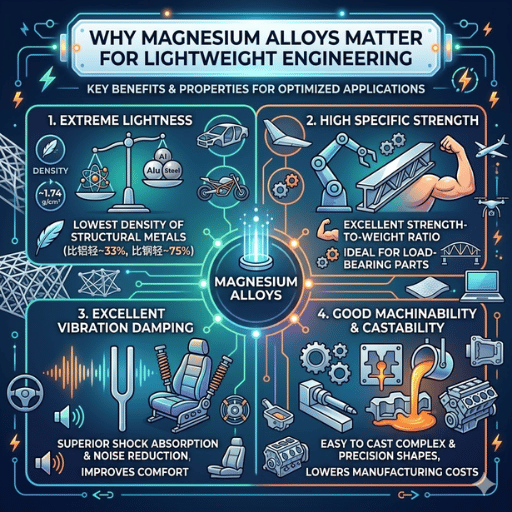
Magnesium is now the lowest density structural metal in commercial service. It is 33% less dense than aluminum, 61% less dense than titanium, and a staggering 78% less dense than steel. That hero density confers off-the-line savings in fuel consumption, more than proportionate gains in payload ratio, and lighter inertia for any moving part—and thus makes aerospace and automotive designers eager to implement magnesium alloys for weight savings.
The strength-to-weight ratio of magnesium alloys is highly competitive with many aluminum alloys and a couple of alloyed steels. The Wikipedia entry on specific strength notes that precipitation hardened magnesium alloys rival the specific strengths achieved by hardening best aluminum alloys—a desirable trait in load bearing parts.
Aerospace engineers Boeing and Airbus have incorporated applications of magnesium alloy into their respective commercial aircraft programs. The International Magnesium Association (IMA) has reliably recorded applications of magnesium alloy in fuselages, satellite enclosures, and helicopter gearboxes, GT cars, and the bodies of bikes. GM has used magnesium die castings in seat frames, instrument panels, and cylinder blocks. Ford uses magnesium steering wheel arms and rear seat parts. About 70–80% of all magnesium die castings used throughout the automotive sector are hot chamber die castings.
The lowest specific density of all structural metals is offered by magnesium alloys. Its inherent density advantage further lowers energy needs in each turn, each acceleration, and each flight cycle in which it is substituted.
All commercially available magnesium alloy grades adhere to the designation system laid out in ASTM B951 (initially ASTM B275). Each code consists of two letters denoting the primary alloy elements, two numerals showing these elements’ approximate weight percentages, and then a letter designating the alloy’s specific mixture.
For example, take AZ91D-T6. “A”=aluminium, “Z”=zinc, “9”=9% aluminium, “1”=1% zinc, “D”=fourth registered variation of this composition, and “T6″=solution treated plus artificially aged.
| Letter | Element | Letter | Element |
|---|---|---|---|
| A | Aluminum (Al) | M | Manganese (Mn) |
| C | Copper (Cu) | Q | Silver (Ag) |
| E | Rare Earth Elements | S | Silicon (Si) |
| H | Thorium (Th) | T | Tin (Sn) |
| J | Strontium (Sr) | W | Yttrium (Y) |
| K | Zirconium (Zr) | Z | Zinc (Zn) |
| L | Lithium (Li) |
In our CNC shop we machine castings (e.g AZ91D) and wrought magnesium alloys (e.g AZ31B) on a regular basis. These names tell the CNC machinist what to expect before the first cut: a higher aluminium level (letter “A” in the code) indicates better casting ability and lower ductility whereas an alloy containing zirconium (K-series codes) indicates finer grain structure and better forging response.
| Code | Meaning |
|---|---|
| F | As-fabricated |
| O | Annealed |
| H24 | Strain-hardened, then partially annealed |
| T4 | Solution heat-treated |
| T5 | Artificially aged |
| T6 | Solution treated + artificially aged |
Magnesium alloys can be broadly split into two groups: cast alloys such as AZ91, AM60, and AE42 which are the end-products of die casting, sand casting, and permanent mold casting, and wrought alloys such as AZ31, AZ61, AZ80, and ZK60 which are the end-products of extrusion, rolling, and forging; both groups follow the same letter-number alloy naming system. Pure magnesium is too soft for structural use, so these alloy elements are added to reach useful properties of magnesium alloys in service.
Any Magnesium alloy grade has two letters before the number grade code to identify the alloying system. AZ=aluminum-zinc, WE=yttrium-rare earth, ZK=zinc-zirconium. Master letter-code reading and decoding will get you most of the way for any datasheet reference.
AZ91D is the predominate die casting alloy in the magnesium family, it is the dominant alloy for high pressure die casting throughout the world. Calcium additions of 0.002–0.005% and strict limits on each of Fe (0.005%), Ni, and Cu to the high purity alloy grades distinguishes it from AZ91A/B/C which have serious galvanic corrosion failures.
| Element | Content (wt%) |
|---|---|
| Aluminum (Al) | 8.5–9.5% |
| Zinc (Zn) | 0.45–0.9% |
| Manganese (Mn) | ≥0.17% |
| Iron (Fe) | ≤0.005% (high-purity limit) |
| Magnesium (Mg) | Balance (~89–90%) |
| Property | Value |
|---|---|
| Density | 1.81 g/cm³ |
| Tensile Strength (UTS) | 230–250 MPa |
| Yield Strength (0.2%) | 150–160 MPa |
| Elongation at Break | 3–7% |
| Melting Range | 470–595 °C |
| Corrosion Rate (salt spray) | <0.13 mg/cm²/day |
At Le-creator, we machine AZ91D motor, gearbox, instrument panel and electronic enclosures for our electronics clients; the casting properties of this alloy make it one of the most reliable production material available. Thinner wall sections (down to 1.5 mm) fill in consistently well and after solidification, dimensional stability is high with limits on warping, etc. A high aluminium content gives AZ91D slightly better corrosion resistance than its lower aluminium cast alloys, as the aluminium helps form a stronger less permeable oxide protective surface.
AZ91D is used in car steering columns, gearbox housings, instrument panel beams and electronic enclosures. as can be seen from the Wikipedia article on magnesium alloys AZ91 would appear to be the most popular (globally) of the die casting magnesium alloys used in every industry worldwide.
AZ91D shows statistically significant decreases in corrosion resistance when iron exceeds 0.005% or when the Fe/Mn ratio exceeds 0.032. Always verify the high purity certification when ordering AZ91D ingots (older AZ91A/B/C grades do not necessarily meet the same impurity limits).
AZ91D is the preferred alloy for high volume magnesium die casting as the combined properties (high strength-to-weight ratio, good castability and excellent corrosion resistance) ensure the alloy continues to dominate in automotive and electrical housings.
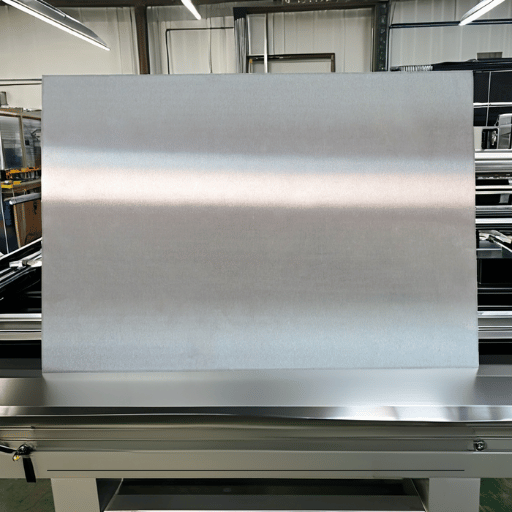
AZ31B is by far the most popular wrought magnesium alloy used for sheet, plate, extrusions and machined magnesium parts. Much like AZ91D in the casting world, where it dominates, AZ31B is the alloy most engineers turn to when a part needs rolled, bent, welded or CNC machined from bar stock and plate.
| Element | Content (wt%) |
|---|---|
| Aluminum (Al) | 2.5–3.5% |
| Zinc (Zn) | 0.6–1.4% |
| Manganese (Mn) | ≥0.2% |
| Magnesium (Mg) | Balance (~95%) |
| Property | Value |
|---|---|
| Density | 1.77 g/cm³ |
| Tensile Strength (UTS) | 260 MPa |
| Yield Strength (0.2%) | 200 MPa |
| Elongation at Break | 15% |
| Elastic Modulus | 45 GPa |
| Shear Strength | 130 MPa |
| Hardness | 49 HB |
The grade we will most often recommend for CNC-machined structural components at Le-creator is AZ31B. AZ31B demonstrates the best machinability of any functional magnesium alloy – it produces a glossy, manageable chip at high cutting speeds (the recommended maximum for turning speed is 65-115 m/min) under reduced cutting forces – and the high ductility (15%) is required to allow the metal to withstand fixturing stresses without cracking. Using data found in the AZoM’s AZ31B datasheet from the AZ31B wrought magnesium alloy, its tensile strength of 260 MPa and yield strength of 200 MPa are individually much greater than the die-cast AZ91D used in the as-fabricated state.
Weldability is another strength and ductility advantage of AZ31B. AZ31B is one of the easiest magnesium alloys to weld by AC TIG, and FSW of AZ31B sheet results in joints with tensile strength up to 176 MPa for optimum conditions. AZ31B is commercially available as a sheet and plate (under ASTM B90) and extruded bars, rods, and tubes (under ASTM B107).
Magnesium chips are irritant and flammable. During machining AZ31B, keep the tools sharp to avoid producing fine dust (rather than coarse chips), don’t use water based coolant (which can ignite within the chip), and have available a Class D fire extinguisher. Feed rate is the main machining parameter for surface roughness — it should be kept in the range 0.1-0.2 mm/rev for turning.
AZ31B is the best overall grade of all available wrought magnesium alloys for machining, welding and forming. If the application asks for CNC machining, sheet forming, and/or welding, use AZ31B.
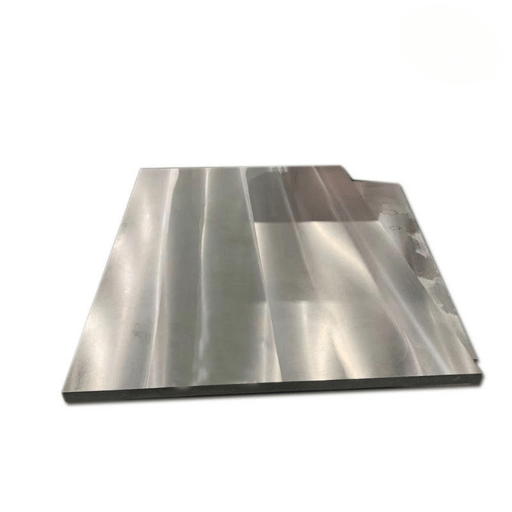
AZ91D and AZ31B cover most commercial demand, but three other magnesium alloy grades fill performance gaps that the AZ-series cannot reach — primarily at elevated temperature, in forging operations, and in biomedical settings.
WE43 is a high-performance magnesium alloy with about 4% yttrium (W), 3.3% mischmetal rare earth elements (E), and Zr for grain refinement. What makes WE43 special is its creep resistance: tensile strength over 180 MPa at 300 °C, much better than AZ-series alloys that lose structural integrity above 120 °C. A review in Frontiers in Materials confirms that rare earth elements provide a mixture of solid solution and precipitation strengthening at high temperature.
Another potential application of WE43 is in the field of medicine. The elastic modulus of WE43 (~45 GPa) is much more compatible with bone (15-25 GPa) than steel or titanium implants so it is likely that there would be less stress shielding. A paper in PMC/National Institutes of Health reported WE43 based bone fixation plates with enough strength for use on mid-facial bones.
AZ61 has 6% Al and 1% Zn, which puts it between AZ31B (weaker but more formable) and AZ80 (stronger but less ductile). It is the most commonly used wrought forging alloy for magnesium and also serves as welding filler wire. If a shop needs a stronger wrought magnesium grade but cannot justify the cost of rare earth alloys, AZ61 fills that gap.
ZK60 is a high strength forging and extrusion grade magnesium-zinc-zirconium alloy (6% Zn, ~0.5% Zr). It reaches a tensile strength of 321 MPa in the extruded state, with elongation of 15–28% depending on processing method — putting ZK60’s mechanical properties much closer to mid-range aluminum alloys than to typical magnesium grades. Zirconium additions produce an extremely fine grain structure, lending the alloy both high strength and formability at working temperatures of 250–400 °C.
| Grade | UTS (MPa) | Max Service Temp | Primary Process | Key Advantage |
|---|---|---|---|---|
| WE43 (T6) | 274–304 | 300 °C | Casting / Extrusion | Creep resistance, biocompatibility |
| AZ61 | 260–310 | ~120 °C | Forging / Extrusion | Forge-friendly, weld filler use |
| ZK60 | 300–340 | ~150 °C | Extrusion / Forging | Highest wrought Mg strength |
WE43 is the standard grade when working at higher than 150 C and in biocompatibility applications. ZK60 has the highest strength of the wrought magnesium alloys. AZ61 is a compromise between AZ31B (good formability) and AZ80 for forging.
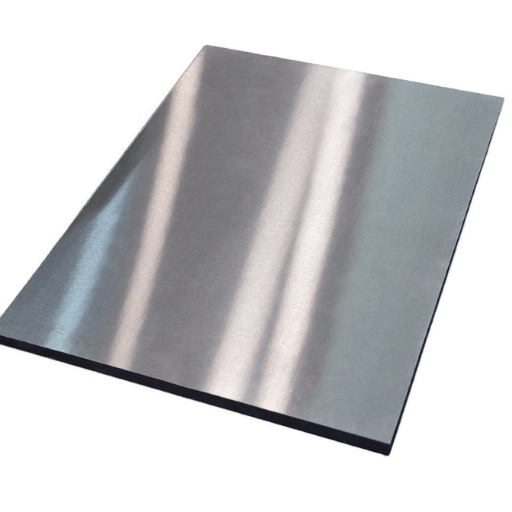
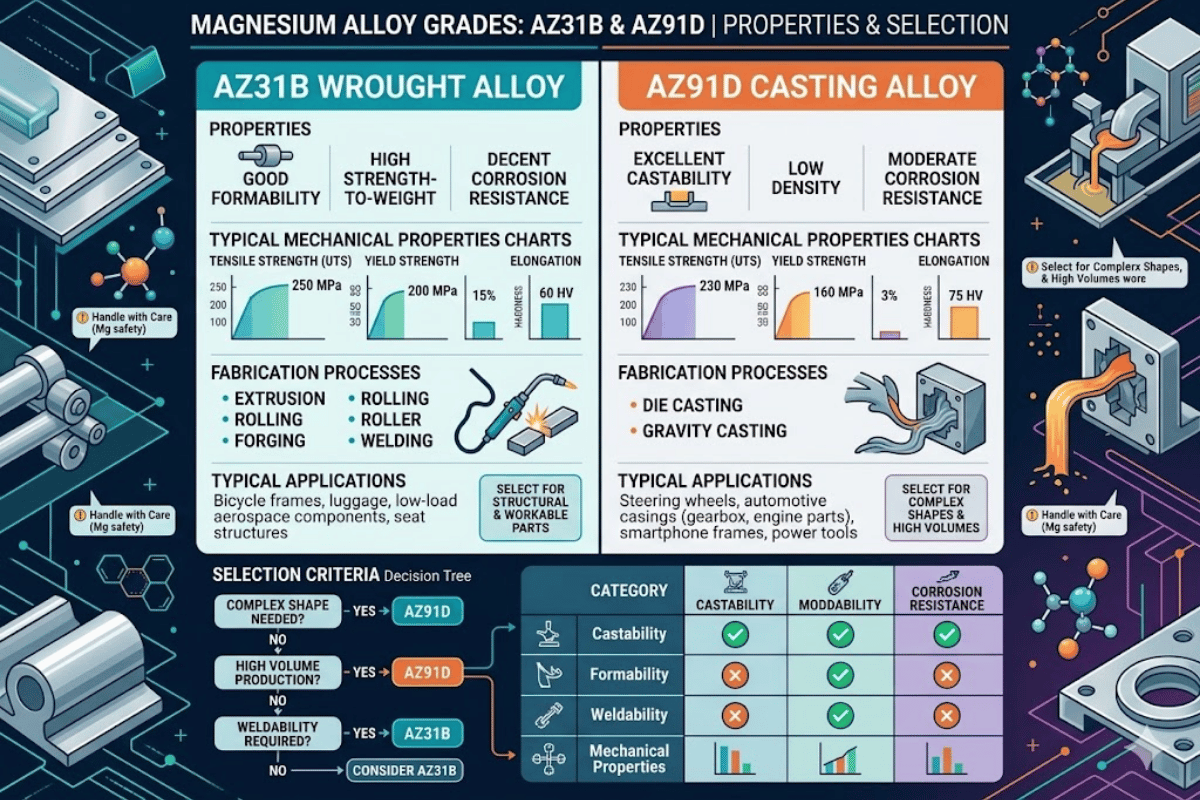
The most regularly made choice in Mg production is for AZ31B or AZ91D. These are the two main families – wrought and cast – and knowing which one dominates (and underperforms) can save expensive material mismatching.
| Property | AZ31B (Wrought) | AZ91D (Cast) |
|---|---|---|
| Tensile Strength | 260 MPa | 230–250 MPa |
| Yield Strength | 200 MPa | 150–160 MPa |
| Elongation | 15% | 3–7% |
| Density | 1.77 g/cm³ | 1.81 g/cm³ |
| Corrosion Resistance | Good | Better (higher Al content) |
| Weldability | Excellent | Poor (hot cracking risk) |
| Machinability | Excellent | Good |
| Formability | Excellent (sheet/extrusion) | Casting only |
| Best Production Method | CNC machining, rolling, extrusion | Die casting, sand casting |
| Volume Suitability | Low–medium volume | High volume (die casting) |
A typical error report in projects: declare AZ91D class3 when bending or welding after casting. With a poor elongation 3-7%, AZ91D will crack easily even when AZ31B will survive easily. The higher expense of aluminum give AZ91D a stronger fighting corrosion and casting ability but a higher hot cracking tendency, reduced impact resistance under dynamic loads, and susceptibility to intergranular corrosion if impurities are not controlled. Work hardening capacity is also limited in cast AZ91D compared to wrought AZ31B.
Meanwhile, having specified AZ31B for a high-volume domestic program where die casting would reduce the unit cost by 60%, would be a very expensive mistake. AZ31B is a wrought magnesium alloy – it is not die-cast. As long as your volume exceeds 5,000 components, and the geometry is suitable for casting AZ91D will nearly always triumph economically.
“Between AZ31B and AZ91D, it’s really a manufacturing choice. Make your mind up—cast or machine—and the grade falls into place.”
— Le-creator Engineering Team
AZ31B: better mechanical properties, weldability, machinability. AZ91D: better corrosion resistant, castability, cost advantage at high volumes. Choose the grade that suits the processing route, not vice versa.
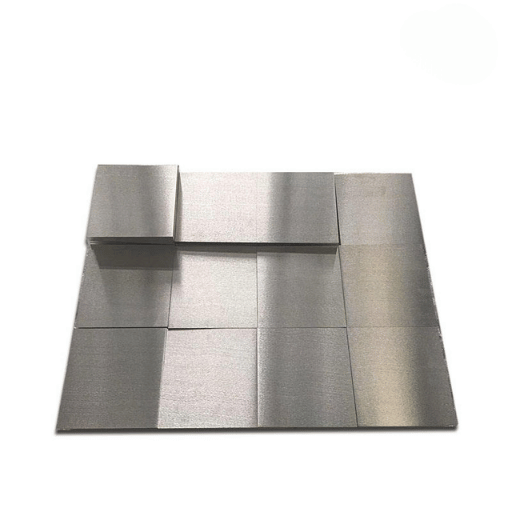
Choosing a grade of magnesium alloy is a trade-off of five parameters: mechanical load, temperature, environment, process, and quantity. Below is the decision tree we use in the process of sourcing machining jobs to our magnesium alloy machining capabilities.
Magnesium Alloy Selection Checklist
Do not consider the corrosion environment until after selecting a grade. All magnesium alloys corrode worse than aluminum alloys in humid or chloride-rich environments. If moisture or salt is an outdoor hazard, consider surface treatment (anodizing, PEO coating or chromate free conversion coating) from the outset of design – don’t wait until the part is completed.
When a customer brings us a part with unidentified requirements, we use AZ31B first for prototyping and testing as it heats and machines faster than other grades. Once the production design is verified and requires die casting at high volumes, we use AZ91D tooling while confident the geometry and tolerance studies with AZ31B will require no major revision.
Start with manufacturing process and temperature range as your guides. These two criteria will disqualify 80% of candidate alloys. Mechanical properties and corrosive environments are secondary concerns.
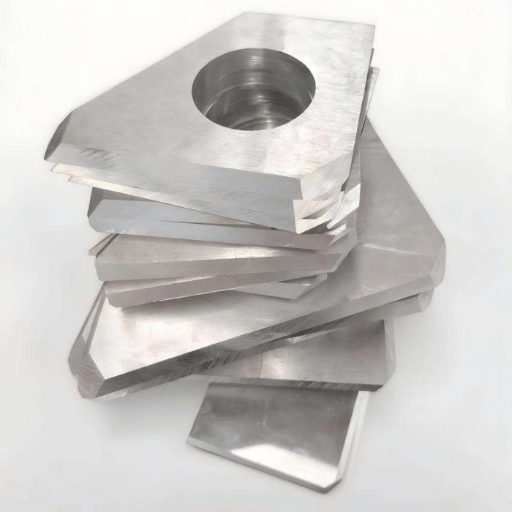
Le-creator machines AZ31B, AZ91D and other magnesium grades with 17+ years of CNC experience, 80+ machines, and a 98+ first-pass yield rate. Submit us your drawings for a free quote.
This précis is Le-creator’s own experience machining magnesium alloys for electronics, aerospace prototype, and industrial equipment clients dating from 2008. The mechanical property data sources referenced herein are ASTM specifications, ASM material datasheets, and published, peer-reviewed research. When we discuss grades or machining characteristics, those statements are based on our own production floor experience – not book learning or hearsay. We are a CNC machining company, not a raw material seller, and this shall serve as a guide for engineers choosing among magnesium grades prior to request for quote.