

Supportive, Professional, Client-Focused Service
From prototypes to full-scale production, we’ve got you covered.


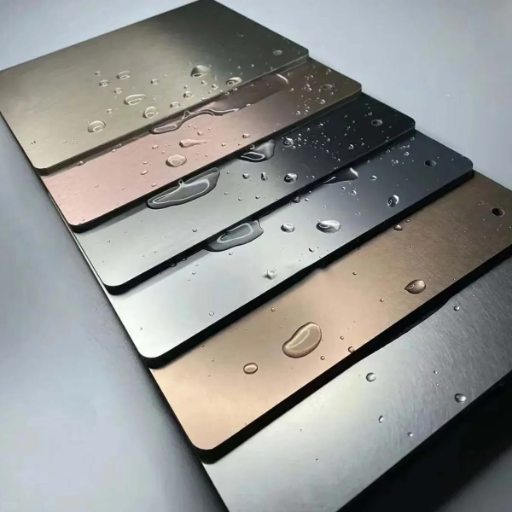
PVD coating has emerged as a revolutionary solution in the field of metal coating enhancing the strength, finishing, and aesthetic properties of stainless items. The technique boasts superior coatings which enhance the hardness and corrosion resistance of materials, while also adding a touch of elegance. The use of PVD coating comes in handy if the need is to enhance wearability of machine parts, enhance the efficiency of tooling, or simply coat visual objects. This article will look at the available PVD Coating Options for Stainless Components and appreciate the different advantages of each option, and the processes involved in the selection of the suitable coating. Be prepared to learn how a stainless steel piece of metal can be transformed into an elegant, sophisticated and very classy piece of art by PVD coating.
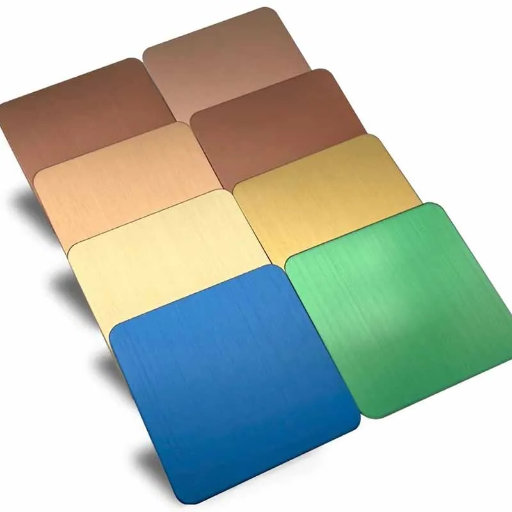
PVD, or Physical Vapor Deposition, describes a technique used in metal finishing for the enhancement of surfaces of materials such as stainless steel with highly durable and thin coatings. The process takes place under vacuum, when the materials are evaporated and adhere to the component. PVD coating is well-known also because of its great mechanical hardness and wear resistance, as well as the purity of its spectrum. It doesn’t harm the environment, and it greatly enhances the toughness of the enhanced components made out of stainless steel and also their beauty, due to which there is a strong preference for its use as a protective coating or decoration or both.
The PVD coating process, otherwise known as Physical Vapor Deposition, is a thin film deposition technique that takes place inside a vacuum chamber. Essentially, it is the physical gasification of a solid material and subsequent condensation of the vapor on the surface of a target. PVD is a modern technique that is employed to improve the features of a surface, such as hardness, thermal stability, and wear/tear endurance, and also for enhancing the aesthetic look. For example, the hard coatings and thin films provided by PVD are preferred in the manufacture of decorations, some assembled components, surgical equipment, and even the engines due to their definition in colors; gold, black or rose among other colors without however compromising the functionality. PVD coating is also environmentally friendly since it doesn’t rely on the use of harmful solvents which makes it suitable for contemporary practices. Additionally, PVD Coating Options for Stainless Components use is growing for it facilitates application as an alternative ‘no dime bang’ coating.
Physical Vapor Deposition (PVD) is physically transferring a solid material into a vapor that subsequently condenses onto a substrate to produce a thin, highly durable coating. This process starts when the solid-state material to be coated, together with the substrate, is placed within an evacuation chamber; that chamber will be evacuated to remove any kind of contaminants and lower the pressure within it. There are some different techniques, such as sputtering or evaporation, with which the coating is vaporized in the chamber using a high heat and sometimes a plasma arc inclusive. Once the coating material vapors, the vapor particles pass via the vacuum and deposit themselves onto the substrate with a very tenacious, cohesive, uniform layer. This whole process is very sensitive so that it guarantees the best uniformity on the layer’s thickness, composition, and adhesion. The PVD-built coat is very hard, corrosion resistant, and affords aesthetic finishes. Additionally, PVD is considered to be environmentally friendly when compared to any other forms of coating.
PVD and traditional coating methods differ in application processes, environmental impact, coating properties, and cost efficiency.
| Key Point | PVD | Traditional |
|---|---|---|
| Process | Vacuum-based | Chemical/dipping |
| Environment | Eco-friendly | Uses chemicals |
| Coating Type | Thin, precise | Thick, uneven |
| Hardness | High | Moderate |
| Corrosion Resist | Excellent | Varies |
| Adhesion | Strong | Weaker |
| Aesthetic | Customizable | Limited |
| Cost | Higher initially | Often cheaper |
| Maintenance | Long-lasting | Reapplication |
| Heat Resistance | High | Moderate |
PVD produces a far superior performance against corrosion, making the service life of stainless steel in aggressive environments significantly longer. The predominant adhesion to the surface enhances effective and uniform shield against moisture, chemicals, and other corroding agents and gives PVD finishes better root-mean-square (RMS) quality, hence virtually without equal. Another major difference that stands out between PVD and conventional finishes is the setting of color, texture, and optical effects in order to match with stainless steel. This essentially dramatically raises the appeal of stainless steel aesthetically, besides giving designers of structural modules or decorative components a chance to adjust the look to best suit the functional purpose. In this sense, stainless steel in this finish, other than being as secure as PVD assures, is beautiful and is an admired material for various applications.
From improvements in corrosion resistance and life extension of stainless steel surfaces, PVD coatings are useful. A barrier against moisture and exposure to chemicals and environmental pollutants causing oxidation and rust, the PVD is a thin, long-lasting coat placed in stainless steel which protects the battery. In this way can stainless steel maintain its characteristic strength and appearance in all climes and conditions.
Indeed, recent enhancements in PVD technology have given rise to greater efficiency in PVD technology. Experiments have highlighted the fact that stainless steel, when coated with PVD could endure a longer exposure to corrosive environments, such as marine or industrial settings, without diminishing its utility. The sustained life given to the material by the PVD coatings considerably decreases the frequency of service and replacement parts, thereby, constituting a cost-effective and sustainable option in such areas as construction, automotive, and health. This is further proof that PVD coatings are an invaluable asset to stainless steel by providing an aesthetic appeal along with long-term dependability.
PVD can make stainless steel fancy due to its countless possibilities of decorative coatings that are highly bond-and fail-safe. The finish to which PVD can be applied includes brushed, satin, and bright finishes, together with an array of colors for these finishes, including gold (not a real gold color), black, or other shades. The fact that the PVD coatings do not fade, scrape, chip, or discolor assures that the stylishness of the coating is long-lived. Therefore, it is perfect for application in modern interiors while installation of architectural components and luxury items remains especially suited in consideration of travel style and life assurance.
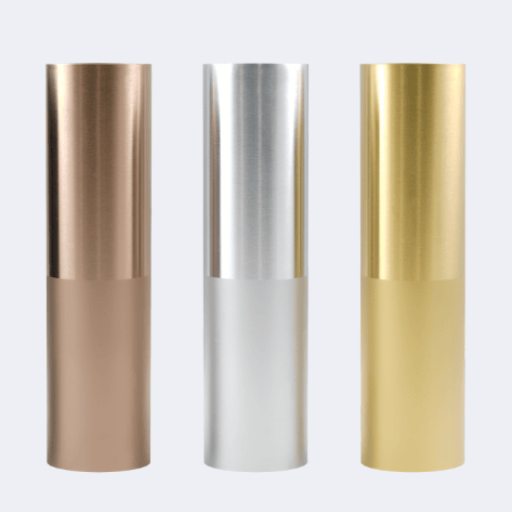
The coating of stainless steel by PVD (Physical Vapor Deposition) involves the deposition of a thin layer of a film that is also highly durable and decorative by using advanced vacuum deposition methods. Different finishes may be applied to the stainless steel before PVD coating, such as brushed, polished, or matte surface; the most luxurious colors such as gold, bronze, black types can be selected by the customer. This ensures a scratch-free, glamorous, and durable film suitable for elements of architecture, luxury goods, and modern interior design. This process adds beauty to the stainless steel and, at the same time, perfects the longevity as such a product addresses functionality along with elegance.
A fine line is applied to create a point that runs in only one direction, and its modern style is highlighted by a dense texture.
When applied, it gives a liquid, Continue to line the light with a luxurious finish for a shiny, semi-mirror effect.
For an understated and contemporary feeling, it is wise to choose a flat, reflection-less, light-absorbing finish.
Gold, black, and bronze, among the others, can blur the line between what is practical and what is purely aesthetic design. These finishes offer an array of choices.
Do substratum styles for stainless steel, retaining style and reliability. PVd coated stainless steel is now the rage in the decorative and other such activities!
These legendary colors also give designers a wide degree of options, which are best for some applications:
PVD colors are unmatched in their scope for complementing and fortifying the aesthetics and longevity of products in various categories among many industries with their unique kinds of beneficial properties in place.
PVD coating provides superior durability and a premium finish, while powder coating offers cost-efficiency and thicker coverage.
| Parameter | PVD Coating | Powder Coating |
|---|---|---|
| Durability | High | Moderate |
| Finish | Premium | Thick |
| Cost | Higher | Lower |
| Application | Thin layer | Thicker layer |
| Aesthetics | Metallic, vibrant | Matte, bold |
| Uses | Luxury, precision | General, heavy-duty |
| Lifespan | Long-lasting | Short-to-moderate |
| Eco-Friend | Environmentally safer | Moderate impact |
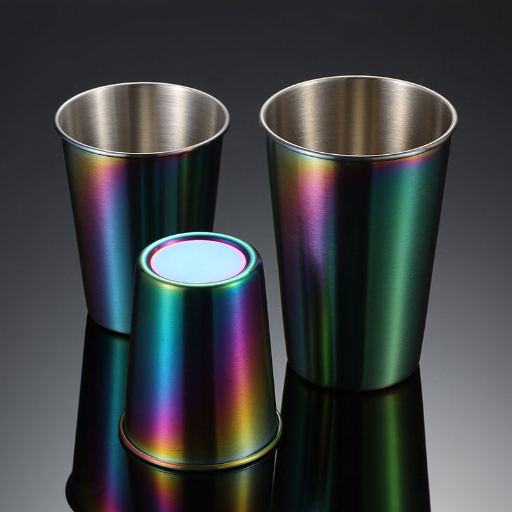
PVD (Physical Vapor Deposition) coatings are the significant contributors to the automotive industry when it comes to resurfacing auto parts for performance and clean finishes. These coatings are preferred for their exceptional strength, resistance to abrasion and corrosion, and an acute capability to deliver that smooth and shiny appearance. A few typical applications are coating perishable engine parts along with gears and brakes to enhance the lifespan and performance of these parts, while others are being used primarily for good cosmetic finish in trim and interior parts. Its functional features, therefore, can make the PVD coatings a growingly favorable option in modern automotive manufacturing processes.
In the medical sector, PVD coatings are considered almost as essential as certain basic materials, contributing to a high level of unswervability, biocompatibility, and precision of various medical instruments and devices. PVD coatings take the form of a thin film covering the surface of all surgical instruments, orthopedic implants, and diagnostic equipment. The main purposes behind PVD coatings include the enhancement of abrasion resistance in all these objects and also to remove friction for longer service life. PVD coatings also come very handy in ensuring complete functionality of the surgical tool following repeated rounds of sterilization and rough duty. For many materials PVD coatings are biocompatible, so that is an added safety net where materials such as titanium nitride (TiN) can be utilized inside the body of a human being, more or less actually improving the surgery. A significant move in the direction of the production of intact and efficient medical instruments that can speed up the healing process of the patient will be really very rewarding.
PVD coatings revolutionized the consumer electronics and decorative industries by introducing durable and aesthetically filled finishes that cater to practicality and art. For products like smartphones, laptops, and smartwatches, PVD coatings help keep them unharmed from scratches, for they would otherwise lose their grace after several uses. Additionally, they tend to offer a broad spectrum of color choices and textural finishes to comply with the wishes of the modern consumer in search of personalized designs.
With regards to heirlooms like jewelry, watches, and home appliances, PVD coatings visually augur a luxurious final touch that is further unsurpassable as a defense against tarnishing, subsequently offering a long tamp against degradation. It is quite tenable to invest life into things whose very appeal is improved by this technology, save for the minor and perfectly sensible advantage of being environmentally friendly, as essentially there is no compelling need for them to ever be replaced. With advances in digital technology and consumer preference for high-quality custom goods combined, PVD-coatings will be a main cause toward defining champs in design, innovation, and longevity across these industries.
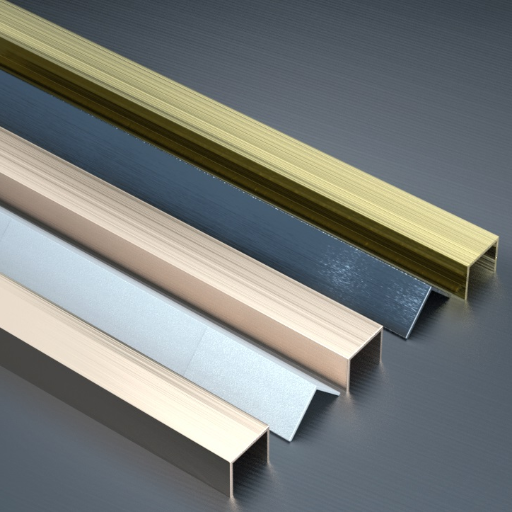
PVD (Physical Vapour Deposition) coatings are a perfect solution to expand the longevity of the steel materials. These coatings establish an extremely durable corrosion barrier to prevent wear and tarnishing. By rendering stainless steel materials highly resistant to environmental agents and daily usage, PVD coatings decrease the need for maintenance and consequently reduce the life expectancy of stainless steel components and eventually attain cost-effectiveness and eco-sustainability.
The immense importance of using PVD coatings to profoundly extend stainless steel’s longevity is that it enhances its resistance to wear and corrosion, and other environmental damages. In the coating process, thin films of material are physically deposited onto the stainless steel under a vacuum. These coatings greatly enhance wear and corrosion resistance, and are a form of environmental protection. The barrier effect therefore provided by PVD coatings prevents scratches, oxidation, and exposure to chemicals causing damage, ensuring structural integrity for the material being protected. The intrinsic property of PVD coatings that inhibits fading and tarnishing from harsh conditions and constant usage ensures an appealing outlook over the long span of time. It has been shown that the existence of PVD coatings can almost double the life of sainless steel due to its superior durability, thereby slashing replacement costs and fostering sustainability by extending the life of objects way much longer. This makes PVD-coated stainless steel a good fit for a number of trades-from construction to consumer goods-whereoutdoor performance and durability rank as key considerations.
Stainless steel covered with PVD shows the least wear from scratches, fading, or deterioration, resulting in an even prolonged manifestiveness. It is designed with a hard layer of protection, which acts as a barrier to further wear and the action of the elements. As a result, in adverse conditions, reasons for the near-perfect color and finish to be retained. Thus, the best cleansing agents for maintaining this are mild soap and water, otherwise to say that it can be used practically maintenance-friendly and, therefore, quite an artistically enduring choice over many applications which can be struck by the stings of time.
My experience showed, and I consider. It is easy to maintain PVD-coated stainless steel if one follows certain practices. Once in a while, clean your surface with a soft cloth and warm water used in soap. This will ward off any dirt and grime buildup. Avoid using abrasive materials or harsh chemicals on the coating of the material, since these will destroy the protective coating. Persistent stains such as water spots are another issue, with the strong possibility of being removed by a vinegar solution or stainless steel cleaner solution combined with dilatation. The effect on a hidden area would also be better. Afterward, a soft hand towel should be used to polish-dry the surface. Above all, avoid scratching the coating with sharp or rough objects. After adopting these practices, the PVD-covered stainless steel will maintain durability and appearance for its entire life.
On the Fatigue Behavior of an AISI 316L Stainless Steel Coated with a PVD TiN Deposit – This study examines the impact of PVD TiN coatings on the fatigue behavior of stainless steel components.
Behaviour of PVD Coatings in the Turning of Austenitic Stainless Steels – This research focuses on the performance of PVD coatings during machining processes involving stainless steel.
Study of the Corrosion Resistance and In Vitro Biocompatibility of PVD TiCN-Coated AISI 316L Austenitic Stainless Steel for Orthopedic Applications – This paper explores the corrosion resistance and biocompatibility of PVD coatings for medical-grade stainless steel.
The Effect of PVD Coatings on the Tensile Strength and Low-Cycle Fatigue Resistance of Stainless Steel and Titanium Alloys – This study investigates how PVD coatings influence the mechanical properties of stainless steel and titanium alloys.
The PVD or the Physical Vapor Deposition Technique is basically coating upon the stainless steel or a different substrate under vacuum with the deposition of a coating of a smaller, metal or ceramic layer, and yet not affecting the natural top-most finish. The process involves the solid target-containing materials (chromium, zirconium, or other metals) to be vaporized and then re-deposited into stainless steel along with reactive gases to condense on the stainless steel surface, eventually turning into a hard, flexible alloy that gets a strong bond with the foundation material. The coating already formed in the procedure might provide a barrier that resists wear by being impressive in hardness and wear resistance to virtually every stock chemical such that, for indoor or outdoor use, the aesthetic beauty and longevity of stainless steel may be greatly improved.
One strong reason that PVD coatings differ from electroplating and powder-coating for stainless steel products can be found in differences in their structure and function. In electroplating, metal is deposited to the part by electrochemical means, and in powder-coating, an extremely thick polymeric layer covers the part. In contrast, PVD applies a thin layer of metal or ceramic on this substrate, which has chromatics and has high resistance to abrasion with good resistance to chipping-off compared to other types of hard coatings. A PVD coating will provide a far more consistent metallike appearance, an indication that surface aesthetics and durability requirements will be equal.
When concerns turn to stainless steel, the scenario of PVD applications becomes a favored activity. A PVD-coating SS part is considerably in demand due to the fact that it is an intricate solution for all potentials including workability. It can give the substrate a hardness more than 2700 HV that is highly wear-resistant and even holds excellent corrosion resistance. As a result, coatings furnish the wear-resistant layers on a wide variety of part configurations, significantly optimizing their life cycles in design-savvy applications like architectural hardware, medical tools, and consumer products. This can further enhance performance in that the use of reactive gases in the deposition process can assist in forming hard ceramic-like compounds.
PVD coatings increase the looks of the item along with utility: one can select from subdued color tints to gold and rose hues. The hard and wear-resistant layers that come with the coating offer protection against scratches and abrasion. The adherence of the PVD coatings is strong to the surface, the coatings don’t peel in thin filaments as does the paint coat and even the finer powder coat, whilst stainless steel offers structural resilience.
Similarly, from the technological point of view, PVD is a process of vacuum in which ceramic or metal materials are expelled in thin films on the decorative stainless steel element. Quite interestingly, such films are thinner and procedure is much more adherent and not as porous, offering innumerable finishes in metallic hues along with the durability of wear-resistant coatings. The shiny finish of architectural stainless steel appliances provides a great visual impact. The choice of these finishes is conditioned by price in direct relation to the color required and the requisite resistance, and use of these materials in real-world stainless steel design practice.
PVD coating technology is an innovation of surface treatment for stainless steel components that serve a blend of function and form within the aesthetic domain. The vacuum PVD coatings, by the deposition of thin films, in fact enhance dramatically the surface hardness, wear resistance, and chemical attack, while at the same time diversifying the spectral reflection across dimensions of colors, from gold to black to the more vibrant rainbow. Alongside this, PVD technology is also environmentally friendly, has good adhesion, is dimensionally stable, and has high repeatability, making it ideal for a wide range of industries, automotive, medical, consumer electronics, and architectural applications. PVD coating hides with exhaustive authoritativeness any other option, whether clients want to increase life, mechanize coatings to improve their mechanical property, or achieve a new form of visual appeal. To this end, they are certain to open the market in the driving mechanisms by turning normal stainless steel to a prime high-performance future material. Therefore, the future within stainless coatings is believed to have even more PVD options available. This alternative offers a great way to showcase the designer’s latest achievements and to extend the natural beauty to multiple functions in an end product-made to last.