

Supportive, Professional, Client-Focused Service
From prototypes to full-scale production, we’ve got you covered.


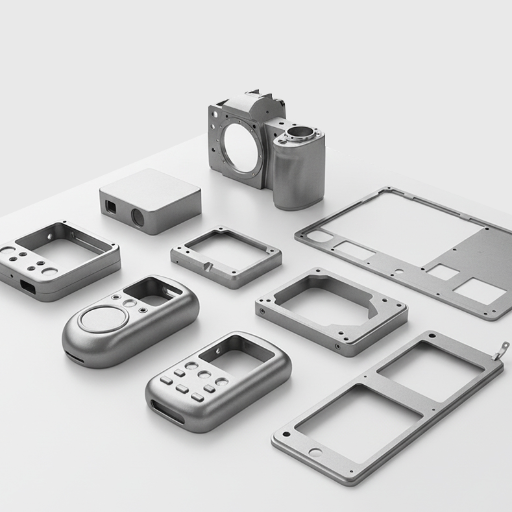
Choosing the right materials for housing in the consumer electronics segment is an important matter for any designer to consider, as it directly influences overall robustness, performance, and user satisfaction. Among the host of available options, magnesium is popping up as a trendsetter for modern devices. Light and strong, the material has seen increasingly important use cases in a number of industries as manufacturers find a new balance between innovation and function. Magnesium can be termed a wonder material for consumer electronics housings, owing to its vast potential benefits, varied characteristics, and an assortment of tangible benefits imparted to a contemporary design. For all industry people and aficionados, watch out for more on how magnesium is shaping our future portable and heavy-duty gadgets.
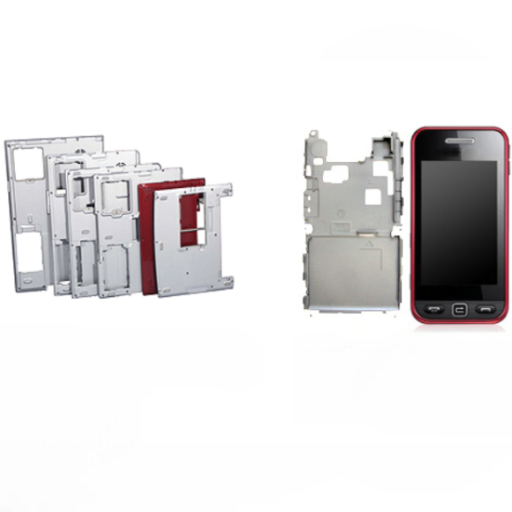
One of the most demanded materials for electronics consists of magnesium, which lends a peculiar stance between the strengths and the lightness as well as durability. Not only is it far lighter in weight than aluminum, but it is also evidently associated with certain stiffening properties, even making magnesium suitable for portable devices. Equally important is the fact that the use of magnesium helps the heat from the chip to dissipate and acts in shielding against electromagnetic fields, to guarantee a safe performance, while also avoiding the necessity for an efficient process. Besides these, magnesium is easy to recycle, compliant with contemporary principles in making the materials reusable. With all these advancements enclosing such a green material as encouragement for consumer units, there is a lot more to be said about magnesium.
Magnesium is known as having splendid strength/weight ratios and thus is used in an array of industries, including electronics, aerospace, and automotive. Because of its superior machinability, processing is highly advantageous and superlative in all engineering applications that call for high-precision manufacturing capabilities. Acting as a good thermal and electrical conductor, magnesium can also handle heat dissipation efficiently, making it desirable for parts that need thermal control. In applications of electromagnetic shielding, magnesium shows a primary form of EMI resistance. Because of high reactivity, magnesium assumes that superb protection from corrosion does develop by virtue of the oxide film that it exhibits. So, the environmentally beneficial construction of sustainability materials with recycling is feasible. It is truly not a rare metal.
Property
Strength/Weight Ratio
Splendid ratio for electronics, aerospace & automotive
Property
Thermal Conductivity
Efficient heat dissipation for high-precision components
Property
EMI Shielding
Primary EMI resistance for sensitive electronics
Property
Corrosion Resistance
Natural oxide film provides superior protection
Property
Recyclability
Environmentally viable — not a rare metal
Magnesium surpasses traditional materials like steel, aluminum, and plastic in terms of strength-to-weight ratio, thermal conductivity, corrosion resistance, and recyclability.
| Key Point | Magnesium | Steel | Aluminum | Plastic |
|---|---|---|---|---|
| Weight | Extremely light | Heavy | Light | Very light |
| Strength/Weight | Superior | Moderate | High | Low |
| Thermal Cond. | Excellent | Moderate | High | Poor |
| Corrosion Res. | Good (oxide layer) | Low (prone rust) | High | Varies |
| Recyclability | High | Medium | High | Varies |
This comparison highlights magnesium’s advantages for applications requiring lightweight, durable, and recyclable materials, though each material suits specific use cases based on the parameters above.
Lightweight materials increasingly bring up being so decisive for consumer electronics, resulting from the demand for mobile, energy saving, long-lasting, trendy products. Modern consumers seem to be keener about easy portability, hence their laptops, smartphones, and ‘wearables’ that make them carry them easily and offer them comfort. Over time, it has been observed that lightweight materials such as magnesium-aluminum alloys or composites have started to sneak up increasingly due to their own inherent weight-saving capability without any adverse effect on the mechanical or structural style. Since the year 2009, Google search data for the word “lightweight durable materials for electronics” have shown a growth of nowhere below 40% over three years with the vast curiosity from within consumers and industry. Furthermore, reducing a device’s mass, by implication thereby, also increases battery life by cutting down the total amount of energy a device requires—another major benefit within both the sustainability and power optimization domains. Stepwise incorporation of lightweight materials within the design would hence be unique in not only addressing consumers’ needs but in light of environmental considerations, thereof.

Because of its amazing weight-to-strength ratio and versatility, magnesium has become that excellent option to fabricate lightweight casings in consumer electronics. More than 75% less heavy compared with steel and 33% lighter with respect to aluminum, magnesium is being preferred due to its good toughness and its good heat conduction. And that is where it is most skid resistance and also very suitable for doing these kinds of electronic casings that are very thin, yet very durable so that they still make your mobile, tablet PC, and laptop look glamorous and portable but do not compromise the structure. Besides, its remnants can also be retrieved for sustainability and environmental requirement and, of course, to meet the requirements imposed by the industry. Effective cooling, an additional strength that is critical for thermal management—no doubt this contributes to the main benefit if you want to approach the set up of these high-speed, tightly packaged electronic devices in order to guarantee the best entire performance. Thus, magnesium finds the demands for itself for a type of good foundation in the heritage over the current light casing design.
The integration of magnesium into mobile device technology has seen growth due to its light weight, its durability, and its good thermal management. Up-to-date information points out a trend toward magnesium alloy; used in various applications, specifically within consumer electronics applications, companies are leaning to mag alloys to obtain thinness and portability without sacrificing strength. The demand for devices that are strong but light seems to be increasing among consumers; hence, magnesium is a good option for such devices to meet requirements. As well, it is fully recyclable, further supporting greener production methods that are in agreement with both the consumers and industry regulations. With these considerations, magnesium solidifies itself as a crucial element in the advancement of mobile-design sciences.
As far as wearable technology is concerned, magnesium techniques have enabled the industry to innovate light and durable devices that significantly improve health without compromising their optimum functioning. Surveys on online shopping sites have shown the strong emergence by some specific technology-based watch-styles, namely beryllium, with many customers highlighting a consideration for practicality. In offering steady support for the arcane stuff while remaining confidentially lithe, magnesium alloys offer just the solution. Additionally, the metal’s high thermal conductivity can help with heat dissipation, particularly toward fitness-related features, fitness-tracking, and smartwatches that have to function continuously. This near-perfect range of properties has succeeded in making magnesium a linchpin in the advancement of their branch of wearable technology.
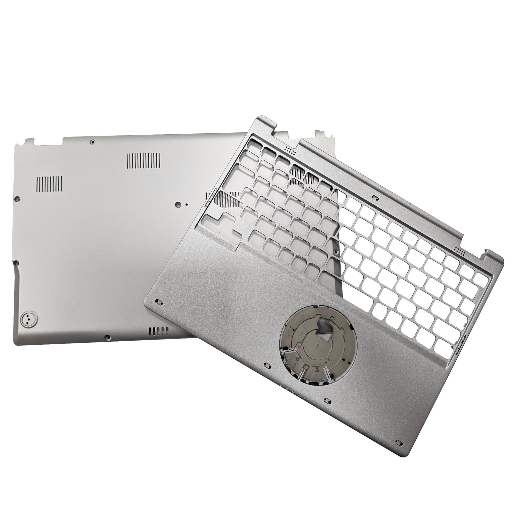
Magnesium is considered one of the lightest structural metals, making it the best choice for protecting an electronic enclosure. Inclusion of this light metal allows a manufacturer to create a device that is not only light but also strong and durable. This is extremely important in the case of making portable electronics, for which weight reduction caters to improvement in user satisfaction. The higher strength-to-weight ratio allows enclosures to effectively protect internal components with their strength and sleek, light design. Also, the use of magnesium in enclosures might contribute to energy conservation by making the transportation and operation processes slightly more energy-efficient. All of these attributes make magnesium a desirable solution for high-performance contemporary electronic applications, and these common qualities come together to cause a drop in the weight burden while developing the top-secret tech.
In all instances involving enclosing in electronic equipment, magnesium becomes the preferred selection due to its very strong nature and protective aspects. On the other hand, since magnesium alloys are inherently rigid, physical impacts can be taken by it sufficiently therefore securing it from the outside. Most of them also have high tensile strength, usually ranging in the 150 to 300 MPa (22,800–43,000 psi) spectrum, meaning their structural integrity is sustained well over longer periods despite the harsh conditions.
150–300
MPa Tensile Strength
(22,800–43,000 psi) — structural integrity sustained well over longer periods despite harsh conditions.
Magnesium shows excellent corrosion resistance once coated well, which is especially valuable when trying to protect very fine and delicate electronic materials being operated in one kind of environment where humidity, temperature, or corrosion are under critical manipulation. Moreover, advancements in techniques and materials resulted in further enhancements in the wear and corrosion resistance of the thin coatings, for instance having formed using micro-arc oxidation (MAO) to effectively quadruple the lifetime of the system.
The value of magnesium is further demonstrated by its thermal conductivity of 156 W/mK, solving heat dissipation. This keeps the high-performance electronic devices from overheating and conducts towards the steadiness of lower-level components contained within these systems. The light and strong spin fused with thermal management capabilities makes it an advanced electronic system protector.
Magnesium emerges as one of the major materials for heat diffusion assisting them to become fantastic options for electronic enclosures in any current situation. With high thermal conductivity, magnesium aids in communicating heat effectively and rapidly from susceptible electronic parts to forceful air circulation, thus considerably lowering the possibility of overheating for the life and reliability of any devices.
In addition, the low weight of magnesium has no impact on its thermal performance or structural integrity. This characteristic is particularly useful for portable and cellphone-type products that are both lightweight and heat-sensitive. The combination of these attributes provides so much power with such grace that magnesium is a viable commercial option for the metals in present-day electronics.
Furthermore, magnesium’s ability to manage heat effectively contributes to stable and consistent device performance, even under high-load or demanding conditions. By reducing thermal stress on internal components, magnesium is the trusted material for enclosure applications for a variety of electronic applications, ranging from consumer electronics to industrial equipment.
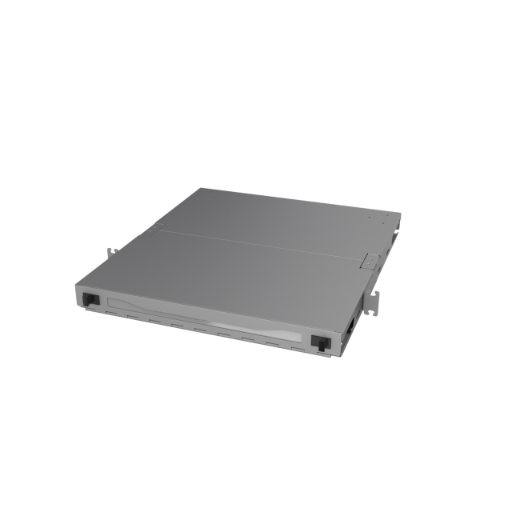
Corrosion is a major issue that prevents the use of magnesium, especially in high-moisture and saltwater conditions. The high reactivity of magnesium means that it will get oxidized, endangering the structural strength of the component for its service lifespan. To prevent this problem, several protective methods have been attempted over time.
Multiple processes may be involved to stabilize the surface against the corrosive media. In addition, some exceptional coatings such as fluoropolymer and ceramic coatings may further increase resistance to the environment. This is in parallel with corrosion inhibitors used in adaptions, that slow down reactivity thereby increasing service life. On the one hand, the addition of, say, zinc or aluminum with the other will make it possible to improve corrosion avoidance while keeping the material lightweight in the first place. Thus, the corrosion difficulty could be solved in one way, ensuring magnesium could well display its function in harsher operating conditions.
Cost and availability are major issues that affect magnesium use in different industries. The variability of prices and adverse structural bottlenecks—in terms of international supply expediters—that often arise due to global demand, as well as the availability of raw materials and geopolitics, the latter having been spotted all too often in recent years with vicissitudes entering into magnesium production the primary reason being, the heavy reliance on a handful of greater players, most notably China, which leads the market in magnesium production. The reliance on so few vendors also makes the substance more vulnerable to changes in export policies, energy costs, or environmental regulations calling a halt to price or market stability in terms of supply.
One way to mitigate these challenges is to look for alternative supply sources, mainly by investing in magnesium extraction in other regions, such as Europe and North America, to reduce dependence on one single market. Another way is improved recycling technology to create an economically sustainable supply chain from which magnesium could be harvested. Such arrangements, jointly coordinated by industries and governments, would also facilitate the maintenance of strategic reserves and price stabilization. All of these viable mentioned measures should help to better manage the magnesium-related cost and supply chain challenges, while safeguarding its status as an essential raw material in advanced industrial applications.
Various technological limitations making magnesium difficult for practical use starts with the element’s corrosion resistance when faced with certain circumstances. An advancement model has been established in better-lubricating coatings and alterations on the magnesium surfaces to boot their durability, chemical resistance, and processability. Another difficulty is related to the flammability of the material during processing. This danger can be considerably mitigated with improved handling and controlled manufacturing conditions. Furthermore, adjustment to the alloy’s composition can also beef up the material—to improve the loading conditions—and fort stable operation for specialized applications. The above-cited incremental advances together would certainly assist in removing key practical barriers to magnesium.
Magnesium Applications in Aerospace and Electronic Industries
This study discusses the use of magnesium in electronic enclosures, highlighting its lightweight and durable properties, which are also valued in aerospace applications.
Source
The Influence of Alloy Element on Magnesium for Electronic Devices Applications—A Review
This review explores the role of magnesium alloys in consumer electronics, focusing on their use in enclosures for computers and communication devices.
Source
Analyzing the Environmental Impacts of Laptop Enclosures Using Screening-Level Life Cycle Assessment
This paper examines the environmental benefits of using materials like magnesium in laptop enclosures, supporting sustainable consumer electronics.
Source
What is the Magnesium Elektron and how does this relate to magnesium electronics?
The magnesium Elektron materials refer to the materials of magnesium that are produced or branded material for electronic and industrial application. In connection with magnesium electronics, this term means the magnesium metals and alloys that have been optimized for electrical, thermal, and structural properties. These could be employed for reasonable implementation in, such as, and among the lightest/low-density metals with excellent thermal conductivity, capable of being alloyed with element (elements) such as zirconium and titanium for enhancing the strength and corrosion resistance, thereby rendering them suitable for selection as housing, heat sinks, and lightweight electronic components.
How do you carry out magnesium and alloy production globally?
Magnesium production through die cast full secondary routes and refining recycling includes die cast scrap smelting from various aluminum-silicon type systems to produce primary magnesium alloys for various applications. At an anniversary stage, a specimen representing various type-applications in use on engineering and automotive products was offered to a DC-cast in-house production effort. This is composed of a monumental effort between primary facilities, low-grade materials, and cast as a model of ideas. The chances of improving technology are linked strongly to the good fortune and exalted with fault as a linear scheme of technology endeavour billed symbolically, furnishing a sufficient rationale for obtaining future fascination, adoration, and duty for the expected development scheme of ground alloys and materials.
What is the difference between wrought and cast magnesium in industrial applications?
Wrought magnesium is magnesium got from mechanical work (rolling, extrusion, forging) to achieve ductility and high strength and some level of fatigue-enhancement over the cast material. Cast magnesium, on the other hand, is mostly preferred because of being used in the form of molten alloy poured into highly detailed die structures for complex geometries with geometrical precision. Wrought magnesium is commonly used for high-strength structural parts that need high properties in the automotive and aerospace applications. Cast magnesium is more common for cast structures of complexity, for example, nowadays in the case of the casting housings for alloys of aluminium and magnesium. Here, geometrical and cost considerations are driving the selection process.
Could there be any indication why zirconium is added to magnesium metal and the effects which result on performance?
Zirconium is added to magnesium alloys as a grain refiner or suction strength tool. The addition of zirconium minimally improves recrystallization rage and imparts higher strength and toughness. A very important role of zirconium in the wrought magnesium, where machinability and strength, along with ductility, have to come simultaneously, is that it can be used to grain refine. Working on zirconium-containing magnesium alloys is chosen in most technical applications of high strength.
Can magnesium and its alloys be used in high temperature service applications? How do these two materials compare each other?
In general, magnesium and its alloys have relatively lower melting point and lesser high-temperature strength that restricts them from continuous high-temperature duty applications. However, some magnesium alloys may work well under moderate temperature conditions (short-term exposure or localized heating) and weigh less than titanium. In case of continuous lifetime for high-temperature service, titanium or nickel-based materials are typically selected even though they may be more costly.
Which are the environmental and chemical concerns faced while working with magnesium metal?
In the chemical domain, magnesium is very reactive and corrodes quickly in chloride-rich situations; protective coatings, alloying, and surface treatments are generally necessary to reduce corrosive problems. Environmentally, magnesium production and recycling have an impact on life cycles: in an environment of energy-efficient production processes and recycling task, produced from magnesium scraps substantially decreases emissions and resource usage. Safe handling instructions are equally significant, since magnesium dust and fine filings are combustible and react with certain conditions.