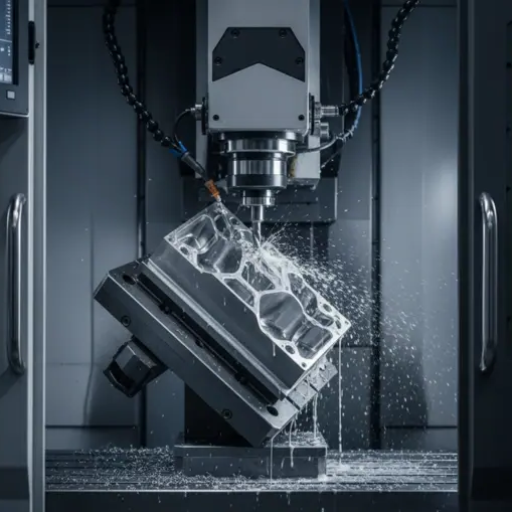
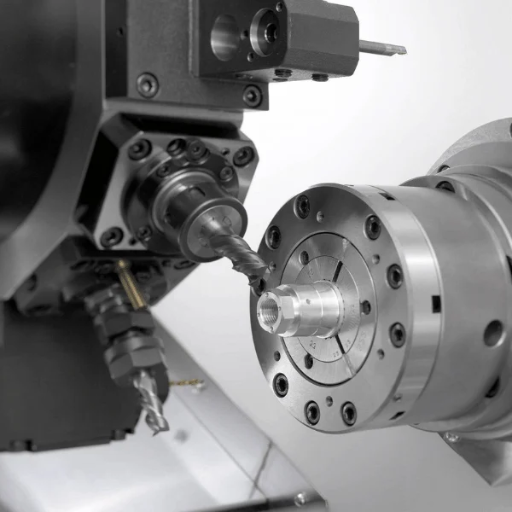
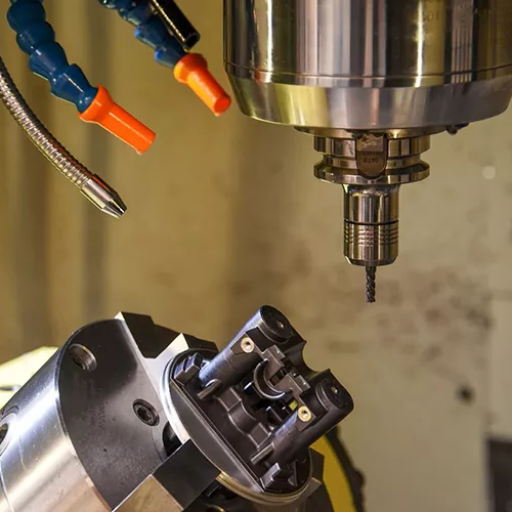
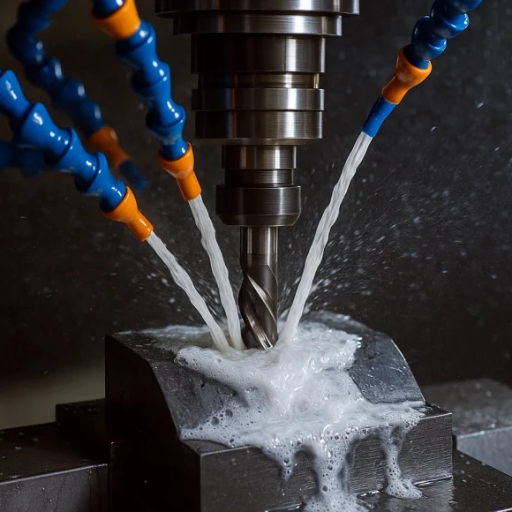
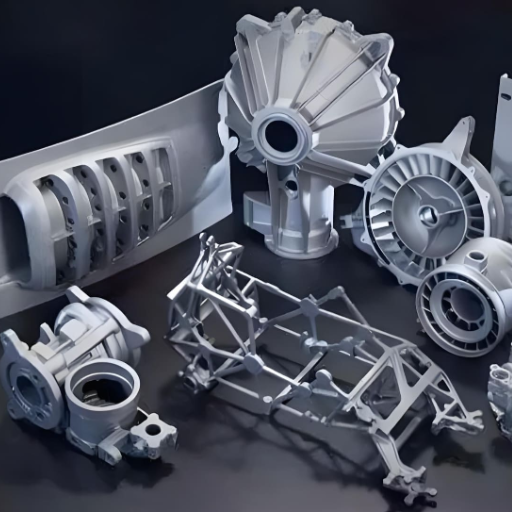
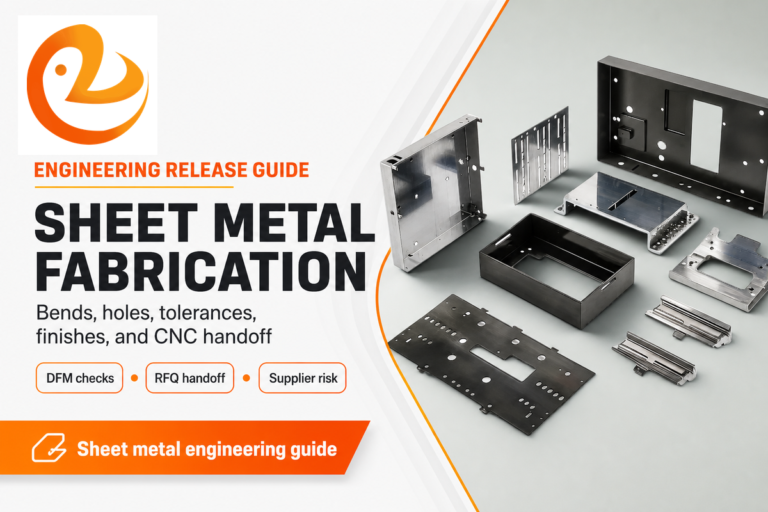
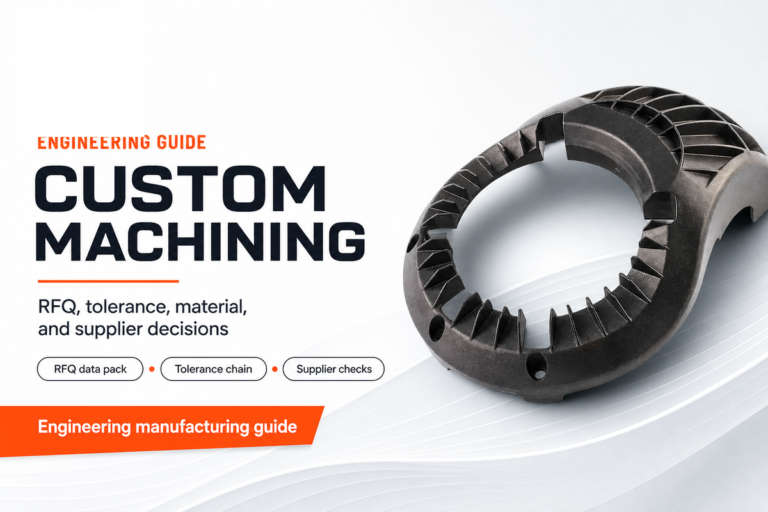
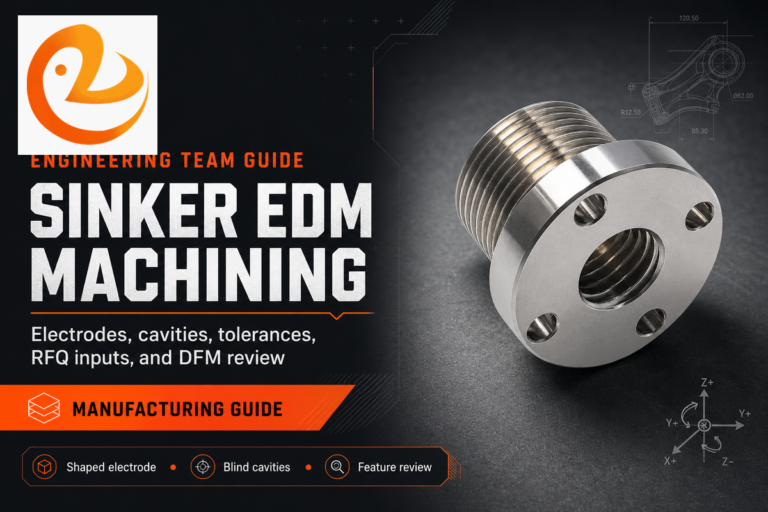
Magnesium CNC machining has gained a unique and critical space in modern-day manufacturing. Being the top-notch in lightweight design, durability, and functionality, the advantages of magnesium CNC machining are open to everyone who operates as a mechanical engineer, industrial designer, or decision-maker in manufacturing. Acquiring an in-depth knowledge of machining magnesium could therefore be of greater advantage than previously anticipated. This guide explores the best facets of magnesium CNC machining services as they are presently in high demand referring to a variety of machining techniques known for their scope of operations. It provides readers with actionable data they can use today, all the way from properties of the magnesium type to machining techniques and safety concerns. Find out why magnesium CNC machining is justified when planning to work on cutting-edge applications.
Overview of Magnesium and Its Importance in CNC Machining
Overview of Magnesium and Its Importance in CNC Machining
A lightweight, malleable, and rather machinable material, magnesium is most highly recommended in CNC machining. It is classified among the lightest of all structural metals. This provides an excellent strength-to-weight ratio that is indispensable in industries such as aerospace, automotive, electronics, and so on. Moreover, magnesium’s superior machinability reduces production time and cost, whereas its inherent dampening properties for vibration enhance product performance. Additionally, magnesium is also highly recyclable while being massively available, further contributing to its utility as a sustainable and efficient material for advanced forms of manufacturing processes.
What is Magnesium?
Industrial Profile
Symbolically, magnesium is a chemical element allocated with the atomic number 12. Being a light, silvery-white metal, magnesium finds its way as one of the tremendously abundant prime elements in substantial proportions, presumably constituting about 2% of the earth’s crust. Noted for its outstanding material design, magnesium is valued for its superior strength-to-weight ratio, and so is an essential material used in aerospace, automotive, and electronics. Quite apart from its strength, it can also be readily machined, is corrosion-resistant, and can be used to dampen vibrations.
Biological Role
Being an essential mineral for human health, magnesium is biologically essential. It plays an important role in more than 300 enzymatic reactions, influencing muscle and nerve functions, blood sugar control, and protein synthesis. Magnesium is present in foods such as leafy green vegetables, nuts, seeds, and whole grains, which, together with other beneficial nutrients, are desirable for overall well-being.
Magnesium, significant both industrially and biologically and advisable because of its paramount versatility, obviously remains highly important in both the lesser advancements of manufacturing technologies and in the critical technical professions of living organisms.
Benefits of Using Magnesium in CNC Machining
01
Lightweight Nature
Magnesium is among the lightest of structural metals, making it suitable for applications requiring a reduction in weight such as in the aerospace and automotive industries.
02
Highly Machinable
Magnesium has an excellent machinability that would allow for higher-speed cutting and less tool wear during CNC machining.
03
Strength-to-Weight Ratio
Even though magnesium is light, it gives a good strength-to-weight ratio that can work for high-performance parts.
04
Thermal Conductivity
The thermal conductivity of magnesium allows for good heat dissipation, helping in many applications, such as electronics and engine components.
05
Recyclability
Magnesium is highly recyclable, essentially leading toward present-day consciousness and its reduction in environmental weight.
Applications of Magnesium Alloy Components
Automotive Industry
Quality machinery for making automotive parts. Ranging from engine blocks to wheel rims and transmission cases, this machinery is positioned to reduce the wear-in fuel efficiency and enhance the overall performance of the cars.
Aerospace
Heavy aerospace structures on account of their exceptional strength-to-weight ratio favor the economy and payload increase so that its product might obtain approval.
Electronics
A typical application is the housings of laptops, smartphones, and cameras. This is beneficial in providing durability and efficient thermal dissipation.
Medical Devices
Biomedical grade machining is used in the fabrication of surgical instruments, implants, and prostheses. Corrosion resistance and biocompatibility are some of the key properties of the biomedical grade machining materials.
Sports Equipment
For creating lightweight and durable equipment, magnesium components are used in applications such as bicycles, tennis rackets, and high-end running shoes.
Understanding CNC Machining Services
Understanding CNC Machining Services
What is CNC Machining?
The manufacturing process executed through CNC machine removes material from a workpiece through computer-aided controls and precision machinery, based on the design fully customized requirements. This process is especially accurate and efficient and is commonly used for creating specific components in multiple industries, such as aerospace, automotive, or medical, according to intricate designs and very close tolerances.
Initially, this process is based on a digital design prepared in SolidWorks, CATIA, or any other commercial CAD software. The digital design is then converted into instructions for movements that the CNC machine then makes. Several types of operations can be performed depending on the outcome desired. The most common CNC operations are milling, turning, drilling, and grinding. Latest CNC technology advancements available are those in multi-axis machining or automation. These have furthered greater productivity and versatility while accelerating the time used for production and complexity of designs.
Benefits of CNC Machining for Magnesium Parts
→
Lightweight & Firm MaterialMagnesium has wide applications in industries like aerospace and automotive for reducing weight. The utilization of CNC machining in this case ensures a highly capable design.
→
High-Precision DrillingCNC enables precise tolerance and great accuracy, ensuring that magnesium components meet exact specifications for complex designs.
→
Cost-Effective ManufacturingContrary to manual work, CNC technology allows integration with the machining process to boost performance and reduce time spent in production; lessen the consumption of materials, and reduce labor charges, thus leading to a price-compatible solution particularly in manufacturing magnesium components.
→
Smoothness in Surface FinishCNC machining has better surface finish capabilities for magnesium parts, which is imperative for applications needing a smooth finish.
→
Customization and ComplexityCNC roughing allows for the creation of complex custom designs in lightweight magnesium components, meeting the broad spectrum of industry-specific requirements.
Key CNC Machining Capabilities for Magnesium Alloys
CNC machining bestows on magnesium alloys manifold useful capabilities, which means that they efficiently manufacture viable high-quality pieces most profitably:
1
High Precision and Compliance with Specifications CNC processes challenge the best of accuracy and precision by manufacturing parts made of magnesium, which are used by the aerospace, automobile, and medical industries.
2
Lightweight Processing Magnesium, being one of the lightest structural metals, allows CNC machines to work with it and deliver lightweight components that are strong and suitable for weight-sensitive applications.
3
Material Removal Efficiency Machinability of magnesium translates into high material removal rates. Therefore, faster material removal means faster production, a forward move for the efficient business viability for this technology.
4
Surface Treatment Compatibility In addition to producing fine surface finishes, CNC machining finds compatibility with post-machining processes, including plating or anodizing, to enhance part performance and resistance to environmental conditions.
5
Custom Complex Designs Capable of supporting intricate and highly customized designs, the uniqueness of CNC machining for the production of a few prototypes or primarily batch-produced sample parts shows its adaptability to the different needs of various industries.
Thus, the CNC machining comes forward as a very effective method for working on magnesium alloys in many sectors by virtue of their considered qualities.
Properties of Magnesium Alloys
Properties of Magnesium Alloys
Common Magnesium Alloys Used in Machining
AZ31
Renowned for its machineability, AZ31 is concurrently exploited for lightness and toughness in sections and potential structural members of aircraft.
AZ91
This alloy, suited to the automotive and electronic industry, manifests both strength and corrosion resistance.
AM60
Well acclaimed in crash resistance and ductility, AM60 is widely used for safety-related details on automotive rails and seat booms.
ZE41
ZE41 is used well in aerospace applications. It has great strength and creep resistance, implying it can be most useful in components operating under very high temperature conditions.
AZ31B vs AZ91D: A Comparison
Parameter
AZ31B
AZ91D
Composition
Lower Mg, Al
Higher Mg, Al
Strength
Moderate
High
Corrosion Resistance
Moderate
Better
Ductility
Higher
Lower
Weight
Lighter
Heavier
Applications
Structural
Automotive
Advantages of Using Magnesium Alloys in Manufacturing
Lightweight Properties: In various applications such as aerospace and automotive industries, magnesium alloys ease the load due to being the lightest among the structural metals.
High Strength-to-Weight Ratio: The magnesium alloys are known for their extreme strength-to-weight ratio, hence being famous for the utmost performance in the very light weighted parts.
Good Machinability: Machining a magnesium alloy is economical, and cost and time are curtailed as a machine in comparison to any other material.
Corrosion Resistance: Magnesium alloys can undergo different methods of treatment to do away with corrosion and thus improve their long life in any environment.
Environmental Benefits: It is both a widely found and recyclable material source, adding up as a sustainable choice in modern-day metal production.
Machining of Magnesium: Techniques and Processes
Machining of Magnesium: Techniques and Processes
High-Precision CNC Machining Techniques
High-precision CNC machining practices are crucial when working with magnesium alloys because of the unique properties possessed by the said materials. Magnesium displays very light weight, enhanced machinability, and superb damping abilities. If any application requires tight tolerances and intricate designs, magnesium is selected. To achieve the ultimate accuracies one looks for with such applications, the CNC machine is capable of producing much consistently for highly complex geometries.
There are several considerations for machining magnesium successfully and with greater preciseness. As such, the lower melting point of this material suggests the use of higher optimal cutting speeds and the right feeds to prevent the material from experiencing thermal issues. Sharper cutting tools, if they come from carbide or high-speed steel, are another way into the picture of enhancing tool life while being efficient in general. The critical point is to evacuate chips carefully, as magnesium’s chips are known for being highly flammable. In order to mitigate these risks, compressed air or special coolants may be used while, together, ensuring more placid operations.
⚠ Safety Notice
Magnesium machining processes require safety measures that must be carefully followed. It is crucial for the production of such a flammable material that the work environment is maintained clean, free of empties or chips. Fire-suppression systems and proper storage for waste of magnesium are also necessary to avoid hazards. With these measures in place and a general compliance as per the contemporary CNC precision machining guidelines, magnesium can be machined safely and effectively through great engineering applications.
Surface Finish Options for Machined Magnesium
Achieving a certain surface finish is highly crucial for both the function and look of a magnesium-machined item. Various surface finish options can be considered, depending on the application requirements:
Anodizing An important process for achieving corrosion resistance and appealing appearance. Although magnesium anodizing differs from that of aluminum, it is just as effective for developing protective coatings.
Conversion Coatings The most common chromate or non-chromate form the necessary substrate for the attachment of paints or other surface treatments, as well as improving corrosion resistance.
Painting The application of a protective paint is one of the most versatile finishes for magnesium. Protective paint blocks environmental factors and can be tailored to specific performance or visual needs.
Electroless Plating Electroless plating deposits a uniform metallic coating like nickel that would not only improve wear resistance but also provide protection from corrosion.
Polishing The polishing of components gives a perfect, smooth, and reflective surface, which is free from imperfections.
The manufacturing of magnesium machined components relies on the appropriate surface finishing process to improve their durability, corrosion resistance, and aesthetics to broaden their application in the various industries. The applied finishing process guarantees the material performs ideally in tough conditions, correlating with the design needs.
Challenges in Machining Magnesium Alloys
During magnesium alloy machining, it is exposed to some challenges due to the inherent properties to be noted on the material. One notable obstacle is a stringent practical constraint imposed by magnesium’s high reactivity, the potential of causing a flash during machining, in particular of fine chips or dust. To contain this danger, proper cooling processes and cutting fluids do not react with the magnesium. With due caution for counteractive control of cutting speeds and tool temperatures, the relatively low melting point for magnesium would likely only encourage degradation rather than fabricative efficiency. Yet another constraint posed by the softness of magnesium may be inconsistent tool-work-piece contact, resulting in mixed edge temperature settings, contamination of the cutting edge, and tool wear. However, with planning and appropriate machinery to deal with magnesium’s limitations, successful and safe machining of magnesium alloys can be undertaken.
CNC Machined Magnesium Parts: Design and Prototyping
CNC Machined Magnesium Parts: Design and Prototyping
Design Considerations for Magnesium Components
If magnesium components are to be properly designed, a handful of critical factors must be considered in order to optimize their performance, service life, and, most importantly, manufacturability. The magnitude of magnesium’s lightness and relatively low density has to be taken into consideration first here. It explains why it is best used in weight reduction in automotive and aerospace applications. However, the designer does need to be cautious about the fact that a lower stiffness of magnesium as compared to some metals might require the inclusion of reinforcements or alteration in structure to suit applications at hand.
Corrosion resistance is also a big part of magnesium design. Much processing goes in this field for magnesium alloys in the form of material treatment to improve the resistance to corrosion, but of course, the applied technical measures can only deal in generalities with environmental exposure and other bad material combinations of the worst order. Incorporation of proper coatings, anodization, or other surface treatments is extremely important for a longer life of parts. In addition, avoid direct contact with dissimilar metals causing galvanic corrosion during assembly.
Thermal properties, among other things featuring magnesium’s high thermal conduction, are also supposed to play a role within engineering design considerations. So, magnesium can be considered a perfect raw material for components needing an efficient heat dissipation mechanism like electronic enclosures or heat sinks. Machinability is last but certainly not least; designing parts with appropriate tolerances and geometry would enhance production efficiency, minimize waste generation, and reduce potential defects during the processes of computer numerical control machining. For the stated considerations, the resultant magnesium components have a very high performance-span with a low cost-benefit.
Prototyping Magnesium Parts: Best Practices
During magnesium part prototyping, a few guidelines can provide insight into what makes the best results:
1
Material Handling Magnesium should be handled cautiously. Unknowingly, the material could flare up in powder or thin shavings. Therefore, it warrants proper safety procedures and environment.
2
Techniques for Machining Adopt high-speed machining techniques employing sharp tools to minimize heat generation, lowering the possibility of spontaneous ignition. Constant cooling during machining is a must.
3
Junction Methods Fastening methods such as mechanical fastening and brazing techniques are applicable for magnesium. There are various ways for welding such material, depending on how skilled the welder is with magnesium welding techniques.
4
Finishing Appropriate protective coatings may be applied to finish the surfaces for the extended resistance to corrosion and improvement in surface toughness. Conditioning, like anodized or specific paint for magnesium, will offer other alternatives.
5
Fabrication For structural integrity and intended manufacture, users should extend radii and eliminate sharp corners and provide consistently thick walls.
Adherence to these design guidelines increases the accuracy, safety and reliability of the prototype development with magnesium components.
Case Studies of Successful Magnesium Prototypes
CASE 1
Vehicle Lightweighting
One of the premium car manufacturers successfully prototyped a certain engine component with magnesium alloy for weight reduction and structural performance enhancement. The weight saved was really staggering in percentage: from aluminum by about 30% rendering better fuel efficiencies and lower emissions.
CASE 2
Medical Equipment
Main applications include orthopedic biodegradable implants. The prototypes in the application demonstrated biocompatibility and degrade within the body without problems, without the need for surgical removal after healing.
CASE 3
Aerospace Applications
The aerospace company developed a magnesium prototype for an aircraft seat frame, which allowed for a 20% reduction in weight and passed stringent safety and maximum durability requirements in the commercial airliner field.
Frequently Asked Questions
Magnesium CNC Machining Services
Q.01
What does magnesium machining specifically refer to and how is it better than aluminum and other alternatives?
Magnesium machining takes into consideration CNC machining procedures meant predominantly for magnesium and its alloys. These procedures often involve highly developed CNC vertical machining centers, typically multi-axis CNC and 5-axis CNC. Comparing that with aluminum alloy and magnesium alloy or iron alloy, it must be determined at the start: magnesium is a metal with higher specific strength, structural stiffness and low-density, suitable criteria for producing light structures in space, automotive industry or electronics. Magnesium exhibits good corrosion resistance in some alloys, and the high level of precision in the parts may be achieved in the case when the right machining strategy and processing control are used.
Q.02
Which method is best for finishing magnesium after the final step has been taken?
The acid etching process is controlled, and as such, it is regarded as a green process in that it is becoming more widely accepted. In essence, its ill health and safety reputation define the typical very nasty way in which the techniques are applied. No treatment such as poorly controlled process introduces enormous surface contamination or chemicals in the form of tile proceeds for the deactivation of chemical apparatus, for example, respirators.
Q.03
How does CNC machining of magnesium alloys allow for components with complex geometries and high-precision parts?
5-axis CNC machining of magnesium alloys offers advanced production of intricate geometric components, in that, apart from manipulation of five axes, one has complete control of multi-axis CNC tool paths. Subsequently, high machining efficiency, short operational durations and tighter tolerances for industrially known, thermomechanically resistant forms are attained. Process control, tool selection, and their application to dedicated magnesium schools are the most important components for consistent result reproduction.
Q.04
Do pure magnesium materials have special concerns regarding safety and process during machining?
It is required to have dust and chip control in place for the machining of pure magnesium and some magnesium alloys, since they can also combust in the form of ultrafine particles. Dust and chip control are essential to have in place during the machining of pure magnesium. An on-site Class D fire extinguisher should be made available in these cases. Machining service providers must also provide the relevant support with the right types of tools and stringent process management and machining techniques to minimize any opportunity for ignition; quality assurance and traceability ensure both its safe use during manufacturing and proper handling from start to finish.
Q.05
What kind of machining materials and equipment are generally employed in efficient magnesium CNC machining services?
Efficient magnesium CNC machining services apply suitable machining materials, such as selected magnesium alloys for machinability, carbide tools, cooling systems and multi-axis CNC machining centers, or 5-axis CNC platforms are used for complex shapes. Advanced CNC controls, optimized feeds, and speeds to machine parts faster, and control of process systems are in place to ensure repeatable precision. Suppliers implement quality checks for traceability to guarantee that customization of precision magnesium parts meet the requirements stated on the drawings.
Q.06
Which industry might benefit the most by using CNC machining of magnesium parts? And why would a person select CNC machining for these parts?
The use of CNC machined magnesium in various industries such as aerospace, automotive, electronics, and sporting goods depends on the fact that magnesium is known for its thermal and hydrostatic properties and strength-to-weight ratio. The use of CNC machining helps the production of magnesium components whose geometry is quite complex, allowing for precision designed parts made to tight tolerances. When it comes to intricate surface finishes, inaccuracies are compensated for. Coupled with substantial CNC machining cutting allowance with repeatable accuracy, it renders magnesium machining competitive, efficient, and a targeted performance application for both the precision-driven and size-intensive industries.
Reference Sources
Magnesium Alloy Machining and Its Methodology: A Systematic Review and Analyses
This review provides a comprehensive analysis of machining methodologies for magnesium alloys, focusing on surface finish and roughness. Source
Efficient Optimization of Machining Processes Based on Technical Specifications for Surface Roughness: Application to Magnesium Pieces in the Aerospace Industry
This study explores the optimization of machining processes for magnesium alloys, particularly in aerospace applications, emphasizing surface roughness and cutting speed. Source
Optimizing Sustainable Machining for Magnesium Alloys: A Comparative Study of GRA and TOPSIS
This paper compares different optimization techniques for sustainable machining of magnesium alloys, focusing on milling operations. Source
Sustainable Machining of the Magnesium Alloy Materials in the CNC Lathe Machine and Optimization of the Cutting Conditions
This study explores sustainable machining practices for magnesium alloys, focusing on optimizing cutting conditions for CNC machining. Source