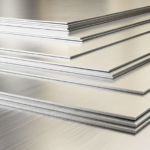


Supportive, Professional, Client-Focused Service
From prototypes to full-scale production, we’ve got you covered.


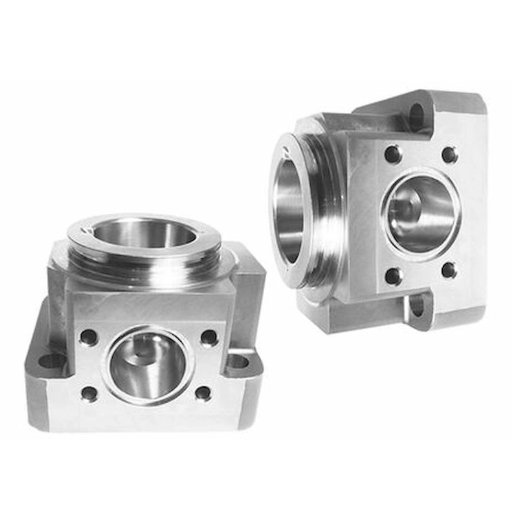
Stainless steel CNC parts not only well endure the rigours of precision engineering but also find applications in less demanding areas like medical devices. But the manufacturing of such components requires a designer with foresight to come up with for the future cutting costs, losing quality and at the same time getting high quality results. This post reveals the guiding rules and the optimal methods for the production of stainless steel CNC parts that are fit for the market without losing their quality or functionality. No matter if you are an engineer, designer, or production manager, you will get good information about the choice of material, machining methods, and design factors that can help you save on manufacturing and still have top quality products. Read the entire article to see how new design methods can create a huge impact on your forthcoming project.
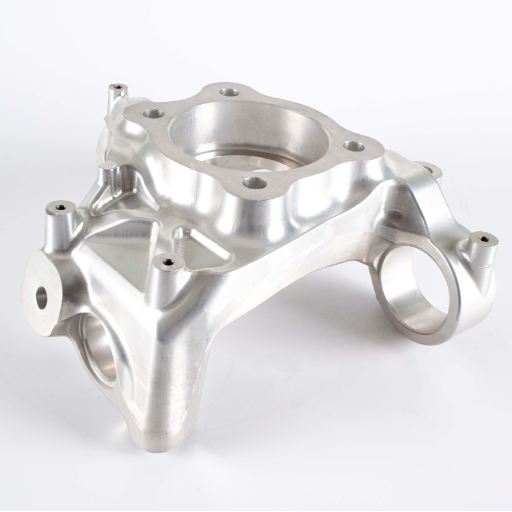
Design for Manufacturability (DfM) is an engineering technique which is very important and this approach DfM considers manufacturing for product design and hence it reduces the costs, improves the quality, and simplifies the manufacturing process. DfM takes manufacturability into account very early in the design to minimize possible production problems and secure the efficient use of materials, tools, and time. It is also called the design and production bridge, fostering collaboration among teams to achieve the best results.
The main principle of DfM is to simplify designs to remove unnecessary complexity. This is done through the lessening of parts, the standardization of components, and the assurance that manufacturing methods used are compatible. Simplified designs not only lead to a decrease in production costs but also contribute to the reliability of the product because of the fewer points of failure in the final product. When it comes to stainless steel especially, factors such as the thickness of the material, the machining methods, and the welding compatibility are taken into account to smoothen the manufacturing process and at the same time ensuring that the end product is of good quality and resistant to rust.
Dfm also looks out for processes and materials that are both cost-effective and performance-enhancing. In the case of the stainless steel, it can be selecting the right alloy that suits the application and is also easy to machine or fabricate. In addition, using tolerances that can be done with the present equipment saves on expensive reworking. The designers work on matching the product specifications with the manufacturing technology so that the production is both quick and quality is not compromised at all.
In the realm of metal fabrication, Design for Manufacturing (DfM) is an indispensable factor as it guarantees the manufacturing of a product that is both efficient and cost-effective. The use of DfM as a design tool allows for the consideration of the manufacturing process’s constraints and capabilities, thus shortening the production time, cutting down the costs, and eliminating the possibility of issues arising during the processing of the metal. The entire process is smoother, and the number of necessary redesigns and production adjustments is considerably fewer when this proactive approach is taken.
One of the main benefits of DfM coming into operation is the better utilization of materials and the decrease of waste. To illustrate, by selecting materials that are both accessible and simple to process, designers are able to effectively reduce scrap and improve overall material costs. Moreover, the creation of parts with uncomplicated shapes and fewer constituents can speed up the manufacturing process and at the same time be less subject to mistakes, thereby increasing the reliability and uniformity of the product.
Moreover, the DfM practice results in the most significant advantage of improved contact between design and manufacturing groups. These teams are capable of putting together practical solutions that take aesthetics, functionality, and production requirements simultaneously when they collaborate. This synergy not only guarantees the final outcome fulfilling performance criteria but also being economically and timely producible. Therefore, DfM is an important element of the metal fabrication sector as it leads to high product quality and customer satisfaction.
The application of Design for Manufacturability (DfM) principles in the stainless steel projects must be done while considering the most significant factors that will guarantee the highest productivity and quality levels with the least costs and production problems. The following main principles should be regarded for the successful stainless steel fabrication:
Choosing the correct grade of stainless steel is very important. Properties like corrosion resistance, heat resistance, and ultimate tensile strength should all match the application of the steel. This not only secures a long life but also makes it a cost-effective solution. Furthermore, the ease of machining the material should also be a point when considering the manufacturing.
A simpler design will lead to fewer production difficulties and, consequently, fewer mistakes. Where possible, go for the same thickness throughout the part and eliminate intricate features that might require special tools or lengthy machining time. Besides, wastage and production costs will be lower if the design is simpler.
Welding is one of the steps most frequently encountered in stainless steel fabrication, hence the design should allow for thermal expansion to avoid the distortion of the parts. Using standard weld joints and providing accessibility for the welding equipment are ways to ensure the strength of the structure and keep the costs down. Careful design will also lead to less rework and better quality control.
The application of these DfM principles to stainless steel projects not only enhances the manufacturing process but also leads to greater quality, budgetary and time constraints.

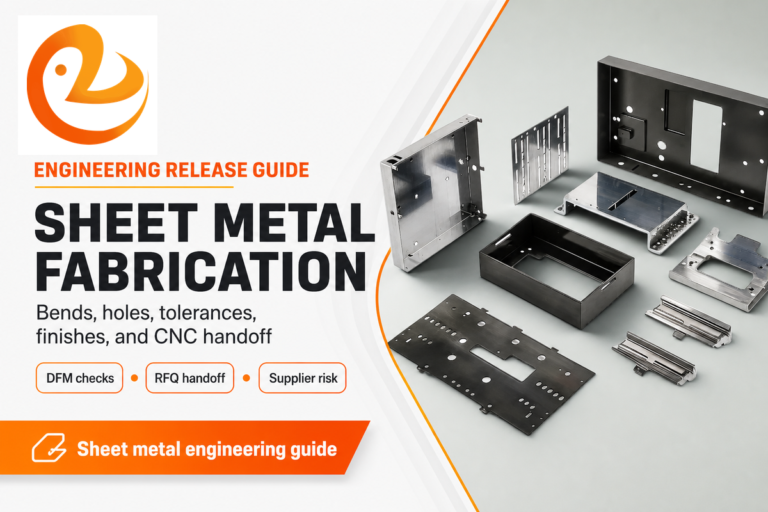
The efficient design of sheet metals mainly depends on good understanding of the properties and limitations of the material. Material thickness is one of the primary considerations since it directly affects the strength, weight, and formability of the part. A designer should select a thickness that is appropriate for the application in terms of cost, functionality and no over-engineering of the part. It is also very important to stick to standard sheet metal gauges in order to make the mfg. process cheaper and easier to access.
Another issue that is of great importance is design simplification. Cut down on the complexity and avoid it by making parts with fewer bends, cuts, and features. The simple designs will not only reduce the time and costs of the entire fabrication process but also minimize the mechanical failures risk. Moreover, the bends and cutouts being spaced properly will not only prevent deformities but also guarantee the part’s structural integrity. For example, if a consistent bend radius is kept that is equal to the material thickness, then the component will be able to be produced with the same quality and have the same yield as before.
In the end, the manufacturability should be considered first. The addition of elements such as standard hole sizes and correct fastener spacing which contribute to production efficiency would be a wise decision. Through the use of CAD simulations, potential issues during the manufacturing process such as interference or areas of stress concentration can be anticipated. Good planning and communication with the manufacturer at the outset of the design process can result in the final product not only meeting the quality and performance standards but also being within budget and delivered on time. Following these principles, designers would be able to manufacture sheet metal parts that are both efficient and economical.
Bending stainless steel is a process with certain difficulties owing to the metal’s very high strength and stiffness characteristics as compared to others. Making it impossible for the bending tool to its desired angle is the main issue encountered with this material. When stringback is the cause, one can either over-bend the slab slightly or use precision tools for the process that will grant better control.
The other specific point is the grade and thickness of the material. Various stainless steel grades have diverse properties that determine their bending techniques; among them are austenitic and ferritic types. Further, thick sheets need more force and advanced equipment to perform a clean and precise bend without cracking or damaging the surface. Awareness of these factors helps in carrying out the process rapidly and in a professional manner.
Lastly, tooling and preparation are steps that if done right will produce good results. Employing tools that are made for stainless steel, will not only quicken the bending process but also will be less damaging for the equipment over time. Besides, it is highly important to keep the surface clean and free from scratches, particularly in cases where appearance counts. The application of barrier layers or making sure that the tools are clean from any sludge can help in keeping the surface of the material untouched during the process.
The optimization of hole placement is a key factor in attaining maximum production efficiency, ensuring proper structure, and cutting material costs. With the right placement of holes, not only can waste be reduced but also the whole production process of the final product can be made easier and quicker. The position must be aligned with the design goals while still taking the limitations of the chosen technique into account.
To achieve this, that several factors including spacing, diameter, and angle must be computed accurately. The holes must be distanced enough to not compromise the material’s strength and also to not cause any drawbacks in the structure, especially in heavy load designs. The holes must be big enough for the planned application but small enough for the fabrication tools, as both over-sized and under-sized holes can create difficulties during the joining operations. The angle of the hole is very crucial too; if possible, having the holes along the grain direction of the material can help lower stresses and prolong the product’s life.
The computer-aided design (CAD) software can come to use here to conduct tests and visualize the effects of holes placement on the overall design before the production stage. Prototyping and simulations can also be performed to prove the effectiveness of the placement, guaranteeing that the design meets both functional and manufacturing needs. By taking these factors into account, manufacturers can have a double benefit of improved product quality and production efficiency.
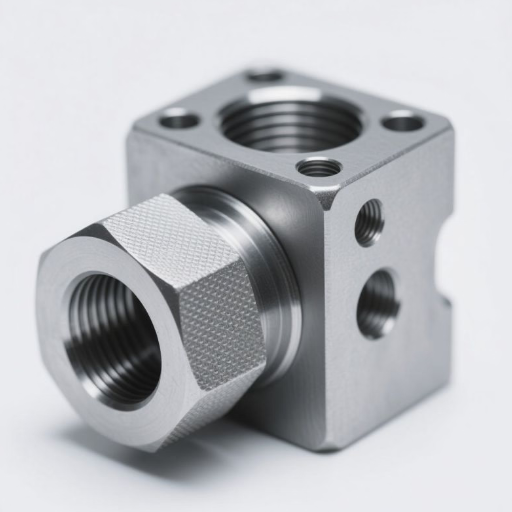
Manufacturing costs’ reduction requires the careful planning and the implementation of efficient strategies. One of the most effective ways is to speed up the design process by the use of DfM. DfM involves the simplification of the product design, the use of standardized components, and the reduction of overly complex characteristics thus decreasing the time and material waste of production. Besides, concentrating on modular designs permits simpler assembly and maintenance, additional savings on costs.
Another pivotal strategy is to improve the management of the supply chain. Better pricing negotiations, buying materials locally and combining shipments are methods of suppliers that can significantly result in cost savings. The application of predictive analytics for demand and inventory thus reducing the cost of carrying and the amount of waste are among the ways manufacturers can benefit from.
Finally, putting money into automation and the training of personnel can be a source of cost savings in the long run. Repetitive task automation leads to precision improvement, production speeding, and therefore fewer errors and increased output. On the other hand, the employees who are properly trained can skillfully operate the machines and be flexible with the new technologies. The application of these strategies not only ensures product quality but also the profitability of the manufacturers is sustainable.
The use of advanced manufacturing technology is a new approach that comes with a variety of benefits which directly influence product quality and production processes. The application of automation, data analytics, and precision engineering are among the major technologies that improve production efficiency, throughput, and scale greatly. An example of this is the automated systems which shorten the time needed for doing the same task over and over again, thus allowing human beings’ minds to engage in more strategic and creative functions. Also, the output is more accurate and this adds to the upholding of product quality and lowering of material loss simultaneously.
One of the most important advantages that come along with advanced manufacturing technology is its ability to make a better use of resources. The use of real-time data monitoring systems helps the manufacturers to get the full picture of the situation, spot the inefficient parts and take the necessary actions by the time they become critical. The continuous monitoring saves the costs that could be incurred through inefficient power, materials, and labor use. In addition, the use of such technologies is sometimes accompanied by product customization; thereby, the requirements of the individual consumer can be met without any loss of efficiency.
The last, but not least, impact of the adoption of advanced manufacturing technology is that it can bring the company a step ahead of its competitors by making innovation and eco-friendly practices part of the company’s DNA. Ongoing development turns the manufacturers into explorers of the new materials and processes that have a smaller footprint on the environment but are still in line with the industry standards. Over the years, these innovations will not only bring down the costs but also create a brand that is considered trustworthy and responsible; such traits are vital for sustaining one’s position in a competitive market through the longevity of success.
Among the different methods of cutting down costs in stainless steel manufacturing, one of the most important is the optimization of material usage. A perfect example is the manufacturers who started using laser cutting and other precision cutting technologies to quickly cut silk and hence reduce the amount of waste. With the help of these modern methods, the metalworkers can efficient use of materials, often leading to savings in scrap rates to a large extent. Moreover using the standard sizes of stainless steel sheets or the components that have been specially designed for them not only lowers the material cost but also the fabrication time.
The production of stainless steel is highly costly and energy consumption is one of the major factors contributing to this. One scenario that might be presented is the switch to energy-efficient systems, such as induction heating, or advanced welding techniques which can tremendously decrease power consumption. Automated welding, for instance, would not only be precise but would also reduce post-weld corrections and hence save time and resources. Producers who adopt such energy-efficient methods will eventually receive quality products in return for their operating cost savings.
One more very powerful option to go for in stainless steel fabrication cost cutting is better to cooperate with the whole supply chain. An interesting case study speaks about the manufacturers who very closely collaborated with the suppliers to get the bulk purchasing discounts, facilitate the movement of materials so that the delivery happens just in time, and above all, the quality of raw materials is maintained. The collaboration model that is formed in this manner will not only reduce the waiting times but also will cut down any unexpected delays which are very often costly in such large-scale projects. Besides partnerships, this will also lead to innovation in the areas of sourcing and material substitution which will further cut down the costs without affecting the quality of the output.
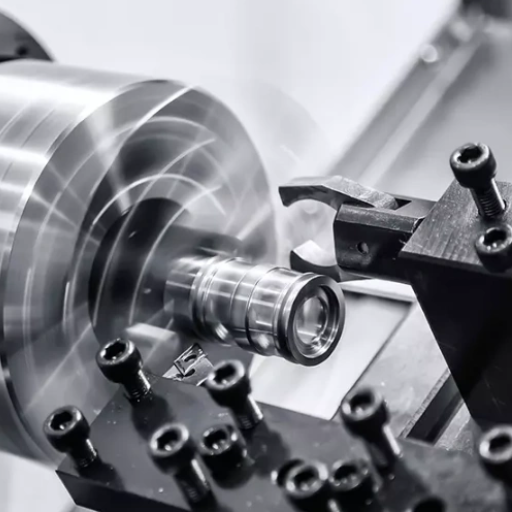
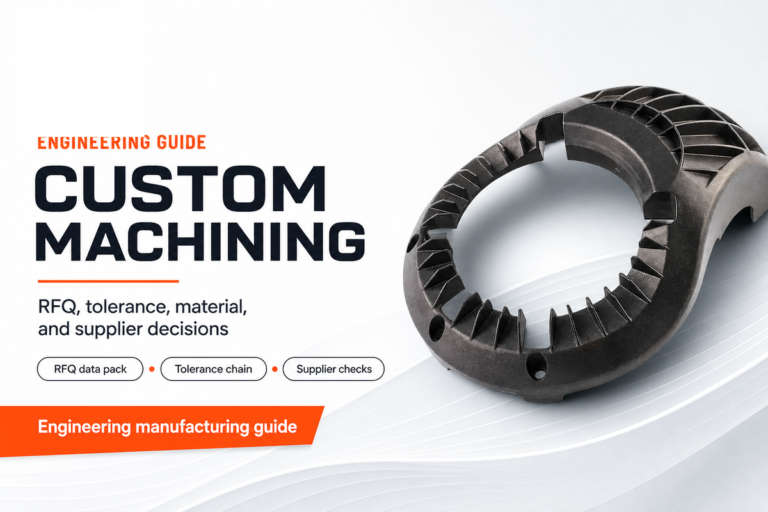
Innovative CNC (computer numerical control) machining methods over the years have made the production of precision parts much better, and faster, and with higher quality. With the use of advanced programming and automation, CNC systems can reach extremely tight tolerances which means that every single component will be produced with the same quality as others. One of the major techniques is that multi-axis machining is done which enables to achieve the complex geometries in one go thereby cutting down the production time and increasing the efficiency.
Another one in the CNC machining list is the use of real-time monitoring and feedback systems. The machines can be set to correct the errors during the production process thus they really do the job of error minimizing and improving the overall accuracy. And the combination of these systems with tool paths that can adapt allows the manufacturers handle the intricate designs while at the same time keeping the high-quality standards. This level of precision is not only going to be with a given industry but during the whole manufacturing process among such industries as aerospace, automotive, and medical.
In addition to that, the constant progress in the field of materials and tooling has brought-new heights to the CNC machining capabilities. Tools made of carbide or those that have been coated with special materials are examples of high-performance cutting tools that not only guarantee but also provide these features, especially when dealing with hard materials like stainless steel. One way to enhance the machining strategies is by using high-speed machining that is one of the ways to increase efficiency and reduce tool wear, thus making the production process eco-friendly and economical without quality being compromised. These methods when effectively implemented modernize the limits of precision parts production.
When working with stainless steel parts, it is a must to be very precise and to handle the materials with care in order to keep the qualities of the material and the strength of the final product. One of the main practices is to make use of clean tools and work spaces to prevent contamination which is to be avoided at all costs. Stainless steel has very good corrosion resistance, but the presence of iron particles, one of the worst forms of contamination, can so easily break the oxide layer, the stainless steel’s protective layer, thereby leading to corrosion in the long run. Always use either of the two methods to ensure tools are clean and compatible with the composition of the components that are being worked with.
The other major practice is the use of appropriate fasteners and joining methods. Steel components might go through temperature-induced expansion and shrinkage, therefore it becomes very important to select fasteners that correspond to the type of steel being assembled at that moment. For one, welding would require very precise control of the heat input so as not to distort or weaken the metal. In fact, using the right filler materials while welding is important to not only match the composition of the stainless steel but also to prevent one of the steps in the corrosion process, which is that of galvanic corrosion, steel being stronger and thus prevailing.
Once the assembling is done, a complete cycle of inspections and protective measures should be implemented as the last step. The thorough inspection will assure that all parts are in their correct position, there are no defects, and they are properly secured. Stainless steel assemblies can be made even more corrosion resistant by applying coatings or passivation treatments. Guaranteeing the durability and reliability of stainless steel items through the adoption of these best practices, in addition, makes them safe for use in even the most challenging applications.

In the stainless steel manufacturing process, Design for Manufacturability (DfM) focuses on the creation of designs that have the manufacturing process as one of their main goals, thus making cost, safety, and performance conditions Knowledge of stainless steel’s properties, like itscorrosion resistance and durability, is imperative to getting good results. When such considerations are made in the designing stage, the output would be that of quality assemblies that not only functionally but also safely meet the requirements.
The manufacturer has done a good job by introducing those best practices that are suggested by the industry. Having, for instance, detailed checks and making use of protective treatments like coatings and passivation, the manufacturer could be said to have done a great job at enhancing the overall dependability of the stainless steel product. These measures will not only reduce the possible problems like corrosion or mechanical failure but also help in the sustainability of the product in the long run. By applying these methods, manufacturers can additionally reinforce product performance especially in cases where the stainless steel is placed in difficult environment conditions.
The future seems to be the time for the technologies that are going to be very helpful in DfM for Stainless steel. These would include among others, advanced modeling tools and automation. The continuous development and changes in the technologies will create a great opportunity for manufacturers to bring down the costs related to the materials and the production process as they are going to be able to get the right amount of materials and the most accurate production process. The adoption of such technologies will probably change the criteria of efficiency and efficacy in stainless steel production that lead to more environmentally friendly and larger-scaled practices.
The integration of robot and automation technology in metal fabrication will lead to more sophisticated and complex processes which will eventually result in less human error and improved production rates. Automated systems will be able to perform detailed high-precision tasks like welding, cutting, and assembly. Higher safety standards will be established as a result of the metal fabrication process barriers, e.g. reduced direct worker contact with the machines and at the same time improved product consistency.
Sustainability in metal fabrication is becoming very fast the main concern of the industry. It is in the future that one will witness the more effective recycling process and the wide-scale introduction of the eco-friendly technologies in metal production. Renewable sources of energy will absorb most of the power in metal production. Moreover, the development of new methods for reducing waste will be the main determinants in making the process environmentally friendly. The use of ultra-light and super-strong alloys is, on the other hand, going to lead to the least material consumption and consequently a lesser burden from the transportation and construction sectors in terms of emissions produced.
The digital technologies such as Artificial Intelligence and Internet of Things are coming to the forefront and they will eventually dominate the metal fabrication industry. Machines connected by IoT will allow for monitoring and maintenance that predict the need for service and less downtime will mean the operations are more efficient. AI-based solutions will likely make design and production faster by evaluating enormous amounts of data and fine-tuning workflows. All these technologies working together will make it easy for manufacturers to move into an era of smart manufacturing where they will be able to use even more adapted and precise methods of fabrication.
A: The term DfM stainless steel refers to sheet metal parts made of stainless steel through the application of DfM principles. DfM is that process of making sheet metal parts manufacturable, cost-effective and dependable by considering material thickness, bend radii, manufacturability, and assembly capabilities and involving manufacturing early in the design stage during product development.
A: Based on material and machine tools, specify consistent bend radii to minimize springback; in addition, reliefs should be included and holes or features kept away from edges and close to a bend only when distance from bends is adequate. Adhering to dfm guidelines like clearance in bend area, allowance for bending, and consideration of ductile materials or softer metals, assists in the avoidance of cracks and streamlines manufacturing operations.
A: Reduce parts through integration, self-locating assembly design, tolerance minimization where not needed, radii and hole placement standardization, and common materials selection. Punch, CNC, and standard machine tool optimization reduces machining time and secondary processing such as finishing, thereby lowering manufacturing cost and increasing production speed.
A: The production capabilities—including press brake tonnage, punch tooling type, CNC laser cutting, and welding—set the limits of what can be manufactured. The design for manufacturability has to align with the selected machine shop’s machines, tooling, and manufacturing process to prevent complex geometries from being developed that will require expensive secondary operations or custom tools.
A: Common issues that affect the manufacturability of stainless steel sheets are high springback, tight spots that fracture the material, hard to reach welding spots and rough surfaces. DfM rules offer specifications for the use of larger bends, provision for the relief of stress, selection of adequate material thickness, preparation for painting or other surface treatment, making features easy to assemble and weld.
A: In certain instances a CNC machined part, with its precision tolerances, complex 3D shapes, or harsh service conditions, is the only option that allows for subtractive machining. Nevertheless, flat parts, enclosures, or assemblies in which bending, punching, and welding are necessary, are more economical through sheet metal fabrication. Weigh the factors of manufacturing cost, number of parts, material such as stainless steel, and the design to determine the most suitable production method.
A: Incorporate self-locating characteristics, standardized holes for fasteners, radii that are common, and parts that can nest to achieve an efficient assembly. Processing of secondary products should be minimized by manufacturing with surface finishes that can be marketed, providing the right amount of powder coating in the right place and selecting the materials and tolerances that do not require the expensive operations of grinding or a rework.
A: Start off with good design: recognize the most important functional requirements and only apply tight tolerances where necessary. Employ customary sheet metal design practices, alter the thickness of the material and the radii in accordance with the manufacturing technology, and consult with suppliers or the machine shop early. Following dfm principles enables you to fulfill essential functions while keeping the cost of manufacturing low and parts easily produced.
EML2322L Design for Manufacturing & Assembly Tips (University of Florida)
This document provides insights into reducing manufacturing costs through DfM by understanding various manufacturing processes.
Introduction to Design For Manufacture (University of Illinois)
A comprehensive guide on DfM, focusing on cost analysis and exploring alternative designs during product development.
Developing a Design for Manufacturing Handbook (North Dakota State University)
This handbook discusses DfM and DFA approaches, emphasizing their role in concurrent engineering and manufacturing efficiency.