

Supportive, Professional, Client-Focused Service
From prototypes to full-scale production, we’ve got you covered.


It is said that in manufacturing and design the details are of utmost importance if one is to achieve effective results. One of these details that too often is ignored is the internal corner radii and their effect on the tool access during the machining operation. These considerations do not only impact the part’s production feasibility but also its life span, price, and overall quality. The current post is going to explore the immensely important function of internal corner radii in design and manufacturing, revealing the main points for optimizing tool access without sacrificing the integrity of the structure. If you are an experienced engineer or a designer who is just starting out, you will be able to gain hands-on insights from this article that will help you to raise the precision of your design and the efficiency of your production.
Internal corner radii denote the smooth rounded edges that form the meeting point of two surfaces inside a part. Their significance is however more than just aesthetic as they are actually a necessary part in design and manufacturing since they facilitate access for the tools in machining, lower stress concentration, and finally, enhance the strength of the part. The imposing problem of sharp internal corners thus leads to the production’s difficulties and the structure’s possible weakness, thus the radii dictation to be incorporated accordingly greatly reduces these risks. Designers will have to check if the radii are in line with the tools and processes being used to have functional and manufacturable products with optimal results.
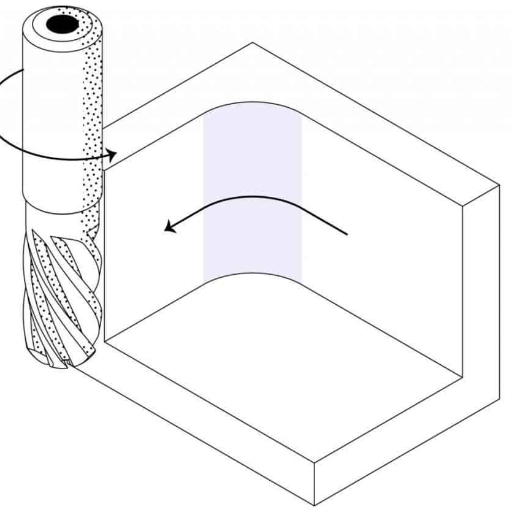
Internal corner radii are the distances or arcs used to create a smooth transition or round off the corners where two interior surfaces of a part or a design meet. The sharp angle is avoided and instead, the corners are rounded off to a radius that gives a smooth transition of the surfaces that meet. This is done most commonly by the application of a certain arc or curve during the design stage. Internal corner radii are very important in engineering and manufacturing because they help in even spreading of the stresses, giving a lesser chance of the material breaking, and thus making the part more durable overall. Also, they take into account the physical restrictions of the machining tools used, for example, end mills that have a fixed cutting diameter and cannot make an infinitely sharp internal corner. Thus, by making internal corner radii the way they do engineers are able to maintain the functional performance while easing the workflow and extending the life of the tool.
CNC machining requires the use of proper corner radii, which significantly influence the process and the outcome of the parts made, both in terms of manufacturability and functionality. Manufacturers can greatly reduce tool wear, increase machining efficiency, and get better surface finishes by adopting appropriate radii. On top of that, raising the internal corners make them less deep, which means the risk of stress concentration is lower and thus the parts are less likely to crack or fail under load. In addition, larger radii result in fast cutting speeds and diminish the chance of tool breakage since the mechanical stresses on the machining tools are lower. The correct corner radii are a must if one wants to achieve a perfect balance among strong structures, low production costs, and long tool life, which would then result in high-quality and economical components.
Sharp internal corners in machined parts come with a lot of challenges. First, they act as stress raisers and hence make it very likely that the material will fail under the load. This is unavoidably leading to cracks, short fatigue life, and weak structure. Second, making very sharp corners is not only difficult but also inefficient as it costs more to wear the cutting tool and increases the risk of breakage. Thus, the cost of manufacturing goes up in terms of slower machining times, frequent tool changes, and extra finishing work. Lastly, the engineering materials show less lifetime especially metals, when they have sharp corners since the stresses are concentrated at those points. All these reasons make it necessary to have proper fillets or rounded corners incorporated in the design taking it as a step to improve parts reliability, increase machining efficiency, and thus reduce overall production costs.
Use Adequate Fillet Radii: Make sure that the internal corners have enough radius to reduce the stress that collects there and also to make the material last longer. A common recommendation is to have a fillet radius that is not less than one-third of the thickness of the wall.
Consider Manufacturing Limitations: Manufacturing processes should be applied to the corner design in order to minimize tool wear and increase machined part or production process efficiency.
Avoid Sharp Edges: Edges should be rounded instead of sharp to strengthen the part, cut the time for production and failure might be avoided at the same time.
Balance Functionality and Cost: It is advisable to consider the designs which will give the highest part performance and still have a reasonable cost of production due to the simplicity of the design.
When you implement these practices, you are assured of internal corners that have better strength, are easier to produce and also more economical.
Minimum Radius Size: Keep a minimal radius of at least a third of the thickness of the part in order not to have stress concentrations and the proper flow of the material during manufacturing to be ensured.
Tool Compatibility: It is necessary for the selected radius size to be compatible with the standard tools in order to keep the production process smooth and, thus, the costs to be reduced.
Consistent Radii: Apply the same radii consistently across the design as this will simplify the manufacturing process and at the same time increase the structural integrity.
Material Type: Take into account the material properties like hardness and flexibility since different materials may need different radius dimensions so as to prevent cracking or deformation.
Following these rules, internal corners sections will get the benefits of improved performance, better manufacturability, and extended life.
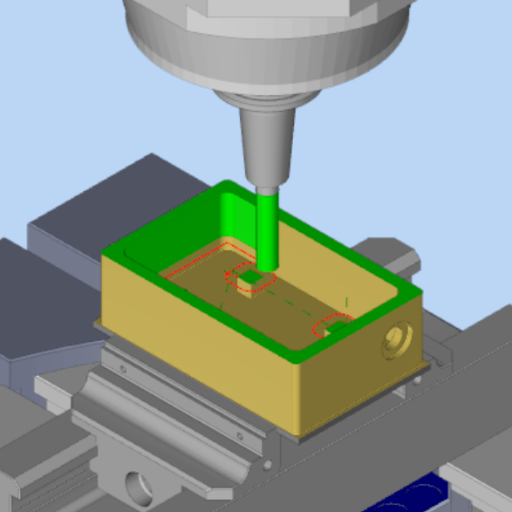
The question that comes up most often when the internal corner radii are optimized for CNC machining is, “What would be the most effective and radius size to get both precise and cost-efficient cutting?” The most suitable radius size is influenced by several factors like the cutting tool diameter, the material and the finish type. In general, large radii are the ones that the majority of applications choose because they support the use of standard tool diameters, shorten machining time, and lower the wear of the tool, which in the end, results in cheaper production. For example, 3-6 mm radius is the common size range for many industrial applications because it permits to get the right mix between manufacture and part performance. However, not only will smaller radii be needed in the case of intricate designs or tight tolerances, but they will also lead to increased machining complexity and cost. Besides, modern CNC software coupled with tools optimized for specific materials can effectively help in determining the most appropriate radius size that guarantees precision and thus reducing unnecessary costs.
The proper radius dimension is determined by the specific needs of the application. Generally, a large radius is used to reduce stress concentration and improve the life of the part. Smaller radii, on the contrary, can eliminate the possibility of inaccuracies in detailed features; however, they can also bring about increased manufacturing challenges and thus, costs. To get the best solution, consider the material, functional requirements, and dimensional tolerances. If applicable, refer to industry standards or collaborate with production experts to arrive at a radius size that suits both performance and cost efficiency perfectly.
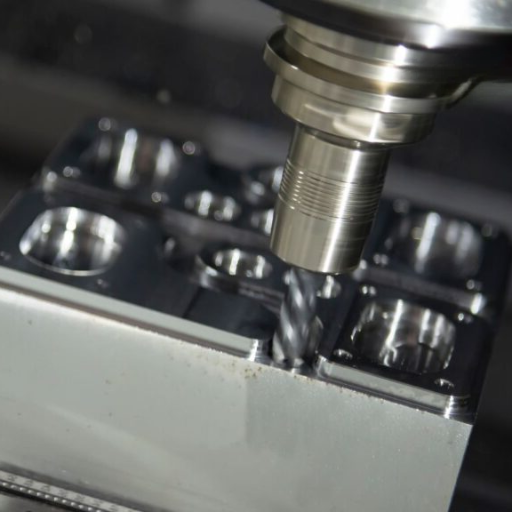
The access of the tool is a very important factor in the process of defining the internal corner radii, since it has a direct impact on the manufacturability of a design. The lack of access to the tools might end up producing machining limitations, soaring costs, or requiring the use of specialized tools. Normally, when the corner radii are larger, it is easier for the standard cutting tools to work on them, thus making the operations smoother and reducing the wear of the equipment. On the other hand, the tighter corners will usually necessitate the use of smaller and less sturdy tools which will, in turn, result in longer machining time and greater chances of tool breakage. In order to facilitate tool access, the designers should not only consider the radii that would coincide with the tooling that is most common and the capabilities of the machining, but they should also aim for a balance between the design intent, cost, and manufacturability.
The choice of tool size is an important factor in corner machining determining the whole process quality and efficiency. When it comes to machining with large radii, the bigger tools are almost always the first choice. They can easily make the process more stable and fast in terms of materials reduction. However, if the radius is small or there is a need for a complex design then the use of small tools is a must in order to preserve accuracy and not go beyond the limits of material removal. The machinists are always in search of the most efficient methods to combine tool size and cutting speed which shows a continuous interest in the optimization of the relationship between the tool and corner compatibility. The right tool size for the given shape can help the manufacturers lower their operating costs, lessen tool wear, and get a better surface finish. Good planning with CAD software and machining simulations in turn contributes to the results making sure that tool size corresponds to the requirements of the design.
In machining, the ideal scenario would be to have no barriers at all, which means that the tools would be readily available and the whole process would be very efficient. The spaces between the parts should be arranged in a way that no tool has to be moved for a repositioning just to arrive at the critical spot. Accessibility in complicated shapes can be greatly improved by the use of extended-reach tools or angled tool holders. In addition, the possible problems can be detected using CAD simulations even before the actual machining operation and the necessary alterations to the cutting paths can be done for better access. Good clamping of the workpieces, together with the correct positioning, will further improve accessibility and accuracy.
Tool Breakage: The cutting tools can get worn out or break prematurely due to the increased stress caused by the sharp angles in the internal corners.
Poor Surface Finish: In tight corners, a smooth finish is usually difficult to attain as the tool cannot be used to its full potential and the access is limited.
Material Buildup: The machining process can be affected by the accumulation of chips and debris in the sharp corners and hence inaccuracies can result.
Reduced Tool Life: The effective life of the tool is shortened as the tool wear occurs rapidly in the areas of tight and precise angles.
Machining Time: The sharp internal corners are quite complicated and hence machining time is considerably prolonged due to the necessity of using slower speeds and making several passes with the tool.
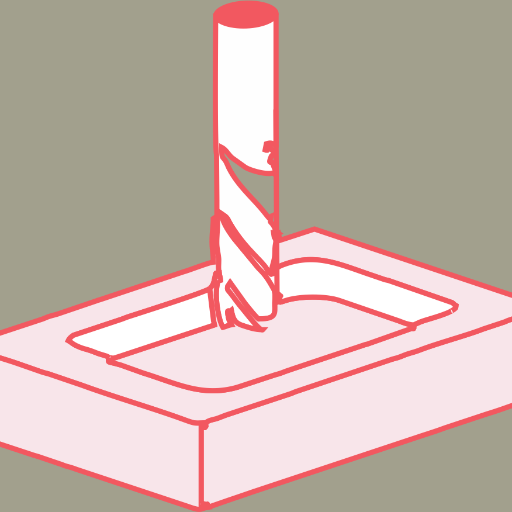
The following methods can be considered to refine the machining process for internal corner radii:
Larger Corner Radius Design: Select bigger corner radii in the design phase to lower the stress concentrations and tool wear, thus allowing for easier machining.
Professional Tooling: Employ specifically designed tools like corner radius end mills or custom cutters for precise and efficient machining of intricate corners.
Adjustment of Machining Parameters: Feed and speed changes to be made according to the material and tool specifications; the aim is to eliminate excessive vibrations and wear.
Employment of High-Precision Machines: Make use of up-to-date CNC machines and their advanced abilities for achieving tighter tolerances and quality of surface finishes.
Maintenance and Inspection: Ensure that the tools and machines are serviced regularly so that their performance stays uninterrupted and the possibility of disruptions due to wear or breakdowns is minimized.
The adoption of these practices can lead to significant improvements in the efficiency, accuracy, and cost of the internal corner radii machining process.
The internal corners efficient machining combines the already established best practices along with the most up-to-date tools to get the best results. Furthermore, there are more techniques to apply:
Using Adaptive Toolpaths: The use of adaptive toolpaths in CAM software can result in a remarkable reduction of tool wear and an increase of machining time. The paths are made in such a way that the cutting motions are fully optimized, the removal of the material remains constant thus avoiding sharp directional changes that could apply stress to the tools.
Proper Tool Selection: The choice of tools with the right geometries like bull-nose end mills or tools with a small corner radius ensures that there is a high degree of accuracy in internal corners. These tools not only reduce the risk of over-cutting but by also enabling the development of the final finish quality, they help to improve it.
Toolpath Simulation: Performing a complete simulation of the toolpath prior to machining can help unearth possible problems like collisions, inefficiencies, or areas that are problematic in the corners, thereby, allowing making of the necessary adjustments to increase the rate of production.
Settings for Materials: Adjust feed rates, spindle speeds, and cutting depths to the specific material being machined. For example, softer materials like aluminum might need different tactics than harder metals like titanium.
Heat and Vibration Minimization: By applying the coolant properly, one can control cutting temperatures and thus prevent tool deflection and improve the corner accuracy. The elimination of vibrations results in better dimensional tolerances and surface finishes.
Through the integration of these advanced techniques with high-performance equipment and regular process analysis, machinists can achieve remarkable efficiency and accuracy in the creation of internal corners.
The materials used for managing internal corner radii should be ranked according to their characteristics and the requirements of the machining process. The selection of materials should be done based on their strength and hardness so that they can withstand the deformation that may occur during the machining operation. If the material is soft like aluminum, then proper clamping should be done to prevent the material from moving because of the cutting forces. Moreover, it is wise to use materials that have uniform grain structures for the purpose of imparting smoother surface finishes.
Nevertheless, proper storage and handling are very important as they will minimize the possibility of the workpiece being contaminated or damaged. In addition to that, barriers can be used to keep materials dry and clean and the number of times handling can be done can be limited to an extent that surface defects are not created. By aligning material selection and handling methods with machining goals, you not only enhance precision but also total productivity.
Thermal expansion is a major factor in machining accuracy and structural integrity. The employment of materials with low thermal expansion coefficients like specific alloys or composites designed for thermal changes can reduce this effect. Besides, management of the temperatures in the surrounding area will also help to lower the temperature variations. Cooling methods like precision coolant systems or thermal management techniques can be used to lower the deformation caused by temperature changes. Considering the issue of thermal expansion will lead to more accurate and reliable machining operations.
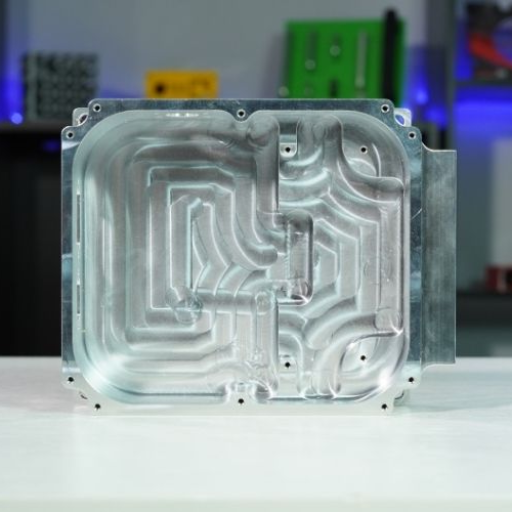
The corner radius design is a crucial aspect for the performance and longevity of CNC machined parts. Well-designed corner radii can help in reducing the stress concentrations and less material would be prone to fatigue or even fracture. The corner radius design has a significant effect in the case of high-stress applications such as aerospace components, medical devices, and automotive parts where reliability and precision are paramount. Besides, if the radii in corners are larger, they will also be a contributing factor in increasing the lifetime of the tool, as they will wear less on the cutting edges, result in smoother machining processes, and better surface finishes and overall product quality.
Corner radii have to be chosen according to the characteristics of the material when designing with metals, plastics, or composites. Normally, larger radii are recommended for metals due to the fact that they help in reducing the occurrence of stress concentration which, in turn, can lead to cracking or deformation, when under load. Among other things, the plastic usually is more easily handled in the case of sintering and thus can be used for smaller radii, though the prevention of warping or compromising the strength at the sharp edges must be considered. Depending on the composite type, the radii can be altered to provide proper distribution of stress while still preventing fiber breakage or delamination in the laminate. It is essential to understand and consider these material-specific characteristics in order to secure the next-best product’s strength, durability, and manufacturability.
The implementation of cutting-edge methods for corner radius machining has resulted in a remarkable increase in efficiency, accuracy, and performance of the material. High-speed CNC machining used together with adaptive toolpath strategies is one remarkable new development. Chefs and factories can still make clear transitions at the corners, which results in a reduction of the wear and tear on tools and also the quality of the surface remains constant. Besides, the combination of the multi-axis machining has made it possible for more complicated shapes to be handled with diverse material optimally radii being produced without sacrificing the strength of the product.
Moreover, the high-tech simulation and modeling software are very essential in the corner radii planning process. These are the tools that indicate the future stress points and allow the engineers to adjust the designs prior to the start of the production process thus reducing the possibility of getting defects and guaranteeing the evenly distributed stress. The manufacturers by the accurate machining hardware, smart software, and the knowledge of the specific material used together continue to extend the limits of what is achievable in the contemporary machining methods and are very effective in overcoming challenges like reduction of deformation, tool chatter, and heat buildup during the machining processes.
Precision machining of the internal corners in titanium alloy components was a requirement from a top aerospace company. The team made use of advanced 5-axis CNC machining along with optimized toolpaths, successfully minimizing stress concentration and achieving tolerances. The outcome was a component that performed better under extreme operating conditions thus showcasing CNC techniques’ effectiveness for critical applications.
An automotive manufacturer had to deal with the problem of keeping the machining of internal corners of aluminum engine blocks consistent. With the introduction of special cutting tools and adaptive machining software, they were able to get better dimensional accuracy as well as shorter machining time. This strategy led to a marked increase in production efficiency and part reliability.
These cases point out the necessity of customized machining solutions and high-tech tools in getting rid of the usual internal corner machining problems.
The Effects of Corner Radius and Edge Radius on Tool Flank Wear: This study examines how corner and edge radii influence tool wear, providing insights into optimal design for machining. Source
The Effect of Tool Edge Radius on the Contact Phenomenon of Tool-Based Micromachining: This paper investigates the impact of tool edge radius on frictional contact during micromachining, relevant to internal corner radii design. Source
5-Axis Local Corner Rounding of Linear Tool Path Discontinuities: This research focuses on smoothing tool paths in corners using 5-axis machining, addressing challenges in tool access and corner radii. Source
The corner radius has to be bigger or the same as the tool radius you intend to use; this generally suggests selecting a radius that is at least standard end mill sizes (like a 1/8″ or 1/4″ radius which are equal to available end mill diameters or ball end tools) for the majority of operations. This ensures that the corners of a cnc machined part are created without extra profiling or costly tooling, thus, lowering machining time and costs by not needing to use custom cutters or long finishing passes.
Usually sharp 90-degree internal corners are not possible with a rotating cylindrical end mill as the tool has a finite tool radius and the tool geometry creates radiused internal corners. To get an almost sharp 90-degree internal corner, the use of additional processes like EDM or special tooling would be the other option; otherwise, increase the corner radii or redesign the inside corners of a cnc part to be compatible with standard tool sizes and the machining process constraints.
Very tight radii will necessitate tool downsizing or defining more intricate tool paths, thus contributing further to the time taken for machining, tool getting engaged and also the probability of machine vibrations. A small-radius area has higher costs attributed to slow feeding, heightened tool wear, and the risk of having to carry out additional finishing procedures. Hence, the manufacturing process can be made easier to perform and at the same time the cost of the machining can be reduced if the design is done in such a way that the corner radii are raised to an allowable level.
Ball end tools and smaller-diameter end mills are typically used for achieving tight internal corners and small features. These; however, are not the only ones as specialized tools (corner-radius end mills) can also be used to create a particular inside-corner profile. When tool geometry, standard tools sizes, and the cutting process are factors taken into consideration, a smaller end mill offers the best accessibility but at the same time it will increase machining time and costs, while the right choice of tool engagement and tool path strategy will allow to the balance of precision and efficiency.
When designing a part for cnc avoid requiring very small radii unless absolutely necessary; increase the corner radii to standard tool radii, group small features together so that fewer tool changes are needed, and add enough radii so that no stress concentrations occur. Discuss with the machine shop the feasible radius and recommended standard tool sizes; making design changes at the beginning of the process allows for the most design flexibility and cost savings.