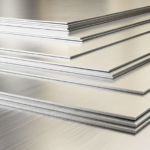


Supportive, Professional, Client-Focused Service
From prototypes to full-scale production, we’ve got you covered.


Among low-density materials, the magnesium alloy AZ31B enjoys widespread applications in various sectors due to its exceptional performance. The ease with which it can be machined, its versatility, and its high strength-to-weight ratio are just a few of its merits. Consequently, it has found common use in everything from aerospace procedures to automobile manufacturing. Gaining insight into the alloy’s properties and potential utilization allows for the extraction of the best results possible, significantly decreasing costs and informing engineering designs for future sustainability. This guide provides full details on AZ31B magnesium alloy, including major characteristics, industrial applications, and machining tips, ensuring you possess the knowledge to work the alloy to great effect on your projects. AZ31B signifies a true revolution in modern material science.
AZ31B is the “workhorse” of magnesium alloys, offering an optimal balance of light weight, high strength, and excellent machinability for high-performance engineering.

AZ31B magnesium alloy is a light, versatile material comprised of magnesium, aluminum, and zinc. Its designation indicates that it consists of approximately 3% aluminum and around 1% zinc, along with small amounts of other elements. This blend creates a balance between strength, corrosion resistance, and workability, making the alloy one of the most important materials in modern applications across the engineering and industrial sectors.
AZ31B has a significantly higher strength-to-weight ratio compared to steel and aluminum. This weight advantage makes AZ31B highly advantageous in industries that rely on weight reduction, such as aerospace and automotive manufacturing. Moreover, excellent workmanship enables forming, fabricating, or welding, thereby enhancing its practical usefulness.
The AZ31B magnesium alloy presents a significant environmental advantage. The lightness provided by this alloy results in reduced fuel consumption for transportation applications, validating its alignment with sustainability. Furthermore, magnesium elements are abundant and recyclable, making it a forward-thinking choice for industries seeking green alternatives without compromising the quality of the finished product.
The magnesium alloy AZ31B includes mostly magnesium, with aluminum as the main alloying element. Approximately 3% aluminum is added to aid the magnesium in strength and ease of casting, while further increasing its corrosion resistance. By adding small amounts of manganese to refine grain size and slightly boost corrosion resistance, magnesium becomes much easier and more reliable to bend, despite its high strength. The combination of low density and weight makes AZ31B Magnesium Alloy an extremely lightweight, safe, and environmentally friendly option for modern industry.
Quintessentially, the planned combination of ingredients results in an amalgam that is both lightweight and strong, making it suitable for a broad range of applications. The low density of the magnesium base, combined with aluminum and zinc content, enhances the structural properties, allowing it to withstand stress and strain under various strenuous conditions. Manganese, although present to a lesser extent, plays a major role in optimizing corrosion resistance—a major consideration for maximizing long-term durability in diverse environmental conditions.
The carefully crafted design of the AZ31B magnesium alloy creates a mixture that is both strong and sustainable. It has become a preferred alloy in the automotive, aerospace, and electronics industries, where materials must offer both functional performance and an environmental commitment to convenience.
Magnesium alloys are critical in modern industrial applications due to their unique combination of properties. They are lighter, yet strong and durable, making them ideal for weight reduction. This is particularly useful in the automobile and aerospace industries, as weight reduction directly contributes to improved fuel efficiency and reduced pollution, fulfilling global sustainability goals.
Another essential factor lies in mechanical properties, specifically the machinability and fabrication of the material. This allows businesses to fabricate and machine parts to precision more rapidly and less expensively. Furthermore, the thermal and electrical conductivity of magnesium alloy means it can support applications that require high performance and reliability.
Magnesium alloys offer functional benefits while remaining environmentally friendly. They are completely recyclable, which supports sustainable business practices against waste. Taken together, the advantages of magnesium alloys extend across industries and continue to gain strength due to emerging technologies and the demand for sustainable solutions.

AZ31B shows a unique blend of chemical properties that make it extremely versatile. It consists essentially of magnesium, aluminum, zinc, and manganese. Aluminum is essential for increasing the strength and corrosion resistance of the alloy, while zinc improves its tensile properties. Manganese significantly improves corrosion resistance by minimizing the presence of undesirable impurities like iron.
A major chemical advantage of AZ31B is its lower propensity to form aggressive compounds in various environments. A thin, stable oxide layer (magnesium oxide) forms on its surface, naturally offering protection against rapid corrosion. However, in many corrosive environments, especially those containing chlorides, protective coatings or treatments are necessary to achieve an extended life as a rust inhibitor.
While the weight of magnesium is beneficial due to its low atomic weight, its strength—coordinated with oxidation resistance—makes it useful in aerospace, automotive, and electronics industries where chemical reliability and reduced weight are required. These chemical traits make AZ31B highly desirable for applications requiring performance and durability.
AZ31B magnesium alloy has a remarkable balance of strength and ductility, making the alloy commendable for applications demanding lightweight yet sturdy materials. Its tensile strength is approximately 250 MPa, and its yield strength is close to 200 MPa, providing reliable performance. Moreover, its elongation of around 12% is beneficial for allowing flexibility and resistance to fracture under stress.
Another crucial factor is its stiffness-to-mass ratio. With a density of approximately 1.78 g/cm³, it is significantly lighter than aluminum and steel, making it useful for weight-sensitive designs. Its natural stiffness helps provide structural shape integrity and prevents gross deformation under applied loads.
While AZ31B requires consideration for corrosion protection compared to some other alloys, its ease of being worked and machined leads to wide applications in aerospace, automobile, and electronic industries. Strong mechanical properties place AZ31B as a valuable material for lightweight construction and durability.
The AZ31B magnesium alloy possesses unique thermal properties. One of the most remarkable features is its thermal conductivity of approximately 96 W/(m·K), which is excellent for applications requiring efficient heat transfer. Consequently, this alloy is a prime candidate for components that must endure thermal loads.
Furthermore, this alloy has a comparatively low melting point, ranging around 650°C (1,202°F), which makes it very easy for casting and forming. However, caution is warranted in high-temperature environments, as prolonged exposure can cause the alloy to lose strength. This is a critical point when selecting materials for components that operate under high-temperature conditions.
Another notable thermal property is its stable coefficient of thermal expansion, ensuring predictable dimensional changes with temperature. This quality is crucial for component integrity in industries like aerospace and electronics, where precision is vital. When weighing the lightweight attributes and mechanical strength, AZ31B proves to be a versatile material in many ways.

In the aerospace industry, AZ31B magnesium alloy is substantially employed due to its combination of weight-saving properties, strength, and durability. This attribute is required for aircraft components to minimize weight and increase fuel efficiency without sacrificing structural integrity.
The high strength-to-weight ratio contributes to AZ31B’s suitability for load-bearing structures. The alloy is characterized by good machinability and corrosion resistance, which are crucial for aerospace applications. These properties help maintain integrity under various environmental and load stresses. AZ31B can be processed through forging and extrusion, allowing for design and fabrication flexibility.
For aerospace applications, AZ31B also offers thermal stability, ensuring consistency in dimensional change during temperature fluctuations experienced during flight. Its performance and reliability drive aerospace engineering and innovation forward.
Magnesium alloys like AZ31B have found many applications in car manufacturing, largely due to their lightweight nature. Reducing weight is of great significance in the automotive industry, as it translates to improved fuel efficiency and lower emissions. AZ31B provides an ideal compromise of low density and high strength for weight-bearing components like seat frames, steering structures, and body panels.
The expandability and formability offer another enormous advantage in automotive fabrication. Manufacturers can shape the material into complex geometries and intricate designs without compromising product strength. Besides high formability, good corrosion resistance is of crucial importance for vehicles operating in various environmental settings.
Added thermal stability extends the use of AZ31B to high-temperature automotive powertrains. This allows for better dimension retention during heating, ensuring reliability and safety in engine components, casings, and other mechanical parts. These properties allow manufacturers to create lighter, more efficient vehicles without sacrificing performance.
AZ31B is popular across various industries due to its lightweight and durable characteristics. In aerospace engineering, weight reduction is paramount for saving fuel and ensuring performance. The industry makes heavy use of this material for aircraft brackets, panels, and housings.
Another significant industrial use is in electronics and communications technology. With its excellent ability to shield electromagnetic interference (EMI), this material is desirable for enclosures for electronic devices. Furthermore, its thermal conductivity facilitates the quick removal of heat to maintain the performance and life of heat-sensitive components.
The construction industry also benefits from AZ31B. It is utilized in infrastructure projects requiring lightweight yet sturdy materials, such as basic structural framing and roofing systems. Reducing overall weight contributes to increased efficiency in construction and higher durability in the final product. These varied sectors underline the alloy’s versatility in modern engineering.

Because of its low melting point, caution must be maintained to avoid fire accidents. Use non-sparking equipment and keep workplaces clear of open flames.
Specific machining techniques are required for AZ31B. Sharp cutting tools with appropriate rake-and-relief angles are beneficial for successful metal removal with minimal overheating risk. Carbide or high-speed steel tools are usually recommended for cutting magnesium-based alloys.
Coolants are vital during the cutting process to avoid critical heat levels and reduce the risk of igniting magnesium chips. Direct coolant channels are recommended. It is essential to remove chips as they form; material should not be allowed to accumulate, as it poses a fire danger. Safe handling involves storing chips in enclosed bins and maintaining a clean workspace.
Feed rates and cutting speeds must be fine-tuned for maximum effectiveness and finish. Keeping speed and feed in balance is primarily about safety. High-quality tools, heat control, cleanliness, and safety are equally important for any work carried out on AZ31B.
The forming process of AZ31B requires precise control to achieve optimum results without compromising material integrity or workplace safety. Common methods include rolling, extrusion, and forging. These methods utilize the material’s good malleability at higher temperatures (usually between 300°C to 400°C), which decreases the chances of cracking.
Rolling is widely used to produce sheets of even thickness. Extrusion is used for developing complex cross-sections like tubes and profiles. Forging is performed for high-strength applications where controlled deformation is required. Regardless of the method, precise temperature control and proper lubrication are essential.
Consideration must also be given to the alloy’s sensitivity to rapid cooling or uneven stress. By preheating tools and following controlled cooling techniques, these risks are reduced, ensuring uniform quality. All operations must be performed in a well-organized environment to maximize material properties and operator safety.
Joining magnesium alloys requires specific treatment due to high thermal conductivity, low melting point, and easy oxidation. The most prevalent options are welding, mechanical fastening, and adhesive bonding.
Welding is widely used, with TIG and MIG methods being preferred. These processes require stringent control to prevent porosity and cracking. Pre-cleaning surfaces and using gas shielding (argon or helium) is necessary for defect-free welds. Friction stir welding has also grown in importance as an excellent method for reduced heat input.
For non-welded assemblies, mechanical fastening with bolts, rivets, and screws allows for easy disassembly. However, compatible coatings or protective barriers are required due to magnesium’s susceptibility to corrosion. Adhesive bonding offers lightweight opportunities for jointing and distributing stress, particularly for aesthetic and durability concerns. Method choice depends on joint design and service conditions.

Current research focuses on enhancing strength, corrosion resistance, and performance in severe applications. Adding alloying elements like rare earth elements helps refine the microstructure. These modifications increase durability and help cover the natural susceptibility to corrosion, making it fit for challenging environments.
Grain refinement methods are a key breakthrough. By controlling grain size during fabrication, researchers are bringing about enhancements to tensile strength and ductility. This also improves the workability of AZ31B, providing greater ease in fabrication. These controls make the alloy an attractive choice for applications that benefit from reduced weight and increased strength.
Additionally, unique treatments and coatings are being developed to toughen protection against corrosion. Modern anodizing treatments and protective layers have been successful in extending material lifespan, particularly in high-humidity or chemical-exposure environments. These advancements keep expanding the opportunities for AZ31B in high-performance situations.
AZ31B continues to find new spaces in various industries. In the automotive sector, it is commonly utilized for lightweighting to improve fuel efficiency and emission rates. Used in engine brackets, transmissions, and interiors, the AZ31B series ensures the realization of performance and sustainability objectives.
The aerospace industry uses AZ31B for structural and nonstructural components. Its light weight contributes to reducing aircraft weight, directly impacting fuel consumption and operational costs. With better corrosion resistance from new treatments, AZ31B is increasingly used for space-related applications like spacecraft and satellites.
Other contributions include the worldwide acceptance of LEDs where thin-wall structures are required. Application areas include medical equipment, handheld devices, business equipment, and decorative lighting. Global reliance on these lightweight solutions is firmly established.
Magnesium alloys are established in engineering applications due to their lightness. Future research emphasizes improvements in strength, ductility, and corrosion resistance for rigorous applications. Primary routes include improving alloying methods and advanced processing to change microstructural behavior.
Another critical direction involves sustainability and recyclability. Research into developing green technologies for processing is a main front, aiming to increase recycling efficiency and address environmental costs. Alternative raw materials and minimal-energy processing are also major areas of consideration.
Finally, researchers are looking at integrating magnesium alloy into emerging technologies like additive manufacturing and smart materials. Alloys can be fine-tuned for new forms like self-healing materials and customizable medical implants. Such breakthroughs demonstrate the potential of magnesium alloys as leading players in next-generation engineering solutions.
Q: What is AZ31B magnesium alloy and what are its main properties?
A: AZ31B magnesium alloy is a wrought alloy primarily made of magnesium with approximately 3% aluminum and 1% zinc. Key attributes include low density, good tensile strength, high toughness, and acceptable resistance to corrosion, allied to excellent thermal and mechanical characteristics. It is frequently used for lightweight components in automotive and aircraft industries.
Q: How does the specification and technical data sheet for the magnesium alloy AZ31B guide production and quality control?
A: The technical data sheet includes chemical and mechanical information necessary for production and testing. Suppliers use these to ensure material quality and dimensional accuracy. Teams refer to these sheets for temperature control, tolerances, and handling to obtain consistent results.
Q: In which forms and product conditions can magnesium alloy in AZ31B be rendered?
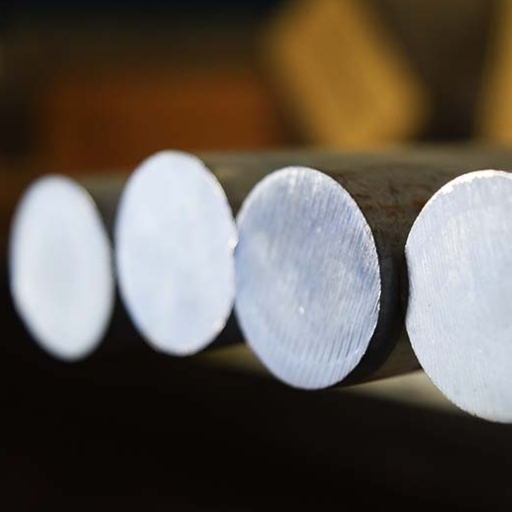
A: AZ31B is available in plate, bar, rod, tube, and flat stock forms. Suppliers provide these in various lengths and thicknesses, often in as-rolled or annealed conditions depending on the required mechanical properties and subsequent machining needs.
Q: How weldable is AZ31B magnesium alloy and what should fabricators know?
A: AZ31B has limited weldability compared to steel, but can be welded using proper handling and gas shielding techniques. Fabricators should follow weld procedure specifications for filler materials and pre-treatment to limit porosity and ensure integrity.
Q: What mechanical properties and strength data do we commonly associate with AZ31B?
A: AZ31B typically features a tensile strength of ~250 MPa and yield strength of ~200 MPa. It offers excellent ductility for its weight. These properties make it suitable for aircraft interior parts and precision mechanical components.
Q: Which fields is AZ31B magnesium alloy most frequently used in?
A: It is most frequently found in automotive parts, electronic housings, aircraft components, and consumer goods. Its weight reduction advantages enhance fuel efficiency in vehicles and aerospace machines.
Q: What production and laboratory inspection practices help ensure stable quality?
A: Quality is guaranteed through production in controlled environments and strict laboratory inspections. This includes chemical analysis, mechanical testing for strength and ductility, and dimensional accuracy checks, often accompanied by a certificate of traceability.
Q: How do corrosion resistance and thermal behavior affect usability?
A: AZ31B offers moderate corrosion resistance, making protective finishes or anodizing important for longevity. Its thermal behavior must be managed during welding and production through gas control and temperature regimes to protect the microstructure.
Mechanical Behavior of AZ31B Mg Alloy Sheets
Harvard ADS – This study explores the mechanical behavior of AZ31B magnesium alloy sheets under various conditions.
Tunable Corrosion Resistance of AZ31B Magnesium
Boise State ScholarWorks – Research on improving the corrosion resistance of AZ31B magnesium alloy using aluminum oxide coatings.
Cryogenic Machining and Burnishing of AZ31B Magnesium
University of Kentucky Knowledge Repository – A study on machining and burnishing techniques for AZ31B magnesium alloy.