

Supportive, Professional, Client-Focused Service
From prototypes to full-scale production, we’ve got you covered.


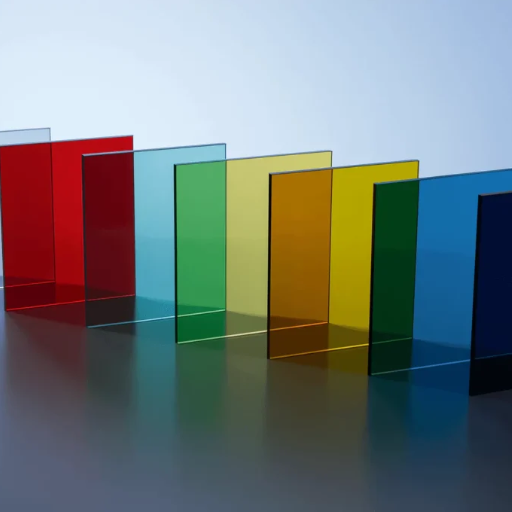
Polymethyl methacrylate (PMMA), which people know as acrylic, has different forms. The three main PMMA variations of Plexiglas, Acrylite, and Lucite lead people to select these materials. The correct PMMA grade selection for your projects will determine their success when you create display systems and window designs and architectural designs. The process of material selection starts with understanding the unique characteristics of materials which help you determine the best choice for your requirements. This blog post examines Plexiglas, Acrylite, and Lucite through their distinct characteristics which show their different uses and ways to evaluate them. Your project requirements will be met through the best PMMA grade selection which you will learn to choose after you finish reading this article.
While all three brands are chemically PMMA (acrylic), their specific manufacturing processes and proprietary additives make them suited for different applications—ranging from industrial windows to high-end furniture and medical shields.
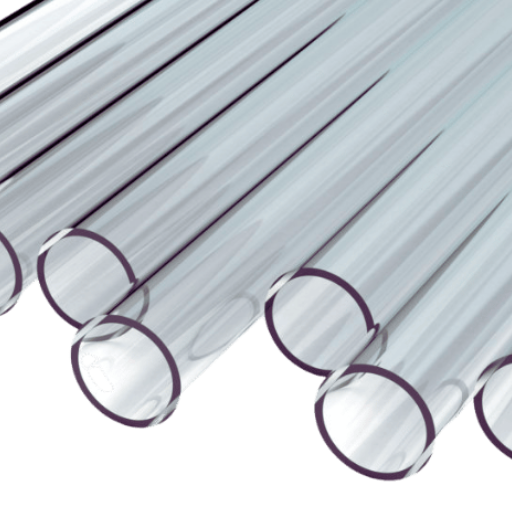
Acrylic functions as a flexible lightweight transparent plastic material because it consists of polymethyl methacrylate (PMMA). Acrylic functions as a glass substitute because it maintains excellent optical properties while its strength and durability and impact resistance provide better performance than glass. The material creates a glass-like surface which provides better protection against shattering, so it functions effectively in multiple usage scenarios.
Acrylic material demonstrates its main characteristic through its capacity to transform into various shapes while maintaining its original structural strength. Acrylic material demonstrates its compatibility with indoor and outdoor applications because it can be easily cut and drilled and polished for use in architectural designs and display cases and signage. The product maintains its optical properties and its physical strength when subjected to direct sunlight and extreme weather conditions because of its UV protection and weatherproof capabilities.
Acrylic plastic material attracts users because it provides environmentally friendly properties through its recycling ability and its greater ecological sustainability when compared to other plastic materials. The material’s lightweight design results in decreased transportation expenses and lower energy requirements during production processes. The distinctive combination of acrylic features which include transparency and strength and versatility makes it a widely used industrial material which serves multiple purposes.
The transparent thermoplastic polymer PMMA or Polymethyl Methacrylate possesses strong and clear and flexible properties which make it a valuable material. The material known as PMMA operates under the names acrylic and acrylic glass and its lightweight and optical and durable properties make it the most common material used across multiple industries. The product provides an effective glass replacement because it delivers equivalent transparency which requires lower weight for better impact protection.
PMMA provides multiple advantages because of its ability to function in different environments. The material functions in multiple applications which include windows displays and signage as well as medical devices and automotive components and optical systems. The material serves as an ideal solution for custom design needs because it can be shaped into various forms and dimensions. The outdoor application of the material becomes possible through its UV protection which allows it to endure sunlight exposure for extended periods without facing major degradation.
The environmental benefits of PMMA make it an attractive material choice. Its recyclability enables waste reduction which results in decreased environmental impact. The lightweight design of the product lead to lower energy requirements for its transportation and manufacturing processes. The unique physical and chemical properties of PMMA together with its sustainable operational capabilities establish the material as essential for multiple industries.
The proper selection of acrylic material becomes essential for achieving specific project requirements. The two types of acrylic materials, cast and extruded, demonstrate unique characteristics which determine their operational capabilities. The material of cast acrylic provides exceptional durability and clarity and scratch resistance which makes it suitable for applications requiring high precision work. Extruded acrylic serves as a budget-friendly material that provides simple design features, which makes it suitable for basic projects that need standard strength capabilities.
Outdoor applications require weather-resistant acrylic, while UV-filtering acrylic provides better protection for products that face direct sunlight exposure.
The selection of appropriate acrylic material directly influences operational efficiency and results in extended financial benefits. The selection of a suitable material for your application requirements helps you decrease the chances of your product experiencing early material deterioration or equipment breakdown or operational problems. Higher maintenance expenses and shorter project duration occur when people use the wrong acrylic type for their projects.
Environmental factors now play a significant role in selecting appropriate acrylic materials. The selection of recyclable and sustainable acrylic materials helps decrease environmental damage while promoting environmentally friendly methods. The best acrylic for your project requires you to evaluate three factors, which include intended use and environmental conditions and required performance attributes, to achieve efficient and durable results.
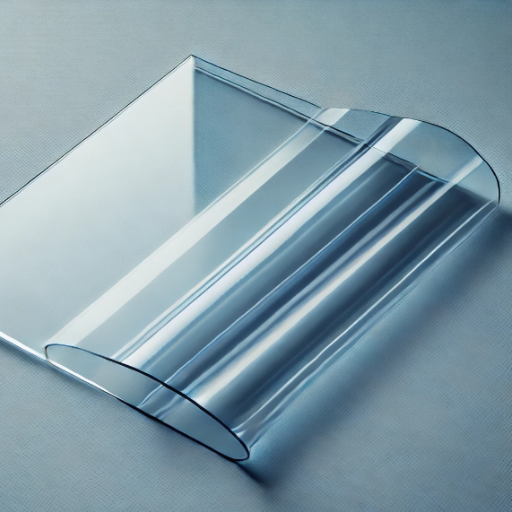
People know Plexiglass by the name of acrylic glass because it functions as a transparent substance that combines low weight with the strong durability of thermoplastic materials. The material consists of polymethyl methacrylate (PMMA), which functions as a synthetic polymer that originates from petroleum-based chemical sources. People use PMMA as a substitute for glass because it maintains excellent transparency under various environmental conditions.
Plexiglass displays its main characteristic through its optical transparency which allows up to 92% of light to pass through. The material provides better impact protection because it weighs less than glass which results in enhanced safety and operational flexibility for both industrial and household environments. Workers can easily create various shapes from Plexiglass material because the manufacturing process allows them to cut and shape it through basic techniques.
The material serves numerous industrial applications because it offers both versatile use and dependable operational performance. The material serves multiple purposes which include creating windows and protective barriers and producing signage and aquariums. The material maintains its value for outdoor applications because it protects against both ultraviolet radiation and environmental damage. Plexiglass construction provides a functional solution that meets aesthetic needs because it combines long-lasting durability with affordable pricing.
Plexiglass serves as a dependable building material because it provides outstanding strength which enables its use in indoor spaces and outdoor environments. The material protects against three types of damage which includes impact and scratches and environmental pressure, which enables it to perform successfully in challenging situations. The material demonstrates durability because plexiglass windows and shields and displays will keep their original quality and operational capabilities throughout time.
The material provides another valuable advantage because of its ability to maintain clear optical vision. Plexiglass contains a special property which allows it to transmit more light than standard glass materials while still providing excellent visibility through its lightweight and shatterproof design. The property makes this material suitable for use in situations which require clear visibility through protective barriers and signage and aquarium displays.
Plexiglass provides users with two advantages because it offers simple operation and budget-friendly pricing. The material maintains its flexibility because users can easily cut and shape and install it for different applications. The combination of low costs and easy maintenance requirements makes this solution suitable for both residential and business applications. Plexiglass combines three properties which include strength and transparency and flexibility which makes it a valuable material for various applications.
Plexiglass serves construction and architectural purposes because it provides both strength and clear visibility. The material functions as a glass substitute which protects windows and skylights and safety barriers through its shatter-resistant design. The material enables simpler transport and installation because of its lightweight properties which make it more suitable for use in residential and commercial spaces than standard glass.
Plexiglass serves another purpose as a material for creating signs and display systems. Retail stores, exhibitions, and advertising industries often utilize plexiglass for custom signs, display cases, and point-of-sale materials. The material enables high-quality visual display through its transparent nature, while its simple design and engraving capabilities provide extensive design options.
Plexiglass serves multiple purposes in both automotive and aerospace sectors. The material serves as the primary component for constructing windshields and instrument covers and windows in both vehicles and aircraft because it combines strength with impact resistance. Its lightweight and weather-resistant properties make it suitable for demanding applications. Plexiglass possesses special qualities which make it function as a flexible and dependable resource across different industrial fields.

Acrylite consists mainly of polymethyl methacrylate (PMMA), which serves as a transparent thermoplastic material that provides superior optical clarity and long-lasting strength. The material reaches its final form through a polymerization process which transforms liquid monomers into solid polymers to create a lightweight flexible material.
Acrylite possesses its distinct physical properties because of its chemical makeup which enables it to withstand severe impacts and protects against ultraviolet radiation and shows resistance to environmental damage. The material maintains its transparent appearance and operational functionality throughout extended periods of direct sunlight exposure and environmental contact. The material serves as an environmentally safe option which users can safely recycle beyond multiple functional uses.
The composition of Acrylite provides dependable performance across multiple industries which include construction and automotive and marine applications. The material enables multiple application possibilities because it can be used in sheet form or as molded components. The material excels in projects which need see-through materials and strong construction and adaptable design options.
Acrylite shows superior performance because it provides better light transmission through its clear and strong material properties than all other acrylic materials. The material can be used in applications that require both transparency and decorative elements because of its high light transmission capabilities. The material maintains its optical clarity throughout its entire lifespan because it does not yellow or become cloudy after continuous exposure to sunlight and ultraviolet light.
The product provides users with an extra benefit because it possesses both better strength and better resistance to impact damage. The material demonstrates better structural integrity because it maintains its strength under pressure while manufacturing operations than most standard acrylic materials. The product can function in extreme operational circumstances which enables its use in construction and automotive applications that require high durability standards.
Acrylite provides multiple options for designers to create different product functions. The product comes in multiple forms which include sheets and molded components to support different application requirements. The product enables easy processing because of its lightweight nature which results in minimal material waste during the customization process. Industrial and creative projects select Acrylite as their main material because it delivers superior performance through its essential properties.
Architectural and interior design projects apply Acrylite because it provides clear visual properties and durable material characteristics and multiple design options. The material proves ideal for window glazing and partition construction and decorative panel creation because of its lightweight properties. Designers use these materials to create modern design styles which include both architectural strength and structural durability.
Acrylite serves as an essential material for businesses that create signs and advertising displays. The material provides excellent light transmission and weathering resistance which designers need to create effective signs and display cases and billboards. The material can be easily customized into different shapes and colors which allows it to meet specific branding and marketing requirements.
Acrylite functions as a vital material for producing protective barriers which include sneeze guards and medical shields and safety equipment. The material protects spaces that require both hygiene and long-lasting performance through its impact resistance and simple cleaning properties. The product’s adaptability ensures its use in a wide range of industries beyond these specific applications.
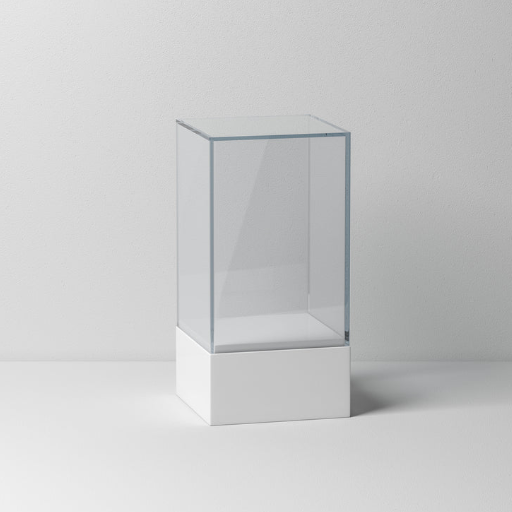
Lucite shows its distinctive qualities through its superior strength and transparent properties and multiple applications. The material offers high performance because it withstands weather conditions and material degradation which makes it suitable for indoor and outdoor use. The material provides optical clarity which delivers a high-end appearance that manufacturers choose for products which require visual appeal and clear visibility.
Lucite offers another benefit through its straightforward manufacturing process. The material allows designers to create different designs through cutting and molding and shaping because its physical structure remains intact. The material provides industries with multiple applications which include construction and artistic design work. The material offers practical benefits because its lightweight design works better than traditional materials while maintaining durability.
Lucite requires minimal upkeep while providing extended product life. The surface material prevents scratches while keeping its original appearance throughout its long-term use with minimal maintenance requirements. The non-porous surface of the product enables rapid cleaning while maintaining hygiene standards which benefits medical facilities and food production areas. The combination of these properties establishes Lucite as a dependable material which functions effectively across different uses.
Lucite provides outstanding strength which makes it suitable for use in both home and business settings. The material shows excellent durability which protects products from damage through scratches and cracks while sustaining their original quality and performance for extended periods thus decreasing the need for replacement and maintenance work. The product achieves extended service life which results in both financial savings and environmental protection through decreased product waste.
Non-porous surface density, providing high hygienic protection in medical and culinary environments.
The non-porous surface of Lucite provides another important benefit because it delivers essential hygienic protection. The material resists both moisture and stains which simplifies the cleaning process and maintenance tasks throughout various areas including hospitals and kitchens and laboratories. The material contains properties that maintain health and safety requirements making it suitable for spaces that demand strict cleanliness standards.
The aesthetic appeal of Lucite combines with its wide range of applications to create multiple design possibilities. Designers can create custom solutions for different industries because the material allows them to create different shapes and designs. The material provides both decorative and functional purposes because it maintains clear visibility while showcasing vibrant colors. Lucite serves multiple purposes because it combines practical use with flexible design options to create multiple applications.
Lucite is highly common in various industries, thanks to its visibility, sturdiness, and visual appeal. Lucite is certainly becoming fittingly adoptable to high-profile uses such as that of interior designers and architects. Applications include furniture, partitions, and decorative ware. Its transparency and the way it carries welcome, striking elements are factors that make Lucite a great choice of material for installs where brightess cannot be ignored.
Where ever back in the league is commerce and marketing, Lucite pops up for it, helping from the assembly of material and signing board to points of sale. Its durability provides a gleaming look that can remain for a long time, even after a continuance of utility, and its lightweight makes it easy to retailer and set into application.
Lucite plays a crucial role in a range of industrial and technical applications. Durability, weather-resistance, and optical clarity have proven Lucite’s expertise in use as protective barriers, skylights, and, precision instrumentation. Its versatility enables this material to be molded and redesigned to suit a able occasion-meeting evolving industrial requirements thus being instrumental for both functional and aesthetic needs across a wide range of fields.
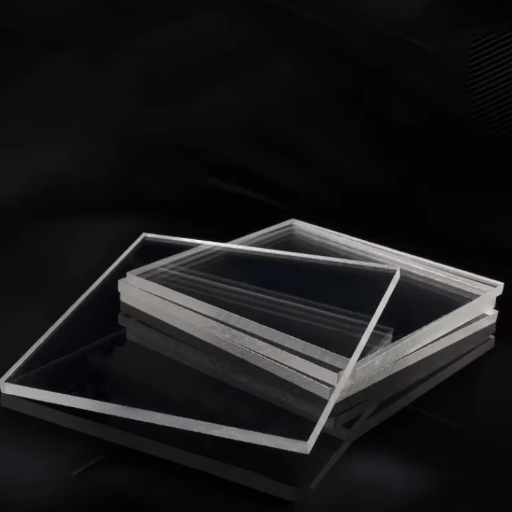
The first function of the selection of an acrylic sheet is the thickness. With different thicknesses available for the material, what is selected will depend on the intended application area. For applications demanding resistance to physical forces and solidity, thick sheets are the best option, while thin sheets will be appropriate for lightweight or decorative projects.
Another crucial consideration is the variety of finish: clear, frosted, tinted, and mirror finishes are the most notable options, each having accommodated value. Clear acrylic is fantastic for pure clarity, while frosted or tinted becomes better options in terms of privacy, as well as reducing sun glare. Thus, regardless of intended use, aesthetics should be the primary consideration while choosing from viewers with varying qualifications.
Lastly, it is necessary to check for whether the acrylic blocks are weather resistant and have a resistance factor against UV rays, these factors are very important especially when used outdoors. The best quality acrylic pieces are processed in a special manner to deal with the yellowing and disintegration that would otherwise have been initiated upon exposure to the sun for a very long time. A durable product is further fortified in its resistance to UV rays, protecting the appearance of the acrylic sheet in the long run. These considerations might help in your quest for the best acrylic pieces to suit your project’s specific needs.
A: Plexiglas is a trademark often used synonymously with acrylic and are Plexiglas®. Plexiglas and Perspex, Lucite, Acrylite, Optix, and Polycast are all brands of acrylic. Poly(methyl methacrylate) (PMMA) is the chemical name for the polymer that was developed by Otto Röhm. Because a lot of companies manufacture acrylic, designers and manufacturers use the terms Plexiglas vs. acrylic interchangably without any awareness as to brands.
A: Acrylic (Plexiglas vis-a-vis Acrylite vis-a-vis Lucite) is more optically clear and has a higher refractive index more similar to glass, whereas polycarbonate (e.g. Lexan) is typically times more impact-resistant than glass and often more impact-resistant than acrylic, and for this reason it is a favored engineered material for bullet resistant glazing, airplane canopies, and other applications to minimize the safety problems of glass or other materials shattering into sharp, jagged fragments. Acrylics can be favored instead of ordinary glass for coffee tables and for other ornamental items like glass handles and knobs, but Durables are better in terms of impact considerations.
A: For UV resistance and no yellowing, cast acrylic is the best option. Acrylics that have been engineered for UV resistance (such as some grades of Plexiglas® and Acrylite) are good at UV light blocking and yellowing. Compared to low cost extruded sheets, cast acrylics are much better. UV and life expectancy data is always published for sheets, but warranty info is not. For the best results, use sheets that have been engineered to resist hazing and yellowing, as some brands include stabilizers for that purpose.
A: Cast acrylic is mainly chosen for CNC routing and high-end displays, as it machines cleanly, polishes up to the clearest finish, and is believed to best identify with quality; extruded acrylic is a little cheaper and suitable for general plexiglass sheets and some kinds of signage but is prone to melting or having an undesirable edge finish. Most designers and manufacturers, however, prefer cast products like Polycast or certain Lucite®, designer Cast Acrylic, and Plexiglas®cast lines for premium finishes.
A: Lucite is a brand of acrylic; therefore, the distinction between Lucite and other acrylics is primarily the grade and finish. The good-quality acrylic such as Lucite or Plexiglas® cast sheeting gives a clear crystal-like appearance. These sheets can be used as glass without the inconvenience of weight and fragility caused by traditional glass on coffee tables, pergolas, and decorative panels. Look for scratch-resistant coated sheets in case surface wear is a matter of concern.
A: Acrylic is sensitive to some solvents, these solvents can craze or cloud the surface – avoid ammonia-based cleaners; use mild soap and water or ones sold by the same brand. Polycarbonate can fare better with various chemicals but scratches are more easily spotted. PMMA geometries would be best bonded or fabricated using adhesives and solvents particularly designed for PMMA; CNC routing and finishing should be set according to the resin properties inherent to acrylic.
A: Oh, yes—Perspex, Optix, Polycast, Plexiglas®, Lucite, and Acrylite—all are brand names or possible product lines under which acrylic comes. Some brands stress UV-resistance, some clarity, and some are super-duper-wham-bam-aromatic. Dupont has historical connections to some acrylic innovations and various ways these brands were owned. Technically speaking, each brand differs in some ways, ranging from the casting or extruding processes to intended uses (canopy, pergolas, signage, handles and knobs), or having any sheet treatment for the purposes of keeping it from yellowing in appearance or giving the very glassy clear look ever.
Acrylic Polymer Transparencies
Artificial Glass—The Versatility of Poly (Methyl Methacrylate)
The Origins of Acrylates and Adhesive Technologies in Dentistry