

Supportive, Professional, Client-Focused Service
From prototypes to full-scale production, we’ve got you covered.


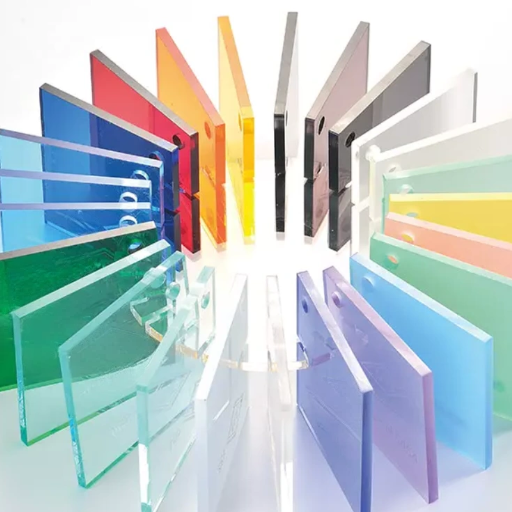
Acrylic is a versatile medium in the areas of construction to creative arts and is celebrated for its solidity and transparency in various industries. However, not all acrylic is the same. In general, people think extruded and cast are both absolutely different, and they most certainly are. In this particular post, we investigate the reasons why you should go this way or that way when choosing a material for your project. Setting cast and extruded acrylic clearly side by side according to important characteristics and process of manufacture, advantages, and expected applications would give a clear idea of where to use one and where to use the other. If it is a professional looking to carry out serious kinds of projects, or a hobbyist searching for limited information, this provides tactics for helping in making decisions, offering confidence outright.

Acrylic is a transparent thermoplastic material commonly known as polymethyl methacrylate (PMMA). In many instances, this lightweight, shatter-resistant alternative to glass is utilized. Acrylic is very valuable for its clarity, strength, and versatility. This material is perfect for an assortment of applications—such as windows, signs, aquariums, and protective barriers. Optical clarity is acquainting in nature as it allows excellent light transmission, sometimes exceeding that of glass.
This could be cast or produced by extrusion, thereby affecting its properties and applications. Cast acrylic is made from the simple casting of liquid acrylic into molds used for scratch-resistant and high optical purity sheets, while extruded acrylic is what you get when the material is pushed through a die, resulting in uniform thickness and costing slightly less. It can be further worked into a uniform shape with normal tools, as either can be easily cut, drilled, and shaped.
Weather resistance in acrylic is another virtue; over the course of years, they are retained with few apparent degrading results from exposure to the sun and other environmental obstacles. Because of their break obstruction and lightness, they are considered a superior material than glass, as they are far more resilient than many other plastics. They can play roles in various combinations for glass as one of the best acquisitions available for everyone—from construction, home, and design to beginners making models.
There are various types of acrylic sheets for every sort of need and application. The most commonly used styles consist of clear acrylic, colored acrylic, mirrored acrylic, frosted acrylic, and textured acrylic sheets. The appearance, light transmission, and intended usage allow them to be utilized in almost any project, be it personal or commercial.
Clear acrylic pieces provide almost absolute transparency, providing optimal light transmission. These sheets certainly win the attention of clientele and customers alike in several applications, such as windows, display cases, and protective shields. Conversely, colored acrylic sheets appear in numerous different shades and are employed to decoratively enhance spaces or projects deliberately focused on intense color. Mirrored acrylic sheets create the illusion of a reflective surface just like a regular mirror but also afford substantially more durability and flexibility, often employed in retail and interior design applications.
Frosted acrylic sheets soften light, fight glare, and provide privacy well enough for dividers or signage. Textured acrylic pieces have a deeper, more interesting look through embossed patterns or designs etched on them, benefiting from the resilience and adaptability found in acrylic materials. You will find an acrylic sheet to match any conceivable creative or functional application due to these many types.
Always align your acrylic choice with environmental factors. Use weather-resistant, UV-protected acrylic for outdoor projects to prevent yellowing and cracking caused by prolonged sun exposure.
Choosing the right acrylic becomes important to ensure the success and longevity of your project. Acrylic comes in various types such as clear, colored, mirrored, and frosted sheets. We can use these sheets for different applications, and so we would want to select a type that meets the specific requirements of the application, such as light transmission, strength, or visual looks. For example, if your need is for optical clarity, clear acrylic should be your choice while acrylic with a “frosted” look would aid in decorative appeal and privacy enhancement.
Aligning the acrylic attributes to your project’s environmental conditions is of no less importance. If your project will hit the outdoors, it is in order to choose weather-resistant acrylic with UV protection because this makes acrylic resistant from discoloration and cracking brought about by sunlight exposure. Whereas for high-impact areas, you might go the tough-route with thicker or shatter-resistant acrylic, knowing that this will give you value-for-money durability and less need for repairs.
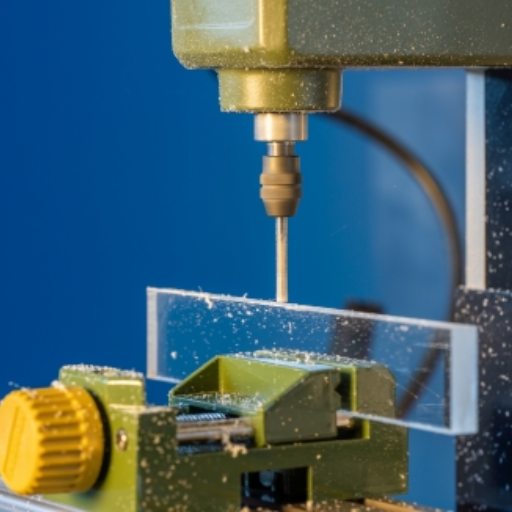
Evaluating the ease of manufacturing and installation can facilitate the project. These acrylic sheets are easy to cut, bend, and drill in almost any needed configurations. However, making a definite selection of an acrylic grade that permits these applications and retains structural integrity is substantial. The critical features have to be evaluated in order to obtain the optimized and aesthetically pleasing properties for the given application.

The casting acrylic manufacturing process sees a mix consisting of liquid polymethyl methacrylate (PMMA) resin and necessary additives being poured into a cast. These casts are normally manufactured from high-strength glass, combined with the shaping of resin into desired figures. The resin is also subjected to an initiation of the polymerization procedure all while inside the cast; this is done through a predetermined control of temperatures. This process is specifically systemic to ensure the polymerization process is uniform, which leads to the successful production of a tough material.
Once the polymerization has completed, the acrylic is slowly cured at selected temperatures; its main appeal may be the increase in structural strength and clarity of acrylic presented due to the curing process. This curing process stabilizes the material and cleans it of internal stress so that the final product does not distort. As soon as the casting has cured fully in the press, the sheet is finally released into the atmosphere of the factory where it is thoroughly cleaned and checked for quality. This step is vital to ensure that the sheets conform to specifications and remain uniform in properties.
Optical quality, strength, and resistance to weather are some of the reasons why cast acrylic is the chosen material for manufacturing sheets compared to the other common methods. Since cast acrylic opens a lot of customized forms in terms of casting parameters, such as thickness, color, and texture, applications for this product vary from architectural aesthetics to industry. This particular set of reasons makes cast acrylic the ideal choice for manufacturing and artifice; with minimum waste, the production of cast acrylic is customized to the level of the capabilities offered by the casting process.
Extruded acrylic is made through a continuous process where the acrylic resin is melted and then extruded through a die into sheets or various other forms. Unlike cast acrylic, extruded acrylic is manufactured in bulk and hence relatively very economical for a number of applications. The benefit of this method is producing extrusion sheets with great consistency in thickness among very large sheets, which is helpful in industries that need precise dimensions.
The raw material, acrylic in the form of pellets, is heated to a molten state. This is then extruded through a die, shaped, and quickly cooled once outside to achieve the required form. After solidifying the acrylic, the cooling method could be with air or water, allowing for proper stabilization without cloudy formations or internal strain. The acrylic is later cut to a given width—about thirty inches in our case—ensuring an even distribution.
Extruded acrylic is arguably a cost-effective option with a high level of clarity and wide potential for mass production. It may not fully maintain the same optical and surface quality in contrast to cast plexiglass, yet extruded acrylic finds heavy use in signage, displays, lighting diffusers, and protective barriers. Simple in its making, with quick turnarounds and a competitive price point, it is a favorite for projects focused on economy and monotony.
There are limitations and improvements of different types in each method one may choose from casting or extrusion for an acrylic project. Considered to be a contemporary and less expensive technique, extrusion is incredibly rapid while being less costly, making it ideal for large-scale production. Extrusion is also best for ensuring material uniformity across thickness levels, making it an apt choice for projects prioritizing cost-efficiency over total precision. Despite these advantages, extruded acrylic may be lower on optical clarity and durability compared to premium applications.
Cast acrylic is produced using a more complex method and takes a fair amount of time, which gives it superior optical properties and ultimate clarity. It provides unparalleled customization facilities that support a variety of thicknesses and shapes. Being as tough as nails and crack-resistant under stress, cast acrylic remains a preferred option for applications where long life and a fine finish are critical—classic examples being fish tanks, prominent display components, and design projects.
Deciding on the manufacturing method ultimately comes down to the project requirements. Given the use of standard shapes and sizes under cost constraints, extruded acrylic will bear the semblance of the better option. Only when it comes to designs emphasizing high optical quality, durability, and style does cast acrylic leave behind the extruded version. Weighing all these factors, the industry can correlate material selection with allied functional and aesthetic ends.
| Feature | Cast Acrylic | Extruded Acrylic |
|---|---|---|
| Optical Clarity | Superior; fewer defects | High, but may have slight marks |
| Thickness Tolerance | Varies (+/- 15%) | Very consistent (+/- 5%) |
| Chemical Resistance | Excellent; resists crazing | Good; more prone to solvent stress |
| Manufacturing Cost | Higher (Labor intensive) | Lower (Mass production) |
The durability and impact resistance are major factors to consider between cast and extruded acrylics. Cast acrylic is generally more durable and not easy to crack under stress, as it is manufactured with a higher molecular weight. This adds to its robustness, hence it is much suited for applications demanding longevity or heavy use, like outdoor installations or heavy usage displays.
Extruded acrylic is still a strong material; however, it doesn’t stack as high against impacts as the cast-acrylic type does. In the case of extruded acrylic, it has a lower molecular weight, hence can easily get scratched or cracked under pressure or sudden impact. However, it does stand up well under consistent but lighter loads, making it adequate for applications that do not require much resistance to impact, such as indoor displays or protective barriers.
The selection between cast and extruded acrylic mostly depends on the application. In the case of severe wear, stress, or environmental factors, cast acrylic is the material of preference. In contrast, extruded acrylic is a low-cost option for fairly simple surroundings for which moderate durability will generally suffice.
Acrylic sheets are well-known for their clear optical properties that provide better transmittance of light. The clarity and light transmission strength are usually the reasons for which cast and extruded acrylic sheets are used. Up to 92% of light can be transmitted through these sheets, making them popular for applications where transparency and brightness are preferred. Such light transmission is the same as that of window glass, but what acrylic sheets provide is light weight and unbreakability.
In many standard applications, there isn’t much difference in optics between cast and extruded acrylic. Cast acrylic often provides a superior surface quality and fewer optical defects because of the way it is made. This type is therefore more suitable for jobs where a uniform appearance is critical, such as high-end signage or premium display cabinets. Though extruded acrylic is still clear, it may sometimes exhibit slight defects reflecting the way it is shaped. The extruded type is still perfect for less critical uses.
When it boils down to optical properties, both have low absorbances and are basically transparent in most applications. The choice between cast and extruded will normally be decided by the project at hand rather than mere differences in quality level. These projects will vary based on budget, vision, and environmental particularities.
Comparing the cast and the extruded version, either will show excellent resistance to various chemicals, including diluted acids, bases, and oils. However, cast acrylic generally provides slightly better resistance to chemicals due to its molecular structure. This makes it more suitable for applications expected to be exposed to hard substances.
As far as environmental considerations go, longer-lasting outdoor life and weather stability—including sunscreens that prevent yellowing—are exhibited by both cast and extruded acrylics. However, there is a slight advantage in weather stabilization for cast acrylic. This being so, a material having high resistance to warming and extreme cold is suitable for outdoor applications in many climates.
Whether to choose cast or extruded acrylic for chemical resistance and outdoor durability depends on specific project requirements. If chemical resistance and weatherability are top priorities, cast acrylic is often selected. However, extruded acrylic remains the cost-efficient, practical choice where conditions are less stringent.
When comparing cast and extruded acrylics, one of the main factors to consider is the thickness tolerance. Cast acrylic generally experiences more variation in thickness because it is poured into molds. This lack of predictability means it is less committed to precision than extruded acrylic, but it yields a wide choice for customization, as it can be created in a broader range of thicknesses and shapes.
This results in an extruded acrylic that is consistently uniform in its thickness across wide sheets. Such tolerances are highly recommended for applications requiring complete standards in the thickness and rigidity of materials. The trade-off is that extruded acrylic generally offers fewer choices for differing thicknesses and shape formats than cast acrylic, which is mainly made for producing standardized formats.
The project decides whether cast or extruded versions will be used based on the need for tolerance and customization. Extensive machining or versatility in thickness would favor cast acrylic. In cases where cost containment and precision are important, the extruded option will likely give the best overall result.

Several factors govern the costs of cast and extruded acrylics, including production processes, raw materials, and application needs. Cast acrylic is typically costlier due to its labor-intensive production process where liquid acrylic is poured into molds and cured slowly. This process opens many customization options and thicker sheet availability but adds to manufacturing costs. On the other hand, extruded acrylic is produced by continuously pushing molten acrylic through rollers, making its manufacture faster and cheaper.
Another important concern with pricing is waste and efficiency. Especially regarding unusual shapes and cuts, cast has an advantage due to minimized waste during production. Waste is also reduced in hauls of extruded acrylic because the material is more uniform in thickness, which makes it near-zero waste when cut into desirable shapes. Extrusion is less labor-intensive in comparison. When large volumes are required, the versatility and cost-efficiency of extrusion come in handy.
In the end, the choice should take both cost and performance into consideration. For high clarity optics, excellent weathering, and texture-definition machining, the costs associated with cast may be justifiable. Where precision, uniformity, and cost control top the list, extruded acrylic is generally agreed to provide the most bang for its buck.
Light transmission rate of acrylic, rivaling glass while remaining significantly lighter and more shatter-resistant.
The first important factor to consider when comparing prices of cast and extruded acrylic is the manufacturing procedure. Cast acrylic is generally more expensive as the process is labor intensive. This results in greater clarity, strength enhancement, and more variable options. Thus, most people prefer cast for applications that require aesthetic or specialized work.
Acrylic from the extrusion process is constructed over a long period. It is a natural product of a high-speed production line. Extruded acrylic is a lot more economical than cast material. While its optical clarity and strength may not always measure up to the cast variety, it is stable in thickness and well-suited to applications where high precision is a must. Concerning costs, its lower price makes extruded acrylic a great pick for bulk purchases where a tight budget is in effect.
The price variance between the two is a reflection of their strengths. The higher pricing of Cast Acrylic is justified if one needs special features, while Extruded Acrylic is best for fine features and uniformity for general applications. Judging between the two depends solely on the specific necessities and the budget of the project.
When considering long-term value, we must examine how the material performs in actual service. In general, Cast Acrylic is more durable and stands tough under severe service conditions such as UV exposure or extreme weather. It is a cost-effective choice for long-term projects because it is strong and resistant to scratches—warranting its initial investment over time when deployed in locations with high wear and tear.
However, while not as suited for high durability specifications as cast acrylic, Extruded Acrylic is liked for its less expensive supply points and is best suited for high-volume, budget-conscious designs. It is often preferred for controlled environments where routine use restrictions apply, such as indoor signage that doesn’t face outdoor exposure. This makes Extruded Acrylic a tight preference for certain applications.
The dilemma between the two depends on the needs of a project. Cast Acrylic remains the economically viable choice when the prime value is durability. The extra use value puts it ahead of Extruded Acrylic in long-term reliability. For applications demanding both durability and a lower price point, Extruded Acrylic can sometimes serve as a temporary replacement without compromising operativeness.
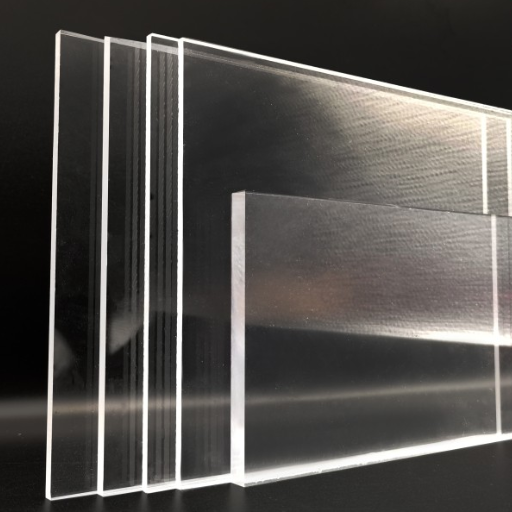
When laser engraving, Cast Acrylic turns a frosty white, whereas Extruded Acrylic remains clear. Choose Cast for high-contrast engraving projects.
When optical clarity, strength, and weather resistance are critical, it is best to use cast acrylic. Display cases, signage, and glazing materials are ideal where scratch resistance and brilliance guarantee structural superiority. In addition, its durability allows it to be shaped to high precision for complicated designs, making it an excellent choice for creative projects.
Impact and environmental resistance are other key requirements for cast acrylic, as it can withstand harsh ambient conditions, making it suitable for skylights, aquariums, and exterior panels. Its durability ensures it withstands yellowing or warping over time due to sunlight or temperature shifts.
Machining is another area where cast acrylic is highly useful. This material can be drilled, engraved, or cold-formed with ease; thus, it is a preferred material in industries like architecture and manufacturing. Whether used as a cover for technical equipment or as part of an artistic fitting, cast acrylic provides a professional appearance alongside efficient operation.
Extruded acrylic suits a number of practical applications. It is valuable for its light weight and cost-effectiveness, making it an excellent choice for budget-conscious projects. In window configurations and retail displays, one can rely on its clarity and capacity to be machined easily.
Extruded acrylic benefits from the practicability of being formed and cut for customized, precise applications. This acrylic is particularly suitable if it is to be thermoformed. It softens at lower temperatures compared to most other acrylics, inducing different design options and shapes unique to extruded material, which is crucial in the retail and design sectors.
There are more applications, such as the construction of sneeze guards and protective shields. The variety of colored and transparent options, combined with high impact resistance, makes it important for functionality and safety in professional environments like healthcare venues and educational institutions. Regardless of whether it is used for finishing materials or structural purposes, extruded acrylic displaces other materials in a multitude of industries.
SolidWorks and Laser Cutting: Working With Acrylic
This document discusses the properties of cast and extruded acrylic, including their applications in laser cutting and thermoforming.
Access the PDF from Carnegie Mellon University
Understanding the Art of Machining Plastics
This paper compares the hardness and cost of cast and extruded acrylic, providing insights into their machining properties.
View the document from the University of Virginia
Article optimized for WordPress Content Design Standards. Ready for publication.