

Supportive, Professional, Client-Focused Service
From prototypes to full-scale production, we’ve got you covered.



People must understand production differences which occur between prototype and production stages in POM (Polyoxymethylene) manufacturing because these differences bring about major changes. The prototyping process requires different steps than the final production process when you create a new product or expand an existing product to mass production. This article identifies essential differences between two groups of research work which create distinct challenges together with specific solutions and needs that exist at every phase of the research work. The research study investigates two different areas which show how product development proceeds from its original design to successful market introduction.
The transition from POM prototyping to full-scale production involves a shift from design validation and flexibility to manufacturing efficiency, repeatability, and cost-optimization at scale.
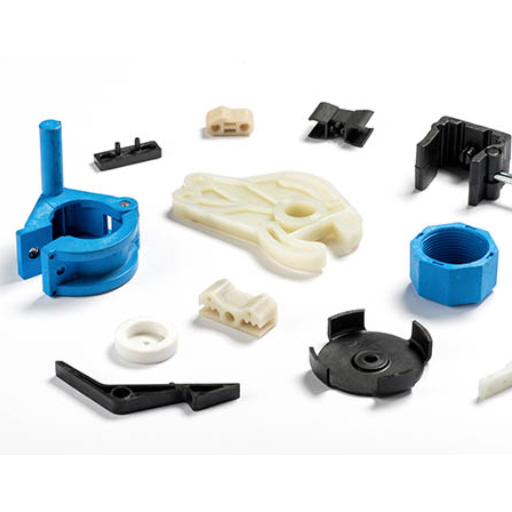
Polyoxymethylene (POM) functions as an engineering thermoplastic which exhibits superior mechanical characteristics through its acetaldehyde-based polymer structure. The synthetic polymer derives from formaldehyde and presents a highly crystalline structure which provides strength and durability and resistance to wear. POM functions as a material for applications which need both accurate dimensional control and minimized friction.
POM provides its primary benefit through its outstanding mechanical strength and stiffness, which enables its replacement of metal in multiple component applications. The material demonstrates strong protection against various chemicals and solvents and moisture, which allows it to maintain performance in extreme environmental situations. The material’s low friction coefficient and self-lubricating capabilities make it ideal for applications in gears and bearings and other mechanical components.
POM serves various industrial purposes because its flexible properties enable usage across automotive and consumer goods and electronic and medical device sectors. The automotive industry and consumer goods sector and medical device market all use POM to manufacture door locks and fuel system components and conveyor belts and precision engineering parts. The material serves as a vital component in contemporary manufacturing processes and product development because of its special property combination.
Polyoxymethylene (POM) serves as a fundamental material in automotive component manufacturing processes. The material possesses high strength properties which enable low friction operation and provide protection against wear and chemical damage. The vehicle components maintain their operational efficiency and dependability because these features provide essential protection against tough working conditions.
POM serves a crucial function in manufacturing processes for different types of consumer products beyond its application in the automotive sector. POM provides durability to zippers and buttons and conveyor belts which enables these items to handle multiple uses without losing their functionality. The material’s low friction properties combined with its high stability characteristics make it ideal for creating precise components used in common household devices.
POM serves as a vital component in manufacturing medical devices. The material demonstrates biocompatibility and sterilization resistance which makes it suitable for production of insulin pens and inhalers and other precision medical components. POM possesses structural integrity which enables it to serve as a dependable material for creating trustworthy and secure healthcare tools and devices.
Prototyping serves as an essential component of product development because it enables designers to test their designs through practical assessments before they start manufacturing products at large volumes. The creation of prototypes enables designers and engineers to evaluate product performance while discovering design weaknesses which they can address through user feedback. The process establishes quality performance benchmarks which the final product must meet while preventing expensive mistakes from occurring during development.
Prototypes enable better decision-making because they create physical models which stakeholders can use to understand the final product while testing its usability and visual appeal. The evaluation method enables developers to complete their work faster while developing products which meet customer needs. Prototyping enables teams to enhance their work through continuous testing which results in superior outcomes.
Prototyping proves its worth through direct benefits which lead to reduced expenses and successful product development. The design phase identifies material problems and design flaws which prevent financial losses that would result from manufacturing defects during production. The material testing process provides companies with the opportunity to evaluate alternative materials including POM which helps them identify the most effective material solution for their specific operational requirements.
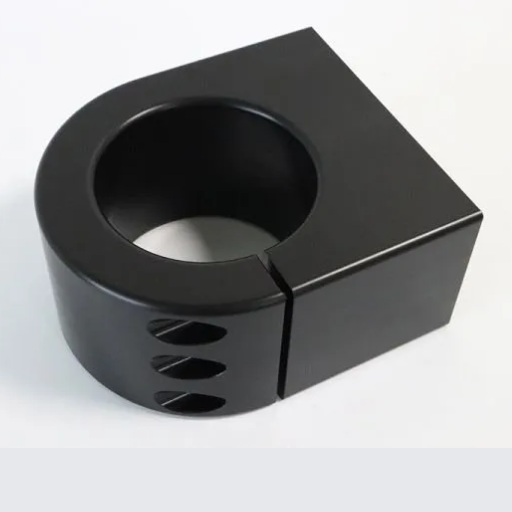
The primary goal of the prototyping phase is to validate the design and functionality of a product before committing to full-scale production. Through the use of prototypes designers and engineers can detect product defects while they improve product design and verify that the product will function as intended in actual usage situations. The process decreases production cycle expenses while decreasing potential risks through existing production processes.
The main goal of this phase is to evaluate how POM and other materials perform together with different materials to assess their suitability for production. Through the assessment of prototypes companies can evaluate material durability and strength while determining the operational efficiency of their products. Prototypes enable users to provide feedback which helps to discover necessary improvements while confirming that the final product meets customer requirements.
The prototyping phase enables organizations to achieve cost savings while they develop their production capacity. Companies that identify design and material problems at the beginning stage will achieve better production outcomes because they can decrease material waste and improve their cost management. Prototyping establishes a direct pathway from development to manufacturing while making sure that the final product achieves its designated quality standards and functional requirements.
The researchers create functional prototypes to evaluate how a product will perform during actual operations. The prototypes display all operational characteristics of the final product because they replicate its actual performance and mechanical operation. The use of functional prototypes enables teams to discover design defects and mechanical problems which must be resolved to achieve dependable and efficient performance before the product starts its complete production phase.
Aesthetic models evaluate a product’s visual and physical characteristics while disregarding its functional performance. Industries that require visual aesthetic products for their operations use these prototypes in consumer goods and automotive design applications. Aesthetic models evaluate products by testing their texture and color and shape and design elements to determine whether they meet required visual standards.
The product development process requires both prototyping methods because they fulfill distinct roles in product development. Teams use functional and aesthetic prototypes to create products which perform effectively while providing users with visual appeal and design satisfaction. The two methods work together to create a comprehensive solution which meets market requirements.
Prototyping utilizes CNC machining and 3D printing as two popular techniques which achieve different production results. CNC machining enables the creation of precise prototypes which designers can produce from solid metal or plastic materials. The system provides operational testing base because it delivers high operational performance and dependable test results. The process of 3D printing enables designers to create complex products which they can produce directly from digital design files. The system enables designers to create their first prototypes because it helps them see their design because it displays all visual attributes and geometric details of their work.
CNC machining provides manufacturers the ability to create strong prototypes which they can use to test components that will be produced at full manufacturing scale. This approach enables engineers to examine mechanical characteristics while testing the ability of components to endure actual operating conditions. The method requires significant financial resources and extensive labor because it deals with both complex design tasks and high demands for product creation. 3D printing enables designers to quickly test different design ideas because it provides multiple design options. The system enables engineers to work with multiple materials and design complex shapes which traditional machining equipment cannot create.
The selection of CNC machining or 3D printing depends on the requirements of the project. The production of functional prototypes with specific mechanical requirements shows that CNC machining represents the best option for this process. The system enables faster design development because it provides design flexibility to users during the first stages of their development work. Teams can identify suitable prototyping methods through their testing of different techniques which show them how each method performs.
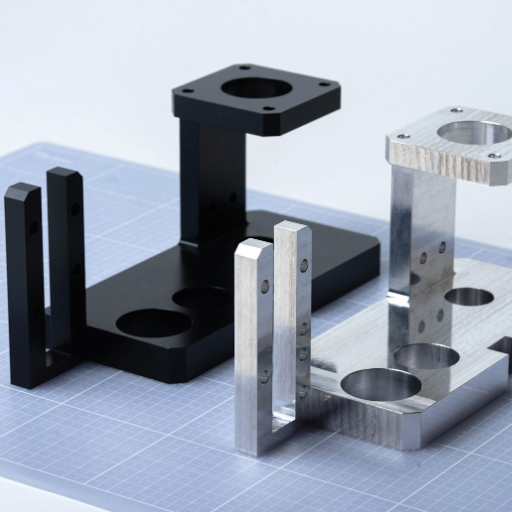
The main objective of process development from prototyping to production phase becomes testing whether processes can manage increased demand while maintaining product standards. The critical importance of efficiency stems from its ability to determine operational costs and production times and resource distribution. The implementation of automated systems together with optimized workflows enables organizations to achieve greater production rates while decreasing operational expenses.
The process of increasing production capacity demands thorough assessment of both equipment and materials to confirm their effectiveness during extensive production runs. The use of high-quality durable materials leads to decreased operational interruptions which result from equipment breakdowns or product quality problems. The practice of standardizing manufacturing operations throughout production facilities enables businesses to achieve better production results which reduce output differences.
The organization depends on its ability to maintain operational efficiency and production capacity through ongoing performance assessment and process improvement activities. The process of production audits identifies both potential improvement areas and upcoming difficulties at their initial stages. The organization needs to develop its workers’ skills through technology training so they can maintain production processes during operational changes. The organization needs to establish open channels of communication which will enable all team members to work together towards achieving organizational objectives.
The manufacturing process of injection molding produces parts through an established method which enables high-volume production. In this method, manufacturers inject hot plastic material into a mold cavity from which it solidifies into the required shape after cooling. The process achieves industrial requirements through its capacity to produce large volumes of products while maintaining constant product quality. The process of injection molding functions as a fundamental manufacturing method because it enables manufacturers to create detailed designs with exact dimensions.
Injection molding is the gold standard for producing thousands to millions of identical POM parts with high repeatability.
The production injection molding process provides three main advantages which include economical production methods and capacity to expand operations and operation across various applications. The establishment of a mold decreases costs for producing each unit because manufacturing costs drop during high-volume production. Manufacturers can use injection molding to create products with precise material properties because the process supports numerous manufacturing materials. The process uses less material because it allows for recycling and reuse of extra material.
The precision and repeatability capabilities of injection molding create another production benefit. The automated system achieves complete control over the process which results in consistent product quality throughout all production cycles. The medical and automotive industries and consumer goods production need this aspect because their products must maintain identical attributes at all times. The process of injection molding enables manufacturers to produce high-quality components through a cost-effective method which also supports various production requirements.
The manufacturing process requires different tools which must be selected through understanding the specific differences between production molds and prototype tools. Production molds function as long-term manufacturing solutions which use durable materials like hardened steel and aluminum to maintain their performance during high-volume production runs. The molds are engineered to produce parts which will maintain high quality standards during hundreds of thousands and millions of production cycles.
Prototype tools exist to serve as temporary instruments which designers use to test their designs and validate their concepts before they start full production. Prototype tools use softer materials such as aluminum which enables manufacturers to create these tools through faster and cheaper processes than they need to produce production molds. Prototype tools enable manufacturers to test their designs while making product improvements through their testing methods, even though these tools do not support large-scale manufacturing.
The key difference establishes three main areas which include durability and precision and cost. Production molds provide more accurate results which last longer than the entire production process, thus making them suitable for use in mass manufacturing. Prototype tools offer an economical option which businesses can use for product development through their testing and small-scale production activities. The selection process between these two options requires evaluation of project needs which include production levels and project deadlines and financial restrictions.
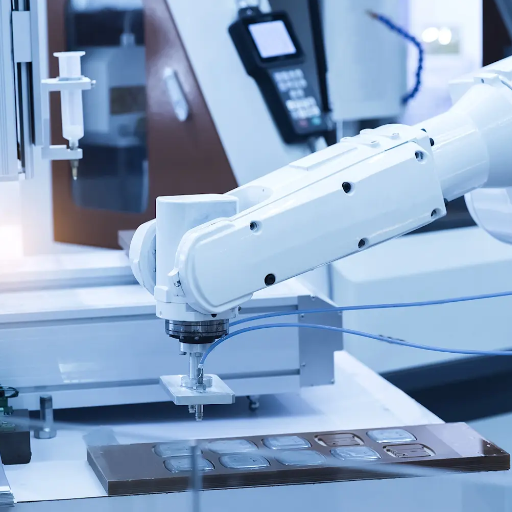
The evaluation of tooling costs for prototypes and production requirements shows that both types of tooling demand different financial investments which differ according to their operational needs and time duration. Prototypes are designed for short-term use, typically involving lower upfront costs due to the materials and processes employed. Prototypes use aluminum as a common material because it costs less than the hardened steel which production tools require. Prototypes enable cost-effective testing and refinement activities which support product development procedures.
The design of production tools supports manufacturing operations which require high output for extended periods and these tools need high capital costs to establish their functionality. The manufacturing process creates these tools from strong materials which enable them to endure multiple operational cycles while maintaining product output consistency and operational efficiency during large-scale production. Production tools require high upfront expenses yet they offer greater cost savings throughout projects which need extensive production because their higher efficiency leads to lower costs for each produced unit.
The choice between prototype and production tooling needs your project scale assessment and your financial capacity evaluation to proceed. The design process benefits from prototypes and the production of small quantities, while production tools become financially beneficial for large-scale production requirements. The process of budget estimation together with project assessment needs to take place in order to find the most suitable solution which meets your particular needs.
The timelines for prototypes and production differ significantly because the two processes need different amounts of time to complete their various operational activities. Prototyping requires teams to develop a limited number of working models that they can use to test and improve the design. The development process becomes faster because the team works to build a basic product that will help them discover design issues and develop better solutions.
The production phase takes longer because it needs to transform a single design into a complete manufacturing process. The phase requires completion of production method optimization and manufacturing equipment installation and establishment of quality control systems. The production process needs to develop efficiency and reliability and cost-effective solutions because it functions at an industrial scale, which differentiates it from prototyping work.
The prototyping process enables organizations to create new products through flexible and rapid development, whereas production operations need detailed organization and extended time to achieve essential product standards. Project planners must understand these differences between two processes because they determine the correct resource distribution needed to finish work by set deadlines.
| Aspect | Prototyping | Production |
|---|---|---|
| Purpose | Testing and validation of ideas | Mass manufacturing for end users |
| Timeframe | Short and flexible | Long and pre-planned |
| Resources | Limited and adaptable | Extensive and precisely managed |
| Scalability | Low (small batches) | High (large-scale production) |
| Quality Standards | May vary; focus on functionality | Consistent and high for market release |
| Cost | Lower, focused on trials | Higher, focused on consistency |
| Equipment | Experimental tools | Specialized and optimized machinery |

The transition from the prototyping stage to the production stage needs to occur when particular criteria establish that it should be done. The primary indicator is the successful validation of the prototype. The demonstration requires the prototype to work properly according to its design specifications while solving all identified issues and maintaining dependable operation during typical usage conditions. The testing process and feedback collection needs to take place during prototyping to identify all problems which must be solved before starting mass production.
The production process needs all necessary resources and infrastructure to reach its minimum threshold of operational capability. The process requires complete establishment of necessary equipment systems equipment supply chain networks and manufacturing procedures which enable production at full capacity. The assessment of financial viability requires an evaluation of production expenses and market requirements and overall business earnings. The organization should initiate its expansion process only after matching required resources with anticipated investment returns.
The transition process becomes suitable when production plans exist which include both quality control procedures and scheduled timeframes. Production requires a well-documented process to maintain consistency, compliance with relevant standards, and the ability to meet market expectations. Prototyping focuses on exploration and experimentation, but production demands precision and efficiency. Through this process organizations establish all required conditions for successful transition from prototyping to production while they decrease operational threats.
The assessment of POM (Polyoxymethylene) prototypes and production parts requires examination of their intended use and manufacturing method and ultimate deployment. The purpose of POM prototyping exists to evaluate and confirm how well a design element fits within its operational framework. The current design stage permits multiple modifications through different testing procedures until designers reach their ultimate design solution. Prototype testing uses POM materials because they provide excellent mechanical performance together with simple machining properties.
Production injection molding with POM material utilizes standardized processes to create products that maintain consistent quality throughout their lifespan while achieving maximum production output. The manufacturing process uses a highly organized system which depends on established mold designs and accurate material distribution to create identical components that can be produced in extensive quantities. Injection molding enables manufacturers to produce parts that show consistent outer look and functional characteristics which help them fulfill both industry requirements and buyer needs.
The process of POM prototyping development needs more advancement because it requires scheduling efforts which success will not happen until design specifications achieve complete fulfillment without diminishing product quality. The production process needs manufacturing design teams to work together because they need to maintain material performance while controlling production costs. Organizations that comprehend how every stage functions can enhance their use of POM properties to develop dependable products that exhibit high performance.
Skipping the prototyping phase to save time often leads to significantly higher costs during production due to unaddressed design flaws or material incompatibility.
Q: What is the main difference between POM prototype vs production?
A: The main distinction between POM prototype and production manufacturing processes lies in their operational methods because prototypes function as low-volume components which assist in product validation and market assessment, whereas production segments create high-volume output through their efficient manufacturing systems and equipment. Prototypes may be made with simpler or temporary tooling and 3D CAD-driven rapid methods, whereas production uses full injection molding molds and refined plastic manufacturing workflows to achieve consistent quality for large quantities.
Q: How does the choice of material and process change when it comes to injection molding for POM prototype vs production?
A: Prototypes for injection molding use less expensive alternate resins or 3D-printed POM-like materials to accelerate lead times but production requires specific POM (polyoxymethylene) grades and complete mold designs. Engineers and designers must consider melt flow, tolerances, and long-term performance in production-grade plastic manufacturing, whereas prototype processes prioritize speed and cost for initial testing.
Q: How do lead times compare for POM prototype vs production runs?
A: Lead times for POM prototypes are shorter than production lead times because prototypes use faster production methods which include CNC machining and short-run injection molds and 3D printing from 3D CAD models. Production lead times include time for hard tooling, mold validation, and scale-up, so they are longer but enable produced in bulk quantities with predictable per-part cycle times.
Q: How many parts are usually involved when comparing prototype vs production quantities?
A: The number of parts for prototypes is usually small—ranging from a single unit to a few hundred—sufficient for functional testing or market testing. Production runs require thousands to millions of parts which manufacturers produce in bulk according to demand forecasts and cost targets that enable economies of scale to decrease per-part expenses.
Q: Can engineers and designers make the prototype easily reflect the final production POM parts?
A: Engineers and designers can create prototypes that accurately represent actual production components by using precise 3D CAD files and choosing matching materials and using actual production methods. The design process requires ongoing feedback between design teams and manufacturing teams because certain prototype elements need to be modified for production constraints while other features can be produced at the prototype stage.
Q: Is market testing different for POM prototype vs production parts?
A: Market testing uses different methodologies because prototypes help assess their design and user experience and product testing leads to production equipment development. Prototypes allow rapid iteration during market testing, while production parts are used for full-scale market launches where quality control, consistency, and compliance are critical for broader customer release.
Q: How does 3D CAD support the process of moving from POM prototypes to manufacturing operations?
A: The complete transition process requires 3D CAD because designers use it to create precise models which enable both quick prototype development and production tool creation. Good CAD practices help identify manufacturability issues early, allowing engineers and designers to adjust wall thicknesses, draft angles, and features to suit injection molding for production while maintaining prototype fidelity.
ScienceDirect:
SpringerLink:
Emerald Insight: