

Supportive, Professional, Client-Focused Service
From prototypes to full-scale production, we’ve got you covered.


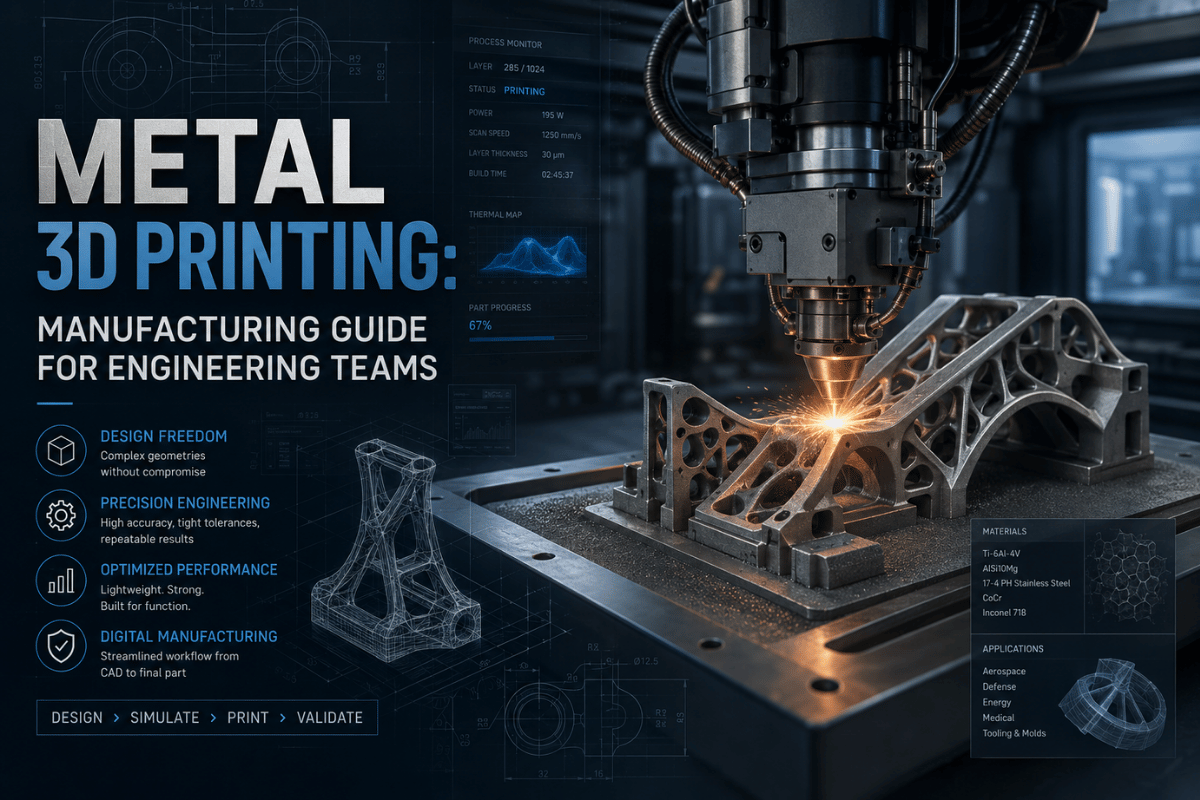
Metal 3D printing can produce functional metal parts from a digital model, but the buying decision is not just “can it print metal?” It depends on the process, alloy, geometry, finishing route, inspection plan, and whether a metal 3D printing service can control the risk better than an in-house printer purchase.
This table is useful as a first-pass screen. Treat exact tolerance, lead time, and availability as quote assumptions until the supplier has seen CAD, part orientation, finish, and inspection requirements.
| Spec Area | Buyer Baseline | Why It Matters |
|---|---|---|
| Main industrial routes | Direct metal laser sintering (DMLS), selective laser melting (SLM), electron beam melting (EBM), metal binder jetting, DED, and related 3D printing technologies | Each route changes density, support strategy, cost, and post-processing. |
| Powder bed fusion energy | Laser or electron beam | Energy source affects material range, thermal stress, and qualification path. |
| Common alloys | 316L, 17-4PH, Ti-6Al-4V, AlSi10Mg, Inconel 718, CoCr | Alloy choice drives corrosion resistance, temperature behavior, and inspection needs. |
| Lecreator metal AM routes | DMLS and SLM for titanium, stainless steel, and aluminum | Good fit for aerospace, medical, and high-performance metal parts. |
| Precision target | Lecreator service page states +/-0.1 mm precision | Use this as a service claim, not a universal tolerance for every geometry. |
| Post-processing | Stress relief, support removal, surface finishing, machining, inspection | A printed part is rarely quote-ready when it leaves the build platform. |
| Quality references | NIST metrology, ASTM surface texture and NDT standards | Inspection language should be part of the RFQ, not added after a failed print. |
| Best commercial use | Complex geometry, internal channels, low-volume metal parts, high-value alloys | The process wins when geometry changes the manufacturing case. |
Metal 3D printing is additive manufacturing for metal parts: material is added layer by layer rather than cut away from bar stock. In industrial powder bed fusion, a laser or electron beam fuses a thin layer of metal powder, the build platform drops, and the next layer of powder is spread.
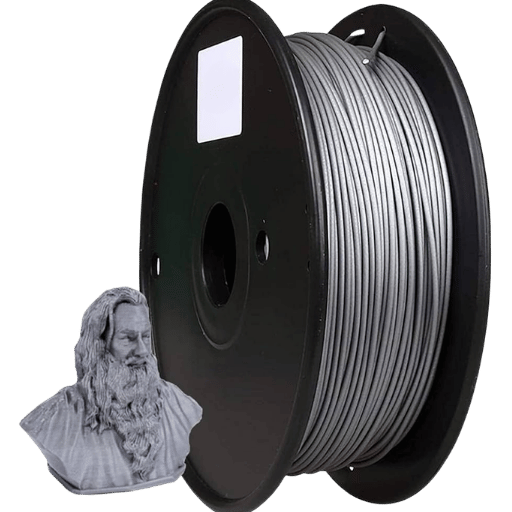
That is different from a desktop metal 3d printer running metal-filled filament. A filament part may look metallic and may contain metal powder, but it usually needs debinding and sinter steps before it behaves like a full metal part. A buyer asking for load-bearing stainless steel, titanium, or aluminum parts should not treat decorative metal PLA as a substitute for DMLS, SLM, or another industrial 3d printing process.
Not in the same sense as industrial metal additive manufacturing. A normal desktop printer can extrude a metal-filled polymer filament, but it does not create a fully functional metal part by itself. Real metal AM needs controlled heat, metal powder or bound metal feedstock, process parameters, and usually post-processing. TWI distinguishes metal AM processes such as DMLS, SLM, and EBM from standard desktop printing.
Common mistake: sending a metal-look prototype request when the engineering need is actually strength, corrosion resistance, heat behavior, or certification. Start the conversation with the final load case, not the printer category.
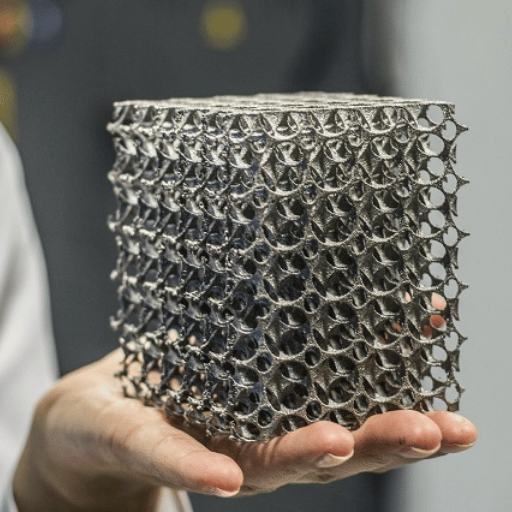
Most buyers don’t have time for a class discussion over every abbreviation. Instead, they need a clear indication of the option that best suits the choice of a particular metal material, geometry, strength target, post-processing requirement and final inspection.
| Process | Material Format | Good Fit | Watchpoint |
|---|---|---|---|
| DMLS | Layer of metal powder | Functional metal part prototypes and low-volume end-use parts | Support structures, heat treatment, and machined interfaces |
| SLM | Metal powder, full melting language often used | Dense metal components where mechanical properties matter | Thermal stress and orientation planning |
| EBM | Metal powder, electron beam in vacuum | Titanium and high-value regulated applications | Machine availability and qualification route |
| Binder jetting | Powder plus binder, then debind and sinter | Higher part counts where shrinkage can be controlled | Sinter shrink, density, and dimensional compensation |
| DED | Powder or wire fed into an energy source | Repair, large features, and near-net shapes | Coarser detail and more finishing work |
For Lecreator buyers, DMLS and SLM are the relevant metal routes on the 3D printing service page. Pair this section with the broader 3D printing service guide if you still need to compare metal AM against FDM, SLA, SLS, or MJF.
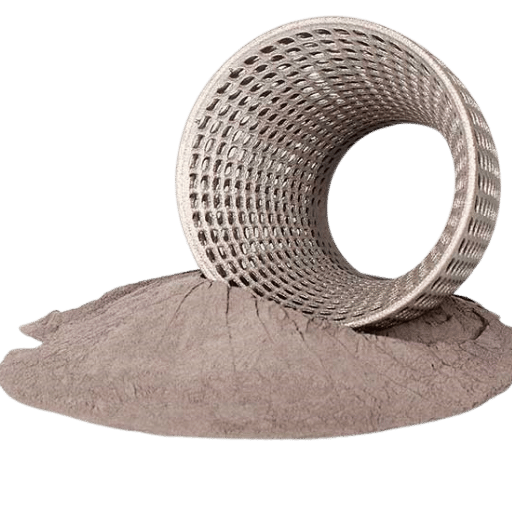
Printable metal alloys vary by process and supplier. TWI lists titanium, steel, stainless steel, aluminum, copper, and precious metals as materials used in metal 3D printing, while Lecreator RFQs can cover titanium, stainless steel, and aluminum for DMLS/SLM work.
| Alloy Family | Typical Reason to Choose It | Procurement Note |
|---|---|---|
| 316L stainless steel | Corrosion resistance and ductility | If the final design is simple, compare with stainless steel CNC machining. |
| 17-4PH stainless steel | Strength and hardness after aging | Confirm heat treatment condition in the RFQ. |
| Ti-6Al-4V titanium | Strength-to-weight ratio, corrosion resistance, biocompatibility | For prismatic features, compare with titanium CNC machining. |
| AlSi10Mg aluminum | Lightweight parts that need thermal properties and structural value | For flat, milled, or tapped features, include an aluminum CNC machining fallback. |
| Inconel 718 | High temperature, oxidation, and mechanical loading | Ask for heat-treatment condition and inspection plan. |
| Cobalt chrome | Wear and corrosion resistance in demanding applications | Match material certificate and finishing needs to end use. |
No single strongest answer exists. Titanium, nickel superalloys, cobalt chrome, and heat-treated stainless steels can all be strong in the right condition. Strength depends on alloy, powder quality, orientation, porosity, heat treatment, surface finish, and the test method. NIST’s metal AM work focuses on AM-processed alloys, fatigue, fracture, and measurement science because those details change real performance.
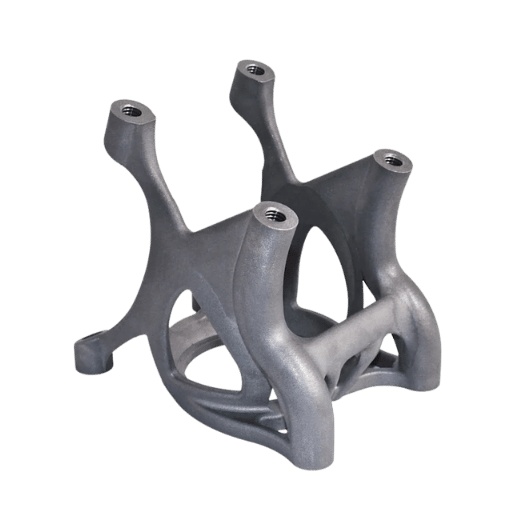
Start with this design rule: do not send a CNC model to metal printers and expect the process to fix it. Metal AM rewards complex geometries that use additive freedom, but it punishes trapped powder, inaccessible supports, thin unsupported walls, and surfaces that need post-machining after they are buried inside the part.
| Gate | Pass Question | What to Send |
|---|---|---|
| 1. Geometry | Does the part use internal channels, lattice, consolidation, or complex geometry? | STEP file plus screenshots of critical features. |
| 2. Alloy | Is the alloy available in the chosen process? | Target alloy and acceptable alternatives. |
| 3. Orientation | Can the build direction protect load path and finish? | Load direction and cosmetic faces. |
| 4. Supports | Can supports be removed without damaging the printed part? | No-support zones and access limits. |
| 5. Powder removal | Can loose powder escape from channels and cavities? | Section views and drain-hole intent. |
| 6. Finish | Which features need machining, threads, polishing, or sealing? | Critical-to-function dimensions. |
| 7. Inspection | What proof is needed before use? | Inspection report, material certificate, or test requirement. |
Use these as discussion ranges, not universal process limits. The supplier still has to confirm alloy, machine, orientation, support plan, inspection route, and whether ISO/ASTM wording belongs in the drawing package.
| DFM Item | Starting Range to Discuss | RFQ Note |
|---|---|---|
| Powder-bed layer thickness | 20 μm to 60 μm | Ask whether finish or build speed matters more. |
| Thin wall review | 0.8 mm to 1.5 mm | Flag walls that carry load or need polishing. |
| Powder escape holes | 2 mm to 5 mm | Show trapped cavities in section view. |
| Machining stock | 0.2 mm to 0.8 mm | Reserve stock for bores, sealing faces, and bearing seats. |
| Surface roughness target | Ra 6.3 μm to Ra 12.5 μm | State whether bead blast, polish, or machining is acceptable. |
| Critical tolerance claim | +/-0.1 mm service claim | Treat critical features as inspection items, not assumptions. |
| Inspection sampling | 100% critical dimensions | Separate critical-to-function dimensions from reference dimensions. |
| Support contact cleanup | 0.3 mm to 1.0 mm allowance | Mark cosmetic faces where contact scars are unacceptable. |
| Flat sealing faces | 0.1 mm to 0.3 mm finish stock | Call out faces that need milling or grinding after printing. |
| Threaded features | 2 mm to 6 mm pilot review | Confirm whether threads are printed, tapped, or inserted. |
| Test coupon request | 10 mm x 10 mm x 10 mm coupon | Use only when the part requires material or finish evidence. |
ISO/ASTM design guidance for laser-based powder bed fusion of metals appears in ASTM’s current additive manufacturing standards list. Use that as a reminder: metal AM design is a manufacturing method, not a file export setting, so design tips need to become RFQ inputs. If your design still needs flat mating surfaces or precision holes after printing, plan CNC milling for post-machined surfaces or wire-cut release early.
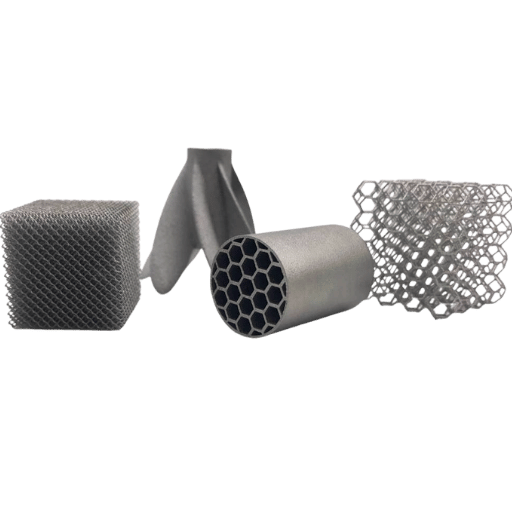
A printed metal part is not automatically a finished metal component. Machine output is the near-net shape; the production route still has to manage residual stress, supports, loose powder, surface roughness, threads, dimensional accuracy, heat treatment, and inspection evidence.
| Requirement | As-Built Risk | Better RFQ Language for Post Processing |
|---|---|---|
| Tight bore or thread | Printed dimensions may not meet final fit | Print near-net, then machine bore/thread to drawing. |
| Sealing face | As-built surface may leak or wear | Machine or polish marked sealing surfaces. |
| Fatigue-loaded arm | Surface texture and pores can reduce fatigue life | Define finish, heat treatment, and test coupon needs. |
| Medical or aerospace part | Unclear validation packet | Ask for material traceability, inspection level, and process validation notes. |
NIST frames metal AM as a measurement and metrology problem as much as a printing problem, and ASTM’s standards list includes surface texture measurement and nondestructive testing for laser powder fusion parts. For regulated medical devices, treat validation and testing language as separate compliance work rather than a late drawing note.
“For metal AM, a clean quote is not only a price request. It is a measurement plan: what must be printed, what must be machined, and what must be proven after finishing.”
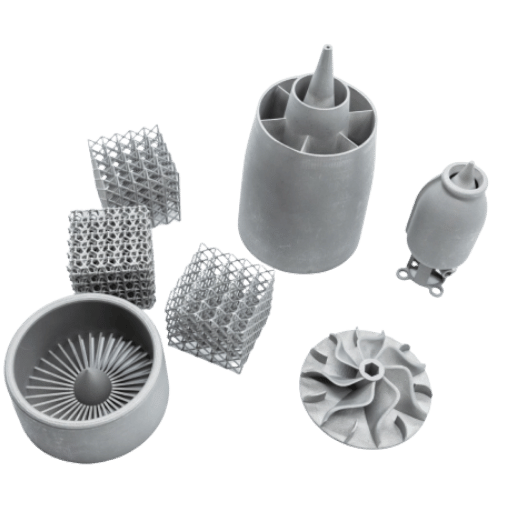
Metal AM pricing includes more than machine time. Powder handling, inert gas, build setup, supports, heat treatment, finishing, inspection, and scrap risk all sit inside the quote. OSHA notes that finely divided materials such as aluminum or iron can be explosible in dust form, and Wayne State University treats metal powders as hazardous in additive manufacturing safety guidance.
A realistic answer needs the CAD file. Two parts of the same size can price very differently if one needs thick supports, trapped-powder cleanup, post-machined bores, heat treatment, and 100% inspection. To reduce quote revisions, send a STEP file, target alloy, quantity, critical dimensions, finish, inspection needs, and acceptable schedule. If the design is simple and all features are accessible, use Lecreator’s CNC machining service as a comparison path rather than assuming metal AM is cheaper.
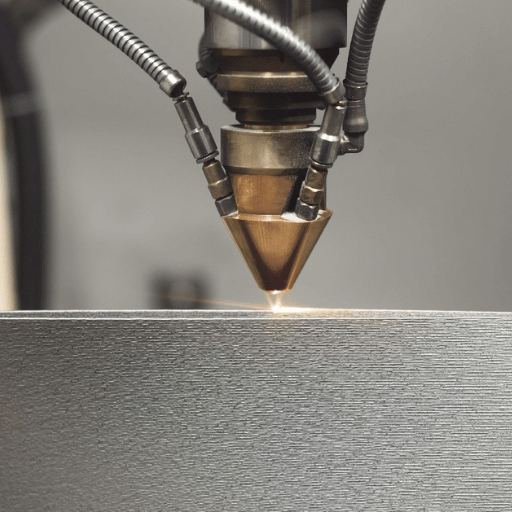
Metal AM is not a universal replacement for traditional manufacturing such as machining, casting, sheet metal, or injection molding. It creates value when additive geometry reduces assembly count, enables internal channels, shortens tooling delay, or makes a high-performance metal component possible at low volume. The point is strongest when design freedom changes the product rather than just the production method.
| Use Case | Why Metal AM Fits | Decision Note |
|---|---|---|
| Aerospace brackets | Reduce weight, improve strength-to-weight ratio, and consolidate parts | Compare qualification needs with aerospace CNC machining routes. |
| Medical implants and instruments | Custom geometry and porous structures | Plan process validation and material characterization early. |
| Heat-transfer manifolds | Internal channels that cannot be drilled conventionally | Add powder-removal path and pressure-test requirement. |
| Tooling inserts | Conformal cooling and rapid prototyping of tool concepts | Check if rapid prototyping service plus machining is faster. |
| Prototype in final metal | Test geometry before tooling or casting | If the prototype can be polymer, FDM printing may answer earlier design questions at lower cost. |
A practical scenario: a product team needs a small titanium bracket with organic load paths and cable clearance through the body. Machining it from billet would require multiple setups and leave much of the material as chips. Metal AM can print the near-net shape, then post-machine the mounting faces and holes. If the same bracket were a rectangular block with two drilled holes, CNC would likely stay simpler.
For a pilot project, add one baseline line to the RFQ before production starts: target project timeline, expected throughput, acceptable rework rate, and the production outcome that would justify moving from prototype to repeat order. If those fields are blank, the first build becomes a case study after the fact instead of a controlled deployment plan.
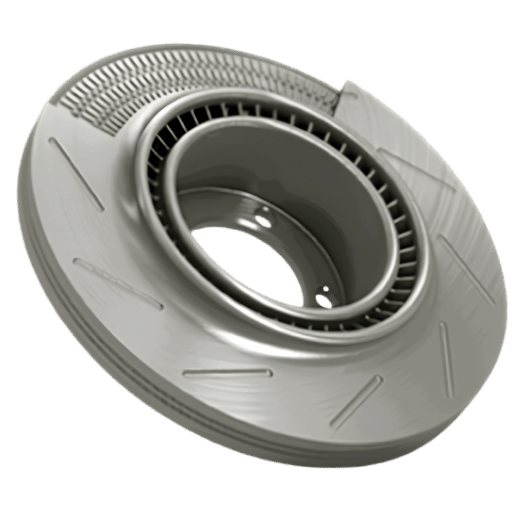
A clean RFQ reduces back-and-forth because it separates print feasibility from final part requirements. For Lecreator RFQs, relevant service signals include 50+ materials, DMLS/SLM metal printing, 24-48h express delivery, ISO 9001, AS9100, ISO 13485, and 100% dimension check language. A better packet makes the right route easier to price.
If your part has complex metal geometry, send the 12-field packet above and ask for DFM feedback before locking the drawing. If your part is flat, bent, or cut from sheet, a sheet metal fabrication services path may be more direct.
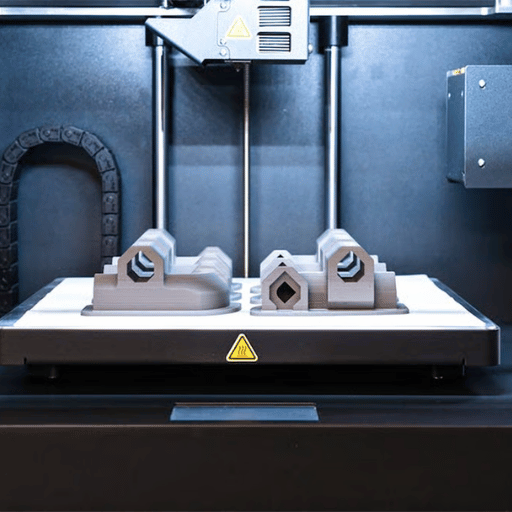
For 2026 planning, the useful question is not whether metal additive manufacturing is growing. It is which parts of the process are becoming easier to specify, qualify, and repeat. Recent search-demand signals show rising interest in industrial 3D printing and SLM 3D printing, which supports the move from curiosity to production evaluation.
Standards give a clearer signal than hype. ASTM’s current additive manufacturing standards page lists 2023 and 2024 entries for metal AM operator qualification, surface texture measurement, automotive part grades, and nondestructive testing or inspection levels for laser powder fusion parts. NIST’s metal AM pages, updated in 2025, also keep the focus on metrology, alloy performance, fatigue, fracture, and measurement standards.
For buyers, the action is straightforward: if you plan a 2026 project, write the inspection and post-processing packet before you request quotes. That lets the supplier price the manufacturing route, not guess at the risk. For medical and regulated components, cross-check the packet against the applicable device-quality requirements before prototype choices harden into production assumptions.
Yes. Industrial systems can 3d print metal through powder bed fusion, DMLS, SLM, EBM, binder jetting, or DED.
Common metal AM materials include stainless steel, titanium, aluminum, nickel alloys such as Inconel, cobalt chrome, tool steels, copper alloys, and precious metals. Availability depends on the supplier, machine, material condition, and final testing requirement.
It often is, compared with polymer printing or simple machining. Quotes include metal powder, machine setup, inert atmosphere, support removal, heat treatment, finishing, inspection, and scrap risk. The expense is easier to defend when the part uses geometry that another process cannot make well, such as internal cooling passages, lattice regions, part consolidation, or a low-volume high-temperature alloy. For simple blocks, plates, and turned shapes, ask for a machining comparison before you approve AM.
SLM is often described as fully melting metal powder, while DMLS is often described as sintering or fusing metal powder. In many procurement discussions, both sit inside laser powder bed fusion. Ask the supplier about alloy, density, heat treatment, support strategy, and inspection rather than choosing by acronym alone.
Often, yes. Supports anchor the part, provide a foundation for overhangs, and help manage heat during the build. Supports also add cost because they consume material, affect surface finish, and need removal. Design the part so supports can be reached and removed safely.
Precision depends on process, machine, alloy, orientation, geometry, and finishing. Lecreator’s 3D printing service page states +/-0.1 mm precision, but critical bores, threads, sealing faces, and bearing surfaces may still need CNC finishing or inspection-specific tolerances.
It can be very strong, but strength is not a generic property of “3D printed metal.” It depends on alloy, powder quality, part orientation, porosity, heat treatment, surface finish, and testing method. Fatigue behavior deserves special attention when the part cycles under load.
Lead time varies with build queue, part size, alloy, heat treatment, finishing, inspection, and shipping. Lecreator can offer 24-48h express delivery for its 3D printing service, but regulated or heavily finished metal parts need supplier review before the schedule is treated as firm.
Here at Lecreator, we separate factual source-backed notes from service claims. During DFM review, verify any numbers that refer to precision or delivery because metal part geometry, alloy, orientation, surface finish, and inspection can influence the price.