

Supportive, Professional, Client-Focused Service
From prototypes to full-scale production, we’ve got you covered.


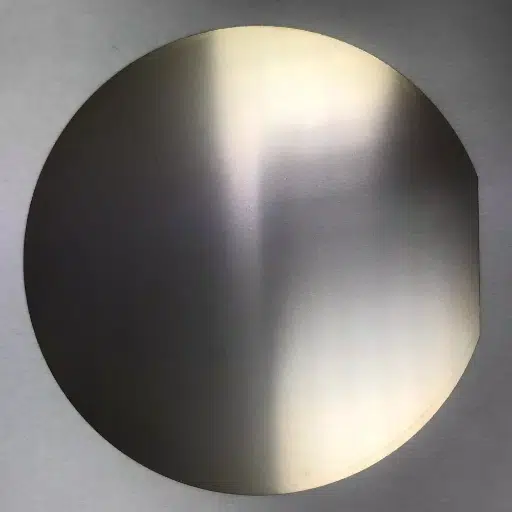
Such as in the case of titanium parts, producing the proper surface finish is as important as the material that will be used for the manufacture. It does not matter if it is about improving the function, embellishment, or conformity with the high industry standards, the surface finish in itself can really affect the final product in terms of how well it operates and how good its quality gets. Different titanium surface finish types will be examined in this post so readers will understand their advantages and use cases. Finally, the effect of many finishes on specific characteristics and uses of the titanium parts will be understood better. Let’s find out what those are.

Five Core Methods Explained
Mechanical grinding is a form of titanium smoothing performed by use of abrasives or polishing pads. It handles the smoothing of the surface to achieve a mirror-finish, which is good for aesthetics in addition to taking care of any micro imperfections on and reducing the surface.
Shot peening, on the other hand, uses abrasive grains so that a surface does not shine like a mirror but looks rather dull and similar throughout. It is excellent for minimizing the highlights in the surface while being smooth and clean to touch.
There is a vogue to paint or powder coat the oxide layer formed on titanium and this technique contributes greatly to corrosion resistance besides the aesthetics as well. For decorative purposes, this sort of a finishing is most preferred.
In chemical etching, the titanium surface is cleaned and pitted using aggressive solutions and acids. It works well for pre-treatment of parts that will be coated or bonded.
Passivation helps enhance the natural protective oxide layer in titanium or other metals causing better corrosion protection. In aggressive environments, such as medical and aerospace, it is quite common.
The titanium material finish is one of the challenges for a number of the existing mechanical straps wearers. In fact, each of the methods offers specific benefits. They help to ensure that the titanium surface finish meets the needs of function, longevity, and appeal.
Precision Fabrication at Scale
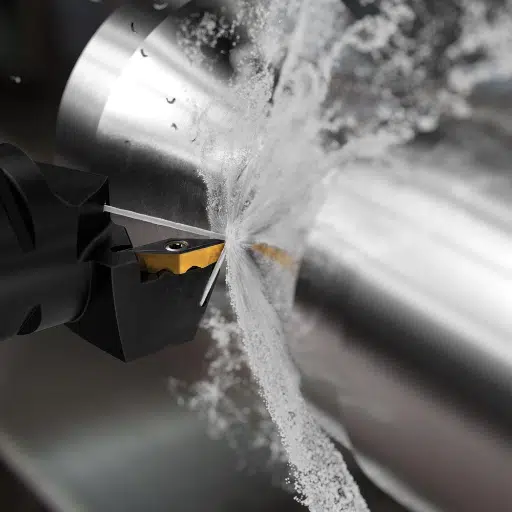
Precision titanium components are largely fabricated through CNC machining which allows models with minute details to be achieved. The reason why their usage transcends even the harshest of conditions such as final frontier, medics, and other automobiles is that they don’t compromise strength for light weight and strength at high temperatures. Working with this Assistant material can be created in many ways however each of them will service and preference unless one can its very practice in this table is well performing. Facing titanium is another aspect that makes this material difficult to work with due to low titanium surface finish botherless adhesion.
To cope with such difficulties, correct coolant usage, the use of high-performance tooling, and, sophisticated CNC Processes are very useful. The aid rendered by advance monitoring systems and software is not unique to accomplish the aforementioned goals.
It has been shared by stands that use of multi-axis CNC supporting machines increases the skills of manufacturing sophisticated interlocking titanium parts with the reduction of wastage. The combination of advanced manufacturing techniques and designing capabilities allows for machining of titanium parts that perform excellently according to their operating conditions in such high-tech industry.
Mechanical, Chemical & Electrochemical Approaches
Methods for improving the surface finish of titanium material involve the upgrading of surface of the said material, without impairing its structure. This procedure entails mechanical polishing to be carried out first, with the aid of abrasives in any available forms to damage surface disparities, if any. This cleansing employs various graded abrasives in an order such that there is a transition from the harder ones, taking off the large defects, to the softer ones which create the sleek finish. In fact, one of the purposes of mechanical polishing is to remove any surface roughness for treatment to be performed on the titanium surface finish later.
Polishing processes such as chemical and electrochemical are conducted frequently after the mechanical polishing of a surface to improve the surface finish. The techniques are based on submerging titanium into chemical baths which are designed to chemically reduce the metal surface hence smoothening any micro-irregularities in a surface. Electrolysis, as it is otherwise known, is a highly effective means of accomplishing this goal and ensures that the surface is smooth and from a visual perspective, shines. These shielding processes also enhance the protective barrier by reducing dirt and build-up on the surface and improving the oxide layer that forms naturally on a titanium surface finish.
The polishing process improves not only the titanium surface finish, but also the performance of the metal by, for example, ensuring the metal is smooth enough and compatible in applications such as implants or aircraft. The approach requires careful performance and monitoring to avoid reshaping the object beyond permitted limits and to produce quality surface profiles as desired by the specification. Manufacturers who use a smart mix of mechanical and chemical processes can achieve the desired goals in terms of looks and technical perfection.
Polishing Method Comparison
| Method | Process | Best For | Key Consideration |
|---|---|---|---|
| Mechanical Polishing | Abrasive paper, belts, or wheels | Economical & versatile applications | Avoid localized high surfaces |
| Electropolishing | Electrochemical dissolution of surface layers | Heavy and complex components | Glossy, highly uniform finish |
| Chemical Polishing | Organic solvents and acid baths | Uniform finish on varied geometries | Handle with caution — operator safety |
Enhancing Properties at the Material Level
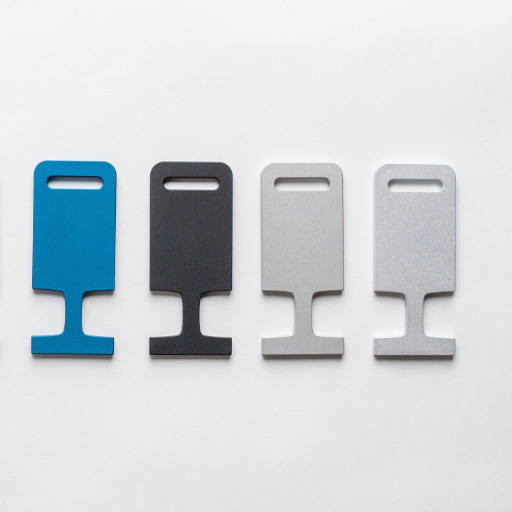
The purpose of titanium surface finish is to modify the properties of titanium metals which include providing stronger materials with high resistance to corrosion and biocompatibility. Anodizing or surface passivation are common treatments, allowing to increase scratch resistance followed by the removal of colorations among others and passivation which is the process of removing all impurities to protect the metal from rusting. For example, achieving a smooth surface or preparing the material for a certain purpose is often performed mechanically or by chemical reaction. Such treatments are quintessential in aerospace, medical and automotive industries so that titanium parts and structures can withstand extreme limiting conditions.
Performance, Longevity & Industry Standards
A fine titanium surface finish plays a crucial role in optimizing performance and durability. In particular, the finish has a direct impact on characteristics such as wear resistance, corrosion protection, and fatigue life. The fewer the elevations and irregularities for stress to accumulate, the more durable the material will be, especially when subjected to such external work, thereby prolonging its use.
Furthermore, given adverse natural elements among other factors, corrosion resistance is enhanced by surface treatments. When the titanium surface is finished properly, the crevices and other defects that would harbor the corrosive medium are eliminated, therefore corrosion is easy to initiate. This becomes very important in industries with high demand on reliability such as aeroengeneering and medico where it is not only concerning the design of the structures but also the interaction with the human body.
Similarly, controlling the surface finish enhances the compatibility of a product with any other coating or treatment that may be applied after. A good coating can be adhered to a well-prepared substrate very effectively, which may serve as a means of adding an additional protective coating or coating for the purposes of improvement. These industries do not have any hesitation in meeting the selling cost of titanium products because they understand that any consideration of cost is hinged on durability considerations, and that the right smooth titanium surface finish must be attained at the point of manufacture.
The visual appearance of such aspects of the samples as their surface finish also greatly affects their interaction with the environment. Being corrosion resistant, titanium per se becomes even stronger if the titanium surface finish is as per every extreme environmental working condition. Guaranteeing prevention of possible scratches or other types of deformations on the exterior where acid causing corrosion can dwell further coating-out of the surfaces and eliminating the cases of increased alumina in seawater or chemicals in the equipment.
Studies have shown that there are developments in surface finishing processes allowing coated surfaces to enhance their corrosion properties as well as wear resistance and also most interesting for Control of visual outlook oxide colors and textures, which are very much required by various industries and clients. These advantages make it possible to use titanium in various perfect working conditions, but still within aesthetic limits and at the same time taking into account deterioration of the mechanical characteristics of metals and makes it possible to extend the life of such materials even in severe service conditions from use in aircraft design up to fashionable cuff links.
Depending on the industry, the requirements for the surface finish quality of parts made of titanium differs to serve different functional and finished effects. In the aircraft industry, it is all about precision and exposure to stressing conditions, thus making such surfaces defect-free in consideration that no such defect will interfere with the operations. The products meant for the medical field are required to be non-toxic and have smooth textures in order to minimize chance of contaminations and irritant effects. In most cases, the automotive industry, as well as the luxury sector, demand visually appealing surfaces like mirror-like, shimmering, matte types of finishes. The respective sectors have particular standards and titles, which are specific to the particular area, to which one must adhere with certain titanium surface finish safety, functional performance and cosmetic appeal of the components.
Industry-Specific Finish Requirements
| Industry | Primary Requirement | Preferred Finish Type |
|---|---|---|
| Aerospace | Precision; zero defects under stress | Defect-free, smooth, shot-peened |
| Medical | Non-toxic, biocompatible, sterilizable | Electropolished, passivated |
| Automotive | Durability & visual appeal | Mirror, shimmering, or matte |
| Luxury Goods | Aesthetic perfection & uniqueness | Anodized, mirror-polished |

In-Depth Analysis of Key Methods
The aim of titanium surface finish is to erase unvanted surface defects while increasing the smoothness of the surface, aesthetics as well as functionality. Popular examples are polishing using mechanical methods, electropolishing and chemical polishing.
In the case of polished surfaces made of titanium, they are less likely to rust quickly, require less effort to clean, and are more attractive; as a result, many industries including manufacturing of medical devices, aerospace industry and luxury goods industry opt for polishing. The choice of polishing methods generally depends on various factors such as how the component is going to be used, the level of etched design, the finish that has to be achieved.
Anodizing is a technique used for surface decoration as well as treatment to exploit beneficial characteristics of alloys – essentially, it makes the titanium surface finish more durable and pleasant. In order to do that, electric current is applied to the piece submerged under an electrolytic bath so that a regulated film layer is achieved over the surface for a desired colouration. The thickness of this film defines the colour and texture explorer and/or functional properties that are achieved with the oxide layer.
An important advantage relating to anodizing is that there is a possibility of increasing the chemically active area exposed to ions relating to the use of solutions or surfaces. The layer of oxide acts as a barrier, stopping the surrounding elements such as water, chemicals, or temperature changes to reach the titanium. Thus, anodized components of titanium are often used in highly demanding environments of aerospace, marine, and medical fields where performability and robustness are needed.
Apart from the improved protection against corrosion, anodizing also offers a variety of bright colors without any additional colors, that is dyes. This can happen due to interference of light within the transparent film and this provides a great degree of freedom when it comes to designing or branding. Moreover, anodizing helps improve wear resistance of the surface as well as frictional properties hence the component is expected to last longer while still looking good. All of these elements then combine to offer durability, function and appearance, making it a preferred method of titanium surface finish.
Shot peening is a cold working process that enhances the durability and performance of metal components by introducing compressive residual stresses on their surface. This is achieved by bombarding the surface with small spherical media, such as steel or glass beads, at high velocity. The process not only improves fatigue life by delaying crack initiation but also provides resistance to stress corrosion cracking.
Lately, developments show that titanium surface finish is becoming more popular for pressure-bearing applications in the aerospace, automobile, and power industries, where parts have higher lifetimes than the rest of the equipment. In addition to turbine blades, gears, and vehicle springs, the efficiency and resistance of all the above elements to wearing and fatigue are improved by shot peening.
With the help of advanced method and computer-aided control systems, the process is performed precisely and consistently and yields the desired effect even when the serve geometric configuration is present. Therefore, while the demands of the industry get higher, shot peening is still a useful technique to reach the targeted performance level.
Aerospace · Medical · Automotive
Industry 01
The aerospace industry markets large stocks numbers of titanium as it has one of the highest strength to weight ratios among metals used by the industry and can withstand high temperatures without compromising its corrosion resistance. Such parts include in aircraft usually jet engines, airframes, landing gears. Titanium’s light weight but strong properties enhance aircraft performance and fuel consumption, both of which are appreciated properties in case of these elements. Additionally, it is resistant to use in environmental factors such as moisture as well as salt degradation which is key in ensuring aircraft longevity. Other uses of titanium contain ones which require the presence of a turbine from the engine components or chaining systems. Overall the above mentioned properties make titanium an important material for the advancement of the present day aviation.
Industry 02
Several advances in medical technology have solutions that require machining titanium, such as the production of prosthetics, surgical instruments, and implants. The biocompatibility of which titanium is associated with relates to its ability to cause no harm to the body, as well as the body’s ability to tolerate it. Hip replacements, knee replacements, tooth implants, or spinal fusion are few among the several medical applications where titanium would be used. Likewise, the high strength to weight ratio allows for maximum strength potential without extreme thickening and ultimately reduces units’ weight that can be patient’s individual comfort and functional improvement.
Taking into account absence of refuting factors related to the recent improvement of the efficiency of the titanium surface finish or solubility of the titanium metal by the bone or loosely speaking osseointegration, these lack of disadvantages further amplifies the applicability of the metal for medical implants meant to be retained in the human body for a longer period of time. Dental implants made of titanium penetrate the jawbone and lock themselves into place. They serve as a solid base for replacement or prosthetic teeth. With the help of modern equipment, one can make sure that one piece is indeed nicely fitted according to the contours of the patient’s anatomy.
Moreover, the process of machining titanium is very important when it comes to manufacturing efficient and effective medical instruments that are meant for washing and repeated use. Titanium’s ability to withstand various cleaning agents as well as high temperature makes it a preferred material of choice in producing sterile and durable tools used by practitioners. According to available data, due to rising requirements for more sophisticated medical care, titanium machining plays a major role in enhancing patient care, and as a result, medical technological advancements.
Industry 03
In the automotive sector, using titanium parts is an enhancement because of its lightness and holding strength. Titanium, being used in car production, decreases the general weight of automobile designs, which results in improved fuel consumption rates. Moreover, the high resistance of titanium to corrosion is a major advantage which makes it possible to have parts for longer periods. The most titanium surface finish popular applications are related to engines, exhausts and suspensions, where the robustness and endurance of titanium improve safety and efficiency. These benefits make titanium an important metal in building high speed and pollution free vehicles in the present day.
Mirror Finishes, Abrasive Techniques & Final Considerations
Obtaining mirror-finished polishing of titanium required a series of moves are executed with precision and care to create the smoothest, most reflective surface. The process is started by preparing the surface of the titanium for the polished coating, getting rid of anything there that might obstruct the polishing. The use of fine-grit sandpaper or a face pad should even out the surface imperfections and scratches and others discontinuities, creating an even surface to be polished.
Surface Preparation: Prepare the titanium surface by removing any obstructions. Use fine-grit sandpaper or a face pad to even out imperfections, scratches, and other discontinuities.
Progressive Abrasive Polishing: After the preparation has been successfully completed, next steps are followed by polishing titanium; familiar steps are to polish it with each finer abrasive, beginning with the medium grit and gradually progressing through ultra-fine polishing compound. Metalworking cloths, wheels, or pads are frequently used; attempts are made within the production parameters for consistent and uniform application so as not to ruin the part with uneven finish or a swirl. Inspection is, therefore, a critical process during the polishing phase for confirming that it’s already on its way up the smoothness curve of the planned scale.
Final Buffing: To complete the polishing process, use metal polish such as this high quality compound to increase the reflective properties of titanium’s surface. Buffing with a piece of clean soft cloth or a buffing attachment will give a brilliant finish and equal uniformity to the mirror effect. For the best results, during the entire process, patience and accuracy are expected, taking care to keep the blasted surface clean and free of any dust or particles all the time. Following these few easy steps is certain to deliver a stunning expanse of mirror-like polish on your titanium parts.
Abrasive methods play a substantial function in the assessment of the surface finishing of titanium materials. This is due to the fact that the selection of the abrasive and the mode of operation has a substantial bearing on the texture, polish, and durability of the titanium surface at the end of the process. Making use of coarse abrasives is appropriate when trying to effectively eliminate flaws or even oxidation layers but will result in, more often than not, some unwanted scratches or uneven surfaces. In contrast, the very fine abrasives make it possible to achieve such titanium surface finish but the process is longer and more meticulous. Investigations to date point that it is extremely important in the enhancement of quality and minimization of surface harm that one start with coarse grit sizes and gradually use finer ones.
Furthermore, abrasive technique mis-use can cause overheating leading to the changes of titanium structure and color, due to changes in the way that the material oxidises. Invasive processes for abrading titanium without overheating are achievable by applying cooling and/or other mechanical pressure methods. This implies that the titanium will retain its desirable properties such as resistance to corrosion, as well as being aesthetically pleasant in the titanium surface finish treatment practice which makes abrasive techniques so critical for manufacturing and application in areas as wide as aerospace and jewelry making.
For any titanium surface finish process, focus must be on precision and uniformity. Choice of methods should be compatible with the desired intent for manufacturing as titanium materials, because of its nature, requires a more cautious approach to avoid loss of tensile strength or ability to resist rust. Employ tools and methods that have been ‘engineered and perform best on’ titanium and aim to prevent damages like heat build up or deformation. And after completing the finish, the surface must be properly cleaned and appropriately examined for any defects. In other words, ensuring the finished titanium detail serves its purpose and has an agreeable appearance is a question of using the right tools and the right level of accuracy.
The Electropolishing of Electron Beam Melting, Additively Manufactured Ti-6Al-4V Titanium
This study explores electropolishing as a surface finishing method for titanium parts, focusing on its relevance and process parameters.
Surface Finishing of Intricate Metal Mould Structures by Large-Area Electron Beam Irradiation
This paper discusses advanced surface finishing techniques, including electron beam irradiation, for intricate metal and titanium parts.
Laser Deposition of Stainless Steel–Titanium Carbide Composites for Repair of Critical Aerospace Components
This research highlights surface finishing requirements for titanium parts in aerospace applications, emphasizing precision and quality.
Titanium CNC Machining Services