

Supportive, Professional, Client-Focused Service
From prototypes to full-scale production, we’ve got you covered.


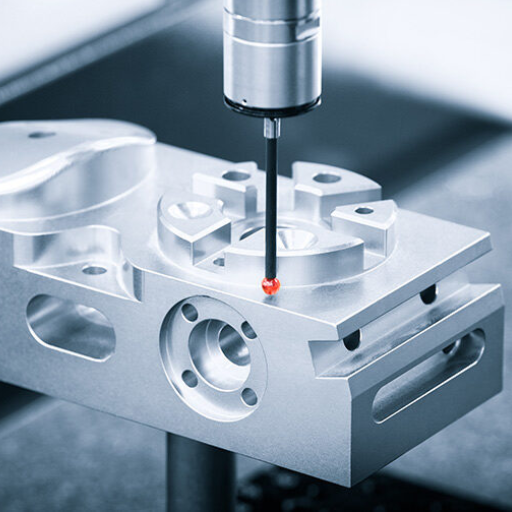
The defense and military industry profit considerably from advanced materials while striving to meet their stringent performance and endurance requirements. Specified as one critical material, titanium is highly acclaimed for its unparalleled powers in strength, lightness, and corrosion resistance. The piece warrants an informational jaunt through titanium’s most essential functions within military manufacturing constellation, touching on how it is used on anything from aircraft and naval vessels to advanced weaponry. Its high point is on advertised precision manufacturing methodologies and fresh technologies creating a more accessible, more dependable future for titanium parts under the hawk-eye watch scrutiny of the severest industrial confines extant. More important in life for brilliant practitioners or inspired snobs is when the creativity flagged by modern engineering techniques they unravel for us.
Titanium serves as a cornerstone of modern military engineering, providing a unique combination of high strength-to-weight ratios and extreme environmental resistance that traditional metals cannot match.

Titanium assumes great significance in the defense industry for its phenomenal strength in comparison to weight, for its corrosion-resistance features and its unbeatable durability. All that makes it an ideal for use in making war vehicles, aircraft, naval equipment and missiles. The unique features of titanium holding on to structure under extreme conditions account for both reliability of military applications and for their performance.
Another great boon of titanium could be mucosa-driven when titanium appears pivotal to enhancing stealth capabilities. Titanium contributes to the radar-absorbing materials as a natural ally, which makes titanium a big hit in the stealth technology. By doing that, titanium is not just being used for its physical attributes but is based on the strategic advantage on field, with its congruent stealth technology capabilities so as to maintain minimal chances of being tracked by the enemy radar systems.
Exposing its long life expectancy as a critical factor distinguishing it from other materials, titanium’s ability to retain high temperatures earns it a raison d’être in advanced aerospace applications such as jet engines and spacecraft, and in those environments where other materials could fail. On this account alone, titanium’s physical attributes put a finishing touch to assure that the defense sector, one basic requirement in post-modern military operations for military expansion, remains successful on the operations.
Titanium alloys are an essential component of various military uses due to their highly effective combination of high strength, light weight, and environmental endurance. These alloys are indispensable in the defense industry for the production of war armor, aircraft components, and missile structures. Titanium alloys are valued by the defense industry for their ability to provide strong shield protection against firearm related threats while maintaining low weight; thus greatly influencing the combat and communication efficiency.
💡
Common Military Alloys
Ti-6Al-4V (Grade 5): High tensile strength and corrosion resistance for high-stress environments.
Ti-6Al-2Sn-4Zr-2Mo: Optimized for high-temperature performance in engine components.
The military usually uses Ti-6Al-4V, referred to as Grade 5 titanium because of its excellent tensile strength and corrosion resistance in high stress environments that make it ideal for such cases. It is used quite often in aircraft and naval vessels, where durability and resistance to environmental wear are of utmost importance. Another commonly preferred titanium alloy is the Ti-6Al-2Sn-4Zr-2Mo titanium alloy, which is a special-purpose alloy that offers a better high-temperature performance, making it suitable for engine parts and other thermal stability applications.
The military uses titanium for its ability to meet even strict operational demands without failing material in a mission. The cadre of modern-use military gimmicks includes using these alloys to develop lightweight, fast, powerful vehicles, stronger protective armor, and more robust weapons systems. The defense industry exploits those unmatched titanium alloy properties to guarantee much higher efficiency and life under a variety of important applications.
Titanium alloys benefit from a high-priority status in aerospace applications, especially due to its extraordinary strength-to-weight property, a feature that allows the designing of aircraft that are lighter and yet stronger, thus boosting overall performance and fuel efficiency. The price factor is that by weighing lighter without affecting structural integrity, titanium imparts to cost savings as well as greater operational flexibility.
Corrosion resistance is of chief importance for titanium in aerospace applications. Operation of aircraft usually takes place in harsh conditions inclusive of high humidity, saltwater, and varying atmospheric pressures. Rust, oxidation, and other rapid pathologic phenomena that corrode and corrode really are protected against extremely well by titanium, rendering important components to offer a longer and some reliable service while less maintenance is required.
Titanium’s use in aerospace would not be appreciable without its high thermal resistance. Under high temperatures, for instance, titanium will not experience structural degradation and/or will not suffer from impact on the engine parts or the exhaust system. Consequently, pure titanium is alive at high elevated temperatures and delivers operational safety.

Titanium is categorized into several grades based on its composition and properties, with each grade suited for specific applications. The first distinguishing factor here is whether the grade is designed pure titanium or is an alloy. Commercially pure titanium, often referred to as grades 1 through 4, is noted for its high corrosion resistance, superior biocompatibility, and modest strength. The main distinction among these grades is the amount of oxygen they contain, which in turn affects the strength and ductility. While the lower grades like grade 1 are perhaps more ductile, these higher grades, like grade 4, are stronger but marginally less malleable.
Titanium alloys, mainly grades 5 or 9, have found applications in the military, as they bring in better strength-to-weight ratios and long-lasting properties. Grade 5, known as Ti-6Al-4V because of its tungsten alloying element, has a high strength and heat resistance making it just perfect for any uses within the aerospace industry, armoring vehicle construction, and for any reinforcement jobs. It features light weight construction, thus offering greater efficiency without stringently affecting output, which is always required for military operations.
One significant titanium alloy that is well-suited for military applications is Grade 23, and this grade is a variation of Grade 5, with an even lower interstitial content added. While it presumably offers the advantages of the same strength, high temperature resistance, plus excellent fracture toughness and the highest fatigue resistance of all the titanium grades, these advantages are especially important in military environments. Military projects seek to exploit the distinct attributes of titanium grades to achieve specific, rigid standards for utilization in aerospace technologies and defense.
The grade of titanium chosen for an application in defense depends on the expected use and the operative conditions. Grade 5 titanium, also known as Ti-6Al-4V, is very popularly used because it combines good tensile strength with good toughness and corrosion resistance. This combination of properties makes it very useful for different components in the aerospace industry, armor plating, or other applications that demand high strength and reliability.
In less stringent environments that require more flexibility or wear resistance, other grades, including Grade 23 (ELI Ti-6Al-4V), may be more suitable. This grade claims slightly better fracture toughness and biocompatibility, which are advantageous for medical or delicate components in military applications even if it is not thought of in this manner. The properties of Grade 23 titanium make it attractive in situations where high mechanical performance is the first consideration and precise thin elements, in addition to strength, are also required.
Engineers must address the operational environment, weight limitations, and load factors during the selection process to ensure the material survives the harsh conditions of defense assignments.
When it comes to selecting the right titanium grade, it is the operational environment (and weight limitations) and the load factor that will dictate the final choice. These are the factors or considerations that an engineer must address to ensure the chosen material withstands all the harsh conditions present in the defense assignments. The primary focus is on optimization of performance while keeping with safety and durability measures related to equipment or infrastructure.
Nowadays, titanium alloys are used as a high-performance material in both fields: military and aerospace, because of their great strength-to-weight ratio, resistance against corrosion and ability to be able to work in stress-inducing conditions. Comparing efficiently the two fields, in general they bear common properties and benefits, but specific usages and selection criteria change significantly for the two fields.
| Feature | Military Focus | Aerospace Focus |
|---|---|---|
| Primary Goal | Endurance & Protection | Performance & Weight Reduction |
| Key Environment | Hostile/Saltwater/Mechanical Stress | High Temperature/Atmospheric Pressure |
In military applications, titanium alloys are usually chosen for their strength and its capacity to avoid getting strained under high mechanical stress in hostile environments. Armor systems, naval components or missile systems are the typical applications. The corrosion resistance that titanium alloys provide in saltwater environments is particularly good along with its enhanced properties in naval vessels and underwater equipment. Additionally, the alloys relatively lightweight nature allows enhanced mobility without compromising the need for protection.
In aerospace, what makes titanium alloys very desirable is the ability to tolerate high temperatures while maintaining structural integrity. They are extensively used in plane structures, jet engines, and space vehicles. The primary motive for using titanium when it comes to aerospace application implies a need for additional benefits such as less weight for increasing fuel efficiency and power, with no compromise in safety and reliability. Titanium aluminides and such materials provided the added advantage of their perfection in the high-temperature section of jet engines.
In general, most defense applications are more concerned about endurance and environmental tolerance while aerospace applications need optimized performance at lightweight configuration. In both cases, there is a very much a dependency upon the versatility and adaptability of titanium alloys to suit their individual needs.
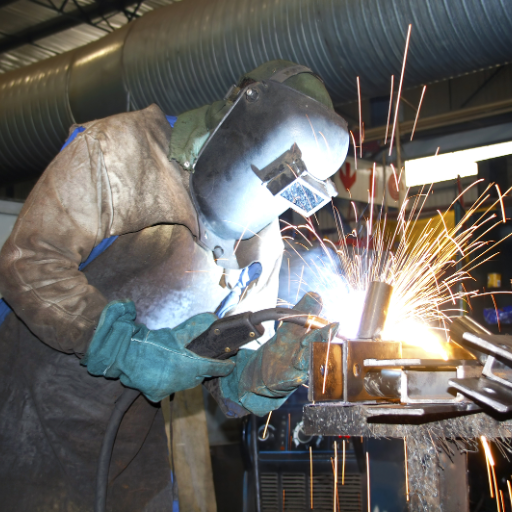
Innovation and 3D printing have redefined the defense sector in terms of component designs and implementation considerations. Much of this mainly focused on complicated geometrical shapes that are tougher or impracticable to produce through conventional manufacturing, but that is now possible. Depending on the requirements, 3D printing provides strictly controlled customization, a low degree of material waste, and a significantly shortened indication for fabrication of critical defense components or applications.
An important implication for the military manifests itself in this prevalent discussion regarding additive manufacturing- it produces products that are light but durable. In defense, lightweight systems are essential for efficiently dispatch vehicles and drones- called made for military purposes-where minimal weight or maximum strength may be humbly accepted; i.e., durable components are critical. Moreover, the technology provides the benefit of on-demand production, leading to avoidance of large inventory and long supply chains. Such flexibility can be highly beneficial for spare parts in situations where remote or austere conditions with hard spare parts are a must.
Also when it comes to material innovation, additive manufacturing increases the potential for using advanced metals and composites designed specifically for certain performance requirements. It allows for producing parts that can endure high temperatures or extreme corrosive environments, fulfilling the strict demands of national defense applications. Additive manufacturing is thus not merely revolutionizing the way parts are manufactured but also engendering innovation and efficiency within the defense industrial sector.
Additive manufacturing provides several key advantages for titanium components, especially in industries requiring advanced performance, such as aerospace, medical, and defense. A major one among these is large reduction of material wastage. Traditional manufacturing usually requires machining and working with titanium, which results in the loss of vast amounts of material. Additive manufacturing, on the other hand, manufactures parts layer by layer from only as much titanium powder as necessary-so this minimizes all unnecessary wastage, and hence can be highly efficient.
In addition, additive manufacturing has the unique capability of producing extremely complex geometries that would be difficult or impossible to realize with conventional methods. It results in the development of light yet strong designs which are particularly valued in the making of aircraft and spacecraft components, where even some weight loss yields results of immensely improved performance. Also, the shape can then be completely loosened in order to lead the formation and optimal performance of parts in titanium.
For the production of titanium components, additive manufacturing techniques have the advantage of reducing the waiting period substantially. The traditional methods often require the manipulation of several machines or rollers upon which the raw material is given shape. This, in turn, involves more man-hours and more specialized parts to make. Additive manufacturing helps streamline the production process, thereby cutting the prototyping time and shortening time-to-market. All the more important are the tremendous benefits in an unforgiving industry such as defense, in which fostering the development of operational shortcomings will bring as much advantage to the opponent as possible. The double gain completely changes the usage of additive manufacturing in titanium in perhaps numerous industries.
Additive manufacturing brought about the revolution in the aerospace industry in a way that it can create light in weight and dynamic parts that were just impossible to manufacture by traditional fabrication means. Instances cited are the use of titanium parts fabricated by 3D printing. Their use led to considerable weight reduction in aircraft, which, in turn, reduces fuel implication or operational cost and added light and creation at the same time. The speedy production of parts and flourishing production on demand gets rid of disruptions in supply chain and assists rapid prototyping, thus ensuring swift process design and testing for state-of-the-art technologies in aerospace.
Since the application of additive manufacturing was introduced in healthcare, slowly there has been a significant advantage-the production of highly customized medical aids like prosthetics. For instance, 3D helps create perfect implants based on the shape of the patient very much just like titanium-hip implants, immensely increasing proficiency in favor of surgical patients. In addition, it has been put into use to provide surgical guides and modeling, which help surgeons in planning complex surgeries with precision, hence directly benefitting the patient care they receive.
Additive manufacturing has been accepted by the automotive business regarding prototyping and commercial manufacturing. Especially in high-performance cars, we make use of good things. Much lighter yet stronger parts, for instance, are made of titanium, which makes cars significantly speedier and other exciting, hopefully less weighty bits. This also means that prototypes are constructed in a quicker and less expensive manner, thus reducing the time and cost associated with tooling traditionally. The more flexibility in testing its prototypes a company has, the faster it can test other designs- faster development of automatic generation is noted.

The aviation industry alone benefits from Titanium and its various properties as this metal plays a significant role in military aircraft construction. Titanium’s strength-to-weight ratio is useful to create very lightweight yet extremely durable components and gives vastly optimistic meddling with the design. The corrosion resistance of Titanium makes it ideal for deployment in very tough environmental conditions where aircraft are susceptible to weather or saltwater changes for e.g. fluctuating temperature.
The major advantage of titanium is its ability to withstand temperature whilst maintaining shape. This can prove to be crucial, especially when the aircraft’s environment could require critical conditions affecting mechanical properties, temperature, and thermal endurance of airframes and engines. By the use of titanium in those areas, military aircraft will not only get superior aerodynamics and materials but also achieve higher structural efficiency and longevity under such operational stress.
In addition, titanium’s compatibility with advanced manufacturing processes, such as machining of precision and additive manufacturing, allows it to be a cost-effective solution for the production of complex parts. This design and manufacturing flexibility significantly reduces production lead times and vastly enhances the overall performance and adaptability of military aircraft. It is thereby clear that pure titanium stands ready to be the ultimate solution for aircraft to meet the cutting-edge demands of contemporary warfare in an extremely secure and functional style.
Many key factors must be taken into account to achieve optimal structural efficiency, cost-effectiveness, and longevity of the titanium airframes. The intrinsic strength and corrosion resistance of titanium make it a suitable material for aerospace applications, but the properties have to be managed efficiently during the design phase to their full advantage. Engineers have to consider a prudent balance between weight reduction and maintenance of the correct structural integrity that can assist the structure to cope competently with any load from the operation of the aircraft and maintain the safety of the system.
In designing titanium airframes, thermal performance is another crucial design consideration. Titanium boasts a high melting point and temperature stability making it suitable for aircraft that need to operate under extreme conditions. However, its thermal expansion characteristics must be considered to prevent any structural deformations from occurring, especially during quick changes in internal temperatures (e.g., high-altitude or supersonic flights). The use of thermal coatings and joint designs is an effective way to solve these problems.
The opto-mechatronic devices must cope with numerous machining needs for efficient device manufacturing. Titanium is far more difficult to a machine in production as compared to any other aerospace material, and loss of material adds much trouble unless properly managed. In this respect, additive manufacturing or precision machining must be adopted to address these problems, shorten production times, and cut down material wastage. Early in the design process, such facets should be taken into account, which could harness the total potential of titanium systems toward endowing the military and commercial aircraft with efficient and reliably competent systems.
When it comes to manufacturing aircraft components with titanium, one encounters some peculiar problems advanced due to its material properties and the stringent, mandatory requirements imposed by the aerospace industry. For starters, the material is notoriously difficult in conventional processing, mostly due to its high melting point and low thermal conductivity. These characteristics would present hurdles to machining practice, such as tool wear and heat control, which in the long run could eventually enhance the cost and time of production.
Secondly, titanium is highly reactive to oxygen and nitrogen at high temperatures, therefore creating a daunting challenge during welding and high-temperature processing. Inadequate attention to this matter could build up trouble. Being contaminated through oxidation can compromise titanium’s structural integrity; hence, the problem is countered with the creation of controlled atmospheres. Devices like vacuum or inert gas chambers are then an adage to the complexity of the manufacturing route.
Advanced manufacturing techniques, such as precise manufacturing and additive manufacturing, in particular, make the overall cost and technology requirements of the production process higher. This technology is essential for making lightweight and tough parts each with its requirements in aircraft performance, but it requires highly skilled labor and specialized equipment. The solution lies in continuous innovation, consistent quality control, and strategic investment in the newest technologies to ensure reliability and efficiency in the production of titanium components for aerospace applications.
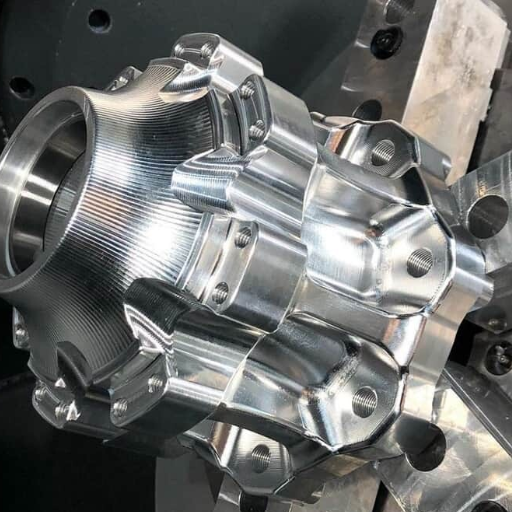
The titanium supply chain for defense is made up of several important players, each contributing towards the cause of sourcing, making, and supplying high-quality titanium components for military use. Starting the supply chain from scratch are titanium mining and refining companies that extract raw titanium ore and process it into a usable form, such as titanium sponge or ingots; these refined forms are then at the base of the formation of the metal’s alloys and major parts critical for defense equipment.
The next hierarchy is composed of special manufacturers. The transformation of raw titanium materials into precision-engineered components is carried out by specialized manufacturers. They implement sophisticated methods like forging, machining, and additive manufacturing techniques required for defense purpose. These components become part and parcel of essential military systems-like planes, armoured vehicles, and naval gears-which must provide durability and perfect function in harsh environmental conditions.
The last chord emerges from defense contractors representing system integrators that would procure the titanium parts, putting them together to form completed systems fit for deployment. Contractors work in collaboration with supply chain partners to guarantee quality, reliability, and compliance with defense regulations. It is in such a constellation of agreement amongst all these players that a well-oiled supply chain can be maintained, which consequently buttresses the readiness and capability of the defense industries.
Mutually advantageous coordination between defense contractors and material suppliers are the essence of time-bound delivery of high-quality products and systems. The contractors rely on suppliers to furnish them with raw materials, components, and technical support directed towards defense needs. Open communication and lucid contractual agreements, in reality, are the chief foundations which have a direct influence on contract management and eliminative misunderstandings.
In order to positively cope with strict military defense regulations, material suppliers need to meet highly demanding quality standards, conduct numerous types of tests, and keep detailed records to have proof when an audit time comes in. Upon the design process and development involved, defense contractors and suppliers frequently team up to offer material solutions that could help match the requirements in terms of performance, resilience, and cost. It is exchanges such as these that ensure the needs of the military are foreseen, and that in relation to cost and project timeliness, there are still bottom lines.
It is vital to maintain the establishment of long-term supply partnership between contractors and suppliers to improve the productivity and innovation in defense industry. Continuous work and partnership assist in anticipating coming challenges, evolving technologies, and moving the defense into a more sustainable trajectory. Fair and harmonious relationships between defense contractors and suppliers are extremely important for the efficacy of the national defense endeavor.
A growing demand can now be seen within the defense industry calling for titanium parts due to the extraordinary characteristics they possess, a very high strength-to-weight ratio, corrosion resistance, and durability under extreme conditions. One of the critical aspects in the production cycle is the adoption of cutting-edge manufacturing technologies, such as additive manufacturing (3D printing). This technology facilitates the production of complex titanium components through minimum wastage, reduced costs, and quicker yield times, making it very pertinent in the context of aerospace and military false applications.
Another significant development has been increasing emphasis on making titanium production sustainable. New innovations such as recycling of old titanium or revolut-the-art methods of titanium extraction are constantly being planned to lessen the impact on the environment. By developing new energy-efficient processes and reusing scrap titanium materials-as a tree shades over brown brittle rocks-the industry moves strongly towards a green production cycle and still adheres to quality and performance standards.
Furthermore, the material-related research is significantly steering future trends in titanium manufacturing. The enhancement of the mechanical properties of new titanium alloys could mean an extension of the use of titanium in defense systems in environments that demand ultimate toughness and low-mass materials. Consequently, these trends would indicate the continuing evolution of the manufacturing of titanium components towards meeting the demands imposed by the modern defense landscape.
Q: What is defense and military titanium component manufacturing and why is titanium the material of choice?
A: Defense and military titanium components manufacturing injects creating high-performance metal components for the military and defense sector using titanium and titanium alloys. The truth is no material can replace titanium in terms of its strength-to-weight ratio, corrosion resistance, high temperature resistance, and fatigue resistance. The oncoming titanium alloys like Ti-6Al-4V (6al-4v eli) and 6Al-6V-2Sn (6al-6v-2sn) have therefore been used in high performance in airframe, aircraft turbine engines, landing gear, and submarine structures. Said sections have critical structural integrity and life expectancy.
Q: Which applications are prevalent for titanium in the field of defense?
A: Usage of the titanium in areas of defense includes aircraft applications (military aircraft, F-22, SR-71 legacy parts), naval applications (submarine ball valves, exhaust stack liners), ordnance components, armor plating, heat exchangers, and critical defense structural components. Titanium used by defense contractors and OEMs for engine parts, ball valves, cooling systems, and other high-performance components requiring corrosion resistance and high-strength performance.
Q: How has advanced manufacturing and 3D printing technologies affected the defense production of titanium parts?
A: Advanced manufacturing and 3D printing metal parts, especially with laser wire and the metal additive processes, have changed the defense production by enabling proto-developers to create difficult components, significantly reduced lead times, and optimized the consumption of materials. It allows construction of complicated features for important components in a practical field, such as heat exchangers and custom submarine fittings, which would otherwise be impossible with CNC machining. This capability has the potential to significantly enhance the defense of bulls by now-almost-polished prototyping and simple production of light-weight, strength-efficient components as needed.
Q: Which titanium grades are usually seen in military-grade components and why?
A: Military-grade titanium commonly includes Ti-6Al-4V (grade 5), Ti-6Al-4V ELI (6al-4v eli), and specialty alloys like 6Al-6V-2Sn for high-temperature applications. These titanium alloys offer an excellent balance of high-strength, corrosion resistance, and toughness. OEMs and defense industries choose specific grades depending on operating environments, structural requirements, and critical parts like landing gear, airframe structural components, and engine parts.
Q: What means are used to create titanium components for defense & military purposes?
A: CNC machining, precise fabrication, metal additive manufacturing (e.g., 3D printing, laser welding), forging, heat treating, and sophisticated inspection technologies. Critical component manufacturers partially apply CNC surface finishing in addition to their accurate modern additive manufacturing to achieve most geometries demanded and tolerances ensured. Non-destructive testing, and stringent quality control measures are added to verify the viability of the parts against the specific requirements in defense equipment and military missions.
Q: Why is corrosion resistance important in military titanium parts and where is it most valued?
A: Corrosion resistance is of prime importance in cases where large amounts of titanium are used for defense applications in corrosive marine or harsh marine environments. Such applications include submarines, naval vessels, and shore facilities. Integrated ball valves, box liners, cooling systems, and heat exchangers are some modes involved in which corrosion-resistant titanium will be recommended. Reliability improvement and lowering life-cycle costs mainly hinge on corrosion resistance.
Q: What are the routine principal parts and complicated items produced in defense factories with titanium?
A: Different critical parts would be the airframe parts of aircraft and military airplanes, landing gear, ball valves, ordnance components, engine piece, and-high temperature items such as aircraft turbines and heat exchangers. Complex items made through additive manufacture or CNC includes internal cooling channels, lattice structures for weight reduction, and bespoke parts for submarines and specialized military equipment.
Q: What are the prospects and challenges for titanium manufacturing in defense?
A: Titanium manufacturing is a great asset to defense by giving strong, high-strength, resistant-to-corrosion products bettering the performance, service life, and operational range of platforms like aircrafts and submarines. Challenges such as material cost, machinability, qualification of additive manufacturing for critical parts, and supply-chain planning involving high-grade titanium are further constraints on the process. Advances in metal 3-D printing, alloy development, and enhanced process controls, which adequately address these challenges, should direct effort to manufacture defense products featuring titanium-centered designs.
Structural Static Performance of Welded Built-Up Beams Made from Titanium and a Titanium Alloy
This document discusses advances in welding technology for titanium and its alloys, focusing on their application in structural components.
Read more here
Opportunities for Low-Cost Titanium in Reduced Fuel Systems
This study evaluates the use of titanium materials in heavy-duty vehicle systems, which can be relevant for military applications.
Read more here
Critical Materials Are in High Demand: What is DOD Doing?
This article from the U.S. Government Accountability Office (GAO) discusses the National Defense Stockpile, including titanium and its role in defense manufacturing.
Read more here