

Supportive, Professional, Client-Focused Service
From prototypes to full-scale production, we’ve got you covered.


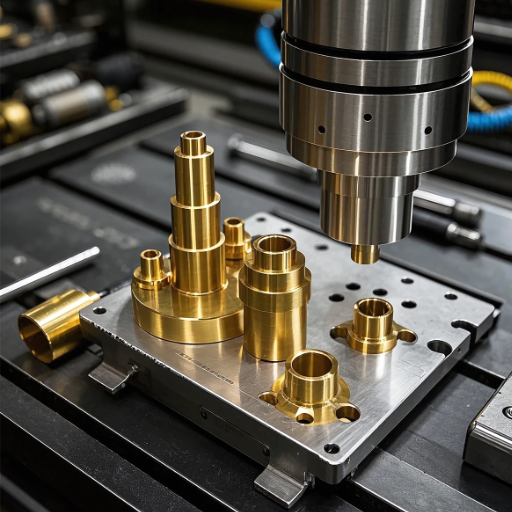
The process of achieving accurate and trustworthy results in copper CNC machining presents substantial difficulties because copper serves as an exceptionally difficult material to work with. The quality of the final product hinges on rigorous inspection methods that can identify and eliminate even the slightest errors. The article investigates quality control methods in copper CNC machining through its analysis of effective inspection techniques that guarantee high standards and perfect production results. The guide offers valuable insights into copper machining excellence practices because it serves both as a resource for industry professionals who want to improve their processes and as an educational tool for those interested in the intersection between advanced technology and detailed craftsmanship.
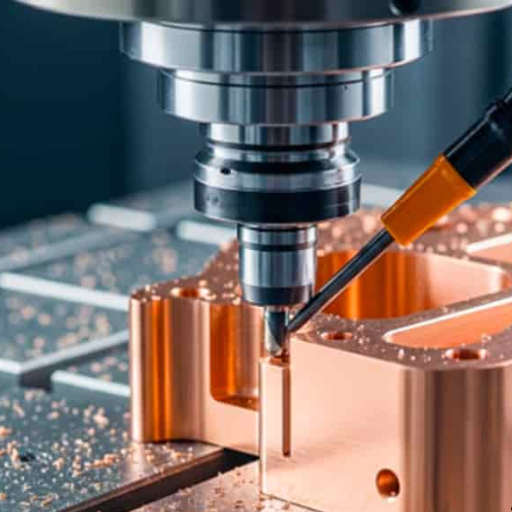
Copper CNC machining operates by using computer-controlled equipment to manufacture exact copper components through its new production method. The CNC system uses Computer Numerical Control technology to enable machines to operate with high precision through software that runs pre-set commands. The method produces dependable outcomes because it functions best with intricate patterns and specific design requirements.
The high conductivity and malleability of copper make it a popular material in numerous industries, including electronics, automotive, and aerospace. The same characteristics that make the material useful for industrial applications create difficulties during the machining process. The soft nature of copper combined with its tendency to stick onto cutting tools demands the precise management of operational factors like tool selection and cutting speed and cooling system implementation in order to achieve desired results.
Copper CNC machining is often used when precision and durability are critical, such as in electrical components, heat exchangers, and engineering prototypes. The process establishes itself as an essential component of contemporary manufacturing because it enables factories to produce parts that meet specific accuracy standards while maintaining consistency across different operations which use copper for industrial applications.
Exceptional Thermal and Electrical Conductivity:
The superior thermal and electrical conductivity of copper makes it suitable for use in electrical connectors and heat exchangers and circuit boards. The high conductivity of copper results in almost no energy waste which leads to better operational efficiency for industrial systems. The electrical conductivity of copper reaches about 5.96 × 10⁷ siemens per meter (S/m) which surpasses the conductivity of aluminum and many other materials.
Corrosion Resistance and Durability:
Copper demonstrates natural resistance to corrosion which enables it to withstand extreme conditions for extended periods. This characteristic makes it suitable for use in aerospace and automotive and marine industries where components face extreme temperature and moisture and chemical exposure. The robust nature of copper decreases maintenance expenses while increasing the operational life of machined components.
Precision and Compatibility with CNC Machining:
CNC machining of copper enables specialists to create precise parts which meet the strict standards of modern engineering work. The material’s malleability and strength properties enable engineers to create complex designs which maintain their structural integrity during production. The CNC machining processes can effectively work with copper to create components which achieve precise accuracy at the micron level needed for both prototype development and high-performance equipment.
Recyclability and Sustainability:
According to industry data roughly 8.5 million metric tons of copper get recycled worldwide each year, which demonstrates the high recyclability of copper. The process of recycling materials decreases the need for mining activities while it also decreases the expenses of production. The property enables businesses to make copper machining more environmentally friendly, which supports worldwide sustainability initiatives.
Applications in Emerging Technologies:
The demand for high-performance materials such as copper is growing because of the increasing popularity of 5G technology and electric vehicles (EVs). The ability of copper to transmit high-frequency signals with low resistance makes it an essential component of 5G networks. The critical role of copper components in EV batteries and charging systems shows its essential function in upcoming technological advancements.
The use of copper advantages in CNC machining enables manufacturers to develop sustainable solutions which deliver reliable and efficient performance across international industrial sectors. The modern CNC equipment achieves both high operational performance and environmental sustainability through the combination of copper properties with modern technological equipment.
Copper CNC machined parts serve essential functions in multiple industries because they possess outstanding thermal and electrical conductivity properties and their resistance to corrosion and their capability to undergo machining processes. The following list shows the most frequent applications:
Copper acts as an essential material required for producing electrical components which include connectors terminals and conductors. Power systems use the material because its extraordinary conductivity enables them to transmit energy with very low energy losses. Power distribution systems depend on copper machined busbars for their trustworthy performance which maintains its effectiveness throughout extended periods. According to recent studies, nearly 60% of all copper consumption globally is attributed to electrical applications, underscoring its importance in this field.
Copper functions as the ideal material for thermal management parts which include heat sinks and cooling plates because of its unmatched capacity to eliminate heat. These components find extensive application in contemporary electronic devices, encompassing data centers and smartphones and renewable energy systems, where the proper management of heat emissions directly influences operational performance.
In the automotive industry, manufacturers use copper CNC machined parts to produce various components, which include brake systems and radiators and electric vehicle (EV) parts. The increasing demand for electric vehicles will drive copper consumption throughout this industry according to industry experts who predict this trend will continue. A recent report states that electric vehicles need approximately four times the copper content of conventional vehicles, which drivers require for their vehicle wiring systems and motor components, demonstrating the growing significance of this material in the automotive sector.
The aerospace and defense sectors rely on copper machined parts for their high durability and precise manufacturing tolerances. Copper serves as the main material for fuel system parts and connectors and avionics components because it maintains its dependable performance even under severe environmental conditions. This has driven significant investments in CNC machining technologies to meet the stringent requirements of these industries.
Copper’s antimicrobial properties make it a vital material for medical devices and healthcare solutions. Surgical instruments and diagnostic equipment and other devices which require precise measurement use copper CNC machined parts because they need to maintain cleanliness and operational precision. Research shows that using copper in healthcare settings can reduce bacterial contamination by up to 83%, enhancing patient safety.
Copper CNC machined parts play an indispensable role in advancing technologies across various industries. The global consumption of copper reached 28 million metric tons during 2022 while the CNC machining industry continues to develop its technologies which effectively and sustainably fulfill the changing requirements of industrial operations.

CNC machining requires quality control to maintain both component precision and component manufacturing reliability. CNC machined parts which include copper components operate as crucial equipment in aerospace and healthcare and electronics industries because their failure would lead to dangerous results. Through the establishment of strong quality control systems manufacturers achieve defect discovery and prevention which results in products that fulfill both company specifications and industry requirements.
The advantages of effective quality control include enhanced product durability and operational performance which also decrease the chances of equipment breakdown during actual use. The process requires thorough testing of all production stages starting from the evaluation of raw materials and continuing until the final assessment of completed products. Manufacturers use coordinate measuring machines (CMMs) and other advanced tools to check finished products against their design specifications to achieve accurate results. The company safeguards product quality through these methods which simultaneously decrease waste and result in savings of both materials and financial resources.
The implementation of stringent quality control standards establishes trust with customers while improving the company’s overall market standing. The process shows a business dedication to providing products of high quality which will lead to increased customer loyalty and repeat sales. CNC machining quality control functions as an essential procedure which protects operational safety through operational system performance and client contentment in all industrial sectors.
The assessment process for copper parts requires measurement of three essential quality control metrics which guarantee operational performance and product reliability and regulatory standards compliance. The evaluation process uses these metrics to measure material characteristics and precise measurements and the quality of surface coatings. The monitoring process enables manufacturers to uphold their product excellence while fulfilling industrial standards throughout their operations.
Material Composition:
The required specifications for copper composition must be met to achieve maximum conductivity and corrosion resistance and durability. Tests often include chemical analysis to confirm that the alloy used aligns with the intended application.
Dimensional Accuracy:
Assembly operations require precise copper part dimensions for achieving both correct fitting and operational functionality. The team conducts measurements which compare results with established design tolerances to identify potential functional problems and part failure risks.
Surface Finish:
The method which produces copper parts surface finish determines their ability to conduct electricity and withstand wear. Detailed inspections identify any defects such as scratches, burrs, or uneven surfaces that could impact performance or longevity.
Through thorough evaluation of these metrics with suitable evaluation methods manufacturers implement processes that enhance copper component quality and reliability to meet both customer requirements and industry regulations. The ongoing assessment of these elements enables companies to decrease manufacturing defects while decreasing material wastage.
The process of achieving reliable copper machining results faces multiple essential difficulties which need to be resolved. The material’s softness and malleability which make it easy to bend during cutting and milling work represent the main obstacle. If the characteristic dimensioning and surface quality defects of the material are not controlled through proper tool and technique optimization the material will experience these defects. The process of maintaining durability and structural integrity needs precise machining condition monitoring and assessment at every point through the entire process.
The process of achieving precise measurements through tight tolerances represents another major challenge. The performance of copper components used in electrical and thermal systems depends on precise specifications because even small deviations will affect their function. To meet their high-precision testing requirements manufacturers need to establish comprehensive quality control systems which include surface inspections and dimensional analysis. The process requires dedicated staff members who need specialized tools to keep track of production activities and handle any potential production irregularities.
Contamination represents a major obstacle which affects the entire copper machining process. The presence of residual oils and dirt along with other impurities will decrease the overall quality of machined components thus shortening their usable life. The problem requires solution through the implementation of strict cleaning and inspection measures. The combination of effective quality control practices and standardized operational procedures enables manufacturers to overcome obstacles while producing copper components which fulfill industry standards for performance.

Visual inspection methods serve as essential processes which enable assessment of quality standards in copper CNC machined components. The procedures require operators to examine components through detailed visual analysis which detects any present surface imperfections including scratches, dents, and discoloration, which would affect operational capability. The visual inspection process enables manufacturers to identify potential threats at an early stage, which decreases the chances that defective materials will reach customers.
Effective visual inspection procedures require the use of proper lighting and magnification equipment. The light system provides bright light which distributes evenly across the area, which allows inspectors to see all flaws present on the copper surface, while the magnification tools enable inspectors to discover tiny defects that would remain hidden. The maintenance of inspection facilities through workspace cleaning and tool sanitization practices leads to reliable assessment outcomes.
Inspection personnel require continuous training to maintain their professional standards. Experienced inspectors possess the ability to swiftly distinguish between acceptable variations and critical defects in copper components. The implementation of standardized inspection procedures enables manufacturers to achieve uniform product quality throughout their manufacturing process because all products will meet both industrial requirements and customer expectations. The implementation of these practices leads to improved customer trust while also decreasing the chances of product failure.
Manufacturers depend on dimensional inspection methods that use calipers and micrometers to verify their products meet exact size and shape requirements. Calipers function as multipurpose measurement tools that enable users to obtain accurate external and internal and depth measurements of components. Micrometers serve as precise measurement devices which allow users to achieve accurate results under conditions that demand exacting standards. The two tools work together to preserve precise dimensions which both instruments maintain throughout their operation.
The inspection process starts with the examination of technical drawings which include all required dimension details and tolerance limits for the examined component. Calipers are typically employed for quick and straightforward measurements, such as checking the diameter or thickness of a part. Calipers provide less accurate results compared to micrometers yet they enable quickerand more flexible measurements during regular inspections. A micrometer allows for precise measurement of small dimensions with its capability to measure dimensions that range between 0.001 inches and 0.01 millimeters.
Dimensional inspections help maintain product quality during manufacturing by detecting any deviations from established tolerance limits which occur before production reaches its final stages. Companies benefit from dimensional compliance because it enables them to decrease material waste and minimize product restarts and decrease risks of mechanical breakdowns. By using tools like calipers and micrometers effectively, manufacturers can enhance product reliability and meet both customer and industry standards. The system achieves operational efficiency because it reduces expenses through precise measurements which result in fewer production errors.
The process of Non-Destructive Testing (NDT) methods enables specialists to assess material properties and component characteristics and system performance without causing any material harm. The automotive and aerospace and construction industries use these methods to verify that their structures and equipment meet safety and reliability standards. NDT testing allows operators to keep using equipment because it preserves the object tested which helps reduce production delays.
Common NDT methods include ultrasonic testing which uses high-frequency sound waves to detect flaws or inconsistencies within a material. Another widely used method is radiographic testing which uses X-rays or gamma rays to examine the internal structure of an object. Magnetic particle testing serves as a common method which detects surface and near-surface defects present in ferromagnetic materials, while dye penetrant testing shows surface cracks and imperfections.
The advantages of NDT methods are numerous. They deliver precise material evaluation through detailed analysis which maintains material usability, thus providing organizations with cost-effective quality control solutions. The testing techniques support industry’s specific requirements which help maintain safety standards while preventing unneeded material waste and structural breakdowns.

The quality of copper CNC machining work depends on material selection which needs to be done correctly. Copper serves as a basic material for multiple industries including electronics and automotive because of its outstanding thermal and electrical conductivity. The material’s grade and properties need proper understanding because its softness and malleability make machining operations more difficult. The right copper alloy selection determines what performance and durability the final product will show.
The alloy composition stands as a principal aspect that needs examination. Pure copper delivers optimal electrical conductivity for specific applications but it becomes deformed during machining work. Brass (copper-zinc) and bronze (copper-tin) alloys provide machinable strength which maintains the advantageous properties of copper. The understanding of mechanical properties and alloy tolerances enables manufacturers to achieve better precision while reducing tool wear and increasing machining efficiency.
The material needs to match the requirements of the final application because this aspect needs assessment. Copper components used in high-temperature environments, for example, require alloys with better heat resistance to prevent deformation or failure. The selection of corrosion-resistant copper alloys guarantees extended durability for parts which will face corrosive environments. Quality control in copper CNC machining projects needs a complete assessment of these properties together with their application compatibility.
The accuracy of copper machining needs to meet strict requirements because these specifications control the operational efficiency and ongoing performance of the machined pieces. The soft and ductile properties of copper cause the material to become deformed during machining operations. The organization needs to establish advanced operational methods together with product quality assessment standards in order to reach specific measurement targets.
Tight tolerances are essential when machining copper for applications requiring high performance, such as in electrical, aerospace, and medical industries. The tolerance levels of copper CNC machining typically range from ±0.001 inches to higher values, but actual tolerances depend on the part complexity and project requirements. Engineers need to choose the right tools for measurement and conduct thorough CNC machine calibration processes, which must include testing material expansion at high temperatures.
Quality control procedures require multiple testing and inspection procedures that occur at different stages of the project. Manufacturers use advanced measuring tools such as coordinate measuring machines (CMM) and laser scanners to determine whether machined parts conform to established specifications. Manufacturers achieve optimal performance and durability from copper components through their strict adherence to tolerance requirements and their comprehensive quality assurance testing processes.
Quality assurance begins with the development of specific and attainable design standards which engineers use to create their components and systems. The specifications need to include material selection and intended purpose and environmental conditions which will affect the system. Manufacturers need to establish precise product requirements during the initial design phase because this step creates the foundation for their future work on dependable and enduring products. The successful implementation of quality standards needs engineers and designers and quality experts to work together in their understanding of all required quality standards.
Designers need to include manufacturing tolerances which allow for normal production errors as an essential element of quality assurance during the design process. Designers need to understand how production equipment and manufacturing methods work because this knowledge lets them create components that will function correctly during production. The process of detailed tolerance analysis helps companies create procedures which decrease part failure risks and assembly problems, which leads to better product performance and reliability.
Designing testing protocols which operate as complete testing systems will enable companies to detect problems which might arise during the production phase. The process of simulation through prototyping and stress testing enables designers to detect design defects at an early stage, which decreases the need for expensive alterations during the production process. The incorporation of these aspects lets manufacturers protect both their individual components and their entire manufacturing process which results in a secure final product.

Copper CNC machined parts can undergo a variety of finishing techniques to enhance their appearance, functionality, and durability. The polishing method creates a smooth interface which reflects light because it removes tiny flaws from the surface material. The process of polishing makes the copper part visually better and it decreases the risk of corrosion because it removes all surface imperfections which would otherwise keep moisture trapped.
Plating stands out as a powerful finishing method which enables copper parts to achieve better wear resistance and corrosion protection through a thin coating of nickel or zinc. This process is particularly beneficial in applications where copper parts are exposed to harsh environments or need to meet specific functional requirements.
For applications requiring precise surface adjustments, bead blasting is an excellent option. This technique uses fine abrasive particles to create a uniform matte finish, which is ideal for components that require reduced reflectivity. The process of chemical passivation enables the creation of a protective layer on copper surfaces which extends their operational lifespan. The finishing method selection process requires evaluation of the part’s intended use together with its necessary characteristics and working conditions. The finishing techniques which follow ensure that copper CNC machined parts achieve peak performance across multiple industrial sectors.
The finish that is applied to copper CNC machined parts determines their total quality and operational capacity. When a finish is executed successfully, it improves the part’s surface attributes which include smoothness and ability to resist corrosion and its capacity to endure use in specific applications. Polished finishes create smoother surfaces which decrease friction and wear in high-precision mechanical systems because they minimize surface roughness.
The way the finish operates determines how well the part works under different environmental conditions. When parts face exposure to moisture and chemicals and temperature changes, manufacturers use protective coatings which include anti-corrosion layers to safeguard their components. The protection system extends the operational lifespan of the part while safeguarding its integrity against industrial conditions that might cause equipment failures.
The finish enables organizations to meet their safety requirements while achieving their design objectives. Industrial applications and consumer-facing applications require their parts to maintain a uniform appearance and meet safety and hygiene standards through their regulatory compliance. Food processing equipment needs specific finishes to achieve proper sanitation and prevent contamination. Each finishing technique is selected with the end-use in mind to optimize both quality and performance across industries.
The surface finishing process needs functional and aesthetic requirements to be defined because it needs precise specifications to achieve the best results. The material selection process needs to consider the intended use and environmental conditions and the required regulatory standards according to the particular project. The components which have exposure to corrosive environments need protective anti-corrosion coatings while the precision machinery parts need ultra-smooth finishes to improve their operational efficiency.
The finishing process selection requires assessment of which method best suits the material properties and design specifications of the component. The evaluation process needs to assess whether polishing and grinding and chemical treatments will work with the selected material. The process needs to be evaluated against production targets through an assessment of operational expenses and processing time requirements. The sample testing procedure enables the organization to improve its operational process before starting its complete operational activities.
Finishing operations need continuous quality control measures to maintain output quality throughout the entire finishing cycle. Regular inspections and compliance with manufacturing standards and use of experienced technicians help reduce defects while ensuring the surface finish meets required specifications. Proper finishing equipment maintenance helps to maintain equipment accuracy and increases its operational lifespan which enables consistent production outcomes across different manufacturing runs.
A: Quality Control for turning brass in CNC Machines is considered as the test procedures and quality management applied in making sure finished brass machined parts meet the specified quality of finish and shape and that they have the required dimensions and finish, in addition to complying with standard machinability, with the total control and systems being necessary in the brass industry, though, since brass, with its myriad electrical and thermal conductivities and variable machinability, is used in industries like aerospace and electronics that demand such final parts with shapes and tight tolerances, thus according to quality management system, final inspection, and setting of quality objectives to assure consistency to high-worthy results all the time.
A: Machine parameters are directly influenced on tool life, surface finish, and dimensional accuracy, for better or worse, in cnc machining copper: feed rate, spindle speed, depth of cut, coolant selection. By fiddling with parameters for copper material, burr control, distortion minimization or whatever else one wishes may be achieved; and when using an appropriate quality control and adjusting parameters, specific copper stock and different copper alloys like C110 can be included.
A: Good copper alloy affects machinability, ductility, copper regulation, and, finally, the performance of the finished part. The quality control requirements in Copper CNC Machining necessitate that one needs to choose alloys which can be easily machined for complex parts or that might go on to conduct electricity for the electrical apparatus. A quality management system-oriented copper component might ensure good-record keeping of the alloy selected, e.g., C110 or others like it, to serve the quality objectives of some industries with a particular application.
A: The final inspection, as well as the processes, inspections, the dimensional check such as tolerances, and surface finish checks provide the requirement for the finished parts to this Quality Control activity for copper CNC machining. Measurement tools, first article inspection, and testing of electrical and thermal conductivity when applicable support copper CNC machining quality control. Final inspection is when it is confirmed that machined copper workpiece actually manufactured meets the quality requirements inspecting accuracy of shaping by CNC milling or CNC turning.
A: Eased via Copper’s ductile nature causing smearing is the right thought about manufacturability or tooling, such as HM or HSS fixed length tools with favorable geometries with coatings for longevity. The Quality Control aspect of Copper CNC machining weighs tooling choices (carbide or HSS), tool life, and criteria for tool replacement to remain precise and efficient especially when qualified for producing complex shapes or highly tight tolerances in cnc machining services.
A: CNC machining services optimize by developing standard machining parameters, controlling feed rate, considering fixture design, and performing regular tool life assessments. Quality Control in Copper CNC Machining necessitates adherence to Process Validation in production, operator training, and constant improvement so that robust quality is maintained through different design requirements and Copper Stock size ranges, thereby reducing variability and ensuring consistency in finished parts.
A: Common problems seen and experienced are galling, BUE, poor surface finish, dimensional instability, and thermal expansion. Mitigation techniques include optimum selection of cutting tools (HSS or carbide), fine-tuning parameters like feed and speed, right choice of coolants, fine-tuning of machining parameters, and continual in-process inspections to catch any deviations early and, hence, preserve the results of final inspections.
A: Quality management integrates with traceability, copper material, copper work, industry standards/compliance, and quality objectives that are well-specified for performance technical properties like electrical conductivity, thermal conductivity. Quality Control under Copper CNC Machining ensures that CNC Milling, CNC Turning, and other processes when undertaken by machining and CNC machining form components satisfying the needs or requirements of certification with regard to industries like aerospace and electronics in terms of inspection, testing, and audits.
TigerPrints – Clemson University
This document discusses the surface roughness and machining quality of copper bars using different tools, providing insights into quality control in CNC machining.
Read more here
A Robust Technique to Perform Product Quality Inspection
This paper explores advanced manufacturing inspection techniques, including machine learning applications in quality control.
Read more here
CHAPTER 5: Overview of the Manufacturing Process
This chapter provides an overview of CNC machining processes, including quality inspection methods for drilled components.
Read more here