

Supportive, Professional, Client-Focused Service
From prototypes to full-scale production, we’ve got you covered.



So the choice between titanium and aluminum is daunting. Both materials have their own special strengths and features which lend themselves well to different industries, from aerospace and automotive to consumer electronics and outdoor gear. But what makes them different? If you find yourself prioritizing the right balance in durability, lightweight efficiency, and affordability; then you might want to consider the fundamentals of these materials. Here we try to break down what makes titanium and aluminum advantageous and disadvantageous and see where they are used so that one may, based on their requirements, make a choice. Gather information so to be able to decide which material best fits the needs of your next project!

Titanium is lightness metal, strong, and highly durable with excellent resistance to corrosion and capacity to withstand extreme conditions. It is strong when it comes to weight to specific strength ratio, and so the material is perfect for applications that demand high-velocity strength in combination with low weight. These qualities have forged a major reputation for titanium in aerospace, medicine, and marine engineering.
Biocompatibility is cited as one of the biggest attributes of titanium—that it does not have ill effects on the human body. This is why it has been used extensively in medical implants like hip replacements and dental screws. Integration occurs sooner than the patient is even aware of the implant being in the body, and it can persist for years. Another crucial requirement that the titanium must meet is the realization of a good resistance to saltwater corrosion; hence, it has applications in marine environments or in equipment exposed to harsh conditions.
On the other hand, titanium has suffered some disadvantages. The manufacture and processing of titanium could have a high cost and require large amounts of energy, adding to the cost of the materials when compared to alternatives like aluminum. So, while its benefits outweigh costs in niche markets for specific applications, different materials may be more appropriate with projects on tighter budgets and less demanding specifications. Ultimately, the choice rests within specific application requirements and whether titanium’s benefits allow the product to perform as required.
With regards to industrial sectors, aluminum is highly flexible and a lightweight material. It is well-known for its perfect resistance to corrosion, as it operates very well in various environmental conditions for outdoor and marine properties. Not to mention that aluminum is secondary to recyclable materials and is quite non-toxic on its own.
The peculiar characteristic relating to aluminum is how it can carry a remarkably strong weight. It will undoubtedly not reach the titanium scene, but it will easily possess ample strength for most that is lighter and less expensive. Aluminum proposes unusual ductility: After all, it can be shaped and drawn by any method for different applications without risk of its mechanical properties getting depleted. These properties make aluminum a particularly great choice for industries like construction, automotive, and aerospace applications.
From the economic aspect, aluminum is more affordable than many high-performance materials. Its plentiful resources and easy handling primarily make this material suitable for projects which have a narrow budget. Though it is not as hard or harshly resistant to heat as other materials, aluminum is the one that grabs everybody’s attention mainly because of its balance of cost-effectiveness, workability, and durability, be it the transportation sector or everyday objects.
| Key Point | Titanium | Aluminum |
|---|---|---|
| Strength | Higher | Lower |
| Weight | Heavier | Lighter |
| Corrosion Resistance | Excellent | Moderate |
| Cost | Expensive | Affordable |
| Thermal Conductivity | Lower | Higher |
| Machinability | More challenging | Easier |
| Durability | Extremely durable | Less durable |
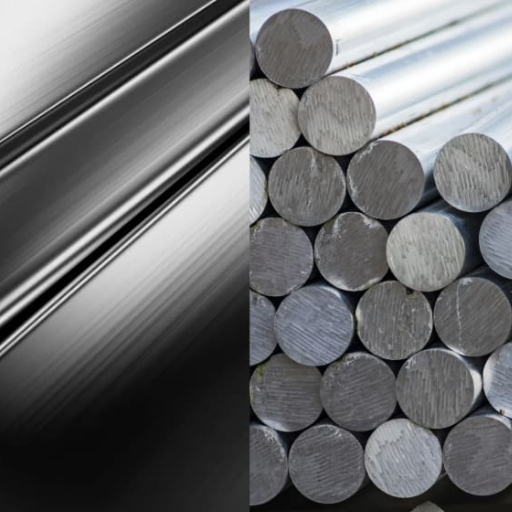
Titanium alloys are very much the in-demand material in industry because of their high strength-to-weight ratio, resistivity to rust, and heat resistance that no other metal has. The aircraft industry is one of the biggest users of titanium, which is applied to aerospace-grade titanium in parts such as jet engines, airframes, and landing gear. Thus, the metal performs extremely well due to this heat resistance and its natural characteristics of high strength. These titanium alloys provide excellent strength combined with lightweight structures for air applications to give the best efficiency in fuel and, in turn, the performance.
Titanium alloys are also predominantly seen in the field of medical science. Their high biocompatibility makes them able to be used for medical devices such as implant joints, dental implants, and surgical instruments. This reduces the likelihood of the implant incurring a rejection from the body as it confirms the required tensile strength and lifespan.
The use of titanium alloys extends to the automotive, marine, and chemical sectors. There, for example, high-performance vehicles benefit from the combination of light weight and strength represented by titanium for their engine parts and exhaust systems. In the marine sphere, corrosion resistance against saltwater is an important advantage for titanium, creating a significant, inherent value for vessel parts and underwater exploration facilities. Chemical uses call for the production of titanium alloys with tanks, heat exchangers, and pipework that can withstand powerful chemicals and severe conditions. Undoubtedly, the properties of titanium alloys have rendered them an indispensable material for modern industrial and consumer applications.
In the aerospace, aluminum alloys are dominant due to their very light weight and extreme ratios of strength-to-weight. Normally, these are used by the aircraft industry in the construction of wing components and structural drives (fuselage). Aluminum helps cut weight, which is critical to increasing drive-system fuel efficiencies and hence overall aeroplane performance. Furthermore, its corrosion resistance counteracts general atmospheric aggressiveness, thus maintaining the in-service quality of these aerospace materials.
The automobile industry, on the other hand, halts reliance on aluminum alloys for vehicular production. Engine parts, wheels, body panels, and chassis are among possible applications. Having aluminum components helps to reduce weight and boost fuel savings while slashing emissions. Its capacity for easy shaping and machining also adds to its flexibility to integrate various design and performance demands.
Aluminum alloys have a lot of use in this construction, where construction frameworks, roofs, doors, windows, roofing, and covers are made. Their protection against atmospheric corrosion and artistic merit make them the most desirable finish for the cutting-edge urban designs. The chances that the sustainability of construction projects is intact with aluminum recyclability are increased. Aluminum thus becomes the opted-for product for eco-smart renovations.
💡 Selection Factors
While selecting materials for specific applications, factors like wearability, service, price, availability, and environmental impact present major points to consider. Priorities are dictated by the material’s purpose to achieve the expected functional effect.
Aluminum is an excellent choice on applications needing strength, corrosion resistance, and lightweight characteristics, like in transportation and structure settings. Conversely, steel would go better with high tensile strength for larger structures like bridges or skyscrapers.
Of exceptional importance is the association of materials with environmental goals. Materials that boast ecological compatibility are therefore preferred more and more to banish carbon footprints, foster environmental defense, and make recycling obligatory. Checking the retentive points of materials and their environmental impact throughout their lifecycle contributes to constituting lasting and respectful environmental contribution.
Taking the spirit that the overriding goal must be achieved is comparative advantage. While it is true that some materials are so much cheaper, they could end up potentially expensive when maintenance or replacement costs are involved. An example of this reality is using a cheap but less durable material that warrants high costs over time as a result of maybe repairings, the cost of which cumulatively surpasses that to the alternative lasting materials. Hence, a formal, calculated necessity of evaluating application requirements and weighing all the vital factors; this will help authorities make informed decisions in harmony with both functional and economic objectives.

Titanium’s unique properties makes it a vital part of the aerospace industry. Its incredible strength-to-weight ratio is highly sought after in various applications requiring weight reduction, such as aircraft frame, landing gear, and engine components. It is because titanium gives the ability to weld with high-strength joints. Also, in engineering usage, those high-stress situations where aircraft have to withstand all different flight stress. This means the less weight of the aircraft, which can enhance fuel economy, reducing fuel expenses.
Besides variable other significant pros, Titanium enjoys astonishing corrosion-resistant properties that serve the drawn-out life of aircraft. Aircraft and spacecraft operate in numerous inhospitable service conditions, each of which waxes and wanes from extremes of atmospheric pressures at high altitudes/ low air pressure, brine-deposited visibility encountered by maritime sorties, and freezing temperatures at one go. In turn, the worth becomes evident when we had put titanium to the task in those conditions and taken many years, never degrading, never giving up its usefulness, and needing only a pallid and hearteningly brief regimen of regular servicing.
Furthermore, the strength of titanium when faced with high temperatures is immensely valuable in applications such as jet engines and parts designed to withstand high heat. This stress resistance under heat signifies that it is unlikely to lose its strength and efficacy when stressed in harsh conditions. When all of these features are taken together, the unique nature of titanium sugar-coats itself in modern aerospace engineering by supporting developments in airplane and spaceship designs towards the safer and more cost-effective ends of the spectrum for every project or program.
The aluminum used in the aerospace market is pivotal due to its commendably great strength-to-weight ratio. Utilizing this lightweight material helps dramatically reduce the overall weight of aircraft and spacecraft, achieving improvements in fuel economy and general performance. Its superb malleability, furthermore, enables the shaping of aluminum into complex constructions, which makes it ideal for use in airframes, wings, and fuselages.
Aluminum has another favourable aspect: that of natural corrosion resistance. In terms of fact, upon being exposed to air, aluminum forms a very thin protective oxide layer that prevents rusting; thus, maintenance expenses are significantly saved, and life-span of aerospace components amplified. This quality becomes especially important when operating conditions lead to aircraft being constantly exposed to wet atmospheres and therefore, moisture.
One of the remarkable things about aluminum is undoubtedly its ability to act as an alloying element with other ways a great materials, forming high-performance alloys that can increase the strength of aluminum even further than lightweight construction allows, which makes it indefinitely suitable for military and commercial aerospace conditions. Therefore the merits of aerospace technology in the aluminum field were assumed to bring forth safer, more efficient, and most cost-effective advancements in the aviation and space exploration domains in a cumulative sense.
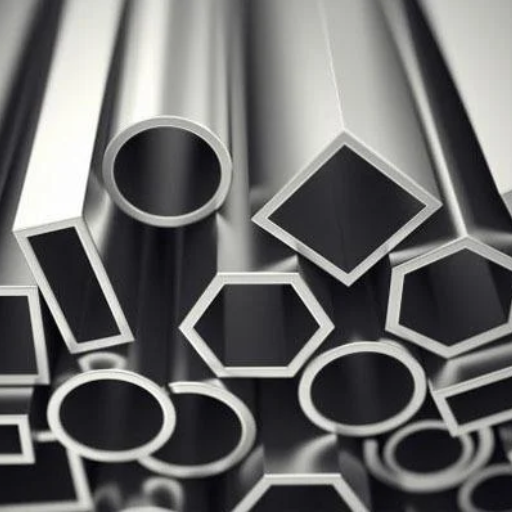
3D printing with titanium heralds a fresh approach to manufacturing in fields as diverse as aviation, healthcare, and automotive. With its remarkable strength-to-weight ratio and resistance to corrosion, titanium has found applications in producing sturdy, lightweight components. By furnishing additive manufacturing with intricacy in geometrical patterns and designs otherwise impossible to be employed using traditional practices, the realm ensures an outlook that not only optimizes the performance of parts but also puts a caveat on ever-involving waste generated by material resources.
One of the principal benefits related to 3D titanium printing is the ability to fabricate custom parts designed for a specific job. For instance, in medicine, these custom-tailored titanium implants, with high biocompatibility, help to create a greater fit with human tissue. On the other hand, in the aerospace industry, lightweight titanium components improve fuel efficiency and all the while afford structural integrity as needed for extreme conditions. For this reason, therefore, titanium is an extremely highly sought-after material for state-of-the-art applications.
In view of efforts to use the 3D printing technique, great reductions in production time and cost with respect to the conventional process prevail. The advantages of such a technology, when time is saved on buying large and costlier machines, have become quite apparent, while, however, the disadvantages are the expensive manner of materials production followed by the use of specialized machines. No retrospect thereafter, good research projects have presented themselves; and even the technology of 3D printing has still been pushing the barrier of dimensions forward with the introduction of titanium in getting this as an improvement tool for industry opportunities.
The benefits of 3D printing with aluminum are countless due to the material’s light weight, durability, and corrosion resistance. This material plays a significant role in many sectors for weight reduction without compromising strength, such as in aerospace, automotive, and consumer goods. The very high thermal conductivity of aluminum also makes it suitable to manufacture parts intended to dissipate heat efficiently reaching, for example, heat exchangers.
The chief advantage of 3D-printed components in aluminum is the ability to achieve complex geometries not possible or very hard to achieve with traditional manufacturing processes. Lattice structures, internal channels, and designs of a customized group can be achieved with almost zero waste of materials. This precision and efficiency not only save costs but contribute to more sustainable production processes.
Challenges in 3D printing with aluminum persist. The very process requires typically high temperatures and specialized equipment adding to the cost of production. Consistency in quality is hard to attain in printed parts, in particular for high-performing applications. However, technology advancements and the progressive availability of aluminum powder managed to slowly enhance accessibility and prompt innovation within the field.
Titanium and aluminum are two materials utilized for industrial manufacturing and have individual characteristics and advantages. The use of titanium materials can be characterized by their high strength-to-weight ratio, good corrosion resistance, and biocompatibility for aerospace, medical, and high-performance industrial applications. Aluminum, weighing very little, excellent thermal conductivity, and good price-value, can be usefully arranged in a variety of application areas—e.g. automotive and consumer products.
By printability, more precision processing or processing should be given careful control of the processing parameters, especially when employed in higher precision AM applications, for titanium. The properties of the high melting point of the material and reaction activity with oxygen further restrict its suitability in terms of necessary measures such as proprietary equipment and argon-filled chambers, for example. Alum, on the other hand, apart from the required wide range of high temperatures, is simple to handle and process, except for its vulnerability to quality variations because of its porous nature.
Out of the two materials that are under consideration, a very critical point becomes the cost. Titanium has tremendously expensive raw material and processing costs contrasted with aluminum processes. The cost conception here mainly drives the choice of materials in processing: either titanium for higher performance or critical applications at the cost of aluminum for more common or cost-sensitive applications.
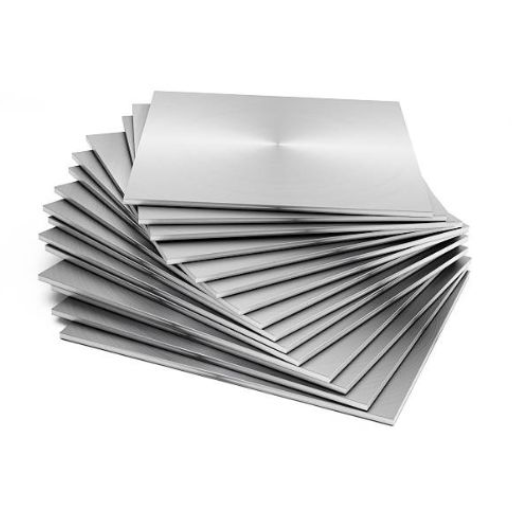
The deciding factors for selecting an alloy of titanium and aluminum include the applications and performance requirements that will dictate the proper material. Naturally, when it comes to needing high-strength, excellent corrosion resistance, and low-weight-to-strength ratios, titanium will excel. It thrives under those conditions in critical applications like aerospace, medical equipment, high-performance industries, the reliability being delivered despite the higher costs.
Aluminum, on the one hand, finds its best application where cost is a concern and yet demands no compromise on lightweight properties. It is quite an easy material to work with, less costly, and happens to be vastly available at the same time. It is simply the perfect material for everyday uses such as automotive components, constructions, and the consumer industry. While inferior in strengh to titanium, aluminum, proven by its flexibility and economy, can serve a broader purpose as materials.
The ultimate performance versus cost imbalance will determine whether aluminum or titanium is chosen. While titanium offers unprecedented durability and corrosion resistance and is thus considered best, a more sensible option would be to opt for aluminum if there is need for economy and efficiency.
When choosing between titanium and aluminum one has to factor in the specific requirements of the project. Titanium beats aluminum by far in the strength, corrosion resistance, and durability department, making it the material of choice in applications where re-stress eventually takes a toll like the aerospace, medical, or marine sectors. Load and stretch, and endurance are the very parameters where titanium, regardless of what it costs, takes the supremacy.
Being relatively cheaper in cost relative to titanium and exhibiting better peace of mind, aluminum is a fair choice. Aluminum is easy to make, cheap, and overall lighter than titanium. These factors all favor it in the industries that act as its haven…like in car manufacture, consumer electronics, or construction. It is widespread and quite eco-friendly in terms of recycling during materials that need to be sustainable.
The answer can be budget and required performance. Titanium is required for conditions of unparalleled strength and resistance; aluminum is a cheaper, more variable option when not so demanding requirements exist. Understanding the detailed tradeoffs lead to a pragmatic material choice.
A Comparative Study of Aluminium Alloy and Titanium Alloy
This study explores the dominance of aluminum and titanium alloys in aerospace materials, highlighting their strength-to-weight ratios and applications.
Read more here
A Comparative Study of Aluminium and Titanium Warm Coatings
Published on PMC, this article compares the hardness, wear resistance, and corrosion protection of aluminum and titanium coatings.
Read more here
Titanium Alloy Guide
This guide provides insights into the structural efficiency of titanium alloys compared to aluminum and steel, especially in high-performance applications.
Read more here