

Supportive, Professional, Client-Focused Service
From prototypes to full-scale production, we’ve got you covered.


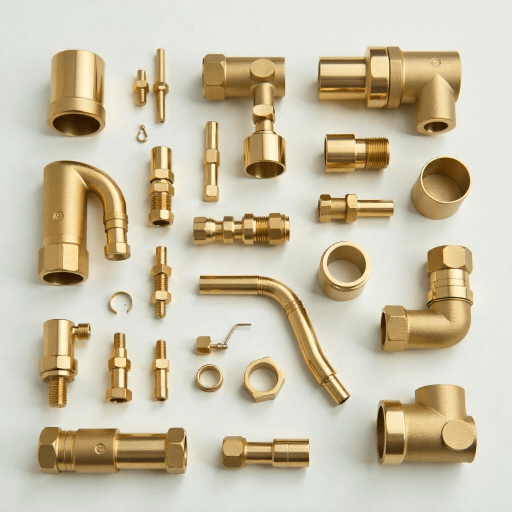
Brass functions as a flexible material that manufacturers use extensively because it combines strong mechanical properties with protection against corrosion and appealing visual attributes. The production process of brass components needs to follow Design for Manufacturability DFM principles so that it can achieve both low costs and high operational effectiveness. Engineers and product designers and manufacturers can use this guide to improve their brass part designs which will lead to better production efficiency and lower expenses and better product performance. The article presents practical methods for developing brass components which satisfy both operational needs and production requirements starting from material choice and machining guidelines to tolerance standards and surface finishing methods. Design professionals and experienced manufacturers will find effective methods to improve production processes which will lead to business achievement.
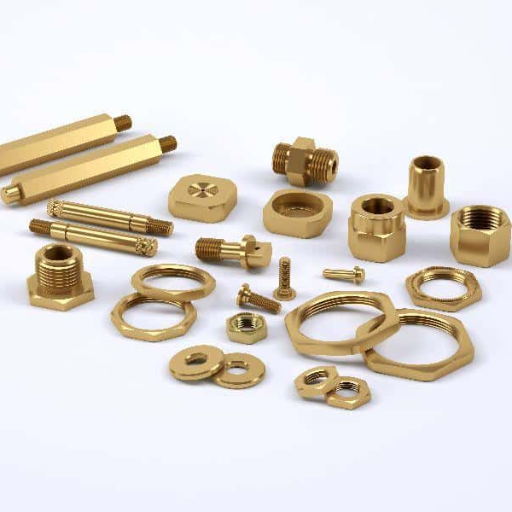
Brass is an alloy which consists of copper and zinc as its main components and together with its adaptable nature and attractive characteristics makes it a valuable material for various applications. The material serves manufacturing needs because it provides outstanding protection against corrosion and maintains its strength while being easy to process. Brass finds use in electrical parts and plumbing equipment and ornamental objects because of its pleasing look and practical uses. The material’s workability improves because of its high malleability and low melting point which enables efficient production processes across different industrial sectors.
Brass alloys possess distinct physical characteristics which enable them to be used in multiple different fields. The alloys contain copper and zinc as their main components, and the material’s properties depend on the specific copper to zinc ratio. The main reason for brass’s widespread usage in marine and plumbing systems stems from its exceptional ability to withstand corrosion both in wet conditions and in environments that contain saltwater.
Brass demonstrates superior thermal and electrical conductivity which makes it suitable for use in both electrical systems and heat transfer applications. The material serves as an optimal choice for medical devices and food processing equipment because of its built-in antibacterial characteristics. The alloy exhibits high strength and toughness properties but its flexible design allows manufacturers to carry out shaping and finishing operations more efficiently.
Brass provides environmental advantages because it retains its primary qualities through multiple recycling processes. Current brass alloys have been developed to fulfill strict regulatory requirements and performance benchmarks, which guarantees their dependable use as eco-friendly materials in industrial commercial and ornamental applications.
Brass functions as a highly adaptable material that manufacturers use to produce multiple components and accessories for different industrial applications. Common examples include:
Plumbing systems and HVAC systems use brass fittings and connectors because these components provide strong durability and protection against corrosion and create secure connections.
Brass serves as the primary material for valve production throughout water distribution systems and gas pipeline systems because it provides both strength and wear resistance.
Brass screws, bolts, nuts, and other fasteners receive positive recognition because their decorative design enables them to withstand rust which makes them suitable for outdoor and marine applications. The brass components show how this material functions in real world use while serving as decorative design elements.
The production process for brass components depends on Design for Manufacturability (DFM) which serves as its essential foundation. The implementation of DFM principles during the initial design stage enables manufacturers to create designs that achieve better material utilization and shorter machining periods while producing high-quality brass components. The selection of a suitable brass alloy which matches the specific requirements of its application leads to better performance and extended lifespan while decreasing manufacturing expenses. DFM establishes design requirements that enable production through contemporary manufacturing methods like CNC machining and casting which enhances efficiency in production operations.
The rising requirement for environmentally friendly and highly productive manufacturing systems has made DFM methods essential for modern manufacturing operations. The method decreases manufacturing expenses while achieving environmental objectives through lower energy requirements and reduced material consumption. The implementation of DFM within brass component manufacturing creates a mutually beneficial outcome which results in better quality products and lower costs for both producers and consumers.
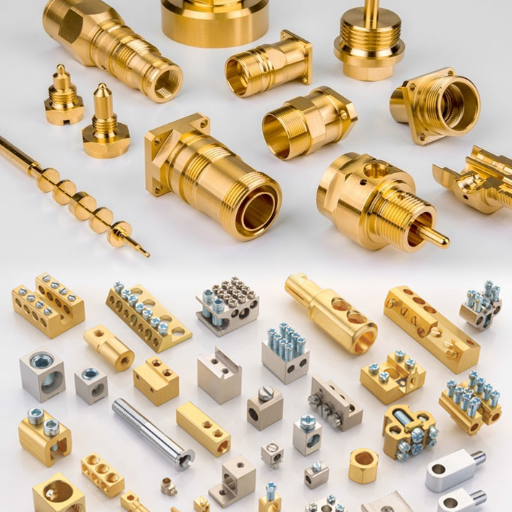
The development of brass components through DFM principles requires proper material choice as the first step. Brass serves as a preferred material choice because it provides multiple characteristics which include durable strength, protection against corrosion, and easy machinability. The selection of an appropriate brass alloy becomes essential because various alloys exhibit different properties which affect their production costs and manufacturing capabilities.
Supplier coordination holds equal importance. The collaboration with dependable suppliers establishes stable material quality and on-schedule deliveries, which boost production efficiency. The suppliers require specific details about specifications and tolerances and regulatory standards to avoid material defects which lead to project delays. The establishment of strong relationships with suppliers creates partnerships that help businesses achieve efficient manufacturing operations at lower production costs.
Design for Manufacturing (DFM) of brass components requires a detailed approach to ensure both precise results and functional performance while achieving cost-effective results. The machining properties of brass together with its corrosion resistance and thermal conductivity capabilities have made it an essential material for multiple industries. The achievement of superior design results depends on the resolution of specific vital design elements:
The selection of brass alloy should be made because different brass alloys deliver different material characteristics which include strength and ductility and wear resistance. For example, some leaded brass alloys are preferred for intricate machining, while others offer enhanced corrosion resistance suited for harsh environments.
The creation of high-precision parts requires the establishment of strict tolerances. The implementation of extremely strict tolerances results in increased production expenses and manufacturing difficulties. The establishment of practical manufacturing tolerances requires close collaboration with manufacturing partners who will help us achieve both precise results and efficient operations.
Brass machining becomes easier when users understand which tools to select. Tool performance depends on the selection of proper tools and cutting speed and lubrication methods. The correct combination of tools and cutting speed and lubrication methods will increase component accuracy and extend tool lifespan while decreasing equipment downtime.
Brass components need specific surface finishes based on their intended applications to achieve both aesthetic and functional requirements. The initial design should include all processes like polishing, plating, and coating so that costly redesigns can be avoided during later stages.
The maintenance of environmental regulations requires compliance which includes restrictions on lead content found in drinking water systems. Sustainable manufacturing methods create waste reduction benefits while they protect environmental resources.
The manufacturing process achieves greater efficiency and sustainability through design which establishes precise measurements and operational standards for brass components.
The costs for brass component production get determined through Design for Manufacturing DFM which serves as a fundamental manufacturing element. The manufacturing process achieves major time and cost savings through the design simplification process which eliminates all intricate design elements. The design process achieves material efficiency which leads to decreased waste and subsequent cost reductions. The use of standard sizes and dimensions throughout production processes results in cost savings because it simplifies manufacturing operations while decreasing the requirement for custom tooling. The design elements which manufacturers should concentrate on during the initial design phase enable them to create products that function properly while staying within budget limits which leads to more efficient production processes.
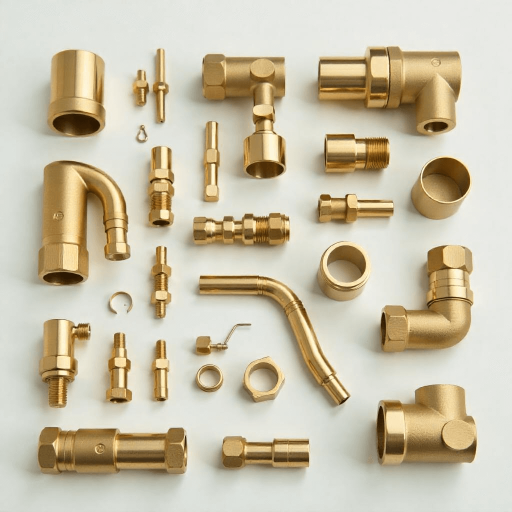
Brass fittings are widely used in plumbing and installation because they offer both strength and protection against corrosion and simple installation. The materials can endure extreme temperatures and high pressure which makes them suitable for use in water supply systems. The brass fittings provide extended durability because they do not rust while other materials we used for comparison do. The three main types of compression fittings and pipe adapters and threaded fittings operate together to create secure connections that prevent leaks across different uses. The combination of versatility and reliability in brass fittings makes them the preferred choice for residential and industrial plumbing systems.
Brass valves serve an essential function because they control fluid movement through multiple systems which include plumbing and heating and industrial systems. The strength and durability and corrosion resistance of brass valves allow them to function successfully under tough operational conditions. The equipment serves as a standard component in systems which demand high pressure and extreme temperature performance for controlling water and gas and other liquid substances.
Brass valves are gaining popularity as a preferred choice for residential and industrial applications because they provide both affordable pricing and simple maintenance requirements. The design of the equipment enables it to work with various piping materials which makes it suitable for use in ball valves and gate valves and check valves. The valves provide better operational capabilities while decreasing leakage and component deterioration which makes them a reliable method for managing fluid systems.
Brass tubes have gained popularity because they maintain their strength through time and resist corrosion and conduct heat effectively. The materials in this product meet the requirements for use in heating systems and cooling systems and plumbing systems and automotive applications and marine applications. The pipes serve as a reliable method to move water and oil and gas because they can endure extreme pressure and temperature changes. People choose brass tubes because they can be easily shaped and maintained which makes them suitable for both home and factory use.

The design process for brass parts needs to follow DFA principles which require engineers to create assembly methods that help decrease production expenses while keeping the product’s essential functions intact. To achieve this:
The principles present in this document enable designers to create more efficient yet cost-effective methods for producing brass components.
The design process for brass parts requires designers to create accurate and precise solutions because this aspect directly determines the product’s ultimate quality and operational capability. The components achieve proper functionality through precise dimensioning which establishes exact tolerances that guarantee their successful assembly. The implementation of advanced design methods which include computer-aided design (CAD) together with detailed material requirements enables manufacturers to reach outstanding levels of accuracy.
Designers who use data-driven methods together with advanced CAD simulation and CNC machining tools can identify and solve assembly problems during the early stages of development. The application of precise tolerances for brass parts establishes their compatibility with other components, which becomes essential during mass production. Manufacturing operations achieve substantial improvements in cost efficiency and long-term system reliability through this method which combines exactness with technological advancements. The use of precision-based methods for designing brass components guarantees that the resulting products will deliver exceptional quality which fulfills both practical and visual design standards.
The process requires designers to concentrate on three factors when designing brass parts because these factors determine their cost-effectiveness. Start by selecting the appropriate brass alloy that balances performance requirements with affordability. The design process requires material engineers to minimize excess material by creating part geometries which maintain their required strength. The design process requires engineers to create parts which meet the needs of CNC machining and casting to achieve better production efficiency and reduced material waste. The production process benefits from simplified designs which use fewer complex features because they decrease tooling expenses while enhancing manufacturing productivity. The design process enables organizations to achieve major cost reductions through these factors which they should assess.

The present development of brass component design aims to create products with enhanced performance through environmentally sustainable design solutions. Advanced simulation software enables designers to create optimized brass components which achieve reduced weight and improved strength while preserving their initial durability. The company has established sustainable practices as their primary objective through their use of recycled brass materials which decrease their environmental footprint. The development of precision additive manufacturing technology which incorporates 3D printing enables manufacturers to produce complex designs that traditional manufacturing methods cannot create. The new technologies assist manufacturers in producing products with greater efficiency while achieving higher quality results and complying with present environmental regulations and performance standards.
The use of technology enhances Design for Manufacturability (DFM) techniques that manufacturers employ whenever they produce brass products. Engineering teams utilize advanced simulation tools to predict design and production problems which results in reduced development costs and shorter project timelines. The tools create optimal designs through digital twin technology and predictive modeling methods which fulfill material efficiency and durability and performance requirements. CNC machining together with automation technologies enhances brass component production through superior precision and operational efficiency while achieving precise tolerances and reducing material waste. The integration of these advanced technologies with AI-powered analytics enables manufacturers to optimize their operational processes while delivering customer requirements and sustaining their competitive edge in a dynamic business environment.
Brass manufacturers practice sustainable methods which reduce environmental damage while maintaining their production efficiency and product excellence. The facility operates its essential functions through two main activities which include recycling brass materials because brass maintains its complete recyclability and performance capacity and energy-efficient production methods that reduce carbon dioxide emissions. The industry reduces its environmental footprint through two practices which include using environmentally friendly lubricants and decreasing waste during machining processes. The manufacturing process benefits from these measures because they help to achieve environmental objectives while simultaneously increasing cost efficiency and resource utilization.
DFM(A)-Aspects for an SMA Connector Design: This study discusses DFM guidelines for brass components, particularly in mass production using high-speed lathes.
Copper, Brass, and Bronze Surfaces: A Guide to Alloys, Finishes, Fabrication, and Maintenance in Architecture and Art: Offers a comprehensive guide to brass alloys, finishes, and fabrication, relevant for manufacturability considerations.
A General Description of the Methods and Processes Involved in the Manufacture of Brass Goods: This document provides a detailed overview of the design and manufacturing processes for brass goods, offering insights into DFM principles.
Manufacturing Processes for Design Professionals: This book includes design guidance and manufacturing techniques, such as casting methods, relevant to brass parts.
Precision is of key importance within the domain of brass manufacturing in order to maintain the expected performance levels of brass parts and keep them in line with the string quality requirements. Advanced effective technologies are operational in the manufacturing filed to attain the necessary tight tolerance limits and ensure consistent repeatability throughout the production process. For any model that has been virtually made and worked on doubly hard by the engineers of the company using technology, the glitches expectations considered during the design phase of the model will impart dependence on its management, thus ensuring an enormous credibility of the desired part. Precision in this regard would give a push to the mechanization channel, thereby earning good dividends in reducing scrap. As time goes by and automation develops, the manufacture of precision brass parts becomes more efficient and consistent. Further, as a result of accuracy, manufacturers are liable to adhere to reliability standards.
DFM innovations are instrumental as the overall concept to aid in efficient design and manufacture of brass components at affordable prices. With simulation and AI-driven analytics in place, a gamut of insights from manufacturing are generated to support everything from concept development to final inspection. This anticipates any potential design limitations, with a resulting effect on better component performance and the sustainability aspects. DFM strategies directly reflect an energy-conserving design philosophy that can trigger recycled materials; thus aligned toward moderating brass modernization. This would ensure that manufacturers remain efficient, allowing them to keep a keen eye on environmental preservation. DFM keeps evolving to ensure that brass components advance consistently to meet industry needs.
Brass is corrosion-resistant, highly machinable, and attractive. It is thus suitable for various applications. This metal is both structurally as well as aesthetically quite versatile in the plumbing, electronics, and automotive industries. Observant and eco-observant firms value how brass can be engineered in DFM (design for manufacturability) to not only permit effectual production but to shun waste of materials. Brass is also gaining in demand and appeal in contemporary manufacturing as it remains a green material that is usually recycled. It is ideal for CNC machining as well as casting and hence facilitates efficient production management. Divided into different alloys, brass is selected for offering the correct balance between performance, endurance, and cost usage. However, brass being tough to work with in any way is incorporated wherever reliability and versatility are requisites.
Design for Manufacturability (DFM) and Design for Assembly (DFA) make it possible to produce demanding brass component geometry and minimize excess material, thus cut the objective cost impact without sacrificing mechanical or performance requirements of the parts Profiles such features to fit seamlessly into either a CNC process or casting without the huge wastage brought about by trial and error. All this manner is strengthened when DFM and DFA work on the contrary for boutique runs or specially crafted pieces. Early interaction between the design and manufacturing teams ensures a high level of support should any problems arise during production. Integrating these principles helps design pliable, cost-efficient products that can improve the industry quality threshold on each run. Consequently, serial production operates more smoothly and reliably for geometry and texts.
CNC machining is best for generating brass components due to the smooth machinability of the material and the way its fine tolerances can hold. This method aids with fast prototyping, little quantity runs, and detailed technical designs all with steady quality. Accuracy matters within CNC machines back their numerous DFM according to systematically reduced wastage. They are useful on many types of brass alloys as each different brass possesses one mechanical assortments that could then fit the customer’s use. The CNC machining repeatability and accuracy is of outstanding importance in areas that require durability for appearance. Moreover, by introducing CNC machining for a comprehensive type of manufacturing methods into the casting process improving process flexibility can make the efficiency better. In conclusion, design study suggests that CNC machining is obviously the solution for quality, efficiency, and reliability in producing intricate brass parts.