

Supportive, Professional, Client-Focused Service
From prototypes to full-scale production, we’ve got you covered.


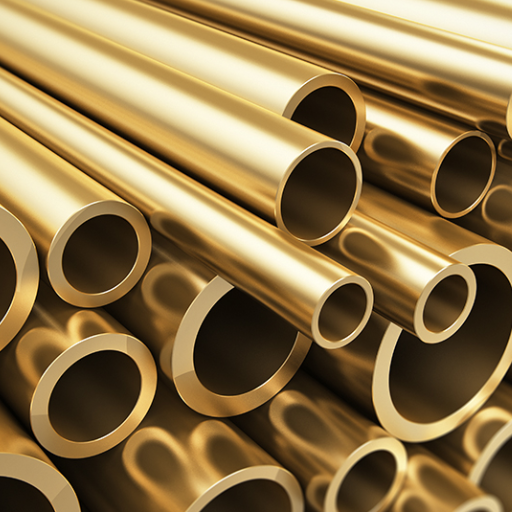
Brass is an alloy with a wide range of applications used across industries; it has exhibited these applications for quite a long time. Easy cutting, excellent resistance to corrosion, and outstanding beauty colored in gold are some of its features important for use in any application from plumbing connections to decorative purposes. Nonetheless, understanding the materials mechanical properties as the tensile strength and hardness and ductility is to release a better selection for its industrial applications. This blog educates deeply about the unique characteristics that even make brass an ideal material. From the perspective of an engineer, designer, or just a committed material science devotee, this article introduces you to understand further how the material of brass behaves in different ways and, thus, why it is still a preferred choice for so many applications. Let’s get to learn about with what brass strength etc.
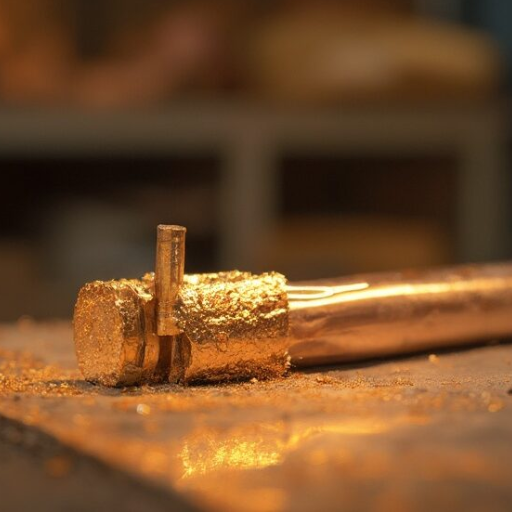
Brass constitutes an alloy of composition mainly copper and zinc, with its characteristics being influenced by the latter ingredient. The alloy is conspicuous in respect to its bright yellowish luster. Brasswork is another incredulous idea, though it has been used since time immemorial. Brass, in its purest sense, may be classified as more valuable forme at various industrial spheres; that is, corrosion-free and anti-microbial. This quality of course is magical in the form of musical instruments, jewelry, and plumbing.
Yet the major appeal of brass stems, no doubt, from its ductile-strong nature. A compromise between hardness and ductility is central to brass; red and blue crack hats may easily cast and machined, removing any distortion inside of well-bonded gearwheels, valves, and connectors. Additionally, brass gives a relatively smooth machinability and castability, which are certainly advantageous for manufacturing purposes and hence in broader industrial applications.
Another exceptional characteristic in brass is that it has good properties in acoustic and thermal conductivity. This property makes it a favorable material for musical instruments which can produce infinite resonant tones, and likewise for heat exchangers where fast and effective heat transfer is needed. The capacity of brass to resist tarnish and to retain a shiny appearance with little effort also helps to maintain its pervading popularity, which guarantees that it will continue to be used in various functional and decorative applications.
Brass is a copper-zinc alloy which is essentially comprised of only two elements. The proportions of these two elements may vary widely to meet differing needs. The common range is from 60 to 70 percent copper and 30 to 40 percent zinc, but other elements may be added as well.
Very small quantities of other metals, such as lead, aluminum, or tin, may have been added to brass for specific purposes. For example, lead may be commonly added to improve the brass’ machinability, and tin can improve the resistance to corrosion. The addition of any of these elements allows the manufacturers to create brasses that can meet a wide variety of functional requirements while maintaining the intrinsic color and shine of the brass.
The exact chemical composition of brass, does determine the mechanical properties like srength, hardness, and ductility of the material. Manufacturers can adjust copper-zinc content to most appropriately fine-tune individual brass compositions to meet every performance requirement.
This metal is a natural alloy widely used in many fields for its unique properties. The combination of good corrosion resistance, malleability, conductivity for electricity, and general attractiveness makes it especially valuable in practical as well as ornamental applications.
These uses indeed exhibit the vast usefulness of brass, through its application in both traditional and emerging practices. With the emerging trends in material science and sustainability regarding manufacturing societies, it is envisaged that brass will take further advancements in the years ahead.
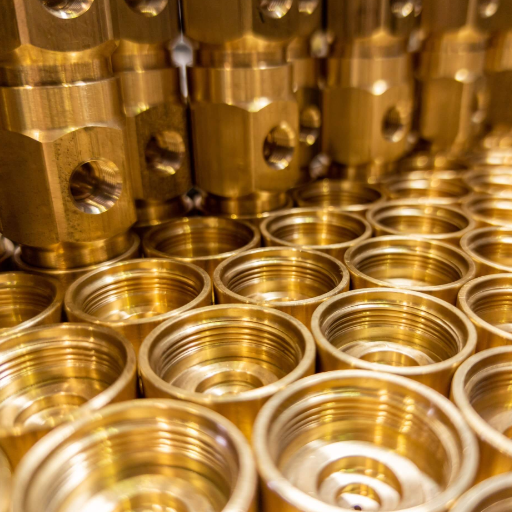
Tensile strength is defined as the maximum stress assigned to a material before actual breaking or failur. It becomes a significant mechanical property in materials like brass, which determines depending on their durability and their ability to exhibit the properties of stress. Tensile strength is the most significant in terms of applications that need resistance to tensile forces, which include bolts, screws, and various engineering structures.
The tensile strength of brass is dependent on the grade of the composition and the process of making. Higher amounts of zinc in an alloy wear a greater tensile strength, while higher amounts of copper enhance the resistance to corrosion. Along with this, heat treatments and cold working are the processes that will elevate the tensile strength of brass and make it greatly suitable for a variety of industrial applications such as construction, marine engineering, and manufacturing.
To designers and users, who are directly concerned with tensile strength, ensuring that clarity has been established between safety and efficiency from the very beginning is of paramount importance. Knowing the tensile properties of brass, for instance, can aid engineers in selecting the most appropriate alloy for the intended application so as to reduce failure risk as much as possible. It is against this backdrop that we impel reliability and anticipated shelf-life of brass, especially when brass is subjected to harsh conditions or high shock loads.
Yield strength is an extremely important property in materials because it actually describes the limit of stress of a material at which point it starts to deform plastically. The yield point of brass represents the maximum stress the particular alloy can withstand before it barely experiences any permanent deformation. This property is primarily needed to certify the material’s proficient structural stability and suitability for a fractal range of applicative fields, especially ones falling to the realm of mechanical load distribution.
The yield strength of brass degenerates widely with respect to its parameters including compositions and processing. Usually, brass alloys exhibit yield strengths about 100 MPas to 400 MPs in composition. Moreover, this property is alterable along with the specific ratio of Cu and Zn or even through the introduction of lead and aluminum. This is, of course, further enhanced by cold working or heat processing, which indeed yield the yield strength property thus of the material to a treatment that a specific engineering demanding designs seek.
The ability of the yield strength to separate the superior brass alloy from the rest when choosing the appropriately enduring, solid brass alloy for an application is important as it proves the metal will be able to carry out operational TTC needs and scale critt0-structure intact. Hence it can limit factors such as design errors and material failure, enhance the safety in production, and yield a long-duration life cycle for the end product, even under harsh conditions.
The quality of a metal may decide the aluminum content of a brass composition and testing for hardness is inherent for the selection of a brass composition for the specific requirements, influencing its durability, performance, and longevity. Hardness may possibly be measured using the Brinell type of the Rockwell or Vickers test; results can be relied upon with changes brought about by different test methods in applications.
Hardness measurements are significant from the viewpoint of a chosen brass alloy’s ability to bear duty stresses either without damage or with a minimum of wear. Thus, depending on operational soup stress levels, one might want a slight increase in brass hardness in some applications where there is severe friction or mechanical pressure. The skin strength wears less and may even add much to the lives of components made harder by it. This property also directly correlates with the hardness of the alloy resisting against any surface scratch or dents, which is very important in environments where appearance and structure are vital features.
Setting accurate measures of hardness greatly benefits manufacturers in material usage optimization, thus avoiding overengineering; hence cost-saving becomes better-neutralized against safety and reliability. In the background, this helps rule out material inadequateness, lasting the tests of time for sustainability. In this manner, hardness measurement stacks up adamant and able within the jewelry of brass-a alloy application for its all-weather performance, fit of utility, strength, economy, and quality.
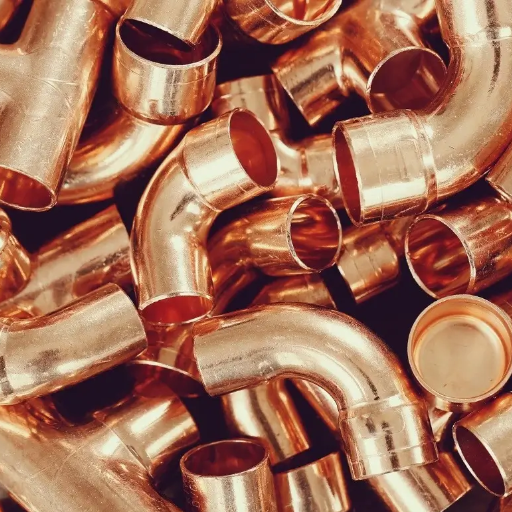
Brass alloys are made ductile, strong, or hard, depending on the composition of the alloy, the factors of metallurgical factors, heat treatments (heat strengthening, quenching, annealing, etc.) and on environmental conditions in which brass articles or specimens find themselves being put into actual use. It is therefore important to understand these factors to optimize and elaborate on its performance characteristics for various applications where it can be applied.
It is therefore evident that by taking detailed knowledge and thorough analysis of understanding all these factors, industries will be in a position to super-customize brass alloys to meet specific requirements that focus on performance and sustainability.
Cold working extensively affects different physical and mechanical properties of brass since it modifies its crystal habit structure. The elongation and deformation of the grains within the material are achieved by cold factoforming processes, such as rolling, fiaging or extrusion. Thus, hardness and ductility are highly raised up to a level where the material is mostly untie the provision of strength by ductility. In addition, ductility gain allows it to endure further reduction. All these property improvement was the consequence of strain hardening, counteraction against actual wear -a critical factor to reckon with in quite a number of industrial applications-pounding of brass as if to closing out in great help.
Nevertheless, cold work does weaken brass’ ductility, allowing for cracking under high tensile stress or under further processing. Diminished ductility is produced by repeated crashing which generates dislocations within the metal structure, thereby limiting the capacity of the metal to stretch or bend without fracture. In applications demanding great flexibility, extra treatments such as annealing are called for to give a degree of ductility to the material.
Furthermore, the effects of cold work on the corrosion resistance of brass must be kept in mind. The introduction of an insignificant amount of deformation or stress may lower, in some cases, the capability to resist some forms of corrosive environments, vis-à-vis the alloy composition. Therefore, in industry cold working is extensively manipulated in order to balance strength, ductility, and resistance properties for a specific application by helping in the selection of a suitable brass alloy.
Heat treatment plays a crucial role in modifying mechanical and physical properties of brass, making it to fit for the intended applications. Of all possible kinds of heat treatment methods applied to brass, the most essential is the annealing process, which consists of heating the alloy to a definite temperature and then slowly cooling it in air or rapidly quenching. Annealing will remove internal stresses, improve the ductility of the brass alloy, and restore qualities it had before the deformation as a result of cold working. Annealing is thus applied whenever brass must be reshaped or its mechanical strength is required to reach good standard levels for ultimate performance.
One more form of heat treatment that is essential for the brass is stress relieving, which can operate in a temperature range below that at which annealing is performed. Stress relieving is mostly used to relieve the residual stresses because of machining, welding, or other manufacturing processes. When these stresses are moderated, brass becomes less susceptible to plastic deformation and subsequent failure due to stress whilst under mechanical stresses or temperature changes.
Furthermore, heat treatment might play a role in altering the corrosion resistance of brass. In fact, overprolonged heat treatment or improper cooling could lead to grain growth, providing a suboptimal microstructure for the brass and potentially retard its corrosion resistance. However, with a tightly controlled heat treatment, the microstructure and properties of brass are optimized to guarantee the stability, and service longevity is supported for different industrial needs.
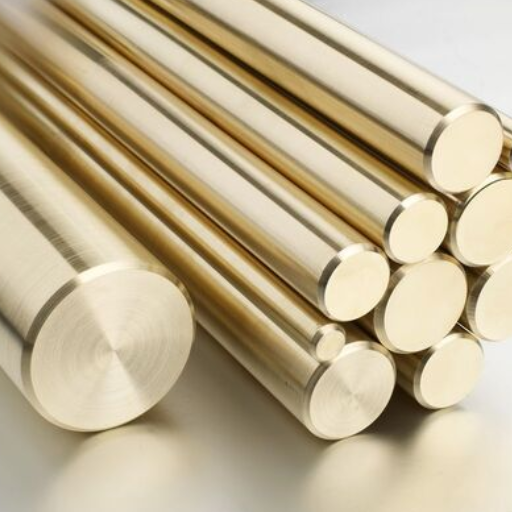
Brass is widely used in plumbing because it is resistant to corrosion and demonstrates good malleability and durability. Its primary components (copper and zinc) undoubtedly preserve its rust and corrosion yearly, to the benefit of surviving in aqueous applications of piping. These are much-needed qualities in plumbing because other materials are inclined to deteriorate over time via varying temperatures, humidity, and all other harsh environments.
Among the major benefits of employing brass in plumbing are the provision of mechanisms to endure both high temperatures and high pressures. This is what makes brass the ideal component for systems such as valves, fittings, and pumps where structures have to continue to hold up under challenging conditions. Moreover, brass is easy to process and shape, putting the children in the hands of manufacturers of the most delicate pieces necessary for contemporary plumbing systems.
Moreover, brass is acclaimed for its antimicrobial properties, which inhibit the growth of harmful bacteria in water systems. This unique feature places brass in high esteem for situations where cleanliness and safety are of paramount concern, such as residential and commercial plumbing. Brass has established its place in plumbing in various industries through a combination of assuredness, longevity, and health perks.
The unique advantage of brass in the production of electrical components is due to the unique combination of its properties. Brass is an exceptional conductor of electricity, which primes it to be a popular choice for terms, connectors, and sockets thus being durable in terms of efficiency. The conductivity of the material contributes to the effective flow of electricity and helps to eliminate the loss of power whilst enhancing the performance of an electrical system on the whole.
In addition, brass has a resistance to corrosion and wear. As opposed to the advantage of cost-effectiveness, competing materials will lose their luster due to exposure over the course of time and would withstand corrosion. In contrast, brass holds forth, and even in dire conditions, it maintains performance and provides substantial durability. This reliability minimizes the need for frequent replacements and maintenance, which is particularly a major concern in application sectors such as power distribution systems or telecommunications.
Further, brass is an economic and easily machineable material, making it perfect for general use in high tolerance manufacturing. As with its ductility, the possibility of converting to a single decorative form with modern day-day electronic components will not make any other significant trade-off with its strength or desired functionality. However, these alongside excellent conductivity and resistance to property have made brass quite a reliable choice for the production of various electronic systems.
Brass is widely used in musical instruments for its excellent acoustical properties and its ability to be molded. Trumpets and trombones, tubas, and the French horns are typical examples of brass instruments because they endow rich, sonorous tones. The broad, flat finish of the material and malleable shape enable the condemning sound of instruments constructed to identical very high-performance standards.
The most important edge of brass in musical instruments is its capacity to vibrate and thereby generate a sound rich in clarity and volume. Being resonant, brass amplifies air-vibration sound waves emanating from within the cavity of the instrument. This can procure a myriad of tones and dynamics that imbue brass instruments with distinctive acoutiscal qualities in a variety of musical styles.
In addition to exuding robustness, brass is resistant to rust. Rusting is disastrous for an instrument-the death knell, in effect-in case of daily playing, moisture, or exposure to environmental contingencies. The material, besides, is pretty easy to maintain; it ensures that musicians won’t have to do much to help protect their instrument from decay and maintain its grand appearance. This is why brass remains an essential component in the construction of those fine musical instruments.

In choosing the right brass alloy for particular uses, an engineer or manufacturer must weigh the properties affecting durability, machinability, or corrosion resistance. The properties of brass alloy are to be measured by its chemical or material composition; therefore, accurate study of the specific necessity of purpose is imperative. Among those properties mentioned concerning a particular application, corrosion resistance or durability seems to be adequate.
Another major consideration is the strength and malleability of the alloy. In the case of applications where the material must sustain high stress/strain conditions and repeated usage, examples of which may include mechanical fittings or numerous parts in musical instruments, a brass with high strength should be the choice. Since higher machinability would become important in applications demanding intricate design or precision machining, an alloy devised with machining properties more or less considered to be ideal may quite probably work for it. Thus, the decisions can seriously affect production efficiency and product quality.
The cost and availability considerations can no longer be ignored, perhaps less so than the others. One alloy could be more expensive and difficult to lay hands on than another, and this could translate into higher production expenses or project delay. Is the added expense worth the alloy’s specific properties in the eyes of the manufacturer? That is, an economical alternative could possibly serve the need for the project. The most desired among brass alloys could be selected here, on a strong emphasis upon the range of material performance that aligns best with the budget allocations.
The selection of the right brass alloy mostly depends on the specific mechanical properties demanded by an application and the practical needs of the same. Brass alloys are known for their machinability and corrosion resistance, and their aesthetic qualities can be developed to different extents with the use of unique compositions. Thus, maintaining a good balance, designers need to prioritize their key performance attributes while considering their budget constraints.
In applications that need a significant strengthening punch and abrasion resistance, yellow brass (alloy with higher copper content) may deliver this benefit, considering its good tensile strength. For applications based exclusively upon aesthetic or machining considerations, free-cutting brass with higher zinc content may be selected. It is likewise crucial when choosing an alloy to ascertain the operating environment, such as the effects from exposure to moisture, temperature extremes, or chemicals, that may require a certain alloy in terms of corrosion resistance or thermal effects.
In the end, a more expensive special brass composition can be justified only if its superior properties are consistent with the basic criteria and end goals of the project. A more economical and cost-effective alternative will be sufficient if and when the alloy meets the mechanical and functional criteria. Intended or primary material properties such as strength, cost-effectiveness, and durability by material choice.
If these ground rules are followed, an educated decision can be more easily undertaken when it comes time to select another alloy. This decision will have a direct affect on the team, project, and budgetary or functional criteria in relation to which it is all about.
A: Brass, combining copper, zinc, and several kinds of metallic lustre, is equally remarkable for the properties of good electrical and thermal conductivity, moderate to good corrosion resistance, machining abilities, and good appearance; thus makes an important alloy for use in the engineering section.
A: Main mechanical properties are ultimate tensile strength, hardness, wear resistance, formability and workability, and response to cold-forming; all of which dictate in what applications the brass bars might find an application wherever needed-the part that requires corrosion resistance and high tensile strength.
A: Simply put, the ratio of copper to zinc makes four basic brasses. A higher copper composition generally imparts better ductility and resistance to corrosion, but increases zinc content brings high alloying, which increases strength and hardness. For example, cartridge brass, with heating of high zinc, has a lot of tensile strength, which is used for rounds, whereas red brass has higher resistance to white corrosion and is preferred for plumbing fixtures.
A: Leaded brass contains small quantities of lead to enhance machinability and manufacturability, which improves formability and cutter speeds in comparison with lead-free brass (and DZR brass as far as being a grade resistant to dezincification) that claims to meet the regulatory and health requirements in the markets while providing outstanding corrosion resistance in certain cases, though possibly with slightly different machining and mechanical fingerprints.
A: Dezincification denotes the selective dissolving of zinc from certain brass-es types when kept in water which is chemically more potent, its strength and texture- the built being damaged. Here, Naval Brass and DZR-brass types have been formulated to withstand this and can easily be withstood in marine environment applications, where corrosion resistance and long-term reliability do matter the most.
A: Any data sheet normally carries information including, but not limited to, ultimate tensile strength, yield strength, elongation, hardness, electrical conductivity, thermal conductivity and recommended cold working or extrusion parameters. Manufacturers and standards bodies publish these data sheets for certain UNS numbers and different kinds of brass for a number of industrial applications.
A: Formability and ease of machining offered by brass allow for extended utilization of various processes such as extrude, cold working, and turning that can produce components such as couplings, fittings, and decorative elements. Leaded brass, particularly for high-speed machining, depends on availability, while lead-free grades may need adjusted tooling but, at least, meet health and environmental standards.
A. Brass is extensively used in plumbing fittings, valves, marine hardware, sockets, musical instruments, and decorative fixtures demanded by industrial sectors and consumer products due to an advantageous combination of cohesiveness, wear resistance, good electrical characteristics, and sophisticated aesthetics.
Aluminum, Iron, and Brass – Physics Van (University of Illinois)
This source provides insights into the composition and properties of brass, including its mechanical characteristics.
Read more here
High Entropy Brasses and Bronzes
A detailed academic paper discussing the microstructures, mechanical properties, and phase evolution of brass alloys.
Read more here
Solid Phase Processing of Lead-Free Brass with Carbon
This technical report includes data on the hardness and tensile strength of brass, with specific focus on lead-free brass alloys.
Read more here