

Supportive, Professional, Client-Focused Service
From prototypes to full-scale production, we’ve got you covered.


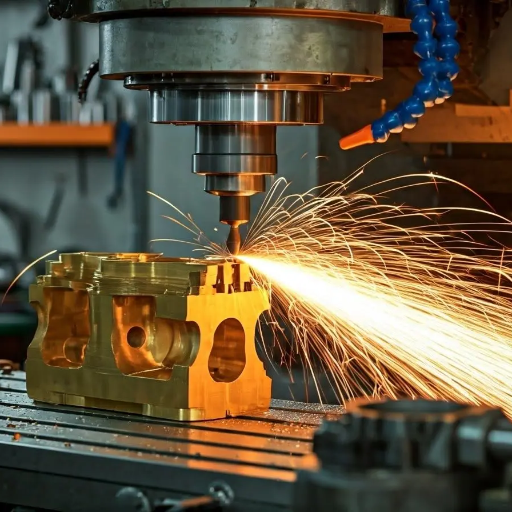
Brass CNC machining stands as the leading edge of contemporary manufacturing because it combines precise engineering methods with the adaptable properties of brass to produce outstanding outcomes. The material properties of brass make it suitable for producing delicate parts that serve electrical systems and plumbing fixtures and ornamental products. The guide explains all important parts of brass CNC machining from its special benefits and material characteristics to the methods and equipment that achieve maximum performance. The reading material will help engineers and designers and manufacturers understand how brass machining improves their projects because it provides essential knowledge about this exceptional material.
CNC (Computer Numerical Control) machining functions as a manufacturing method which uses software to control machine tool operations through pre-set computer instructions. The method enables precise material shaping and cutting, which applies to metals and plastics and wood materials. The CNC machining process delivers high precision results which maintain identical performance standards after multiple uses to create advanced designs that meet specific measurement requirements. The technology finds extensive application in the aerospace and automotive and electronics manufacturing sectors. The CNC machining process achieves greater operational efficiency and error reduction through its automated functions, which make the system dependable for both prototype development and mass production.
CNC machining which stands for Computer Numerical Control machining uses pre-written software programs to operate machines and tools through computer-controlled movements. The automation system produces complex parts with high accuracy because it controls machines through specific programmed commands that operate lathes and mills and routers and grinders. The main advantage of CNC machining lies in its capability to produce intricate shapes with precise measurements which remain constant throughout different manufacturing processes. The aerospace and automotive and medical and electronics industries depend on CNC machining for both their product development and large-scale manufacturing needs. The development of CNC machining has reached new heights through its combination with CAD and CAM systems which support fast design changes and streamlined production processes. The precision requirements of modern manufacturing operations need to be fulfilled through this ongoing development process.
CNC stands for Computer Numerical Control, and this system operates by receiving computer-generated directions for performing functions like drilling, milling, and lathe work. In the machine manufacturing process, an initial step involves converting digital design work created with CAD into G-code recognized by a CNC machine, rendered possible through CAM. The major role here is for the G-code to be operational commands to the CNC machine, dictating the tool paths, speeds, depth of cut, and other machine procedures. The machine must be held in a clamped condition in the worktable very much in ways so that it can be machine-controlled to perform tasks without human intervention. They feature microprocessors and feedback systems which keep to the required operational accuracy and thus ensure an accurate rate of precision by producing highly intricate parts with steady quality.
CNC machining serves as the essential equipment which modern manufacturers need because it delivers exact results while maintaining operational efficiency and producing more products. Current research shows that CNC manufacturing technology which operates across multiple industries continues to attract global search interest which remains constant. The technology allows manufacturers to produce detailed and complicated components which manual production methods cannot achieve. CNC machining provides manufacturers with three advantages because it shortens production time, it decreases the chances of human mistakes, and it maintains product standards throughout high-volume production processes. The system demonstrates its ability to work with multiple materials which include both metals and plastics because organizations use it to create a competitive edge in an industry that constantly changes.
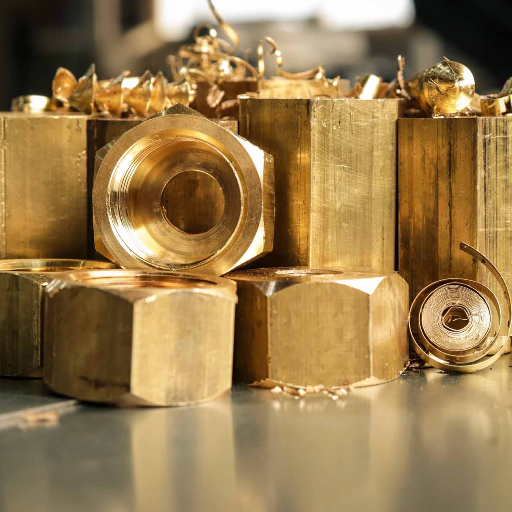
Brass is an alloy combination that consists primarily of copper and zinc and has a distinctive gold-yellow appearance while resisting corrosion fantastically. The material has high malleability, ductility, and thermal conductivity, allowing it to find utility in the production of a myriad of items: musical instruments, decorative items, components of machinery, and so on. The copper and zinc levels are varied to alter the hardness and strength of the alloy in a subsequent manner, along with its color. The allowance of the ratio of copper to zinc enables a versatile array of industrial and artistic uses.
Brass has become a valuable metal because it combines strength together with durability and protection against corrosion which makes it suitable for use in damp environments. The material can be easily shaped and used because of its excellent machinability while its inherent antimicrobial characteristics make it suitable for use in medical facilities and sanitation operations. The aesthetic attractiveness of brass makes it ideal for use in decorative objects and architectural design elements. The material functions as a precise component which enables electrical and mechanical systems to operate effectively because it can transmit both heat and electrical current.
Brass represents corrosion resistance when employed in industry use and therefore is selected as a preferred marketing offering. The alloy is produced from the base metals of copper and zinc, resulting in many yet undisclosed environmental circumstances. Saltwater corrosion abuse occurs wherein brass resists, providing suitable marine environment protection without comparison in its field. Brass is designed to form a gentle oxide resistance layer that helps to endure extreme weather conditions after the initial oxide layer has been established. On-site renovation unknown to brass community property enables these conditions to endure in their original condition and shape without any compromise and for untold years in a world built on industry and outdoors.
Brass stands out as a superior material for turning and milling and drilling operations because of its exceptional machinability features. The material’s soft characteristics and frictionless properties enable efficient cutting which leads to decreased tool damage and production of polished surfaces. The combination of these features with its ability to be used in multiple applications makes brass the perfect material for creating exact parts that various industries require.
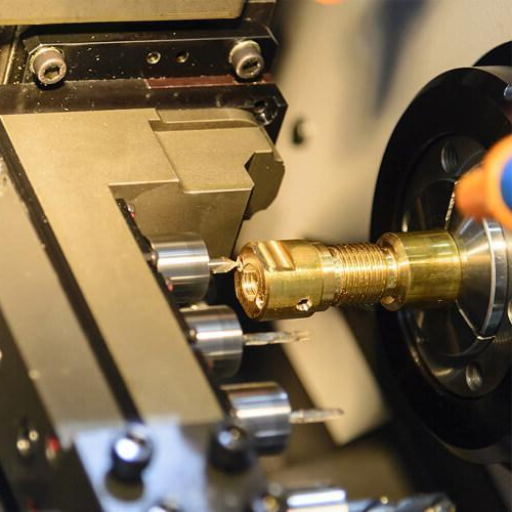
The brass CNC machining process requires multiple exact procedures to produce premium parts. The process begins with a complete design that design engineers create using CAD software. The design transforms into machine-readable code which uses G-code to control CNC equipment. The machine processes brass workpieces through automated tools which execute cutting drilling and milling tasks with exceptional precision. The process achieves effective production through brass machinability which maintains operational efficiency and minimizes tool deterioration while producing components that meet high precision standards for various uses.
Brass CNC machining needs designers to make parts which maintain operational capabilities while delivering optimal machining results. The process starts with engineers who create 3D models in CAD software to achieve precise measurement standards which match the intended design requirements. Designers need to establish ideal dimensions for holes and grooves and threads which will help decrease material waste while shortening production times. Engineers need to evaluate how brass materials will affect their specific design requirements according to its tensile strength and heat conduction properties. The design process will create a component which fulfills operational needs while enabling efficient manufacturing processes.
Brass machining through CNC machine operation requires precise programming of instructions which control machine behavior. The process begins with designing the part using CAD software, ensuring all dimensions and features are correctly defined. The design is converted into a CNC-compatible language through CAM software which generates G-code output. The selection of cutting speeds and feed rates and tool types requires special attention because these parameters must match brass machining requirements while preventing excess material damage. The program undergoes testing through simulation before production starts which helps to find and fix potential problems that ensure precise and efficient machining operations.
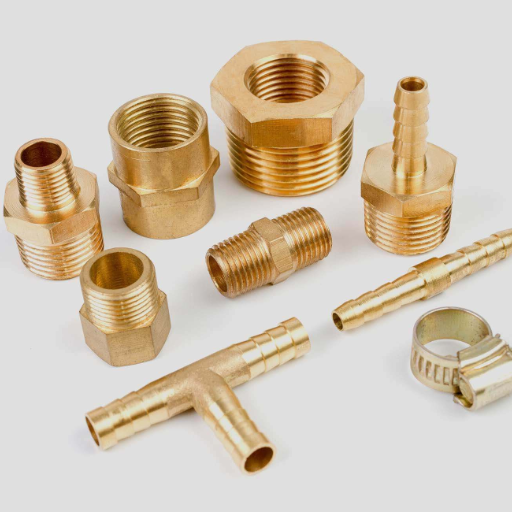
The excellent machinability and corrosion resistance of brass together with its attractive appearance make brass CNC machining a popular method that manufacturers use in multiple industrial sectors. The material serves multiple purposes because it is used in electric connectors and terminals as well as plumbing fixtures and automotive components and precision instruments and decorative hardware. The non-sparking characteristics of brass make it appropriate for use in aerospace and petrochemical environments which handle flammable substances.
The automotive industry depends on brass CNC machined parts because they provide essential properties of strength and diverse applications and protection against both wear and corrosion. The material brass delivers peak performance and extended product life when used in fuel system components and electrical connectors and engine parts and transmission systems which operate under extreme conditions. The CNC technology advancements enable manufacturers to produce precise and consistent brass components through their ability to create intricate designs. The machining process enables cost-efficient production of large quantities which fulfills the industry’s demand for effective supply chain operations. The unique properties of brass, such as its thermal and electrical conductivity, make it an essential material for modern vehicle design and operation in critical automotive systems.
Brass CNC components play a vital role in electrical applications due to their excellent conductivity and their ability to withstand corrosion and their long-lasting durability. The components find their application in connectors and terminals as well as electrical contacts to achieve effective electrical signal transmission. Brass serves as the perfect material for electrical systems because it can endure high temperatures while providing resistance against wear. CNC machining delivers precise manufacturing capabilities which enable these components to achieve the exact measurement requirements found in sophisticated electrical devices. The telecommunications and power distribution and consumer electronics industries depend on brass CNC parts as their crucial components.
Brass machining serves as the primary method for manufacturing long-lasting plumbing parts which deliver operational efficiency. The corrosion-resistant properties of brass make it suitable for use in water supply systems and fittings that experience continuous contact with moisture. Its malleability enables exact machining which creates secure joints for valves and faucets and pipe fittings. The material serves as a preferred option for residential and commercial and industrial plumbing systems because its durability lasts while it works with both hot and cold water.
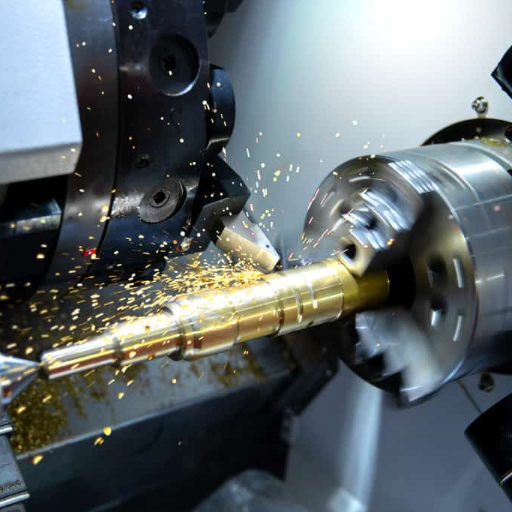
Using a sharp and right-quality tool specifically for nonferrous metals gives clean cut and keeps the tool in proper conditions.
Lowering speeds and feeds helps ensure better precision while minimizing heat buildup.
Employ the right coolant/lubricant to keep the tool in good working order and to enhance surface finish.
Clamp the brass material firmly down to stop it from vibrating and, so, ensuring it is carefully machined.
There is much small chip generated by the brass. Keep them cleared so that they do not clog and machined parts are accurately produced.
Regular measurements while machining help assure that parts are within limits and as needed.
Brass has many benefits which makes it favorite in CNC work. It is strong yet easy to case into shape in a relatively short period of time and it is not corrosive. These qualities make brass an excellent option for high precision manufacturing which is cut through efficient machining. Again brass finds diverse applications in many sectors, for instance, the automotive, hydraulic, and electrical. This is accounted for its economic mechanism which also involves the molding of intricate parts of brass. Hence, it has been found to be one of the best alternatives in these as well as in many other CNC machining operations.
In the brass CNC machining process, choosing the tools is crucial to maintain precision and effective performance. Prefer tools constructed out of high speed steel (HSS) or carbide because these materials are long lasting and remain sharp when working on brass. To avoid heat generation and achieve a good finish, consider using sharp edge tools. Low rake is preferable to avoid vibrations and hand out chips easily. The diameter and angel of the tool have a great impact on accuracy as per the structure of the part to be manufactured. Check and repair tools periodically to avoid tool breakage and u explanation achieve the desired repeatability. Tool selection attuned to high functionality as well as increasing the standard of work for brass cnc machining.
In Brass CNC Machining Process I make sure that the machine’s precision is not compromised and that metal cutting tools with suits geometry and sharp edges are in every case fixed to guarantee a clearness of end face and also to limit the wear of the tool. Vibration due to cutting is reduced with proper speed and feed so that the tools are not damaged. Maintenance of my CNC Machines in a way that illusions of wear out should be regularly done to avoid inaccuracy in work pieces. Moreover to eliminate over heating in the metal cutting process,the use of coolants is always applied in machining. Through employing these techniques, I find myself able to manufacture quality and precision brass components in machining operations repeatedly.
Machinable leaded and eco-friendly brass alloys for high performance manufacturing processes: A critical review: This review discusses brass design, thermomechanical processing, and machining, including CNC machining centers, providing a comprehensive technical perspective.
Optimization of CNC Turning Parameters for Surface Roughness in Brass Using Response Surface Methodology (RSM): Focuses on optimizing CNC turning parameters for brass, providing valuable data on precision machining.
Comparative study on the machinability of lead-free brass: Examines the machinability of lead-free brass compared to traditional brass alloys, highlighting tool wear and machining performance.
Effect of machining parameters on cutting force during micro-turning of a brass rod: Analyzes the effects of machining parameters like cutting speed and feed rate on brass micro-turning, offering insights into precision and accuracy.