

Supportive, Professional, Client-Focused Service
From prototypes to full-scale production, we’ve got you covered.


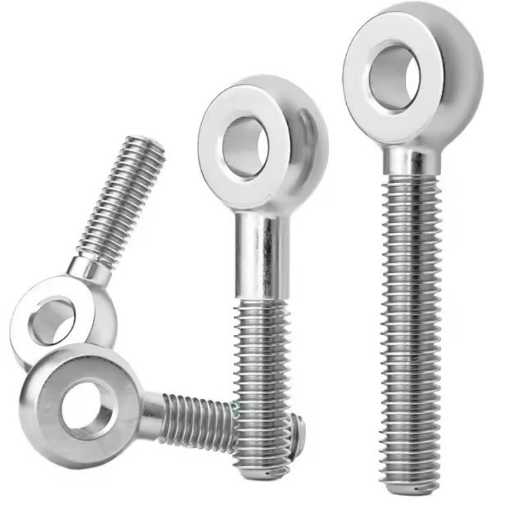
Titanium has become a game-changer in the marine and offshore industries, where durability and reliability are paramount. It can withstand seawater’s corrosive effects and withstand the intense pressures in deep-sea environments-integral in situations where exotic corrosion-resistant materials demand a high strength-to-density ratio. Let’s explore why titanium is the material of choice in the marine and offshore sectors by considering its numerous remarkable properties, benefits, and ways in which it helps to reduce maintenance costs and enhance operational effectiveness, whether you are a professional in the field or merely intrigued by groundbreaking materials. This post will give you further insight into how titanium is revolutionizing marine and offshore operations.
Titanium’s unique combination of low density and immunity to saltwater corrosion makes it the ultimate material for reducing lifecycle costs in extreme maritime environments.

Titanium is mainly known for its rare strength-to-weight ratio. This property of titanium makes it ideal in marine and offshore applications. This is because it has strength comparable to steel but, being substantially lighter in weight, 14-45% less than the steel counterpart. When it comes to naval and marine structures, strength-to-weight ratio gives an advantage.
This means that titanium has excellent corrosion resistance as well. Though they cannot be present in the very same situations—e.g., in one particular environment—a common thing between these metals is the fact that they develop naturally stable oxide layers that tend to protect against harsh seawater conditions and, in general, the harm of the entire corrosion. So, when exposed to seawater and watery substances, there is cryogenic material degradation as opposed to its more resistant stainless steel counterpart. Therefore, since no maintenance is necessary, the lifetime of marine equipment and structures is also prolonged.
Apart from exhibiting excellence in thermal stability and biocompatibility, titanium incredibly upholds its resistance to several extreme temperatures, proving its in-built merit of standing boot in different marine environments. Such extraordinary attributes couple with scrupulous durability and minimization of maintenance to make titanium a real game-changer in the marine sector.
The most significant application of titanium in the marine industry is indeed, apart from this extra high corrosion resistance in seawater, that titanium forms natural oxide on its surface to protect against the highly corrosive saltwater. This characteristic makes it an ideal metal for those applications that require long-term exposure in a marine environment, such as ship hulls, propeller shafts, and subsea pipelines.
The only strength is the ratio of the weight where titanium is capable of presenting some stunning disproportional performance. One example we can employ is its strength being equal to that of steel in spite of the fact that titanium weighs less. The feature of low weight with high strength can offer lighter and more efficient marine structures while raising durability. This becomes more crucial in high performance and fuel-efficient applications such as naval ships, high-speed boats, and others.
For some time now, titanium has been gaining momentum in marine projects with environmentally sensitive surrounding. In low-lying undersea conditions, the odourless metal material does not trigger any leaching of harmful substantial pollutants into the water body. Good for underwater structures and contrivance, such benign good-for-the-environment materials serve as a serious contender as far as seaward engineering goes. Owing to its longevity and lower maintenance requirements, titanium also ensures lower lifecycle costs and hence becomes a preferred material of preference for future seaward engineering solutions.
The use of titanium in marine hardware has its roots in the mid-20th century when the unique properties of this metal gained widespread recognition. Initially, titanium was employed in aerospace and military applications due to its extraordinary strength-to-weight ratio and high corrosion resistance. These qualities soon led engineers to consider its potential in the marine environment, where materials are constantly exposed to harsh conditions, including saltwater and extreme pressure.
During the 1960s and 1970s, it was found that titanium offered immense advantages in naval applications, specifically in submarines and other underwater structures. Titanium’s resistance to seawater corrosion and its ability to remain strong under tough underwater conditions prove to be valuable characteristics. As a result of these attributes, its employment grew in the military as well in the commercial sectors, where dependability and long-life serviceability were critical and had come to be set as a matter of course. In addition, titanium had been deployed in a key way to promote technology for offshore oil and gas platforms to extend their operations to deeper and more challenging oceanic zones.
Even today, titanium continues to stand out as an indispensable material for marine hardware, such as hulls and propellers, fasteners, and deep-sea discovery equipment. Thanks to long service life and low maintenance, titanium affordability is in the long run, making it the ecological choice for modern maritime infrastructure development. Owed to those qualities, the use of titanium has always been one of the turning points as an operational material in marine hardware.
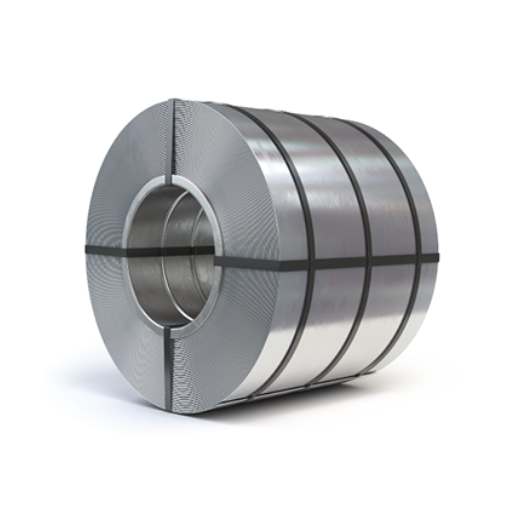
Titanium metal is available in different grades of titanium and with minor alloying elements to further enhance corrosion resistance and mechanical integrity, and some are especially selected for marine equipment.
Titanium is the odd-one-out among metals, as it has an exceptional strength-to-weight ratio, corrosion resistance and biocompatibility. Unlike steel or aluminum, it combines with light properties of high tensile strength in the same package, making its application possible in areas wherein a reduction in weight is a must without bringing to any damage to the structure integrity. This feature has a lot of advantage in fields like aerospace, medical, and marine engineering.
In very stressful conditions, salt molecules dropped in the space produce holes, and frame-side panels began to corrode and separate. In some ways, diamond cells and ultra-marine environments will allow such processes to continue; they must adhere to the configuration, maintenance, and rehabilitation activities of resilient materials, no matter how highly corrosive the substance. Also, corrosion will damage time-honored procedures through technology and the quality of materials and time frames.
Despite the general cost and weight savings allowed by the more commercial use of aluminum, it won’t provide the strength and acid resistance that titanium offers. For example, aluminum is good for applications that require economical price and sufficient understanding of it weight, meanwhile, titanium supports extreme applications. Especially in its biocompatibility, titanium has an edge over the rest, given that some of its preferred metal uses are in medical implants/devices, which are major in long-term survival and safety. Once again, unique combinations of certain patentable pros put titanium in a class of its own, out-performing other metal products in terms of performance, durability and applications.
There are several critical factors that have to be taken into account when titanium alloys are being picked for marine applications to offer peak service and sustainability under challenging environments. Among the top priorities for a particular grade of titanium alloy is the property of corrosion resistance. Owing to their particular, unequaled durability towards sea water corrosion, titanium alloys are perfect materials for marine applications. This effect is primarily due to the development of a coherent oxide layer on top of the surface that prevents the underlying material from breaking down over time.
On the other hand, the most important criterion is the strength or weight ratio. Titanium alloys find their place in marine applications mostly because of their superior combination of mechanical strength and specific weight. This means that structures or components can fulfill durability requirements without any added weight—a significant consideration because watercraft and subsea equipment have to do with an improved efficiency and functionality as a result.
Improving fatigue resistance and durability should be the first priority. In general, marine conditions imply cyclic stresses, high pressures, and temperature variations. Titanium alloys are known for offering good fatigue resistance, which renders them capable of taking repeated stresses of this environment. Additionally, with their capability to retain their structural integrity for a long period of time, maintenance requirements are improved and the reliability of these cost-effective options is enhanced; therefore, they represent sustainability for marine use.
Titanium is used in offshore structures primarily because of its great corrosion resistance and reduced weight. The durability of titanium in hostile marine conditions, including exposure to salt water and thermal shock, makes it a great choice for platforms, pipelines, and risers. As opposed to conventional materials such as steel; titanium has bare minimal requirements for protective coating or treatment that simplifies installation, reduces costs for long-term maintenance.
The strength-to-weight ratio of titanium is extremely beneficial in offshore structures since lighter yet more efficient platforms can be built without any loss in structural strength. Less weight means less stress normally distributed over the structure and hence safer structures that practically last forever. Also, the durability of titanium ensures longer service life—this reduces the need for frequent replacement and repair, as is necessary in offshore projects in remote or difficult conditions.
Apart from all these, titanium happens to be soundly environmentally sustainable for offshore applications. Lowering corrosion, therefore, minimizes the risk of material degradation or contamination for the surrounding marine environment. The exceptionally long lifespan of titanium also contributes to significantly less manufacturing and material waste. In this regard, by utilizing this metal, off shore industries can receive assurance of dependable and safe operation while conserving nature in every possible means, thereby tipping the options to steel as a routine material for modern, sustainable offshore structures.
The undeniable combination of being lightweight and strong, making these custom titanium parts ideal for marine hardware, offers the perfect resistance to corrosion. In contrast to titanium, which upholds its stunning natural ability to fend-off any type of damage amid harsh conditions like saltwater and extreme temperatures, one begins to appreciate the durability that the equipment must have while in operation offshore or underwater. Conserving the frequency of maintenance and coupled with less replacements only augurs for a cost-effective support function service over a longer period.
Titanium is the only truly sustainable material for marine applications. As a non-toxic material, it poses no risk to marine ecosystems, making an ideal green solution. The metal’s long lifecycle puts off material waste, both of which contribute to promoting sustainability in construction and operation. All of these factors together make titanium an exceptional material for marine hardware in applications demanding robust wear with high performance on the large-scale environmental score.
Custom titanium parts also provide a high degree of flexibility in design, through which hardware can be crafted specifically to meet the needs of developers. It works on the development of highly complex parts with precision to heighten overall marine-system performances. By warming in these aspects titanium with marine-hardware design, industries can balance operational efficiency, sustainability, and long performance for safe and reliable conditions in demanding marine environments.

Welding techniques used for titanium in marine hardware have to be very meticulously employed because this metal tends to be highly reactive when exposed to contaminants and also has some unique properties. Gas Tungsten Arc Welding (GTAW) or TIG welding is predominantly used for welding titanium because it allows the best control to form a competitive joint—in certain terms—for such highly stressed and corrosive applications. Shielding, in either an argon or helium environment, must always be properly maintained to prevent oxidation, and thus the integrity of such an environment without the environmental effect that many scavengers have.
It is imperative to profoundly cleanse the titanium parts before welding to clear any contamination, whether it be from grease, oil, or simply dirt. Even small amounts of contamination can weaken the weld strength or lead to defects. Ordinarily, this is done by employing alcohol or other means to pre-clean the setup, followed by making doubly sure all moisture has left the area. Keeping the workplace and machinery clean also reduces the spread of airborne pollutants that could be trapped in the weld.
Postweld treatment is another big consideration when looking at the lengths to which two critical processes within these application fields must coincide. Stress relief, like the one that stays with heat treatments, displaces stresses left over from the welding process, thereby enhancing the durability of its integrity. The said techniques have played a serviceable role in coupling the challenging expectations of titanium marine hardware strength with a struggle against the calamities of the marine environment by following high rigor concerning processing and enduring cleanliness and protective material.
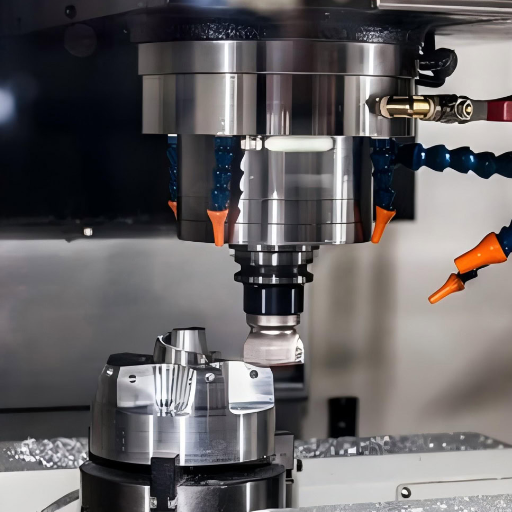
Machining and fabricating titanium parts require specialized techniques to account for the unique properties of titanium. Titanium is known for its strength-to-weight ratio, corrosion resistance, and high melting point, but these same attributes can make it challenging to work with compared to other metals. An example of such a challenge is the low thermal conductivity of titanium which may cause heat build-up during the machining process if not properly handled, thereby leading to tool wear or material damage.
To overcome these challenges, machining titanium is often effective at low cutting speeds, reasonably intense cooling, and extremely sharp and wear-resistant cutting tools. Good chip evacuation is important, as chips alone—having poor thermal conductivity—could lead to overheating of either workpiece or tool. Proper tool geometry combined with optimal machining parameters are also crucial to achieving precision while preserving the material’s structural features.
Deforming titanium, such as welding or shaping, will need specific controls. Titanium must be welded in an inert atmosphere, argon or helium, to avoid contamination and to maintain its mechanical properties. Preheating may be needed during such forming processes for increased malleability. In summary, careful planning and proper machinery selection are also prerequisites when working with titanium, thus confirming that attention to detail is such a necessity in producing the intended quality results.

Innovation in titanium alloy development is still changing applications in marine and offshore through techniques of improving strength, corrosion resistance, and cost efficiency. Some recent technological changes have made it possible to introduce to all those new titanium grades that can work very well in severe marine environments. For example, alloying titanium with elements such as aluminum and vanadium has made possible significant strength-to-weight ratios in alloys and yet they are highly resistant to SIMV corrosion.
One significant development in this area is the emerging use of beta alloys in titanium; these offer a higher proportion of flexibility and workability compared with traditional alpha and alpha-beta titanium alloys. These properties make them exceedingly attractive in fabricating intricate components such as piping systems and bolts used for offshore structures. Improved methods of manufacture, including those based on advanced additive manufacturing and thermomechanical processes, are increasingly tightly optimized to decrease production cost while also keeping innovative alloy characteristics and performance.
Research into bioinspired design and coatings based on titanium alloys has given an entirely different perspective on marine applications and their potential applications. The aim behind it is to enhance the lifespan of underwater equipment by minimizing biofouling and its wear and tear. Titanium Alloy technology is a global technological leader when combining advanced materials and earth-friendly practices with recent retirement utilities.
The production process of titanium has wider environmental impacts. However, there is an ongoing innovation for the purpose of improving sustainability. Extraction of titanium involves stripping ilmenite and rutile from the ground, which disturbs local ecologies. Also, traditional refining and smelting practices are energy-intensive and rely on substantial amounts of electricity, often derived from non-renewable sources. This results in high greenhouse gas emissions and make sustainability a crucial issue to consider in the industry.
There have been ecological issues around concerning which contemporary trends focus on increasing the efficiency of titanium production to some extent. Especially in the context of recycling technologies are progressing to such a degree that it would mean considerably less out-of-the-mine materials for titanium: high-grade titanium, in particular, is so heat-resistant. This remains true on the recycling of the metal, so that by its very nature, titanium thrives in a circular material economy. With cleaner production processes and use of alternative energy sources, carbon empowered fueling from titanium processing has already started to dwindle.
The titanium production industry could indeed turn a little greener as this initiative gains pace. Both researchers and manufacturers are taking proactive measures to set avenues open for more eco-friendly substitutes and innovations that would support the titanium industry to stay a valuable and green product. Those measures, combined with sterner regulatory acts and greater apprehension, would surely reflect a commitment to reconciling worldwide utility and environmental protection.
Titanium in marine-based sectors is making great inroads due to quality characteristics of titanium being an unmatched, wonderful resistance against corrosion, superior strength-to-weight ratio and long-lasting life. Such traits also mean that it is strongly preferred for industrial usage in such applications as shipbuilding, offshore platforms, and underwater accessories. In the future, relatively increasing attention on efficiency improvement along with endurance will probably be the major reason for the increase in demand for titanium-based project components.
A considerable trend is the increasing emphasis on titanium used in the components developed for renewable projects, such as underwater turbines and offshore wind systems. In view of the fact that titanium is highly resistant to seawater and longevity for such infrastructures is more or less ensured in the face of the harshest of conditions, this is the parsimonious and reasonable gestalt for the protracted investment in its respect. This shift is further incited by a global embrace of clean energy and sustainable practices, thereby compelling innovation in marine engineering.
Also aim of developing titanium processing technology has to lessen production cost thus rendering the material affordable to a greater audience within the marine domain. These collabocational efforts between research and industry generate the needed synergy, gearing the development of alloys and manufacturing processes best suited for marine engineering. Overall, this re-creates the dynamic of resource availability here but also pushes the material onto a higher platform serving to enable and construct the ocean operations of the future.
Q: What are the qualities that make Marine and Offshore Titanium Parts the most preferred material for marine and offshore applications?
A: In many offshore and marine applications, titanium is considered an essential material because it proves to deliver remarkable performance in the natural marine environment. Being resistant to corrosion in saltwaters and in crevices, titanium is far more corrosion-resistant than common stainless steels, even copper, allowing it to extend service life due to corrosion resistance in a minimum maintenance environment. Its high strength to weight ratio and small density make it a material choice for increasing lightness to components onboard a ship and offshore drilling platforms while rendering them tough and strong.
Q: How does titanium hardware stack up to nickel alloy and steel in offshore use?
A: Compared to nickel alloys and traditional steels, marine and offshore titanium parts usually do better in heavy humidity conditions on account of the superior corrosion resistance of the titanium element provided by the supplier. So, while nickel alloying materials have good resistance to corrosion, titanium can provide the same, if not better corrosion resistance with less weight, which will help the engineers tackle weight designs and correspondingly address life cycle costs with the possibility of high initial investment.
Q: Metals originating from titanium are most frequently seen in what type of marine hardware?
A: The handiest kind of marine hardware parts are those of titanium metals. These include fittings, piping, fasteners, brackets for ship components, and offshore articles for the oil industry manufacturing. Manufacturers provide titanium products and titanium components best fit for a whole bunch of applications like deck fixtures, valves, and connectors requiring corrosion resistance and toughness.
Q: Is titanium immune to saltwater corrosion or crevice corrosion under practical conditions?
A: Even though it is not absolutely immune, titanium holds up quite well against saltwater corrosion and should be far less sensitive to crevice corrosion than several other metals. Titanium performs admirably without frequent attention in the natural aqueous environment, making it highly favored for long-term offshore installations requiring lengthy free-maintenance intervals.
Q: Can you get customized Marine and Offshore Titanium Parts, and how do you make them?
A: Marine and Offshore Titanium Parts can also be produced by traditional machining in a machine shop, small intricate parts made by metal injection molding, specialized fabrication techniques for pipework and big fittings. Many suppliers now concentrate on listing customized titanium components among their product lineups and can fine-tune designs to meet the ASTM standards and specific offshore requirements.
Q: How does the upfront investment in titanium compare to lifecycle benefits for offshore applications?
A: The initial investment in titanium components is usually higher than steel or some nickel alloys; however, due to titanium’s corrosion resistance, the reduced maintenance and increased service life, the total lifecycle costs are lower. For offshore drilling platforms and ship components, where downtime and replacement is expensive, titanium can add a lot of value in the long run.
Q: Can titanium fittings and pipe work be used instead of steel and copper for a marine system?
A: Yes, it is a popular choice to use titanium fittings and pipe work in place of steel and copper when good corrosion resistance and sea water compatibility is required. One must take care of galvanic compatibility with other metals and might need insulating fittings or careful material selection, but titanium generally performs well as an alternative across many systems.
Q: What criteria do engineers use to specify titanium parts for marine and offshore applications?
A: ASTM material standards for the specific type of alloy or titanium should be well within the materials that are considered for such applications, supported in turn by proof of high corrosion resistance properties, those of toughness and high strength-to-weight ratio, and that traceability must be available on all products by the manufacturer.
Commonly Used Marine Materials
This document discusses the properties of materials, including titanium, used in marine applications, highlighting its immunity and structural uses.
Read more here
Enhancing the Use of Titanium for Marine Applications
Covers the use of titanium in Navy and marine systems, such as piping, fittings, and desalination units.
Read more here
Marine Minerals: Offshore Titanium Production
Explores offshore titanium production and its applications in marine environments.
Read more here