

Supportive, Professional, Client-Focused Service
From prototypes to full-scale production, we’ve got you covered.


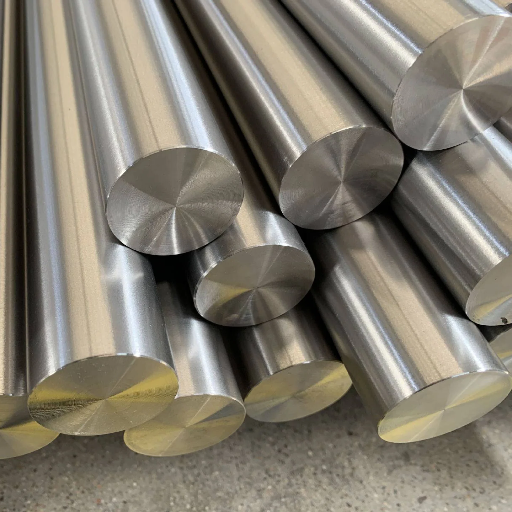
Duplex stainless steel has definitely taken the crown in the arena of strength, durability, and corrosion resistance. What is more, such a question arises: what the factors are that make it so phenomenal and how one can tell if it is the right choice for the particular application? The current paper discusses the main advantages of duplex stainless steel, and also the conditions under which its exceptional characteristics become noticeable, as at the same time giving the reason why it is increasingly becoming the material of choice for the most diverse types of projects. If your design is for very harsh environments, if you are looking for cost saving or if you want to balance performance with sustainability, knowing when and why to use duplex stainless steel could be the turning point for your next project’s success. Keep on reading to discover all the aspects of this innovative alloy.

Duplex stainless steel is one of the most reliable materials in the long run for its outstanding strength and resistance to corrosion. The alloy is made of austenitic and ferritic stainless steels, that is why its features are like those of both types of steel: very strong, and at the same time, easy to weld and form. The metal is found in oil and gas exploration, chemical processing and construction as it possesses the qualities necessary for extreme environments with high temperatures and aggressive chemical attacks. Additionally, its being cost-effective and eco-friendly owing to its long life span, further enhances its use in the most demanding applications where it is applied.
Duplex stainless steel is regarded for its unique dual-phase microstructure that is composed of almost equal amounts of austenite and ferrite. This mixture not only imparts excellent mechanical properties but also grants duplex stainless steels the highest hydraulic resistance among all conventional types, which means their better resistance than austenitic or ferritic. Moreover, the impregnable microstructure is responsible for preventing stress corrosion cracking to a significant extent and so it would be reasonable to categorize the substance as an outstanding one for terribly and chemically aggressive environments.
Recent data reveal that duplex stainless steel has been a material that offers both performance and cost savings. Its higher strength generally enables thinner sections, leading to less overall weight and less material usage in construction or industrial applications. Moreover, the material’s long lifespan and low maintenance needs have resulted in the decrease of operational costs which, in turn, makes such industries as marine infrastructure, chemical processing, and desalination plants more attractive. These traits not only prove the material’s gradual acceptance but also its long-term presence in contemporary engineering and industrial areas.
Duplex stainless steels are a group of materials that are very much desired due to their unusual properties such as high strength and high corrosion resistance. Their micro structure with two phases which consists of nearly equal amounts of austenite and ferrite, not only improves the mechanical properties but also offers the best protection against pitting, crevice corrosion, and stress corrosion cracking. The properties mentioned above make these materials highly suitable for extremely harsh environments characterized by high chloride concentrations or high-pressure conditions.
The primary advantages of duplex stainless steels over austenitic stainless steels are their significantly higher tensile and yield strength which not only implies that less material can be used but also saves on cost in structural applications. Moreover, it offers excellent weldability and able to take rough conditions thus is applicable in a diverse range of industries such as oil & gas, chemical processing, and maritime infrastructure. Additionally, there is a decrease in the cost of manufacture of these grades because less nickel and molybdenum are used compared to others stainless steels which result in a less ecological footprint but not performance-wise drawback.
Duplex 2205 is commonly compared with grades such as 304, 316, 904L, Super Duplex (e.g., 2507), and Carbon Steel.
This table highlights key parameters to better understand the advantages and trade-offs between Duplex 2205 and other grades.
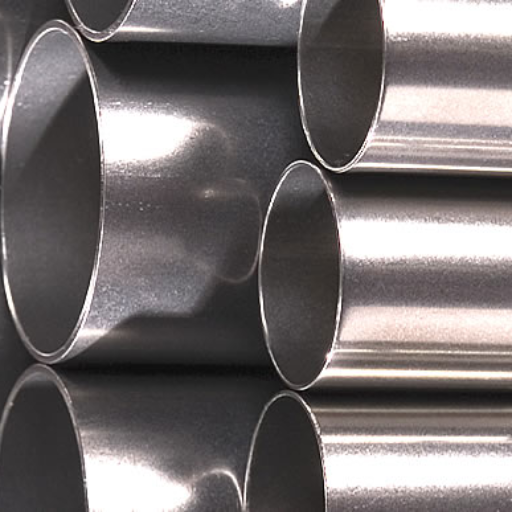
Duplex stainless steel has been recognized for its great strength characteristics in particular. The dual-phase microstructure, which consists of both austenite and ferrite, contributed significantly to the yield strength of duplex stainless steel as compared to austenitic and ferritic stainless steels in general. This high strength allows using thinner materials in the structure thereby decreasing the total weight of the material used with no such thing as performance degradation. Besides, the great mechanical properties also provide good protection against stress corrosion cracking thereby making duplex stainless steel very trustworthy in the extreme conditions of marine, chemical, and oil and gas industries, for example.
Duplex stainless steel is so to speak the best metal in the world for its characteristics and it is its corrosion resistance that makes it the metal of the industry in many cases. The favored supplier of long-lasting and maintenance-free products is its dual-phase microstructure, which unites the merits of austenitic and ferritic stainless steels, wholly defeating both uniform corrosion and forms of localized corrosion, such as pitting and crevice corrosion.
New researches and breakthroughs have pointed out that duplex stainless steel excels in the highly chlorinated environments, for example, seawater and brine. The extremely high levels of chromium, molybdenum, and nitrogen content in the alloy make it highly resistant to the most aggressive chemical exposure thereby greatly minimizing the risk of metal getting dissolved. Moreover, duplex stainless steel is very effective in an acidic environment that might involve usage of sulfuric and hydrochloric acids, thus its application is guaranteed even in chemical processing and sewage treatment industries.
Duplex stainless steel owes its character to the remarkable corrosion resistance combined with the durability, and thus being extolled as a cost-effective and reliable material for numerous industrial applications.
Duplex stainless steel’s mechanical properties, like tensile strength, ductility, and toughness, are directly dependant on its chemical composition. The substitution of a small amount of nickel for chromium results in a material with a much higher corrosion resistance, while nickel along with molybdenum provide good overall strength and stability. Furthermore, nitrogen is a crucial element in the formation of high tensile strength and resistance to pitting corrosion. The even mixture of austenite and ferrite phases produced by the precise blending of these elements gives duplex stainless steel remarkably high durability and resistance to stress corrosion cracking. The material is thus highly suitable for the toughest industrial applications as it not only possesses the unique composition that requires both mechanical strength and longevity.
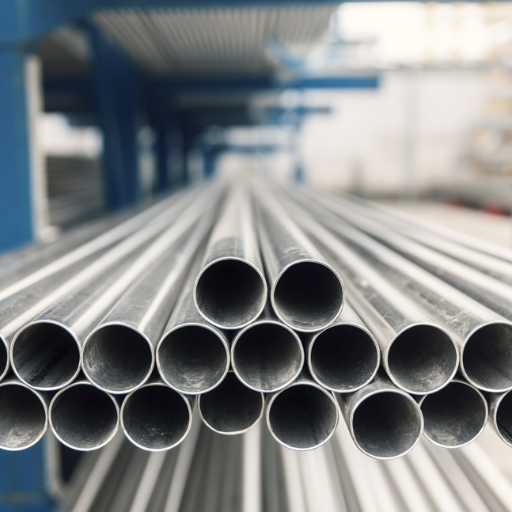
Duplex stainless steels belong in the oil and gas industry among the materials with the best mechanical strength and corrosion resistance combination. Their corrosion resistance has made them indispensable in the very difficult settings of chloride-rich solutions, sour gas, and high pressures, often leading to their widespread applications in the subsea pipelines, offshore platforms, and tanks that need to stay durable under extreme marine conditions. Their ability to resist stress corrosion cracking has the effect of prolonging the life of the infrastructure that is critical, thus cutting down the need for high maintenance and downtimes.
In addition, the excellent weldability of duplex stainless steels is responsible for the easier and faster fabrication and installation of the components that are used in the complex offshore structures. The exploration of deeper oil fields is a trend that is leading to the continuous requirement of materials capable of withstanding the effects of harsher environments. Duplex stainless steels have been giving the reliability needed to meet the changing demands and thus are considered a vital resource for the oil and gas industry.
Duplex stainless steels, which exhibit an extraordinary combination of strength, corrosion resistance, and cost-effectiveness, have been adopted in many different commercial sectors. The oil and gas industry, chemical processing, pulp and paper production, and desalination plants among others are the main beneficiaries of these materials.
Duplex stainless steels not only provide superior durability but also lower maintenance costs, thus, they are the backbone of long-term reliability and improved operational efficiency for many commercial sectors.
These trends demonstrate the adaptability of duplex stainless steel to the changes in the industry’s demands.

The selection of raw materials for duplex stainless steel is a process that considers their ability to obtain the desired alloy of resistance to corrosion, strength, and ductility. The principal constituents of the alloy are chromium, nickel, molybdenum, and nitrogen. Of these, chromium is the main one that gives the alloy resistance to corrosion, and nickel is the one that enhances the toughness as well as the ability to be shaped easily. Molybdenum, among other things, makes the steel less vulnerable to corrosion in cuts and edges, and nitrogen adds strength to the steel that allows it to stretch and bend at the same time. It is not only the softening of the steel that occurs but also the excellent properties that are achieved by using high-grade raw materials with low impurity levels, which will ensure the steel’s reliability in harsh conditions.
The production of duplex stainless steel that has equal amounts of austenite and ferrite is a very complicated and demanding task that requires not only the use of special techniques but also careful handling. The alloy is to be welded correctly if the balance between the two phases is to be kept and the best properties to be obtained. TIG (Tungsten Inert Gas) or MIG (Metal Inert Gas) are the usual welding methods and they quite often require the use of filler materials that correspond or are superior in composition to the alloy. Excessive heat input during welding should be avoided so that undesirable phases like the sigma phase are not created which would eventually lower the corrosion resistance and the mechanical strength.
Along with that, the performance of duplex stainless steel is largely dependent on the heat treatment given during welding and after. The most widely used treatment is solution annealing, in which the steel is heated to a temperature of approximately 1,020–1,100°C (1,870–2,010°F) and then rapidly cooled, usually by water quenching. The unwanted intermetallic phases are dissolved, the microstructure becomes more homogeneous, and the material’s corrosion resistance and mechanical properties are regained during this process. It is critical to prevent the material from staying in the range of 600–950°C (1,110–1,740°F) for too long, as this will cause either the phase to be unbalanced or the formation of deleterious compounds.
Meeting the strict standards of fabrication and heat treatment enables duplex stainless steel to display its full potential for use in highly corrosive and demanding environments, such as chemical processing, oil and gas industries, and seawater systems.
Duplex stainless steel boasts a microstructure made up of a well-balanced combination of austenite and ferrite phases at a typical ratio of 50/50. This two-phase arrangement gives rise to the material’s exceptional properties, such as high strength, great resistance to corrosion, and higher toughness. Microscopical examination is an indispensable component of the quality assurance process and the demonstration of the material’s performance capabilities. It opens up the possibility of engineers detecting an issue with somewhat shifted phases or unwanted precipitates, for example, that might diminish the steel’s trustworthiness in extreme or challenging environments. The ongoing monitoring of the microstructure is a factor that helps to extract the best characteristics of the material and also to extend its life in critical situations.
The longevity and excellent functioning of duplex stainless steel are conditioned by the application of certain measures. First off, the regular cleaning process is necessary without any doubt to disinfect the chloride-based impurities that have the potential to cause localized corrosion. Use non-abrasive cleaning substances and avoid using powerful chemicals that may destroy the oxide layer that acts as the steel’s shield.
The second argument is that it would be better to make periodic checks so that any surface defects, wear, or early stage corrosion will be detected. The welds and areas that are most vulnerable to adverse environmental conditions require the closest inspection. Besides, periodic passivation of the protective chromium oxide layer can be carried out to regenerate and strengthen corrosion resistance.
In addition, temperature management is important when using duplex stainless steel in a high-temperature area. Prolonged heating can modify the microstructure of the material, thereby causing a reduction in toughness as well as a decrease in corrosion resistance.
In the end, it is important that all the repair and modification works on duplex stainless steel are done by skilled workers only and using the right techniques, for instance, using the right welding methods, to keep its properties intact. By following these measures, you will be able to use duplex stainless steel in different applications to its full lifespan and performance.
Duplex Stainless Steels – An Overview – A comprehensive overview of duplex stainless steels, including their development and optimization.
Duplex Stainless Steels—Alloys for the 21st Century – A paper discussing the widespread use of duplex stainless steels in various industries and their advantages.
Super Duplex Stainless Steels – A study focusing on the mechanical and corrosion-resistant properties of super duplex stainless steels.
Duplex Stainless Steels – A detailed book covering the mechanical behavior and applications of duplex stainless steels.
Duplex stainless alloy is a mixture of ferritic and austenitic stainless steels with the equal ratio of the two phases present in the microstructure. The new material has improved resistance to corrosion and elevated strength because of its structure; it is cheaper than many austenitic grades because of the lower nickel content. The situation is opposite for the conventional austenitic stainless steels like 304 and 316 that besides having higher strength, have also better resistance to corrosion in general and especially against chloride stress corrosion and chloride pitting.
The principal grades. Duplex stainless steel are lean duplex, standard duplex (for instance, 2205 stainless), and super duplex, with their respective predominacy. Steels like 2205 provide a combination of extremely high corrosion resistance and also higher strength compared to common austenitic grades; besides possessing high pitting corrosion resistance, 2205 stainless steel is the choice of applications in a wide range of duplex due to its resistance to chloride pitting and stress corrosion as well as chloride.
The outstanding property of duplex that facilitates the corrosion resistance is its unique microstructure comprising both ferritic and austenitic phases, which allows for the reduction of localized corrosion and the advertising of high pitting resistance equivalent number (PREN) among the many duplex grades. Furthermore, the high strength and excellent resistance to corrosion are attributed to the maintenance of a precise composition of chromium, molybdenum, nitrogen, and low nickel, which in the chloride environment, assist in the prevention of pitting and intergranular corrosion.
The broad range of properties of duplex stainless steels, including their great resistance to corrosion, high tensile strength, and capability to endure extreme environments, render them suitable for the oil and gas industry and the offshore production areas where nearness to chloride pitting, chloride stress corrosion, and souring service might be problematic. Besides, the application of such materials with higher strength will allow the use of lighter and thinner sections in piping, risers, and subsea equipment; however, the utilization of duplex stainless steel grades with very high PREN will also contribute to preventing the parts exposed to seawater and brine from experiencing pitting and crevice corrosion due to being in contact with the corrosive environment.
The fusion of the two microstructures grants duplex steels high-strength characteristics: the austenitic phases yield toughness and ductility on par with austenitic grades, while the ferritic phases confer upon the steel its higher strength and cracking resistance in corrosive environments. The interaction of these two microstructures has resulted in duplex stainless steels’ strengths that are, in most instances, greater than those of typical austenitic stainless steels, such as 304 and 316 stainless, thereby allowing savings in design in terms of both weight and cost.
Duplex stainless steel is a novel material that offers great strength, excellent resistance to corrosion, and low cost at the same time, which together make it a perfect selection for the most difficult industrial applications in various sectors.