

Supportive, Professional, Client-Focused Service
From prototypes to full-scale production, we’ve got you covered.


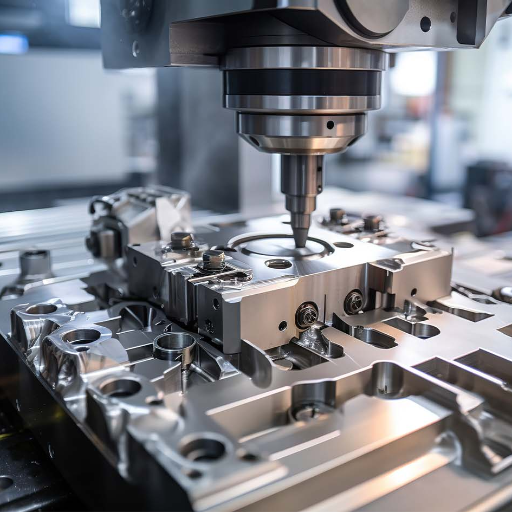
The key to making informed decisions for your projects is the knowledge of what factors affect the cost of CNC machining. It is not easy sometimes to go through the pricing landscape whether you are a product designer, engineer, or manufacturer. Why is one machining quote so much higher than another? There is a lot going on from material selection to design complexity and production volume. This blog post will establish the basic factors that impact the costs of CNC machining, thereby providing you with the needed insights for your optimizing designs, controlling budget, and getting high-quality results. So, stay with us as we unveil the cost structure and look into how to maximize the value of CNC machining.
CNC machining costs are determined by a few key factors that affect the total price. Here are the points that you should be aware of:
Cost is heavily impacted by the kind of material used. Machining of aluminum, which is a common material, is usually cheaper than the more difficult and specialized materials like titanium or stainless steel.
The reason for the high cost is that very intricate designs with very small tolerances take more time and require more setups for the milling process.
A large order will usually have a lower price per unit due to economies of scale but a small batch may be more expensive to produce per piece.
The increase of labor and running costs is directly related to the longer machining times. Simple shapes are often less time-consuming to machine and therefore cheaper.
The entire process cost may become higher due to the later operations like polishing, coating, or heat treatment. In case the client wants to save on the different final operations, it will be simpler to manage the expenses.
Key Takeaway: By understanding these factors, you will be in a position to evaluate the price and quality and consequently get the best value from CNC machining services.
CNC (Computer Numerical Control) machining, a manufacturing process, resorts to the computer software controlling the movements of the tools and machines to which it has been pre-programmed. It means that the manufacturing part and the production of complex items are done precisely by the computerized machines which can cut, drill, mill, turn, and even do other officials’ manual works, through their automation. CNC is capable of processing a wide range of materials, such as metals, plastics, wood, and composites, and hence, the machine is quite versatile.
The female-moulding machine of the CAD (Computer-Aided Design) part starts off with the model of the required piece, which is later on transformed into a CNC program through CAM (Computer-Aided Manufacturing) software. This program is very precise; it directs the machine’s work with great accuracy thus minimizing the chance of a mistake being made by a human operator and at the same time, making the output very consistent.
The process of CNC machining is not limited to one or two industries but is rather very prevalent in the aerospace, automotive, and electronics sectors as well because it can offer the advantages of producing high-quality, intricate designs in the shortest time possible and also at a low cost. The deployment of advanced technologies, such as AI and IoT, not only keeps the performance of the CNC machines at a high level but also provides them greater scope, thus making them an indispensable tool of the modern-day advanced manufacturing environment.
Cost analysis in CNC machining is a major factor that has a direct impact on the profitability and the competitiveness in the manufacturing process. It consists of an evaluation of expenses of materials, tooling, machine operation, labor, and maintenance. Cost analysis helps manufacturers to spot the opportunities for optimization, like for example, cutting down the material waste or enhancing the machining process.
The most recent data points out that investing in advanced software and automation technologies can lead to optimizing CNC processes which, in turn, will drastically reduce the cost. For instance, machine learning powered tools can accurately replicate machining operation, and by doing so, they will give the insights about the best ways to reduce the time and the wear of the tool.
Moreover, cost analysis facilitates the manufacturers in assessing their project as well as deciding on the pricing and projecting the ROI. Companies that have a good grasp of production costs can base their decisions on data, which can lead to increased productivity and ultimately more profits even in a highly changing market. Thus, cost analysis is successful CNC machining’s very heart.
The price of CNC machines is mostly defined by their kind, big and little dimensions as well as their capabilities. The most basic CNC routers for hobbyists cost at least 2,000-5,000 dollars and the price goes up to 100,000 dollars for mid-range models that are acceptable for small and medium-sized firms. The most advanced machine tools just for industry are already priced around 150,000 and may go even beyond 500,000 dollars for instance to as much as 1,000,000.
Apart from this, the capabilities of a machine such as cutting of different types of materials like wood, metal or plastic, number of axes (like 3 axis, 5 axis) and even the presence of advanced features like automated tool changers or CAD/CAM software also play an important role in deciding the price of the machines. Also, maintenance, software updates, and operator training are among the recurring costs that should be taken into account by the customers. Ultimately, choosing a CNC machine is a matter of balancing the initial cost with the potential long-term benefits and making sure that the machine not only fits the production type it is meant for but also the budget constraints.

The material being machined is one of the significant factors that influence the costs. In general, harder materials like titanium or stainless steel are more expensive due to their high wear of the cutter and prolonged machining hours.
An intricate design, which may consist of complex geometries or very tight tolerances, is expected to extend the machining process, and the usage of special tools might also be required, thus making the whole operation more expensive.
Large production runs are mostly subject to economies of scale while the opposite is true for small quantities as they tend to attract higher costs per unit due to the involvement of setup and programming time.
The waiting for the surface to be finished to the required quality or post-processing treatments such as polishing, anodizing, or coating are all examples of factors that add up to the extra expenses in the machining process.
The time taken by a CNC machine to perform its operation and the proficiency of the operator greatly determine the overall cost, with longer machining times or very skilled labor being among the factors that increase expenses.
The selection of materials has an important role in the cost of CNC machining determinants, with the price of the raw material, machinability, and perhaps the amount of waste produced during processing all playing key roles. The tougher and more expensive metals like Titanium or high-performance Alloys not only cost more but also take a longer time for cutting due to their hardness, which means more time to wear the tool and labor cost are included in the overall cost. In contrast, aluminium and some plastics are cheaper and easier to get milled so that labor and machine time costs are reduced. Conversely, should a less-usable material be chosen, such material will require extra treatment and material-moving operations that might be more costly in terms of material handling: thus, only a real insight into the trade-offs between material performance and cost could actually provide the correct mix for satisfying the new product performance and market requirements.
The time and efficiency of the machine are the most important aspects that affect the cost of CNC machining. Machine time is the total time taken for the machining operation to be completed, while the efficiency denotes the performance of the CNC machine without any unnecessary downtime or errors. Cutting machine time is a direct way of reducing production costs as it leads to a decrease in energy consumption and labor involvement. Cutting speed, tool choice, material properties, and sophisticated programming techniques are some of the factors that have a significant influence on both machine time and efficiency. For example, the use of optimized tool paths or high-performance cutting tools can lead to a reduction in the number of machining cycles, thus increasing overall productivity.
The same applies to the investment in new CNC machines that are fitted with the latest automation and precision technology, as this will also increase efficiency. These types of machines will be able to perform the same actions more quickly and will also need less human intervention. In addition to that, regular maintenance and calibration are also very important in eliminating delays that could be caused by poor equipment performance or inconsistencies. In the end, it is essential to recognize and enhance these factors for the purpose of keeping costs under control and at the same time getting good quality output from CNC machining.
In CNC machining, labor costs are determined by a few main factors, such as the difficulty of the machining process, the level of expertise needed, and the duration necessary for the execution of a job. Besides, a highly skilled machinist and programmer are needed for the setup, monitoring, and troubleshooting of the CNC machines, which are areas where labor costs can be quite high. On the other hand, well-structured workflows and automatic systems can eliminate manual labor and hence, labor costs can be reduced eventually. Hence, training programs for employees and automation are good methods to keep labor costs in check while still being able to deliver the same level of productivity and quality output.
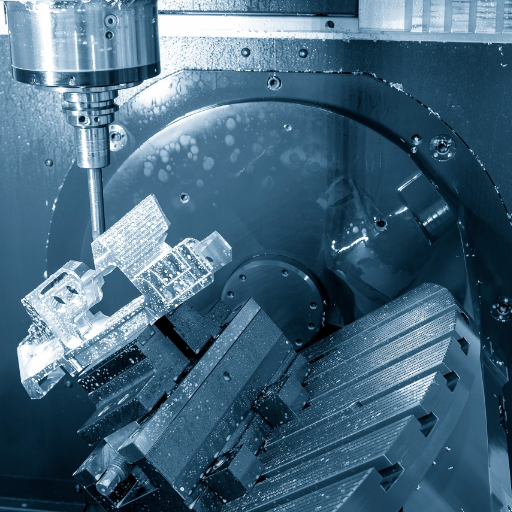
Material costs are inversely correlated with the type and grading of materials required for the project. Metals like aluminum, steel, and titanium, along with their grades, are the most common materials used, not to mention plastics. The pricing of the material is determined by its availability, quality, and the amount needed.
A CNC machine’s job time greatly determines the overall cost. Factors that impact machine time include part complexity, machining speed, and tool changes. High costs are usually associated with long machining times.
Automation does lessen the number of workers needed, but skilled trades people and programmers still remain crucial to the setup, receive programming, and perform maintenance activities. The wages that should be paid to the labor force depend upon skill levels, quantity of training, and local wage structure.
One of the factors that add to the cost of the CNC machining process is the tool wear and the maintenance of the machine. The use of high-quality tools and regular maintenance might be more expensive, but they certainly will improve efficiency.
The costs incurred in electricity, facility rent, and software licensing are all categorized as overhead. Reducing the consumption of energy in an efficient manner and their optimization of workflows can lead to lower overhead costs.
Bottom Line: Understanding and optimizing these components will allow businesses to effectively manage CNC machining expenses.
Tooling expenses are synonymous with the costs incurred for tools used in a CNC machining operations, for example, cutting tools, drills, and end mills. Tooling cost will greatly depend on the material, quality, and sophistication of the tools for the job. What’s more, high-end tools will usually outlast their cheaper counterparts and also perform very well, hence the need for replacements and downtime will be less. Still, they are also priced higher at the start. To fight off tooling expenses, a business can put its emphasis on proper tool selection, maintenance, and the optimization of cutting parameters to prolong the life of the tool. It is the balancing act between quality and cost that will finally determine the effectiveness of managing tooling costs.
Design complexity has the potential to bring considerable costs to the CNC machining endeavor. Masochistically highly detailed designs would always further up machining time as well as advanced machinery and careful programming seriously-increasing the cost. Furthermore, when working with very tight tolerances, very fine details, or very intricate geometries, typically, automatic CNC techniques will no longer suffice; the available tool dimensions will not adequately provide, for instance; and thus, cutting time will increase. Automatically, the whole process gets slower because this requires many more operations to be done, custom-making of tools, or even setup of another machine. Undercuts or deep cavities, among other features, make for necessary tools for special strategies suitable for much time longer machining.
Here, the material seems to be the other factor in consideration. The milling of hard materials like titanium or hard steels, which are used for machining complex designs, may result in unsatisfactory wearing off of the tools. The only effect of such wear would be an increase in the time taken for machining due to frequent changes of tools, in addition to an increase in labor and the cost of tooling. To cut down on expenses, the designers may seek to simplify themselves which, in this case, would merely require taking a mathematical approach toward rethinking the design and eliminating complex features when possible. Standard machining techniques can also be used whenever feasible. Such material should be less exorbitant in cost as regards machining, perform well at issue and, maybe also, demonstrate those other advantages that are not as advantageous in other materials. On the other side, cooperation is of the essence between companies and their design partners for a system that can allow interaction not just for realizing function-related conditions but also by controlling attached costs.
One of the most important factors in تحديد تكاليف CNC machining is production volume, as it has a direct effect on the distribution of overhead, setup times, and the application of economies of scale. For small production runs, the initial setup costs, programming, and tooling expenses are shared among fewer parts, thus leading to a higher cost per unit. On the other hand, with the increase of production volumes, the fixed costs are spread over a larger number of units, which in turn, lowers the cost per part.
Moreover, high-volume production is frequently an avenue for manufacturers to optimize processes, and implement automated systems, thereby reducing labor costs and resulting in lower costs. Companies producing more also get the chance to enjoy lower prices for raw materials due to buying in bulk, and make better use of tools. It is essential to meticulously evaluate production requirements and liaise with CNC machining suppliers to find out the right mix of volume and cost efficiency for a project.

Of all processes, finish operations form some of the more costly operations during CNC machining projects. Such processes include sanding, polishing, painting, anodizing, or coating (for the purposes of visual improvement, longer wear, or functionality). Finishing materials for any part could depend on the material as well as the power and usage of that part. For each process of application of finish, an additional cost has to be considered, whether in terms of labor, materials, and sometimes even specific equipment resulting in extra costs above general part price. Therefore, a rational approach to this would be the step of sorting down between needs for such finishes and only picking those that might be required because they will contribute to the needs of aesthetics of the project. The relationship formed by working with CNC machine services can give you an excellent idea regarding finishes that are both inexpensive and moderately great.
CNC pricing is highly influenced by geographical factors, which influence labor costs, material, and operational expenses. It is a given that it would cost more to manufacture in areas where wages are high or regulations on employment and practices are significantly tight. This, in turn, contributes to a general hike in the total price of the product. Market variability is another factor contributing to price fluctuations, as any change in the supply chain or materials’ cost will significantly have an effect. Therefore, firms are able to make better budgets if they understand the different sets of prices and conditions in various regions and select the proper mix between quality and cost in the suppliers they decide to work with.
The newest machines come with high-tech equipment and reliable manufacturing but are expensive to acquire, while older machines, although cheaper to buy, need a great deal of maintenance due to wear-and-tear and do not perform at levels required in many cases.
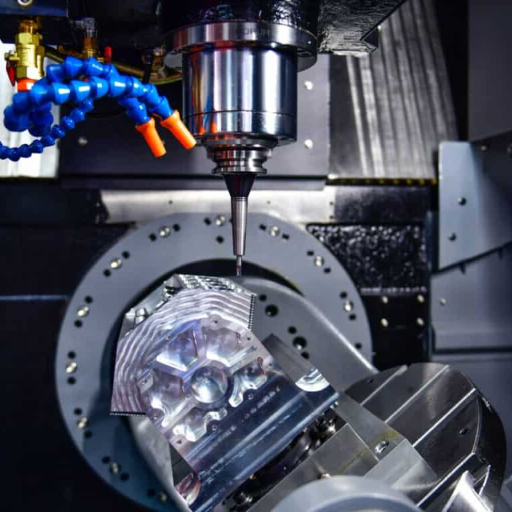
To minimize the initial outlay, you can buy not only a reliable but also a used CNC machine that would guarantee the same efficiency as new ones.
As long as right materials are employed and a cutting method leading to the highest yield is opted, the wastage of the material will be drastically minimized.
Scheduled service keeps machinery from downtime, from getting tech-fixes stuck in business processes, and decreasing repair and crash costs.
The implementation of efficient CNC programming techniques would result in less machining time, that is, the material used would also be lesser.
The outsourcing of tasks appears to be the cheaper alternative as against carrying out tasks in-house, where the set up is minor and very purpose-specific.
One should try and use these machines during the energy off-peak at a time when utility bills are at their lowest.
A result of this action would be a substantial improvement in overall cost efficiency in operations without affecting output in terms of quality and productivity.
In order to bring down CNC machining costs effectively, one has to direct the attention to the primary factors like material selection, design reduction, and making plans in a more sophisticated manner. It is a recommended practice, based on the prevailing search trends and expert advises, to take up the cost-effective but strong materials which can drastically reduce the expenses. If, for example, aluminum or mild steel is selected instead of exotic alloys, the project requirements can often be met at a lesser price. Moreover, the process of part geometry reduction is also a way of machining complexity reduction, thus directly leading to less cutting time and lower labor costs.
Using another way of thinking, the application of modern simulation software to methodically develop CNC programs prior to production is another way of decreasing errors and, consequently, material waste. Recent trends have pointed out that the shift to high-efficiency tooling and fast speeds can also ensure that the machine is running at its maximum potential while the operation costs are kept at the minimum. The combination of these techniques does not only lead to lower costs but also guarantees a top-notch production process that is in step with the industry requirements.
If one wanted to maximize the output of CNC machines, the main focus should be on maintenance, making sure tools are well spent, and appropriate planning resources, one of these being solid machinery. Maintenance will let the machinery operate at its premium level and would-avoiding costly breakdowns, help save money to be allotted to more tools or more machinery. The selection of tools and the path they run can have a considerable impact on the accuracy and efficiency of production. Otherwise, training operators to use computer-aided design (CAD) and control software to their best possibility will lead to smoother-running, less error-prone production. According to manufacturers, if they adopt these practices, they would be able to produce more and at lesser costs.
Cost-cutting strategies in CNC machining can involve the use of advanced technologies by manufacturers that will enhance their efficiency and productivity. The application of automation tools like robotic arms or automatic tool changers will not only cut down manual labor but will also lead to less spending on labor. The use of sophisticated simulation software makes it possible to accurately plan tool paths and minimizes material waste by refining designs prior to the actual machining process. Furthermore, the use of Internet of Things (IoT) devices allows for the continuous monitoring of machine performance, thus avoiding the occurrence of unproductive downtime and expensive repairs. The application of these technologies will result in a significant reduction of operational costs for manufacturers without compromising the quality and productivity standards.
Design and Analysis of a Small-Scale Cost-Effective CNC Milling Machine
A Data-Driven Work Center Assignment and Pricing Strategy for a Job Shop
Calculation and Analysis of Workcenter Cost Using Activity-Based Costing in Manufacturing Industry
The Impact of Process Substitution on Manufacturing Costs
The price for CNC machining can vary considerably and is dependent on several factors: material and machining, time spent machining and wear of the tool, labor cost, quantity of parts produced, and the particular machine utilized. The cost talk generally starts from the cost of raw materials plus the machining time multiplied by an hourly rate (which covers the CNC machine’s operating costs, labor, and overhead). Among other contributors are set up time, tooling, surface finishes, and secondary operations like deburring or coating, all of which affect machining costs and the overall costs of the project made with CNC.
Cost Components of CNC Machining Processes in the included in the computation of costs that mainly consist of: material cost, machining time (including setup), tooling wear, labor, trimming missiles, and overhead. (Most conventional job shops will enter these numbers into some cost calculator or quoting software available to them. The cost per part of any machined part depends heavily upon quantity, part geometry, fitting of CNC tools, etc, and also on the needs for finishing, such as anodizing or plating.
The price of a CNC machine is diversified: inexpensive hobby machines for desktop can range from a few hundred to several thousand dollars, while mid-range machines for production come at tens of thousands usually, and with high-end multi-axis industrial ones, the figure can even go into hundreds of thousands. While looking into the CNC machine, consider all the expenses that come with it — tooling, fixturing, training, maintenance, software, and so on. Making a decision about buying a CNC machine entails looking at the expected volume of production to calculate its cost per piece to compare with that of outsourcing to a CNC machining service.
The standard cost categories consist of the following: material with the percentage range of 30-50% depending on component type, machining time and tool 20-40%, and labor and setup 10-20%, finishing and secondary operations 5-15%, overhead and profit. The parameters of percentages can change according to quantity of parts produced, the type of machine and specialized tooling or close tolerances being required. A cost breakdown can assist in determining the total cost and spotting the areas where one can cut down on machining or switch to a cheaper materials for that reason.
Material and machining choices have a direct influence on the time of machining, wear of the tool, and milling cost. A tough material will heighten the tool usage and lengthen the machining process, whereas a less difficult material may go through the machining process faster but cost more as the raw material cost will be relatively higher. Choosing between milling, lathe, multi-axis, or laser cutting for some operation will lead to a significant price variation for the operations. Finding out how much every part of CNC operations will require, namely the most efficient machine and process to match with the part design with the shortest overall machining cost.