

Supportive, Professional, Client-Focused Service
From prototypes to full-scale production, we’ve got you covered.


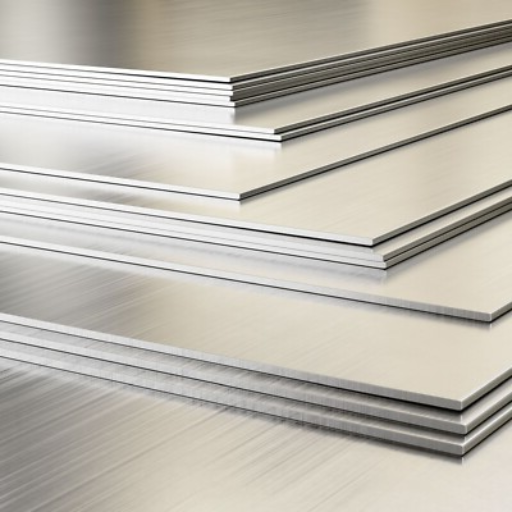
Aluminum 5052 is the alloy which possesses all the features that a user’s material can demand in the industry. Its amazing resistance to corrosion, its strong point, and, above all, its versatility are some of the attributes that earned it the title of “the alloy of the forever” in the industry. To be honest, each one of the aerospace, marine, automotive, and construction sectors needs to be aware of the alloy’s properties and the applications in order to maximize its use. So, here is the guide that will provide you the necessary insights into the world of Aluminum 5052. Firstly, it will cover the main characteristics of the alloy, the impressive benefits that come along with it, and the number of different sectors that are supported by its usage. At the end of your reading, you will be well equipped with an all-around knowledge of the reasons why Aluminum 5052 is the first choice for the hardest projects. Get ready to discover all you have to know about this fantastic alloy!

Aluminum 5052 is a highly adaptable and strong alloy with characteristics such as excellent corrosion resistance, high strength, and excellent workability. The alloy is based on aluminum, with magnesium as the primary alloying element, providing the most significant resistance to marine and industrial environments. Due to its light weight and ease of shaping, Aluminum 5052 is used in the manufacture of fuel tanks, automotive parts, marine accessories, and architectural panels. Its combination of strength, corrosion resistance, and pliability has made it the ideal material for industries that require reliable, durable materials.
Aluminum 5052 is a highly versatile, long-lasting 5000-series aluminum alloy that primarily contains magnesium as the alloying element. This alloy is well recognized for its high corrosion resistance, especially in marine and saltwater environments. It is a must-have material due to its high fatigue strength and exceptional workability.
Its strength is classified as medium to high compared with other aluminum alloys, enabling it to support a wide range of heavy-duty applications. Some of the more common applications are roofing and siding panels, fuel tanks, marine vessels, pressure vessels, and aerospace components. Its good performance in harsh conditions and the ease of its fabrication keep Aluminum 5052 a favorite material in various industries.
The 5052 aluminum alloy contains the following main elements in its chemical composition (weights in percentage of approx. values):
The primary alloying element is magnesium, which contributes to the alloy’s corrosion and strength properties. Thus, the alloy’s specific chemical composition makes it highly adaptable for the marine industry and other demanding applications.
Aluminum 5052 is an alloy known for its outstanding mechanical properties and long service life. It is a combination of strength and softness, with tensile strength of 31,000-44,000 psi and a yield strength of approximately 28,000 psi. The temper also determines the elongation at break which is almost 12-25%, so it can bear the tensile strength without being cracked. Due to its very high fatigue strength, Aluminum 5052 is an ideal material for repetitive load or vibration applications.
Aluminum 5052 exhibits several notable properties, including high corrosion resistance, particularly in harsh environments. It does not exhibit pitting or stress-corrosion cracking, even when exposed to saltwater; therefore, it has become a core material in the marine and aerospace industries. Furthermore, using 5052 aluminum makes welding so effective that the weld joint is likely even stronger than the surrounding metal.
The alloy’s strength, lightweight, and durability under harsh conditions make it 5052 aluminum, which offers versatility and is suitable for many industrial applications, including transport equipment, pressure vessels, and buildings.

Outstanding resistance to saltwater and salt spray, thus rendering it fit for oceanic environments.
Super-high tensile strength and excellent fatigue resistance under cyclic loading.
Its low density facilitates its usage in weight-sensitive applications.
It can be joined by welding very easily without compromising on the strength of the structure.
The material can be formed into any desired shape, including complex geometries, without cracking or deforming.
Excellent in heat transfer applications.
5052 aluminum is known for its excellent corrosion resistance, making it a suitable choice in environments with constant exposure to moisture, saltwater, and industrial chemicals. The alloy develops a protective layer of oxide on its surface which hinders the process of deterioration and thus keeps the material strong and stable throughout the years.
This remarkable resistance is critical in applications such as marine and chemical tankers and outdoor structures, where longevity and performance are paramount. Corrosion resistance is one of the main advantages of 5052 aluminum, and that is why it rarely needs to be maintained, and the material can survive in the harshest conditions for a longer time.
5052 aluminum is a strong material that can be welded without any special measures. That is why it is primarily used in construction and manufacturing environments where durable, welded joints are required. The alloy is capable of conventional welding methods like TIG and MIG making the joints strong without the risk of losing the whole structure’s integrity. Its high post-weld crack resistance and retention of the same mechanical properties as before further make it a choice for complex processing.
Besides, 5052 aluminum has the excellent quality of being very pliable which can be shaped to almost any form with no danger of rupture or crack. This feature is vital for manufacturing processes involving folding, rolling, or severe drawing. Unlike other aluminum alloys, 5052 can yield while still providing strong support; hence, it can be used to manufacture parts with intricate designs, such as tanks, pressure vessels, and car panels. These characteristics, along with its corrosion resistance, make 5052 aluminum a leading choice for use in the most widely used materials in demanding industries.
5052 aluminum is characterized by its remarkable strength-to-weight ratio, thus, it is an excellent candidate for those applications where low weight and high strength are of utmost importance. It is a lightweight metal with high tensile strength and excellent durability, which together enable it to perform efficiently in harsh conditions. Aerospace and transport are the areas where this property is most useful, as reducing weight without sacrificing strength is essential.

Due to its superior corrosion resistance and low weight, it is used in aircraft tanks and wings.
Because of its utmost ability to resist saltwater corrosion, it is a perfect material for the hulls of vessels, as well as other constructions connected with the sea.
It is a regular ingredient in car make-ups (e.g., panels) and other parts where weight is reduced and fuel efficiency is enhanced.
Non-toxic and corrosion-resistant properties make it suitable for packaging and storage applications, including cans and containers.
Its smoothness and robustness make it acceptable for roofing, siding, and trimming applications.
Aluminum 5052 is a popular choice in the marine industry primarily for its excellent corrosion resistance in seawater and high strength-to-weight ratio. The primary use of this alloy is in boat hulls, decks, and storage tanks, where the ability to withstand the severe marine environment is paramount. Furthermore, it is deployed in offshore construction and marine fittings because these applications require reliability and performance without frequent maintenance; thus, it is a safe bet for long-term use.
5052 aluminum is critical to the aerospace industry due to its excellent corrosion resistance, light weight, and strength. In aerospace applications, this alloy is often used to fabricate fuel tanks, hydraulic tubing, and structural components where weight reduction and durability are paramount. Its ability to withstand environmental stress ensures sustained performance, even under extreme conditions at high altitudes.
In the automotive sector, 5052 aluminum is often used to produce car panels, fuel tanks, and chassis components. Its ability to withstand harsh environmental conditions, such as road salt and moisture, makes it a suitable choice for extending the service life and improving efficiency in cars. Moreover, the automotive industry’s shift toward lightweight designs to improve fuel efficiency and reduce emissions has steadily increased demand for 5052 aluminum, underscoring its importance in contemporary automotive technology.
5052 aluminum has been gaining popularity in the construction and sheet metal processing industries, thanks to its remarkable properties, including excellent corrosion resistance, low density, and high strength-to-weight ratio. Its primary uses include solar-reflective roofing, gutters, and industrial storage tanks, where long-lasting materials and environmental resistance are required. Additionally, the metal’s high plasticity is a significant advantage for producing detailed, sophisticated designs.
According to a recent report, the use of 5052 aluminum in modular construction is steadily increasing because it enables rapid assembly while maintaining the same strength. Its anti-slip characteristics have also made it a favorite for not only residential and commercial developments but also for flooring and stair treads. With ongoing technological advances in construction, the use of 5052 aluminum remains indispensable, aligning with eco-friendly building practices and the latest architectural styles.
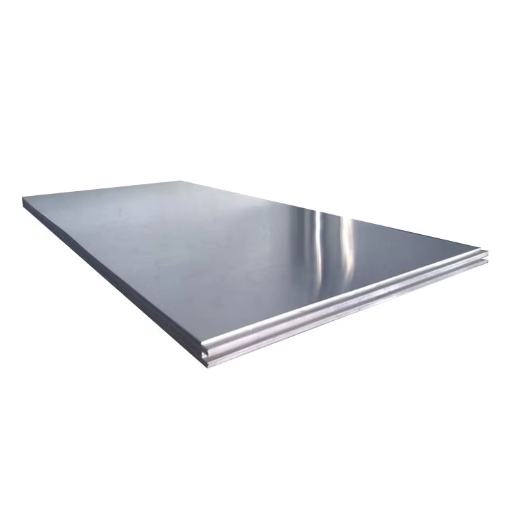
The corrosion resistance of 5052 aluminum is so high that it is the best choice for applications in environments with moisture, saltwater, or strong chemicals.
Impressive strength and durability go hand in hand with its lightweight, which is a key factor in applications that require the structure.
This aluminum alloy is highly ductile and can be readily molded and shaped to meet various requirements and applications.
The material’s durability and low maintenance make it a cost-effective choice for many sectors, such as construction and transportation.
5052 aluminum is a recyclable material that helps reduce waste and aligns with green building practices.
5052 aluminum offers superior corrosion resistance in saltwater and marine environments compared with several other aluminum alloys; hence, it remains the preferred choice for marine and coastal applications.
This alloy has a good welding capability which is strong; therefore, it allows the manufacturing and assembly processes to be done with high speed and low cost.
5052 aluminum is a great combination of strength and lightweight properties which is why it is used in applications where the main demands are durability and weight saving.
5052 aluminum is one of the softest aluminum alloys; therefore, it can be more easily processed into intricate shapes to meet various design requirements.
This alloy provides good fatigue resistance and is more reliable for applications subjected to sustained stress.
5052 aluminum scores highly with the company for its lightweight properties, which, along with fuel efficiency and easier handling in manufacturing processes, make it a strong choice. Its low density makes it an ideal choice for applications such as automotive, aerospace, and marine, where weight reduction is vital for both performance and cost savings. Additionally, its availability in cut-to-size options reduces project requirements by reducing waste and customization time. With the recent advancements in manufacturing and distribution, getting exact dimensions of 5052 aluminum has become super easy, thus allowing designers and engineers to apply the material in a very efficient way. The blend of versatility and high performance makes it almost impossible for 5052 aluminum to lose its place among the most favored materials in highly demanding applications.
5052 aluminum is widely used for its exceptional durability under various conditions. The metal’s corrosion resistance, especially in marine and saltwater environments, enables its use in applications where products are exposed to moisture and extreme conditions. Moreover, its high strength enables it to withstand mechanical strain without degrading performance. The combination of corrosion resistance and strength ensures long-term reliability, even in challenging conditions, making 5052 aluminum a high-quality material with broad applications across many sectors.
Aluminum 5052 is comparable to alloys such as 6061, 3003, 2024, and 7075 in terms of corrosion resistance, strength, weldability, and applications.
This table outlines the relative properties and typical applications of Aluminum 5052 compared with other commonly used alloys, helping users select the ideal material based on specific requirements.
Aluminum 5052 and 6061 are two primary alloys with different features that make them suitable for various situations:
It would be best if the selection of these alloys were based on the exact performance criteria of the project, such as corrosion exposure, strength requirements, and ease of fabrication.
Aluminum 5052 and 3003 are two alloys that have been widely utilized but exhibit different properties, respectivel,y different to their applications:
Each alloy meets specific requirements: 5052 is strong and corrosion-resistant, while 3003 is chosen for its formability and lower cost.
It is essential to assess your project’s specific requirements when choosing between 3003 and 5052 aluminum. Some of the main factors to consider are:
🌊 Application Environment:
If the project requires the material to be exposed to saltwater or highly corrosive environments, aluminum 5052 is the preferred option because of its excellent corrosion resistance.
💪 Strength Requirements:
For applications with very high tensile strength and durability requirements, such as structural parts or pressure systems, aluminum 5052 is the proper one.
🔄 Formability:
If your project requires complex shapes or deep drawing, 3003 aluminum offers excellent formability and can be processed using various manufacturing methods.
💰 Budget Constraints:
When the cost of the material is the main point and the properties of 3003 are okay for that application, it is a more affordable choice.
🔧 Welding Needs:
For complex welding tasks that require a high-strength end product, aluminum 5052 is preferable to aluminum 3003.
Eventually, you should be able to make a wise decision that delivers good performance while keeping costs down by reviewing these factors alongside your project’s specific needs.
Center for Aluminum Technology
A Practical Approach to Modeling Aluminum Weld Fracture
An Investigation into the Laser-Arc Welding of Aluminum Alloy 5052
Effect of Welding Parameters on Properties of 5052 Aluminum
5052 aluminum sheet alloy is one of the most commonly used die-casting and wrought magnesium-chromium alloys. Due to its magnesium and chromium content, the alloy exhibits very good to excellent corrosion resistance, particularly in the marine environment. It is a non-heat-treatable alloy with good workability and excellent formability. Therefore, it is widely used in sheet metal work, with applications including marine panels, fuel tanks, appliances, and heat exchangers. Also, ASTM B209 is the standard specification for aluminum sheets of this alloy and its properties are presented on the ASM data sheet.
The 5052-h32 aluminum sheet temper indicates the alloy has been strain-hardened and partially annealed (H32), providing a balance of higher strength and ductility when compared to fully annealed conditions. 5052-h32 aluminum sheet retains the non-heat-treatable characteristic of the 5052 alloy; its strength is derived from cold working rather than heat treatment, which in turn, influences machinability and rivet performance in sheet metal fabrication.
5052 aluminum sheet is available in a variety of thicknesses, ranging from ultra-thin foil-like gauges to extra-heavy plate. The standard thickness selection is usually based on the requirements of the application, for instance, rigidity for heat exchangers or formability for appliance panels. Manufacturers provide specific thickness ranges and tolerances on their data sheet and according to standards such as ASTM B209.
The material’s thickness directly influences both its excellent formability and good machinability. Cold working and forming thinner 5052 sheets into intricate shapes with maximum ductility are easier. In contrast, thicker sections provide greater strength and rigidity but may still require different tooling for riveting or machining. A designer must consider the thickness and the use of sheet metal work processes to comply with application requirements.
5052 aluminum is non-heat-treatable; its mechanical properties are improved by cold working (strain hardening) rather than by heat treatment. This is what distinguishes it from heat-treatable alloys and explains why terms like H32 or H34 refer to tempering achieved through mechanical processing. Non-heat-treatable alloys, such as 5052, are highly valued for their uniform corrosion resistance and weldability.
5052 alloy is suitable for workability; it is also easy to form and highly ductile, making it ideal for bending, spinning, and deep drawing in sheet metal operations. It is a moderately machinable alloy for operations such as cutting, drilling, and riveting, which usually require slow feeds or sharp tooling. Cold working gives the alloy strength but can reduce formability at the same time.